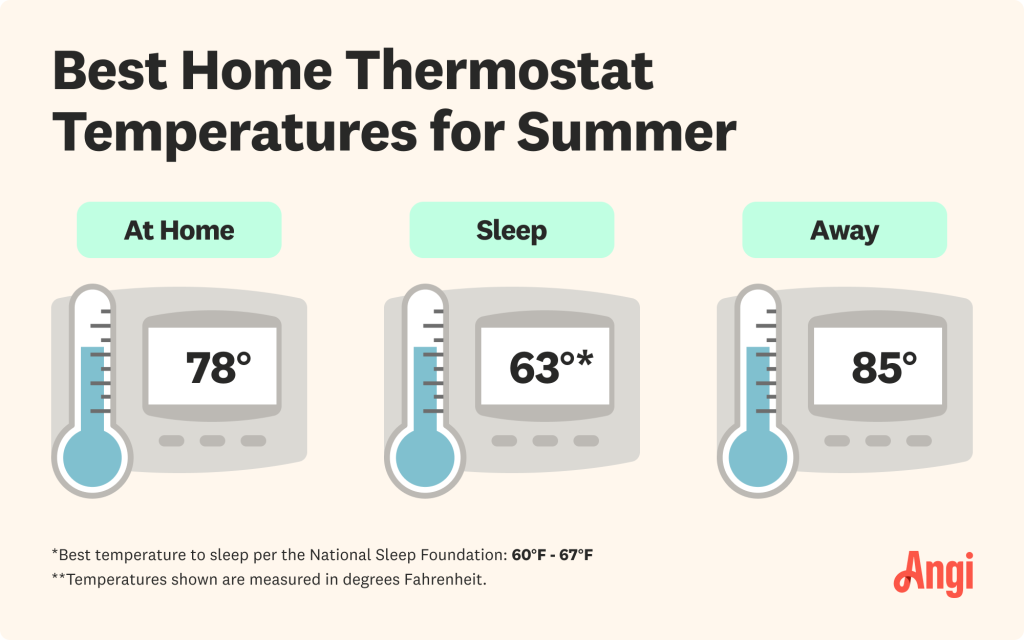
Are you struggling to find the perfect air conditioner setting that keeps your home comfortable without hiking up your energy bills? You’re not alone.
Setting your AC just right can make a huge difference—not only in how cool your space feels but also in how much you pay each month. Imagine enjoying a refreshing breeze that feels just right, without worrying about wasting energy or money.
You’ll discover simple, practical tips to set your air conditioner for the best balance of comfort and efficiency. Keep reading, and you’ll never have to guess the ideal temperature again.
Ideal Temperature For Cooling
The best air conditioner temperature keeps a balance between comfortand energy savings. Setting your thermostat around 24-26°C (75-78°F)is ideal for cooling indoors without using too much power.
Lower temperatures may feel cooler but use more electricity. Higher settings save energy but might not cool enough. Adjust settings based on your room size and outside heat.
| Temperature Setting (°C) | Comfort Level | Energy Use |
|---|---|---|
| 22-23 | Very cool | High |
| 24-26 | Comfortable | Moderate |
| 27-28 | Warm but okay | Low |
- Use a timer to avoid running AC all day.
- Keep doors and windows closed for best results.
- Use fans to help spread cool air faster.

Credit: www.healthkart.com
Fan Speed And Airflow
Choosing the right fan settingaffects how cool and comfortable a room feels. A higher fan speed moves air faster, helping the room cool quicker. Lower fan speeds are quieter and better for steady, gentle cooling.
Impact on room circulationdepends on the fan speed. Fast fan speeds spread cool air widely but can feel drafty. Slow speeds keep air moving softly, which is good for small spaces or when you want less noise.
- High fan speed:Cools quickly, louder noise.
- Medium fan speed:Balanced cooling and sound.
- Low fan speed:Quiet, gentle airflow, slower cooling.
Mode Selection For Different Needs
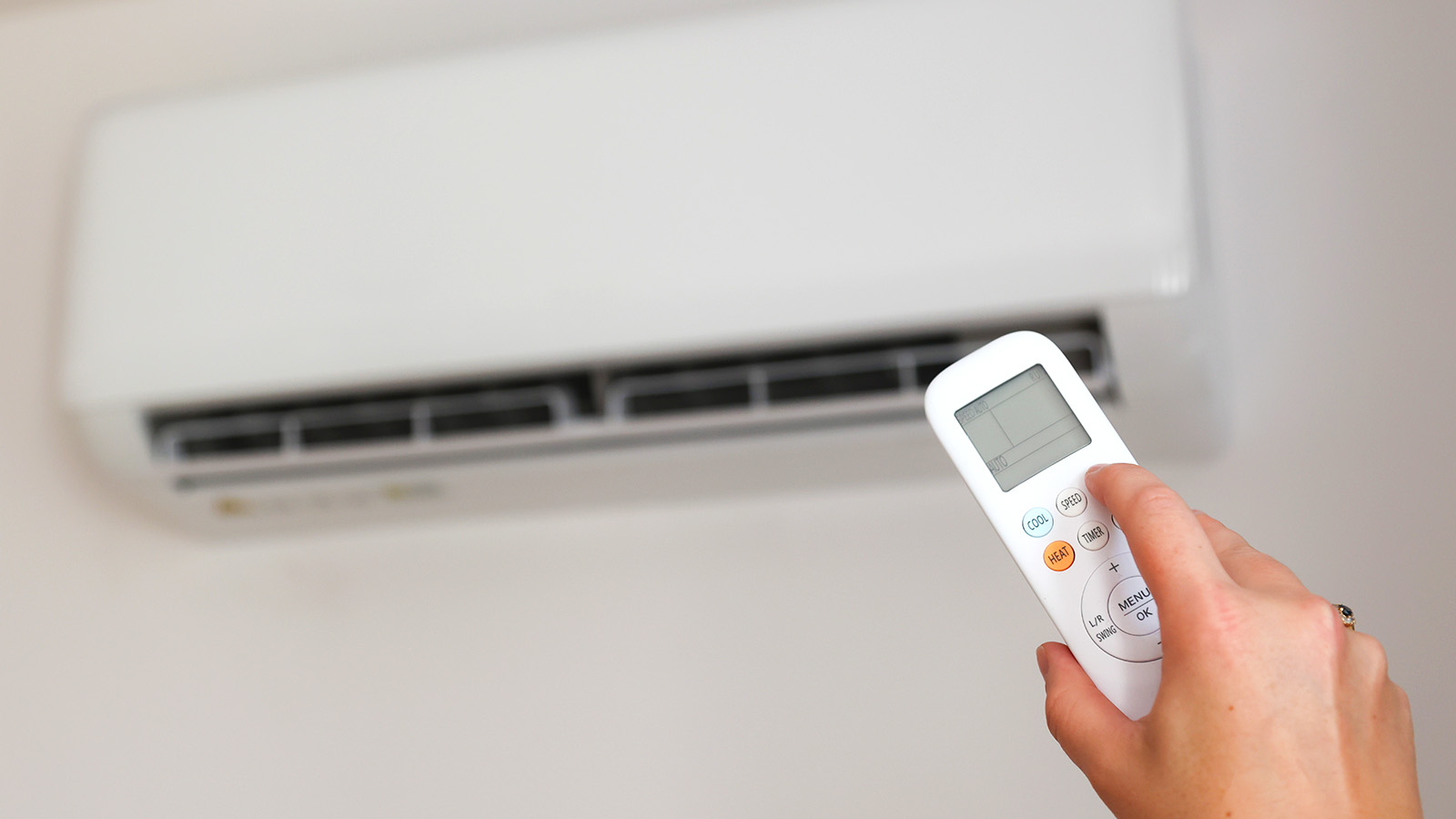
Cooling modelowers the room temperature by removing heat. It works best on hot days and keeps the air fresh and cool. The dry modereduces humidity without much cooling. This mode is good for rainy or humid weather, making the room feel less sticky and more comfortable.
Auto modeadjusts settings based on the room temperature. It switches between cooling, fan, and dry modes automatically. This saves energy and keeps the room cozy without many changes from you. Using auto mode is smart for changing weather or when you want less hassle with controls.
Credit: www.tomsguide.com
Energy-saving Tips
Setting the air conditioner timer can save energy and lower bills. Use the timer to turn off the AC when you don’t need it. Set it to start cooling just before you arrive home. This keeps rooms cool without wasting power.
Smart thermostats help keep the room at the right temperature. They learn your schedule and adjust cooling automatically. This stops the AC from running too long. You can control them using a phone app for easy changes.
- Set timerto match your daily routine.
- Avoid cooling empty roomsby using timers.
- Smart thermostatssave energy by learning habits.
- Control your AC remotely with a smartphone.
Maintaining Air Quality
Cleaning air filters regularlykeeps the air fresh and healthy. Dust and dirt block airflow and reduce cooling power. Check filters every month during heavy use. Clean or replace filters to avoid bad smells and germs.
Many air conditioners have air purification features. These help remove dust, pollen, and tiny particles. Using these features can improve air quality indoors. They reduce allergy and asthma triggers.

Credit: www.acostainc.com
Adapting Settings For Seasons
During summer, setting your air conditioner to 78°F (25-26°C)balances comfort and energy savings. This temperature cools your space without using too much electricity. Using the fan modehelps circulate air and keeps the room feeling fresh. Close curtains or blinds to block sunlight, which helps the AC work better.
Keep doors and windows closed to avoid warm air entering your home. Use a programmable thermostat to set higher temperatures when no one is home. This saves energy without sacrificing comfort. Regular cleaning of AC filters improves airflow and cooling efficiency.
Common Mistakes To Avoid
Setting the air conditioner too low wastes energy and raises bills. It makes the room cold quickly, but the unit works harder to keep that temperature. This can cause wear and tearand shorten the AC’s life.
Skipping regular maintenance leads to poor cooling and higher costs. Dust and dirt block airflow and reduce efficiency. Clean or replace filters every few months. Check for leaks and clear debris around the unit.
- Too low temperature:More energy use, faster damage.
- No regular maintenance:Dirt blocks air, less cooling.
- Filter cleaning:Helps air flow and keeps AC healthy.
- Check unit:Remove dirt, fix leaks for better performance.
Frequently Asked Questions
What Is The Ideal Temperature For An Air Conditioner?
The ideal temperature setting for an air conditioner is around 24-26°C (75-78°F). This temperature range ensures comfort and energy efficiency. It helps maintain a pleasant indoor environment while reducing electricity costs. Adjusting the temperature within this range can also extend the lifespan of your air conditioning unit.
How Can I Save Energy With My Ac?
To save energy, set your AC to 24-26°C (75-78°F). Use ceiling fans to circulate cool air. Ensure regular maintenance, like cleaning filters, for efficient operation. Close curtains or blinds to block sunlight. Use a programmable thermostat to adjust settings when you’re not home.
What Fan Speed Should I Use On My Ac?
For optimal cooling, use medium or high fan speed settings on your AC. High speeds cool the room faster, while medium speeds maintain comfort. Adjust based on room size and temperature. Use low speeds for quieter operation when the room is already cool.
Should I Use The Dry Mode On My Ac?
Use the dry mode in high humidity conditions to reduce moisture in the air. It helps improve comfort without significantly lowering the temperature. Dry mode uses less energy than cooling mode, making it efficient for mild weather. It’s ideal for maintaining a comfortable indoor environment.
Conclusion
Setting your air conditioner to around 24-26°C keeps you cool and saves energy. Avoid very low temperatures to prevent high electricity bills. Use a fan to help air circulate better. Adjust settings based on the weather and your comfort. Regular maintenance also helps the AC work well.
Small changes in temperature settings make a big difference. Stay comfortable without wasting power. Simple steps lead to better cooling and lower costs. Keep these tips in mind for the best air conditioner settings.