Have you ever wondered if your car’s tire pressure is just right? Too low or too high, and it can affect your safety, fuel efficiency, and tire life.
Knowing the correct tire pressure for your car isn’t just about maintenance—it’s about protecting yourself and saving money. You’ll discover exactly what your car’s tire pressure should be, why it matters, and how you can easily check and maintain it.
Keep reading to make sure your tires are always in top shape and your drives stay safe and smooth.
Credit: smoothcurb.com
Ideal Tire Pressure Range
Keeping the right tire pressure is important for safety and car performance. Tires with the correct pressure last longer and use fuel better.
The ideal tire pressure usually falls between 30 and 35 PSI. This range helps keep the tire firm and stable on the road.
Manufacturer Recommendations
Car makers give specific tire pressure numbers for each model. These numbers come from tests to keep the car safe and smooth.
You can find the recommended pressure on a sticker inside the driver’s door or in the owner’s manual. Always use these numbers as a guide.
- Check pressure when tires are cold
- Follow the exact PSI listed by the manufacturer
- Do not use the maximum pressure listed on the tire sidewall
Factors Affecting Tire Pressure
Many things can change your tire pressure during driving. Weather and load are two main factors that affect it.
Cold air makes tire pressure drop. Hot weather can raise it. Carrying heavy loads also needs more pressure to keep tires safe.
- Temperature changes can lower or raise pressure
- Heavy loads require higher tire pressure
- Driving on rough roads may need more frequent checks
- Leaks or damage can cause pressure loss
Importance Of Correct Tire Pressure
Maintaining the right tire pressure is crucial for your car’s performance. It affects safety, fuel use, and how long tires last.
Checking tire pressure regularly helps you avoid problems on the road. It is a simple task that offers many benefits.
Safety Benefits
Correct tire pressure improves your car’s grip on the road. It reduces the risk of accidents, especially in wet conditions.
- Better control of the vehicle
- Shorter stopping distances
- Reduced risk of tire blowouts
Fuel Efficiency Impact
Proper tire pressure can save you money on fuel. Under-inflated tires make your car work harder, using more gas.
| Tire Pressure | Fuel Efficiency |
| Correct | Optimal |
| Under-inflated | Poor |
| Over-inflated | Reduced |
Tire Longevity
Keeping tire pressure at the right level extends their life. It helps the tread wear evenly and lasts longer.
How To Check Tire Pressure
Keeping the right tire pressure is important for safe driving. It helps your car run smoothly and saves fuel.
Checking tire pressure is easy. You can do it with a simple tool and a few steps.
Using A Tire Pressure Gauge
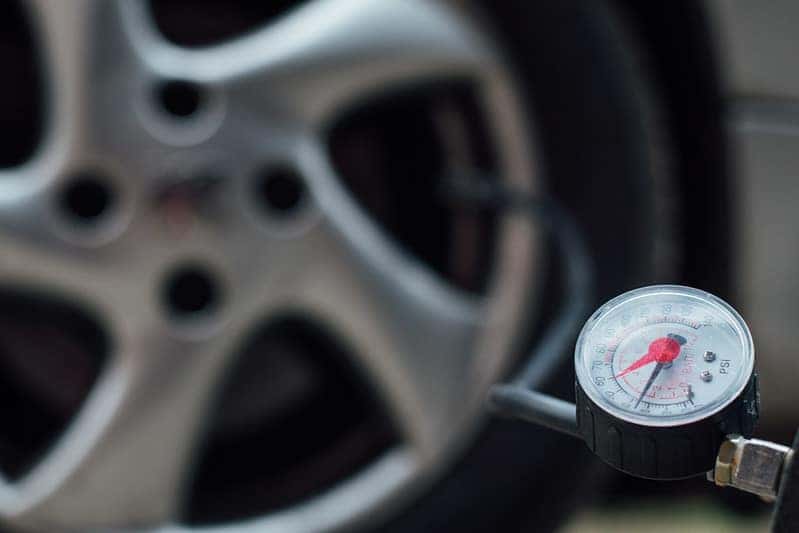
A tire pressure gauge shows the air pressure inside your tires. You can buy one at most stores.
First, remove the cap from the tire valve. Press the gauge onto the valve and read the number.
- Use a digital or dial gauge for best results.
- Press firmly to avoid air leaks.
- Check all four tires, including the spare.
When To Check Pressure
Check tire pressure before long trips or heavy loads. It keeps your car safe and efficient.
Check pressure when tires are cold. This means the car has not been driven for at least three hours.
- Check monthly to keep tires in good shape.
- Check after hitting potholes or curbs.
- Check if the tire looks flat or feels soft.
Credit: www.jackburford.com
Adjusting Tire Pressure
Maintaining the right tire pressure is key for safe driving. Proper tire pressure improves fuel efficiency and tire life.
Check tire pressure regularly, especially before long trips or heavy loads. Use a reliable pressure gauge for accuracy.
Inflating Tires Safely
Inflate tires only when they are cold. Heat can cause pressure to rise and give false readings.
- Remove the valve cap from the tire.
- Press the gauge firmly onto the valve stem.
- Add air in short bursts if pressure is low.
- Check pressure after each burst to avoid over-inflation.
- Replace the valve cap tightly after inflating.
Deflating Tires Properly
Deflating tires may be necessary for certain driving conditions or to match manufacturer recommendations.
| Pressure Range | Recommended Action |
|---|---|
| Above recommended pressure | Release air slowly using valve stem tool |
| At recommended pressure | No action needed |
| Below recommended pressure | Inflate tire to proper level |
Common Tire Pressure Myths
Tire pressure is important for safe driving and good fuel economy. Many people believe wrong ideas about how to check and set tire pressure.
Understanding the truth about tire pressure helps you keep your car safe and your tires lasting longer.
Myth: Higher Pressure Means Better Fuel Economy
Some think inflating tires more than the recommended level saves fuel. Too much pressure can reduce traction and cause uneven tire wear.
Follow the car maker’s pressure guide to keep your fuel use efficient and your tires safe.
Myth: Tires Lose Pressure Only When They Have A Leak
Many believe tires only lose air if they have a hole. In reality, tires lose air slowly through the rubber over time.
Check your tire pressure monthly to keep it at the right level, even if you see no damage.
Myth: Cold Tires Should Be Inflated To The Maximum Pressure
Some people think you should inflate cold tires to the max pressure listed on the tire sidewall. This number is the tire’s limit, not the car’s recommended pressure.
Always use the pressure shown on the car’s label, usually found on the door frame or inside the fuel door.
Myth: You Don’t Need To Adjust Pressure For Heavy Loads
Many drivers do not increase tire pressure when carrying heavy loads. Low pressure with extra weight can cause tire damage and poor handling.
Check your car manual for the correct tire pressure when your vehicle is loaded.
Myth: Tire Pressure Does Not Affect Safety
Some people ignore tire pressure because they think it does not matter. Wrong pressure can cause poor braking, bad steering, and tire blowouts.
Keeping the right tire pressure helps keep you and your passengers safe on the road.
Effects Of Overinflation And Underinflation
Correct tire pressure keeps your car safe and improves fuel efficiency. Tires that are too full or too empty cause problems.
Overinflation and underinflation both affect tire wear, handling, and safety. It is important to know the risks of each.
Risks Of Overinflation
Overinflated tires have too much air pressure. This makes the tire harder and less flexible.
Hard tires reduce the contact area with the road. This can cause a rough ride and less grip.
- Uneven tire wear, mainly in the center
- Increased risk of tire damage from bumps
- Reduced traction on wet or slippery roads
- Shorter tire lifespan
- Harsher ride quality
Risks Of Underinflation
Underinflated tires have less air pressure than recommended. This causes the tire to be soft and flexible.
Soft tires increase the contact area but create more heat. This can cause serious tire problems.
- Faster tire wear on edges
- Overheating, which can lead to tire failure
- Higher fuel consumption
- Poor handling and longer stopping distances
- Risk of tire blowouts
Seasonal Tire Pressure Tips
Tire pressure changes with the seasons. Cold air makes pressure drop. Hot air makes pressure rise.
Checking tire pressure regularly helps keep your car safe. Adjust pressure to match the weather outside.
Cold Weather Adjustments
Cold weather lowers tire pressure by about 1 psi for every 10°F drop. Low pressure can cause poor handling and more wear.
Check your tire pressure more often during winter. Inflate tires to the recommended level on the tire label or owner’s manual.
- Check pressure when tires are cold, before driving
- Add 1-2 psi if needed to reach the recommended level
- Inspect tires for cracks or damage caused by cold
- Use a reliable tire gauge for accurate readings
Hot Weather Considerations
Hot weather increases tire pressure as air expands inside the tires. Overinflation can reduce traction and cause uneven wear.
Check tire pressure early in the morning or when the car has cooled down. Release air if pressure is too high but do not go below recommended levels.
- Do not overinflate tires in hot weather
- Check pressure regularly during summer months
- Keep tire pressure at the level shown on the tire label
- Watch for signs of tire wear or damage
Tools And Tech For Monitoring Pressure
Keeping the right tire pressure is important for safety and fuel efficiency. You need good tools to check tire pressure accurately. There are modern devices and simple gadgets that help you monitor your tires.
This guide explains two common tools used for checking tire pressure. Learn about their features and how they work to keep your car running smoothly.
Tpms Systems
TPMS stands for Tire Pressure Monitoring System. Many newer cars have TPMS built in. It uses sensors inside each tire to check pressure all the time. The system sends alerts if pressure is too low or too high.
- Real-time pressure monitoring
- Warning lights on the dashboard
- Helps avoid flat tires and blowouts
- Can improve fuel economy by keeping correct pressure
TPMS makes it easy to track your tire pressure without manual checks. You just need to pay attention to alerts from your car’s system.
Portable Gauges
Portable gauges are handheld devices you use to measure tire pressure. They are simple, affordable, and easy to carry. You check each tire by pressing the gauge on the valve stem.
| Type | Features | Best Use |
| Analog Gauge | Dial display, no batteries needed | Basic checks at home or on the road |
| Digital Gauge | Easy-to-read screen, quick results | Precise measurements for regular use |
| Smart Bluetooth Gauge | Connects to phone app for records | Track pressure over time |
Using a portable gauge regularly helps you keep tires at the right pressure. Carry one in your glove box for quick checks anytime.

Credit: etenwolf.com
Frequently Asked Questions
What Is The Ideal Tire Pressure For Most Cars?
The ideal tire pressure for most cars ranges between 30 to 35 PSI. Check your vehicle’s manual or tire placard for exact values. Maintaining proper pressure ensures safety, fuel efficiency, and tire longevity.
How Often Should I Check My Car’s Tire Pressure?
You should check your car’s tire pressure at least once a month. Also, check before long trips or when temperature changes significantly. Proper monitoring prevents uneven wear and improves vehicle handling.
Can Incorrect Tire Pressure Affect Fuel Efficiency?
Yes, incorrect tire pressure can reduce fuel efficiency. Underinflated tires increase rolling resistance, causing higher fuel consumption. Properly inflated tires improve mileage and reduce carbon emissions.
What Happens If Tire Pressure Is Too High Or Low?
Too high pressure causes a harsh ride and uneven wear. Too low pressure leads to poor handling, overheating, and faster tire damage. Always maintain recommended tire pressure for safety.
Conclusion
Keeping the right tire pressure helps your car run smoothly and safely. Check your tires often to avoid problems on the road. Proper pressure saves fuel and makes your tires last longer. It also improves how your car handles and stops.
Use the number found on the tire or in your car’s manual. Don’t guess. Staying aware of tire pressure keeps you and others safe. Small checks can prevent big troubles. Drive smart, and keep your tires right.