
Have you noticed deep scratches on your cutting board and wondered if it’s still safe to use? Scratches might seem harmless, but they can hide harmful bacteria and affect your food’s safety.
You might be asking yourself, “Should I toss it out, repair it, or keep using it? ” you’ll discover exactly what to do with scratched cutting boards to protect your health and extend the life of your kitchen tools. Keep reading to find simple, effective solutions that anyone can follow.

Credit: www.express.co.uk
Risks Of Scratched Cutting Boards
Cutting boards can get scratched over time from knives and daily use. These scratches may cause problems in the kitchen.
Understanding the risks helps keep food safe and avoid health issues.
Bacterial Growth Concerns
Scratches on cutting boards create tiny grooves where bacteria can hide. These areas are hard to clean well with normal washing.
- Bacteria can multiply quickly in scratches.
- Cleaning tools may not reach deep inside grooves.
- Cross-contamination risk increases if bacteria stay alive.
- Wood boards can absorb moisture, helping bacteria grow.
Food Safety Issues
Scratched cutting boards can cause foodborne illnesses. Harmful germs may transfer to food during cutting or chopping.
| Problem | Effect |
| Scratches trap bacteria | Hard to clean, risk of infection |
| Knife cuts worsen scratches | More places for germs to hide |
| Using same board for raw meat and vegetables | Cross-contamination risk |
| Improper cleaning after use | Food poisoning possible |

Credit: en.brilio.net
Assessing The Damage
Cutting boards get scratched over time from knives and daily use. Knowing the kind of damage helps decide what to do next.
Some scratches are shallow and safe, while others are deep and harmful. Checking the damage type keeps your board clean and safe.
Identifying Deep Vs. Surface Scratches
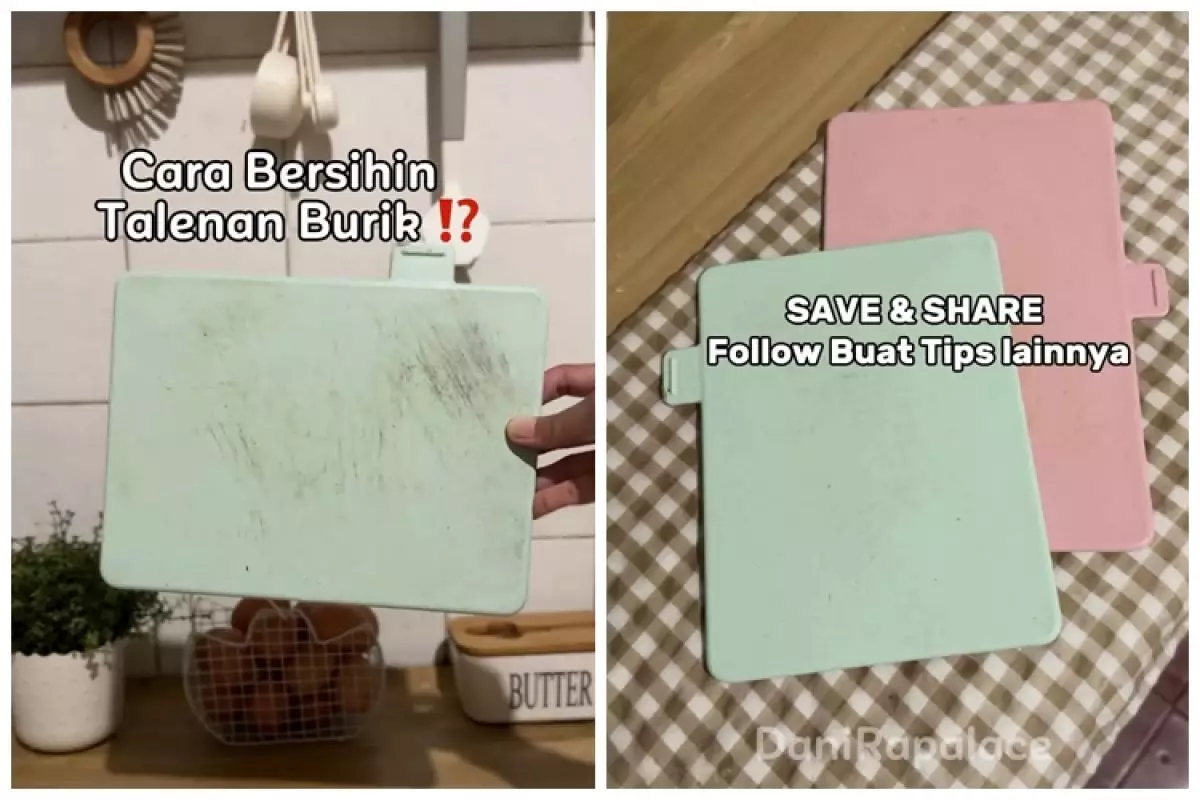
Surface scratches are light marks on the board’s top layer. They usually don’t affect how you use the board.
Deep scratches go down into the board and can trap bacteria. These need more care or replacement to stay safe.
- Surface scratches are shallow and smooth to touch.
- Deep scratches feel rough or have visible grooves.
- Deep scratches may cause small pieces to break off.
- Surface scratches often fade with cleaning or light sanding.
Material Considerations: Wood
Wood boards show scratches clearly. Surface scratches can be sanded out gently. Deep cuts may need more sanding or oiling.
Wood absorbs moisture, so deep cuts can hold bacteria. Regular oiling helps protect the surface and fill minor scratches.
Material Considerations: Plastic
Plastic boards scratch easily but do not absorb moisture. Surface scratches are mostly cosmetic and safe.
Deep scratches can trap food and bacteria. Replace plastic boards with many deep cuts to stay healthy.
Material Considerations: Bamboo
Bamboo boards are hard and resist scratches better than wood. Surface scratches may be less visible but still occur.
Deep scratches in bamboo can weaken the board. Light sanding and oiling help keep bamboo boards in good shape.
Cleaning And Sanitizing Techniques
Cutting boards that have scratches can hold bacteria in the cracks. It is important to clean and sanitize them well. This helps keep your food safe and your kitchen healthy.
Using the right cleaning and sanitizing methods removes germs. It also stops bad smells and stains from forming on your cutting board.
Effective Cleaning Methods
Start by washing the board with hot soapy water after each use. Scrub the surface well to remove food bits in the scratches. Rinse with clean water and dry it fully with a clean cloth or air dry.
For deeper cleaning, sprinkle baking soda on the board. Scrub with a damp sponge or brush to get into the scratches. Rinse and dry as usual. This helps lift dirt and light stains.
- Use hot water and dish soap for daily cleaning
- Scrub the board to clean inside scratches
- Try baking soda for extra scrubbing power
- Dry completely to avoid moisture build-up
Natural Sanitizers To Use
Natural sanitizers kill bacteria without harsh chemicals. White vinegar is a safe choice. Spray or wipe it on the board and leave it for a few minutes. Then rinse and dry the board well.
Lemon juice works as a natural sanitizer and freshener. Rub a lemon half on the board surface. Let it sit for five minutes before rinsing. This method helps remove odors and kills germs.
- White vinegar: spray, wait, rinse, and dry
- Lemon juice: rub, wait, rinse, and dry
- Use these after cleaning for best results
Repairing Minor Scratches
Cutting boards often get small scratches from knives. These minor marks do not mean you must throw the board away. You can fix these scratches at home with simple tools.
Fixing scratches keeps your board safe and looking good. It also helps it last longer and stay clean.
Sanding And Smoothing Tips
Light sanding removes small scratches and smooths the surface. Use fine-grit sandpaper to avoid deep marks. Sand along the grain of the wood for best results.
- Clean the board before sanding.
- Use 220-grit sandpaper or finer.
- Sand gently in one direction.
- Wipe off dust with a damp cloth.
- Let the board dry completely.
Oiling And Conditioning
After sanding, oiling the board protects it and restores moisture. Use a food-safe oil like mineral oil or beeswax conditioner. Apply oil evenly and let it soak in.
| Oiling Step | Details |
|---|---|
| Apply Oil | Use a clean cloth to spread a thin layer over the board. |
| Soak Time | Let the oil absorb for at least 2 hours or overnight. |
| Remove Excess | Wipe off leftover oil with a dry cloth to avoid stickiness. |
| Repeat | Apply oil monthly to keep the board in good shape. |
When To Replace Cutting Boards
Cutting boards are used every day in the kitchen. Over time, they get scratched and worn out. Knowing when to replace them keeps your food safe and your kitchen clean.
Small scratches can be cleaned and sanded, but some damage means it’s time for a new board. Look for clear signs that show your cutting board can no longer be used safely.
Signs Of Irreparable Damage
Check your cutting board for these signs. If you see any, replace the board right away to avoid bacteria buildup.
- Deep cuts or grooves that trap food and bacteria
- Cracks that split the board into pieces
- Warping or bending that makes the board unstable
- Discoloration or stains that do not wash out
- Foul smells that stay after cleaning
Choosing A New Cutting Board
Select a cutting board that fits your cooking style and is easy to clean. Different materials offer different benefits and downsides.
| Material | Pros | Cons |
| Wood | Durable, gentle on knives, natural antibacterial | Needs regular oiling, can warp if not cared for |
| Plastic | Easy to clean, dishwasher safe, affordable | Can scratch easily, may retain odors |
| Bamboo | Eco-friendly, hard surface, resists moisture | Harder on knives, can crack over time |
| Composite | Durable, dishwasher safe, resists stains | Can be expensive, heavier than other types |
Credit: en.brilio.net
Preventing Future Scratches
Cutting boards often get scratched after frequent use. These scratches can harbor bacteria and make cleaning hard.
Taking care to prevent future scratches will keep your board cleaner and last longer.
Best Cutting Practices
Use the right knife and cutting technique to protect your board’s surface. Avoid pressing too hard while cutting.
Switch cutting spots on the board often to spread out wear. Always cut in the direction that minimizes deep cuts.
- Use sharp knives to reduce force needed
- Cut away from the board edges
- Rotate the board to use fresh areas
- Use separate boards for different foods
Maintenance Habits
Clean your board right after use to prevent buildup in scratches. Dry it completely to avoid warping and cracking.
Regularly sand the surface lightly to smooth out minor scratches. Oil wooden boards to keep them hydrated and less likely to crack.
- Wash with warm, soapy water after each use
- Dry with a towel or air dry standing up
- Sand with fine-grit sandpaper when scratches appear
- Apply food-safe mineral oil monthly
Frequently Asked Questions
How To Fix Scratched Cutting Boards?
To fix scratches on cutting boards, sand the surface gently with fine-grit sandpaper. Clean the board with mild soap and warm water. Apply food-grade mineral oil to restore its shine and protect it. Regular maintenance prevents further damage. Always dry thoroughly to prevent warping and bacteria growth.
Are Scratched Cutting Boards Safe To Use?
Scratched cutting boards can harbor bacteria, making them unsafe for food preparation. Deep scratches are particularly concerning as they trap food particles and moisture. It’s essential to clean them thoroughly after each use. Consider replacing severely scratched boards to maintain kitchen hygiene and ensure food safety.
Can Scratches On Cutting Boards Be Prevented?
Preventing scratches involves using proper cutting techniques and maintaining the board. Use sharp knives and avoid excessive force. Regularly apply food-grade mineral oil to keep the board conditioned. Use separate boards for different foods to minimize wear and tear. Store them properly to avoid damage.
When Should You Replace A Cutting Board?
Replace a cutting board when it’s deeply scratched, warped, or has lingering odors. These signs indicate compromised hygiene and functionality. Regularly inspect your board’s surface for wear and tear. To ensure food safety, replace boards that can no longer be effectively cleaned or maintained.
Conclusion
Scratched cutting boards need care to stay safe and useful. Sanding can smooth out small scratches well. Deep cuts may hide bacteria, so consider replacing the board. Regular cleaning keeps your board fresh and clean. Using separate boards for meat and veggies helps prevent germs.
Taking these steps protects your health and extends your board’s life. Keep your kitchen safe with simple care habits. Small efforts make a big difference. Choose wisely and maintain your cutting boards regularly.