Have you ever wondered if your car tires have the right air pressure? It might seem simple, but the correct tire pressure can make a huge difference in your safety, fuel efficiency, and how smoothly your car drives.
Driving with tires that are too soft or too hard can cause problems you don’t want to face on the road. You’ll discover exactly what the ideal air pressure should be for your car tires and why it matters more than you might think.
Keep reading to learn how a small check can save you money and keep you safe every time you hit the road.
Recommended Air Pressure Range
Maintaining the right air pressure in car tires is crucial for safety and performance. Proper pressure helps tires wear evenly and improves fuel efficiency.
Most car tires need air pressure between 30 and 35 PSI. Checking this often keeps your ride smooth and safe.
Manufacturer’s Guidelines
Car makers provide specific air pressure numbers for your tires. These guidelines are based on your car’s weight and design.
You can find these numbers on a sticker inside the driver’s door or in the owner’s manual. Follow them closely for the best results.
- Front tires often have a different pressure than rear tires
- Overinflation can cause a rough ride and uneven tire wear
- Underinflation can reduce fuel efficiency and tire life
Pressure Variations By Tire Type
Tires come in different types, and each type needs different air pressure. Performance tires usually require higher pressure than all-season tires.
Heavy-duty tires for trucks need more air pressure to support extra weight. Always check the tire sidewall for pressure limits.
| Tire Type | Recommended Pressure (PSI) |
|---|---|
| All-Season Tires | 30 – 35 |
| Performance Tires | 35 – 40 |
| Heavy-Duty Truck Tires | 50 – 80 |

Credit: www.ogracing.com
How To Check Tire Pressure
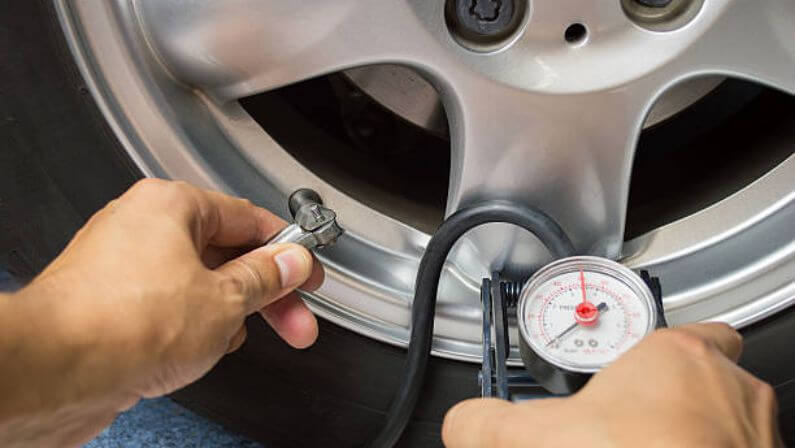
Keeping the right air pressure in your car tires is very important. It helps your car drive safely and saves fuel. You can check tire pressure with a simple tool called a pressure gauge.
Checking tire pressure is quick and easy. It only takes a few minutes and needs no special skills. Here is how to do it.
Using A Pressure Gauge
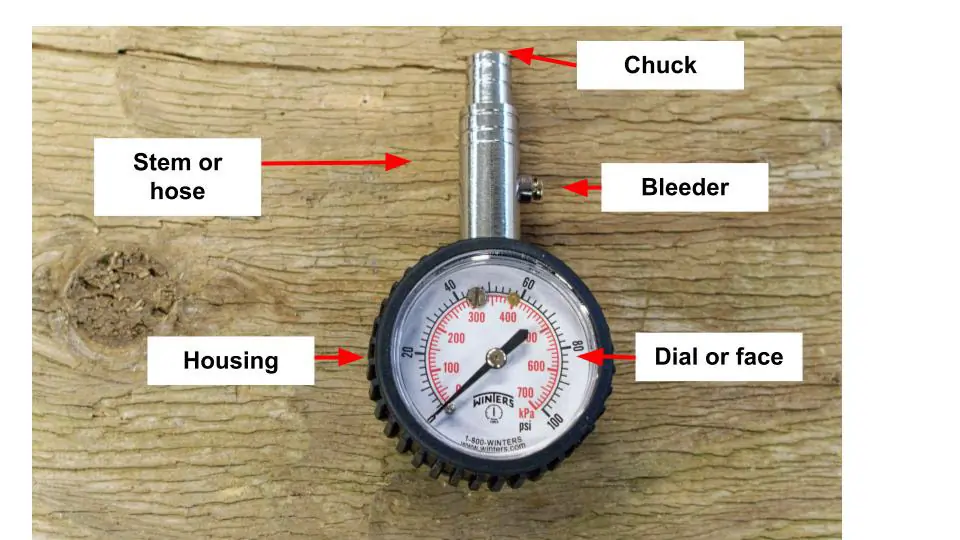
A pressure gauge shows how much air is inside the tire. You can buy one at any auto store. There are different types, such as digital or dial gauges.
- Remove the cap from the tire’s air valve.
- Press the gauge firmly onto the valve.
- Read the pressure on the gauge’s display.
- Compare this number to the recommended pressure in your car manual.
- Add or release air as needed to reach the correct pressure.
- Put the valve cap back on after checking.
When To Check Tire Pressure
Checking tire pressure regularly keeps your car safe and tires lasting longer. The best times to check are:
| When | Why |
| Once a month | To keep tire pressure steady |
| Before a long trip | To avoid problems on the road |
| After temperature changes | Cold weather lowers tire pressure |
| If the car feels different | Uneven driving may mean low pressure |
Effects Of Incorrect Tire Pressure
Maintaining the correct air pressure in car tires is very important. Wrong tire pressure can cause problems for your car.
Incorrect pressure affects fuel use, tire life, and your safety on the road.
Impact On Fuel Efficiency
Low tire pressure makes your car work harder. This uses more fuel and lowers miles per gallon.
- Under-inflated tires increase rolling resistance.
- More energy is needed to move the car.
- Fuel consumption can rise by up to 10%.
- Proper tire pressure helps save money on gas.
Tire Wear And Safety Risks
Wrong tire pressure causes uneven tire wear. This shortens tire life and can be dangerous.
| Pressure Type | Effect on Tires | Safety Concern |
| Low Pressure | Wears edges faster | More chance of blowouts |
| High Pressure | Wears center faster | Less grip on road |
| Correct Pressure | Even wear | Better control and safety |
Adjusting Tire Pressure For Conditions
Proper tire pressure is important for safe driving. It helps in fuel efficiency and tire life. Adjusting tire pressure based on conditions is essential.
Different conditions require different tire pressures. This includes changes in temperature and driving load. Let’s explore these factors.
Changes In Temperature
Temperature changes can affect tire pressure. Cold temperatures lower tire pressure. Warm temperatures increase it. Regular checks are important.
| Condition | Pressure Change |
| Cold Weather | Pressure Decreases |
| Hot Weather | Pressure Increases |
Driving Load And Terrain
Carrying heavy loads affects tire pressure. Driving on rough terrain can also change pressure needs. Adjusting for these factors ensures better performance.
- Check tire pressure when carrying extra weight.
- Adjust pressure before long trips on uneven roads.
- Ensure tires are suitable for the terrain.
Common Myths About Tire Pressure
Many drivers do not know the right tire pressure for their cars. Some believe wrong ideas that can cause problems. Understanding common myths helps keep tires safe and lasting longer.
This article explains popular myths about tire pressure. It shows why these ideas are not true and what you should do instead.
Myth: Inflate Tires To The Maximum Pressure On The Sidewall
Some drivers think they must fill tires to the max pressure printed on the tire sidewall. This is wrong. The number shows the highest limit, not the recommended pressure.
The correct pressure depends on your car model. Check the sticker inside the driver door or the owner’s manual for the right value.
Myth: Tire Pressure Should Be Checked Only When Tires Look Flat
Many believe they only need to check pressure if tires look low. This can cause unsafe driving. Tires lose air slowly over time, even if they look fine.
- Check tire pressure once a month
- Check before long trips
- Use a reliable tire pressure gauge
Myth: Cold Weather Does Not Affect Tire Pressure
Some drivers think cold weather does not change tire pressure. Actually, cold air shrinks and lowers tire pressure. You may need to add air in winter.
Myth: Overinflated Tires Improve Fuel Efficiency
Overinflating tires can reduce rolling resistance a bit. But it also lowers traction and makes the ride hard. This can be unsafe and wear tires unevenly.
| Pressure Level | Effect on Driving | Risk |
| Too Low | More fuel used, tire wears fast | Blowouts, poor handling |
| Correct | Good fuel use, safe handling | Low risk |
| Too High | Stiff ride, less traction | Uneven wear, accidents |
Myth: Tire Pressure Does Not Affect Tire Life
Wrong tire pressure causes uneven wear. Over time, this shortens tire life. Keeping the right pressure helps tires last longer and saves money.

Credit: www.carsales.com.au
Tips For Maintaining Optimal Pressure
Keeping the right air pressure in car tires improves safety and fuel efficiency. It also helps tires last longer. Checking tire pressure is a simple task that can prevent problems on the road.
Use these tips to keep your tires at the best pressure. Proper care protects your car and passengers.
Routine Checks
Check your tire pressure regularly, at least once a month. Use a reliable tire pressure gauge for accuracy. Check tires when they are cold for the best reading. Do not forget to check the spare tire too.
- Find the recommended pressure on the driver’s door or manual.
- Use a tire pressure gauge to measure each tire.
- Add or release air to reach the recommended level.
- Inspect tires for damage or uneven wear.
- Replace or repair tires if needed.
Using Tire Pressure Monitoring Systems
Tire Pressure Monitoring Systems (TPMS) alert you when pressure is low. These systems use sensors to track tire pressure in real time. They help you avoid unsafe driving conditions.
| Type of TPMS | Features |
| Direct TPMS | Measures pressure inside each tire with sensors |
| Indirect TPMS | Uses ABS sensors to estimate tire pressure by wheel speed |
Credit: gearjunkie.com
Frequently Asked Questions
What Is The Ideal Tire Pressure For Most Cars?
The ideal tire pressure is usually between 30 and 35 PSI. Check your vehicle’s manual or the sticker inside the driver’s door for the exact value. Proper pressure ensures safety, fuel efficiency, and tire longevity.
How Often Should I Check My Car’s Tire Pressure?
Check your tire pressure at least once a month. Also, inspect before long trips or when carrying heavy loads. Regular checks help maintain optimal performance and prevent tire damage.
Can Incorrect Tire Pressure Affect Fuel Efficiency?
Yes, low tire pressure increases rolling resistance, reducing fuel efficiency. Overinflated tires may cause uneven wear and poor handling. Maintaining correct pressure saves fuel and improves driving safety.
What Happens If Tire Pressure Is Too High Or Low?
Low pressure causes poor handling, increased tire wear, and higher fuel consumption. High pressure can lead to a harsher ride and uneven tire wear. Both conditions can compromise safety and tire lifespan.
Conclusion
Maintaining the right air pressure helps your car run smoothly and safely. Check tire pressure regularly with a good gauge. Proper pressure improves fuel efficiency and tire life. Avoid overinflating or underinflating tires to prevent wear and damage. Follow the manufacturer’s recommended pressure found in the car manual or door sticker.
Taking a few minutes to check tires keeps you safe on the road. It also saves money on repairs and fuel. Simple steps make a big difference in driving comfort and safety. Keep your tires healthy, and your car will thank you.