Have you ever wondered if your car’s tires have the right amount of air? The correct tire pressure is more important than you might think.
It affects your safety, fuel efficiency, and even how smoothly your car drives. Getting it wrong can lead to faster tire wear or even dangerous blowouts. You’ll discover exactly what your car tire air pressure should be and why it matters to you every time you hit the road.
Keep reading to make sure you’re driving safely and smartly.
Ideal Tire Pressure Levels
Maintaining the right air pressure in your car tires is important for safety and performance. Proper tire pressure helps your car drive smoothly and saves fuel.
Too low or too high pressure can cause uneven tire wear or reduce control on the road. Check your tire pressure regularly to keep it at the best level.
Recommended Pressure By Vehicle Type
Different vehicles need different tire pressures. The right pressure depends on the car’s size and weight. Small cars need less pressure than trucks or SUVs.
| Vehicle Type | Recommended Tire Pressure (PSI) |
|---|---|
| Small Cars | 30 – 35 PSI |
| Sedans | 32 – 36 PSI |
| SUVs and Crossovers | 35 – 40 PSI |
| Pickup Trucks | 40 – 45 PSI |
| Heavy-Duty Trucks | 50 PSI or higher |
Always check the vehicle manual or the sticker inside the driver’s door for exact numbers. These sources give the best pressure for your tires.
Finding The Right Psi For Your Car
To find the correct tire pressure, look at the car’s manual or the tire information label. This label shows the ideal PSI for your tires.
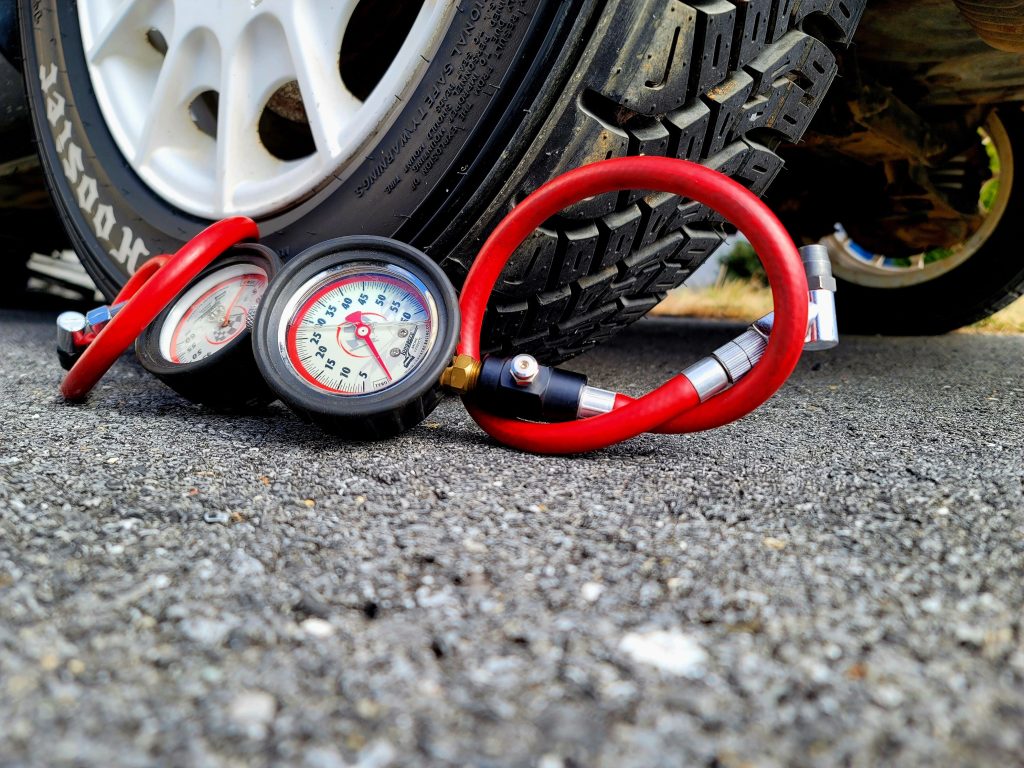
Use a reliable tire pressure gauge to check your tires when they are cold. Adjust the pressure to match the recommended PSI for your car.
- Check pressure once a month
- Measure when tires are cold
- Use a quality pressure gauge
- Adjust pressure to recommended PSI
- Do not rely on the tire’s maximum PSI

Credit: www.carhub.ca
Factors Affecting Tire Pressure
Tire pressure changes for many reasons. Knowing these factors helps keep your tires safe.
Proper tire pressure improves driving and tire life. Learn what affects it.
Temperature Changes
Air pressure inside tires changes with temperature. Cold air shrinks and lowers pressure.
- Pressure drops about 1 psi for every 10°F drop in temperature.
- Warm weather makes air expand, raising pressure.
- Check pressure more often in winter and summer.
Load And Driving Conditions
Heavier loads and rough roads affect tire pressure. Tires carry more weight and heat up.
| Condition | Effect on Tire Pressure |
| Heavy Load | Increases pressure inside tire |
| High Speeds | Raises tire temperature and pressure |
| Rough Roads | Can cause slow pressure loss |
| Normal Driving | Keeps pressure stable |
Checking Tire Pressure Correctly
Keeping your car tires at the right air pressure is important. It helps your car run smoothly and saves fuel.
Checking tire pressure the right way makes sure your tires last longer and keep you safe on the road.
Using A Tire Pressure Gauge
A tire pressure gauge shows how much air is in your tires. Use it to get an exact reading.
Remove the valve cap on the tire. Press the gauge onto the valve stem firmly. Read the number on the gauge.
- Digital gauges are easy to read
- Stick gauges work well and are simple
- Check pressure when tires are cold
When And How Often To Check
Check your tire pressure once a month. Also check before long trips or carrying heavy loads.
Cold tires give the most accurate pressure reading. Check the tires before driving or after they have rested for three hours.
- Monthly checks keep tires in good shape
- Check after temperature changes in seasons
- Always check if you feel the car handling poorly

Credit: www.carsales.com.au
Effects Of Improper Tire Pressure
Car tires need the right air pressure to work well. Too much or too little air can cause problems. These problems affect safety, fuel use, and tire life.
Knowing the effects of wrong tire pressure helps you keep your car running safely and smoothly.
Safety Risks On The Road
Wrong tire pressure makes driving unsafe. Too low pressure can cause tires to overheat. This may lead to tire blowouts and loss of control.
High pressure reduces tire grip on the road. This increases the chance of skidding and accidents. Proper pressure keeps your car stable and safe.
Impact On Fuel Efficiency
Low tire pressure makes your car work harder. The engine uses more fuel to move the car. This raises your fuel costs and wastes energy.
Correct tire pressure helps your car move smoothly. This saves fuel and reduces emissions. Keeping tires inflated right is good for your wallet and the environment.
Tire Wear And Longevity
Improper tire pressure causes uneven wear. Low pressure wears the tire edges faster. High pressure wears the center of the tire more.
Uneven wear shortens tire life. You must replace tires more often. Correct pressure helps tires last longer and perform better.
- Low pressure: faster edge wear
- High pressure: faster center wear
- Proper pressure: even wear and longer life
Adjusting Tire Pressure Safely
Keeping your car tires at the right air pressure is important. It helps your car drive better and keeps you safe.
Check your tire pressure often and adjust it carefully. This guide will help you add or release air safely.
Adding Air
To add air, first find the recommended pressure for your tires. You can find this on a sticker inside the driver’s door or in the owner’s manual.
Use an air compressor or pump to fill the tire. Check the pressure with a gauge as you add air to avoid overfilling.
- Remove the valve cap from the tire.
- Press the air hose on the valve stem tightly.
- Add air in short bursts, checking pressure each time.
- Stop adding air when you reach the recommended pressure.
- Replace the valve cap securely after inflating.
Releasing Excess Air
If the tire pressure is too high, release some air. This helps keep your tires safe and prevents damage.
Press the small pin inside the valve stem to let air out. Do this slowly and check the pressure often.
- Remove the valve cap from the tire.
- Use a small tool or your fingernail to press the valve pin.
- Let air escape in short bursts.
- Check pressure frequently with a gauge.
- Stop releasing air once you reach the correct pressure.
- Put the valve cap back on tightly.

Credit: carfromjapan.com
Tips For Maintaining Optimal Pressure
Keeping the right tire air pressure helps your car run safely and smoothly. It also saves fuel and stops tires from wearing out fast.
Check your tires often and adjust the pressure to keep your car working well. This guide shows easy tips to help you do that.
Regular Inspection Routine
Check your tire pressure at least once a month. Use a good tire pressure gauge for the best results. Always check tires when they are cold.
Look for signs like flat spots or cracks on the tires. Also, check the valve caps to keep dirt out and air in.
- Check pressure before driving
- Inspect tires for damage
- Keep valve caps tight
- Use the car’s recommended pressure
Seasonal Pressure Adjustments
Cold weather makes tire pressure drop. Check and add air in winter to keep pressure right. Hot weather can raise pressure, so release some air if needed.
Adjust your tire pressure to the season. This helps your car handle better and keeps tires from wearing unevenly.
- Increase pressure in cold months
- Decrease pressure slightly in hot months
- Always follow the car maker’s guide
Frequently Asked Questions
What Is The Ideal Tire Pressure For Cars?
The ideal tire pressure varies by vehicle, but it’s typically between 30-35 PSI. Check your vehicle’s manual or the sticker inside the driver’s door for the exact recommendation. Maintaining the right pressure ensures optimal performance, safety, and fuel efficiency.
How Often Should I Check Tire Pressure?
Check your tire pressure at least once a month. It’s also wise to inspect before long trips. Regular checks help detect leaks and prevent tire wear, ensuring safety. Use a reliable pressure gauge for accurate readings.
Does Temperature Affect Tire Pressure?
Yes, temperature changes can affect tire pressure. Cold weather can lower tire pressure, while warm weather can increase it. It’s important to check and adjust your tire pressure with temperature fluctuations to maintain optimal performance and safety.
Can Low Tire Pressure Cause Damage?
Low tire pressure can lead to uneven tire wear, reduced fuel efficiency, and increased risk of blowouts. It affects handling and braking performance, compromising safety. Regularly checking and maintaining the correct tire pressure can prevent these issues.
Conclusion
Maintaining the right tire air pressure keeps your car safe and efficient. Check your tires regularly with a pressure gauge. Proper pressure helps your tires last longer and saves fuel. Avoid driving on tires that are too soft or too hard.
Always follow the pressure recommendations found in your car’s manual or on the door sticker. Taking a few minutes to check can prevent costly repairs. Good tire care means a smoother, safer ride every time you drive. Keep your tires in shape for better performance and safety.