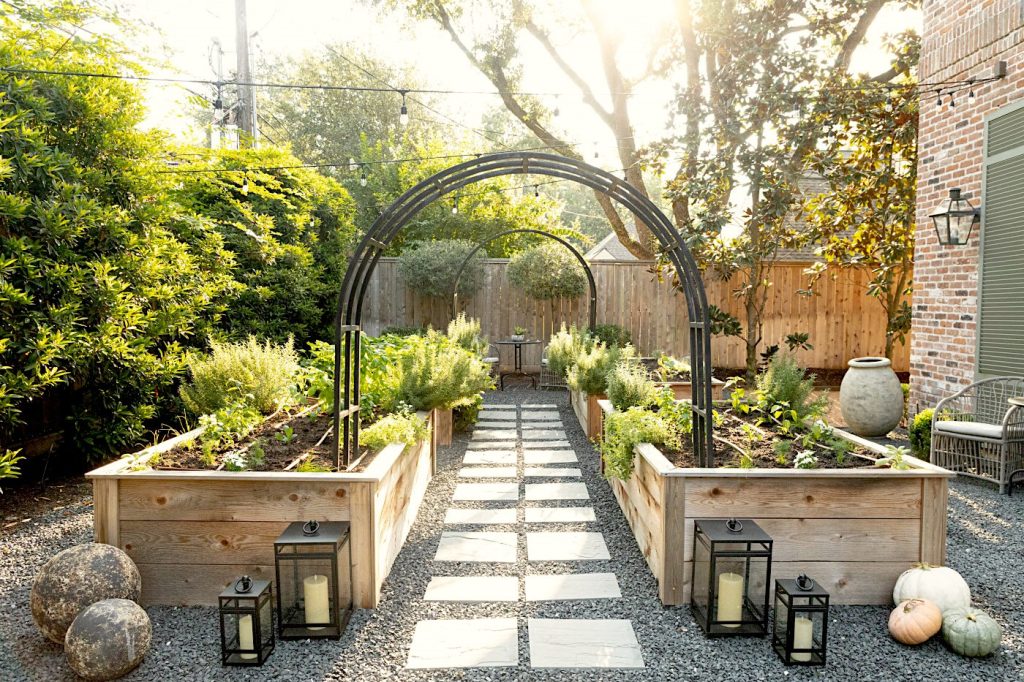
Are you wondering what to plant in your raised bed garden to get the best results? Choosing the right plants can make your garden thrive and bring you fresh, delicious produce all season long.
Whether you’re a beginner or have some gardening experience, this guide will help you pick the perfect vegetables, herbs, and flowers that grow well in raised beds. By the end, you’ll know exactly what to plant to enjoy a healthy, vibrant garden that fits your space and lifestyle.
Let’s dive in and make your raised bed garden a success!
Choosing Plants For Raised Beds
Raised bed gardens give you control over soil and plant choices. Picking the right plants helps your garden grow well.
Think about your garden’s conditions before planting. This makes sure your plants get what they need to thrive.
Factors To Consider
Choose plants that match your climate and space. Some plants like cooler weather, while others need warmth.
Also, think about how much time you can spend on care. Some plants need more watering and attention.
- Climate and temperature
- Space available in the raised bed
- Watering and care needs
- Plant growth size
- Harvest time and season
Soil And Sunlight Needs
Good soil is key for raised beds. Use loose, rich soil that drains well but keeps moisture.
Most vegetables and flowers need six to eight hours of sunlight daily. Check how much sun your bed gets.
- Use soil mix with compost and organic matter
- Avoid heavy clay soil that holds water too long
- Full sun plants need 6+ hours of direct light
- Partial shade plants grow with 3 to 6 hours of sun
- Shade plants need less than 3 hours of direct sun

Credit: www.youtube.com
Easy Vegetables To Grow
Raised bed gardens make growing vegetables simple and fun. You can plant many easy-to-grow veggies in small spaces.
This guide covers leafy greens, root vegetables, and tomatoes and peppers. Each group has great options for beginners.
Leafy Greens
Leafy greens grow quickly and need little care. They do well in cool weather and partial shade.
- Spinach
- Lettuce
- Kale
- Swiss chard
Root Vegetables
Root vegetables grow underground and need loose soil. Raised beds are perfect for them.
| Vegetable | Soil Depth Needed | Days to Harvest |
| Carrots | 12 inches | 70-80 |
| Radishes | 6 inches | 25-30 |
| Beets | 12 inches | 50-60 |
| Turnips | 10 inches | 40-60 |
Tomatoes And Peppers
Tomatoes and peppers need full sun and warm soil. They grow well in containers and raised beds.
- Choose disease-resistant varieties
- Water regularly but avoid soggy soil
- Support plants with stakes or cages
- Harvest when fruits are fully colored
Herbs That Thrive
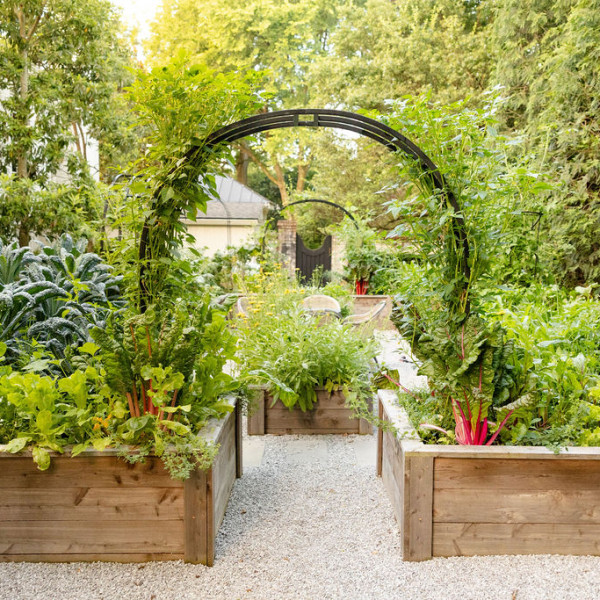
Growing herbs in a raised bed garden is easy and fun. Some herbs do especially well in this setup.
Here are some herbs that will thrive in your raised bed garden, bringing flavor and aroma to your cooking.
Basil And Parsley
Basil loves sunny spots and rich soil. It needs regular watering but not overwatering. Parsley is hardy and can grow in partial shade.
- Basil prefers well-drained soil
- Parsley can tolerate cooler weather
- Both need regular pruning to encourage growth
Thyme And Rosemary
Thyme is a low-maintenance herb that thrives in dry conditions. Rosemary needs full sun and well-drained soil to flourish.
| Herb | Sunlight | Watering |
| Basil | Full Sun | Moderate |
| Parsley | Partial Shade | Regular |
| Thyme | Full Sun | Low |
| Rosemary | Full Sun | Low |
Credit: www.gardenary.com
Fruits Suitable For Raised Beds
Raised beds are great for growing fruits. They offer good drainage and warm soil. These conditions help many fruit plants grow well.
Choosing the right fruits for your raised bed ensures a healthy garden and tasty harvest. Some fruits need less space and work better in raised beds.
Strawberries
Strawberries are perfect for raised beds. They grow well in shallow soil and need lots of sun. Raised beds keep their roots dry and healthy.
- Choose day-neutral or everbearing varieties for longer harvests.
- Plant strawberries in early spring or fall for best results.
- Keep soil moist but not waterlogged to avoid root rot.
- Use mulch to keep fruit clean and prevent weeds.
Dwarf Fruit Trees
Dwarf fruit trees are small and fit well in raised beds. They produce full-sized fruit but need less space. These trees need support and regular watering.
| Type of Dwarf Tree | Fruit Produced | Sunlight Needed | Water Needs |
| Dwarf Apple | Apples | Full Sun | Moderate |
| Dwarf Peach | Peaches | Full Sun | Moderate |
| Dwarf Cherry | Cherries | Full Sun | Moderate |
Companion Planting Tips
Companion planting helps you grow better plants by pairing them well. It improves growth and saves space in your raised bed garden.
Choosing the right plant partners can also reduce pests and boost harvests naturally.
Plant Pairings
Some plants grow better when planted near certain others. These pairings support each other’s growth and flavor.
- Tomatoes and basil: Basil improves tomato flavor and growth.
- Carrots and onions: Onions keep carrot flies away.
- Cucumbers and radishes: Radishes deter cucumber beetles.
- Beans and corn: Beans fix nitrogen, helping corn grow.
Pest Control Benefits
Some plants keep pests away by giving off smells or attracting helpful insects. Use these to protect your raised bed.
| Plant | Pest Controlled | How It Helps |
| Marigold | Whiteflies, nematodes | Releases scent that repels pests |
| Chives | Aphids | Strong smell deters aphids |
| Mint | Ants, flea beetles | Confuses and repels insects |
| Lavender | Moths, flies | Attracts pollinators, repels harmful bugs |

Credit: www.hgtv.com
Seasonal Planting Guide
Raised bed gardens offer great control over soil and conditions. Choosing the right plants for each season helps your garden thrive.
This guide shows what to plant in spring, summer, and fall to get the best results.
Spring Choices
Spring is perfect for cool-weather crops that grow fast. These plants can handle light frost and enjoy the mild temperatures.
Start with seeds indoors or direct sow early in the season for a good harvest.
- Leafy greens like lettuce, spinach, and kale
- Root vegetables such as carrots, radishes, and beets
- Peas and broccoli for fresh spring veggies
- Herbs like parsley, cilantro, and chives
Summer Picks
Summer plants need warm soil and plenty of sun. Raised beds warm quickly, so you can plant these once the danger of frost is gone.
Choose vegetables that love heat and grow well in full sun.
- Tomatoes and peppers
- Cucumbers and squash
- Beans and corn
- Basil and oregano for fresh herbs
Fall Options
Fall is great for cool-season crops again. These plants mature before the first frost and enjoy cooler weather.
Plant in late summer to early fall for a fresh harvest late in the year.
- Brussels sprouts and cabbage
- Turnips and rutabagas
- Winter lettuces and arugula
- Garlic cloves for next year’s harvest
Maintaining Raised Bed Gardens
Raised bed gardens need regular care to grow healthy plants. Good maintenance helps plants get enough water and nutrients.
Keeping pests away and caring for the soil are also important for a successful garden.
Watering Techniques
Water your raised bed garden deeply and less often. This helps roots grow strong and healthy.
- Water early in the morning to reduce evaporation.
- Use drip irrigation or soaker hoses to save water.
- Check soil moisture before watering to avoid overwatering.
- Water around the base of plants, not the leaves.
Soil Care
Good soil keeps plants healthy and growing well. Add organic matter to improve soil texture and nutrients.
| Soil Care Tip | Why It Helps |
| Mix compost into the soil | Increases nutrients and water retention |
| Use mulch on top | Keeps soil moist and controls weeds |
| Test soil pH | Ensures plants get proper nutrient balance |
| Rotate crops yearly | Prevents soil depletion and disease build-up |
Pest Management
Keep pests under control to protect your plants. Use natural ways to avoid harming the environment.
Try these pest management methods:
- Handpick insects off plants
- Use insecticidal soap for soft-bodied pests
- Plant herbs like basil or mint to repel insects
- Encourage beneficial insects like ladybugs
Frequently Asked Questions
What Vegetables Grow Best In Raised Bed Gardens?
Leafy greens like lettuce and spinach thrive in raised beds. Root vegetables such as carrots and radishes also do well. Tomatoes and peppers benefit from the good drainage and soil control raised beds provide.
How Do I Choose Plants For A Raised Bed Garden?
Consider your climate, sunlight, and soil conditions. Pick plants with similar water and nutrient needs. Choose compact or shallow-rooted plants to maximize space and growth in raised beds.
Can Herbs Grow Successfully In Raised Bed Gardens?
Yes, herbs like basil, thyme, and parsley grow well in raised beds. They need well-drained soil and plenty of sunlight. Raised beds provide ideal conditions for healthy, flavorful herbs.
When Is The Best Time To Plant In Raised Beds?
Early spring is ideal for most vegetables in raised beds. Warm-season crops like tomatoes should be planted after the last frost. Raised beds warm up faster, allowing earlier planting than traditional gardens.
Conclusion
Choosing the right plants makes your raised bed garden thrive. Think about your climate, space, and sunlight. Pick vegetables and herbs you enjoy eating. Start small and add more plants over time. Raised beds give good soil and drainage for strong growth.
Water regularly and watch your garden flourish. Gardening brings joy and fresh food to your home. Happy planting!