
Are you unsure about the best temperature to set your air conditioner? Finding the right setting can save you money, keep you comfortable, and even help the environment.
But with so many opinions out there, it’s easy to feel confused. You’ll discover simple tips to choose the perfect AC temperature for your home. Stick with us, and you’ll never have to guess what to set your air conditioner on again.

Credit: www.acostainc.com
Ideal Temperature Settings
Setting your air conditioner between 72°F and 78°Fsaves energy and keeps you cool. This range suits most homes in summer. Lower temperatures use more power and raise bills.
Balancing comfort and energy use means adjusting the thermostat wisely. Use 78°Fwhen home and active. Set it higher when away or sleeping. This helps reduce electricity use.
- 72°F to 78°F:Ideal for comfort and savings
- 78°F:Best for energy efficiency
- Above 78°F:Good when not at home
Factors Influencing Ac Settings
Outdoor weatheraffects how cold your AC should be. Hot days need cooler settings. On cooler days, set the AC a bit higher to save energy.
Room size and insulationmatter. Big rooms need more cooling power. Rooms with good insulation keep cool air longer, so the AC does not work as hard.
Number of occupantschanges the temperature too. More people create more heat. Set the AC cooler if many people are in the room.
Smart Thermostat Benefits
Adaptive temperature controllearns your habits. It adjusts the air conditioner to save energy. The system changes settings based on the weather. This keeps your home comfortable without wasting power.
Remote access and schedulinglet you control the AC from anywhere. Use your phone to turn it on or off. Set schedules to match your daily routine. This way, your home is cool when you arrive and saves energy when you leave.
:max_bytes(150000):strip_icc()/leave-air-conditioner-on-GettyImages-2176217597-fddfcc38e1da46228d8d9d3cc65c27ae.jpg)
Credit: www.realsimple.com
Energy-saving Tips
Using fans alongside your air conditioner helps spread cool air faster. This lets you set the AC at a higher temperature, saving energy. Fans use less power than AC units. Make sure to turn off fans when you leave the room, as they cool people, not spaces.
Timers help control when the AC runs. Set the timer to turn off the AC during cooler parts of the day or night. This avoids running the AC unnecessarily. Use timers to pre-cool your home before you arrive.
Sealing gaps around doors and windows stops cool air from escaping. Insulating your home keeps the warm air outside and cool air inside. This reduces how hard your AC must work, lowering electricity bills and saving energy.
Common Mistakes To Avoid
Setting your air conditioner too low wastes energy and raises bills. It makes the room colder than needed, which can cause discomfort and health issues.
Ignoring regular maintenance leads to poor cooling and higher costs. Dirty filters and clogged coils reduce efficiency and may damage the unit.
- Cooling empty rooms wastes power.
- Use timers or smart controls to save energy.
- Close doors and windows to keep cold air inside.
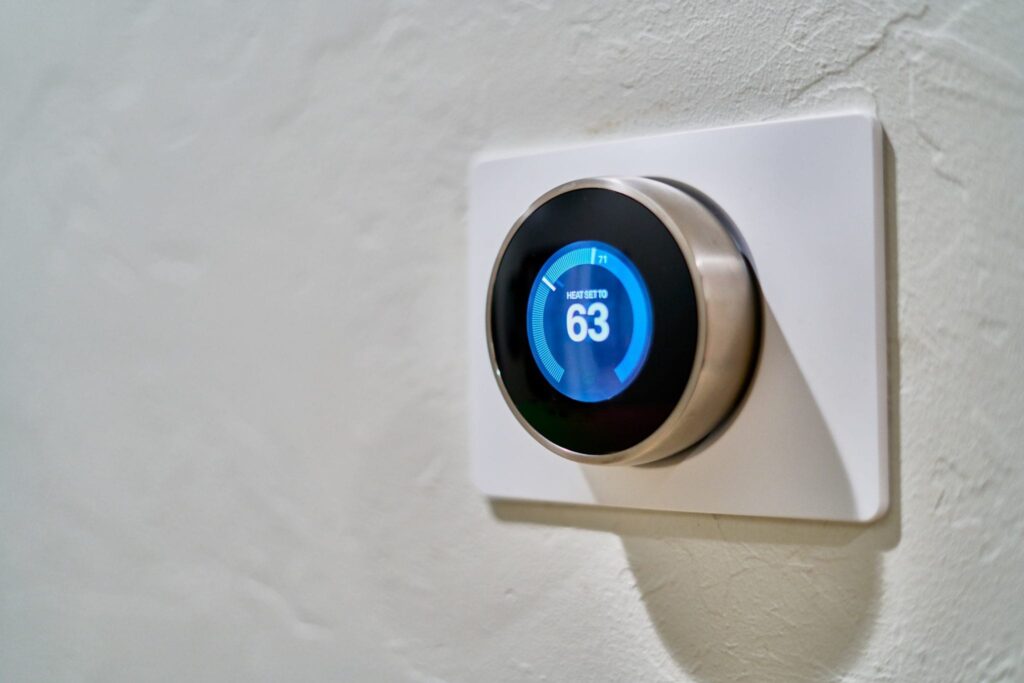
Credit: davisheatingair.com
Frequently Asked Questions
What Temperature Should I Set My Ac In Summer?
Setting your air conditioner between 24°C to 26°C (75°F to 78°F) is ideal in summer. This range provides comfort while ensuring energy efficiency. Adjust based on your personal comfort and local humidity levels. Utilizing a programmable thermostat can optimize energy use and maintain a consistent temperature.
Is 72 Degrees A Good Ac Setting?
Setting your AC to 72°F (22°C) is comfortable but may increase energy bills. It provides a cooler environment but at a higher cost. Consider adjusting slightly higher to save on energy. Experiment with settings between 74°F to 76°F for an efficient balance.
Should I Adjust Ac Temperature At Night?
Yes, raising the temperature by a few degrees at night saves energy. Cooler nighttime temperatures often require less cooling. A setting around 78°F (26°C) can be comfortable for sleeping. Use fans for added airflow if needed. A programmable thermostat can automate these adjustments.
How Does Humidity Affect Ac Settings?
Higher humidity can make temperatures feel warmer, affecting comfort levels. Your AC should dehumidify air while cooling. Setting your AC to 24°C to 26°C helps balance comfort and efficiency. Consider using a dehumidifier if humidity remains high. This can improve indoor air quality and comfort.
Conclusion
Setting your air conditioner to the right temperature saves energy and money. Aim for a balance between comfort and efficiency. Around 78°F (25°C) works well during summer days. Use fans to help cool the room faster. Close windows and doors to keep cool air inside.
Regular maintenance keeps your AC running smoothly. Small changes make a big difference in your cooling costs. Stay comfortable without wasting power. Simple steps lead to a cooler, more affordable home.