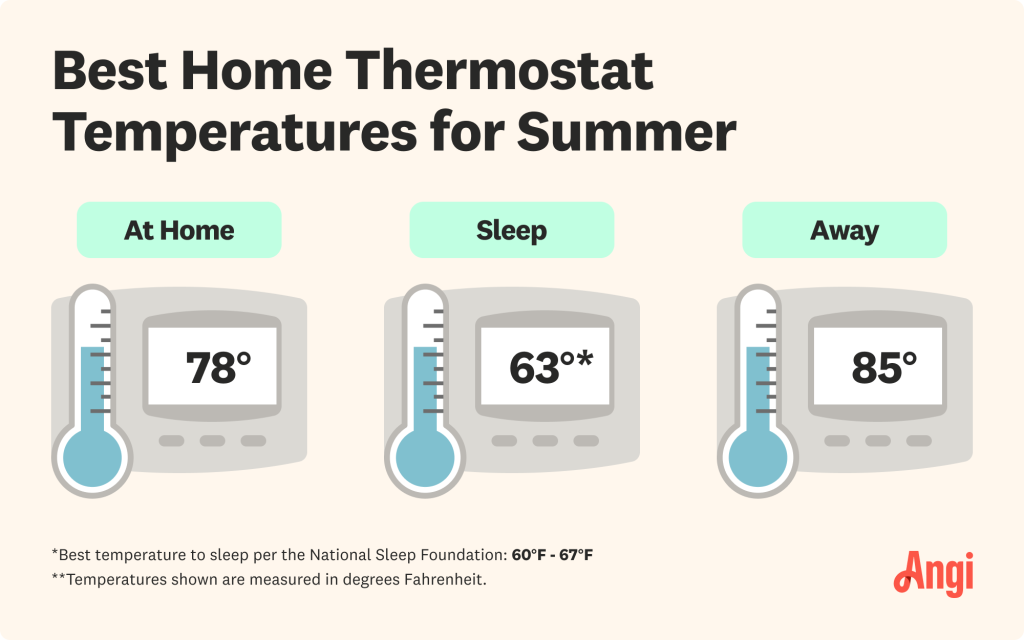
Are you wondering what temperature your air conditioner should be set at to keep your home comfortable without wasting energy? Finding the perfect balance can save you money on bills and help your AC run smoothly.
You’ll discover the ideal settings for different situations, simple tips to improve efficiency, and how small changes can make a big difference in your comfort. Keep reading to learn how to get the most from your air conditioner all summer long.
Optimal Temperature Settings
Setting your air conditioner to the right temperaturesaves energy and keeps you comfortable.
During the day, aim for around 78°F (26°C). This temperature balances cooling and energy use well.
At night, you can raise the temperature to 82°F (28°C). Your body cools down naturally when sleeping.
Seasonal changesalso affect the best settings. In spring and fall, higher settings work fine.
In summer, keep temperatures a bit lower to beat the heat.
| Time | Recommended Temperature | Reason |
|---|---|---|
| Daytime | 78°F (26°C) | Comfortable and energy-saving |
| Nighttime | 82°F (28°C) | Supports natural cooling during sleep |
| Spring/Fall | Higher settings | Less need for strong cooling |
| Summer | Lower settings | Beats the heat effectively |
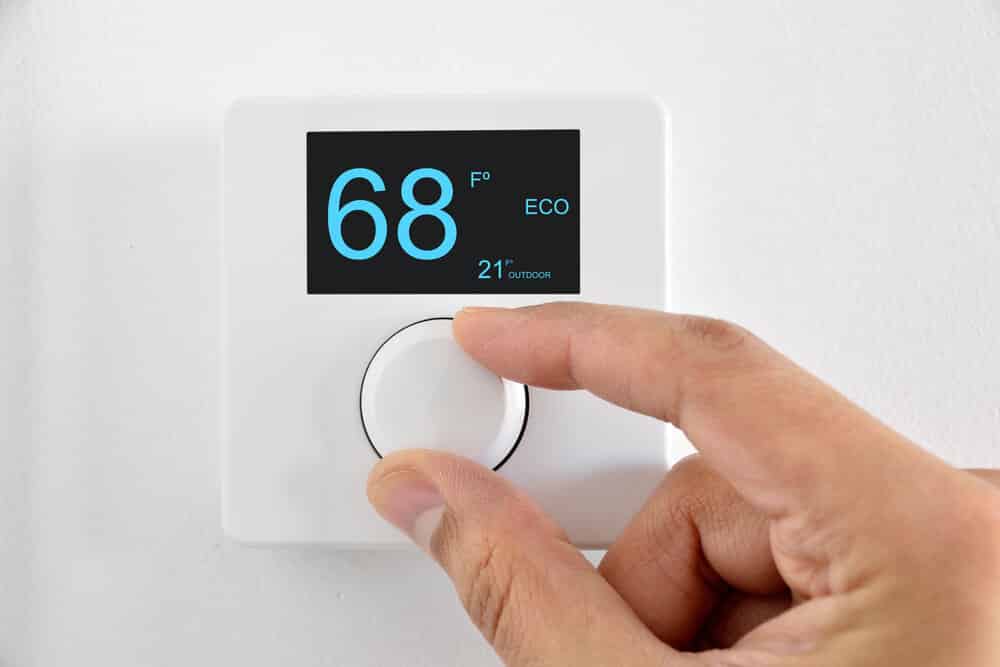
Credit: fischerheating.com
Energy Efficiency Considerations
Setting your air conditioner at a moderate temperature saves energyand money. Around 78°F (26°C)works well during summer days. This keeps your home cool without using too much power.
Lowering the temperature too much causes the AC to work harder. That leads to higher energy bills. Also, running the AC constantly can wear out the system faster.
Using a programmable thermostat helps adjust temperatures automatically. It saves energy when no one is home or during night hours.
| Temperature Setting | Energy Use | Environmental Impact |
|---|---|---|
| Below 75°F (24°C) | High | More pollution, higher carbon footprint |
| 75°F to 78°F (24°C to 26°C) | Moderate | Lower pollution, less environmental harm |
| Above 78°F (26°C) | Low | Least pollution, eco-friendly choice |
Choosing the right temperature helps protect the environment. It reduces carbon emissionsfrom power plants. Saving energy today means a cleaner planet tomorrow.
Health And Comfort Factors
Setting the air conditioner too cold can disturb sleep quality. A temperature around 65-70°F (18-21°C)helps the body relax and fall asleep easier. Cooler air lets the body cool down naturally, which is important for deep sleep.
Humidity control is key for health and comfort. Too much humidity makes the air feel sticky and uncomfortable. Too little can dry out skin and airways.
| Humidity Level | Effect |
|---|---|
| 30-50% | Ideal for comfort and health |
| Above 60% | Can cause mold and allergies |
| Below 30% | Dry skin and irritated throat |

Credit: www.acostainc.com
Smart Thermostat Benefits
Smart thermostatsbring automation and convenienceto your home comfort. They adjust the temperature based on your daily routine. This saves energy and keeps rooms comfortable without manual changes. You can set schedules for different times and days. The thermostat learns your preferences over time to improve settings automatically.
Remote access featuresallow control from anywhere using a smartphone or tablet. This means you can change the temperature while away from home. Forgot to turn off the AC? No problem. You can fix it with a few taps. Remote control helps save energy and avoid wasted cooling.
Common Myths Debunked
Constant temperatureis not always best for air conditioners. Keeping the AC at the same setting all day can waste energy and increase bills. It is more efficient to set the temperature higher when no one is home. This helps save power without losing comfort.
Short cyclingmeans the AC turns on and off too often. This can happen if the temperature is set too low. The unit works harder but cools less efficiently. Short cycling can cause wear and tearand shorten the AC’s life. Setting a moderate temperature helps avoid this issue.

Credit: www.reddit.com
Expert Tips For Maintenance
Regularly changing your air filterkeeps the system clean and efficient. Clogged filters make your air conditioner work harder. This raises energy bills and can cause damage. Check filters every month and replace them if dirty. This simple step improves air qualityand system lifespan.
Scheduling professional inspections helps catch small problems early. Experts check for leaks, refrigerant levels, and electrical issues. They clean coils and test performance too. Regular check-ups keep your air conditioner running smoothly and save money on costly repairs.
Frequently Asked Questions
What Temperature Should I Set My Air Conditioner?
Set your air conditioner to 78°F (26°C) for optimal energy savings. This temperature balances comfort and efficiency effectively.
Does Setting Ac Lower Cool Room Faster?
No, setting the AC lower won’t cool faster. It uses more energy but takes the same time to reach the desired temperature.
How Can I Save Energy With Ac Settings?
Increase your AC temperature by a few degrees when away. Use a programmable thermostat to manage cooling efficiently and save energy.
Is It Better To Keep Ac Constant Or Off?
Keeping AC constant at a moderate temperature is more efficient. Turning it off and on uses more energy and strains the system.
Conclusion
Setting your air conditioner right saves energy and money. Aim for a temperature that feels comfortable but not too cold. Around 78°F (25°C) works well for most people during summer. Adjust slightly if you feel too hot or cold. Remember, small changes can make a big difference.
Keep your home cool without wasting power. Enjoy comfort and lower bills at the same time. Stay mindful of these tips to get the best from your air conditioner. Simple habits lead to smarter cooling.