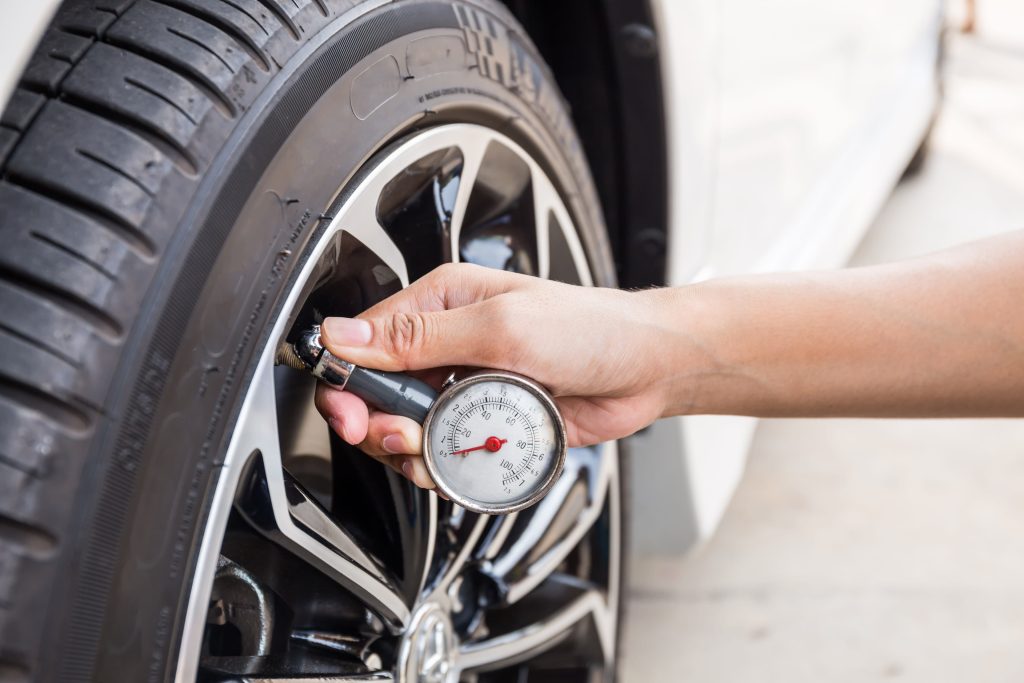
Are you sure your car’s tires have the right pressure? You might think it’s a small detail, but the truth is, the correct tire pressure can make a big difference in how your car drives, how safe you are on the road, and even how much money you spend on fuel.
If your tires are under or overinflated, it could cause problems you didn’t expect. You’ll learn exactly what your car’s tire pressure should be, why it matters, and how to check it easily. Keep reading to make sure you’re driving as safely and efficiently as possible.

Credit: www.carsales.com.au
Recommended Tire Pressure
Maintaining the correct tire pressure is important for safety and fuel efficiency. The right pressure helps your car perform well on the road.
Checking tire pressure regularly prevents uneven tire wear and improves handling. Use the recommended guidelines to keep your tires properly inflated.
Manufacturer Guidelines
Car makers provide the best tire pressure numbers for each vehicle. These numbers are based on the car’s design and weight.
- Check the sticker inside the driver’s door frame for pressure info.
- Look in the owner’s manual for detailed tire pressure recommendations.
- Follow the pressure listed for normal and full load conditions.
Tire Sidewall Information
The tire sidewall shows the maximum pressure the tire can handle. This is not the same as the recommended pressure for your car.
| Sidewall Marking | Description |
| Max Pressure | Highest air pressure the tire can safely hold |
| Recommended Pressure | Suggested pressure from the car manufacturer (not on sidewall) |
Impact Of Vehicle Load
How much weight your car carries changes the ideal tire pressure. More load means you need higher pressure to keep tires stable.
- Light load: Use the base recommended pressure.
- Medium load: Increase pressure slightly for better support.
- Heavy load: Inflate tires to the maximum recommended pressure for safety.
Checking Tire Pressure
Proper tire pressure keeps your car safe and improves fuel efficiency.
Checking tire pressure is quick and easy. It helps avoid tire damage and accidents.
Tools Needed
You need a few simple tools to check your tire pressure accurately.
- Tire pressure gauge (digital or analog)
- Air compressor or pump (for adding air)
- Vehicle owner’s manual (to find recommended pressure)
- Pen and paper (to record readings)
When To Check
Check your tire pressure regularly to maintain safety and performance.
- Check tires before long trips
- Check at least once a month
- Check when tires are cold (not driven for 3+ hours)
- Check after big temperature changes
How To Measure Accurately
Follow these steps to get the most accurate tire pressure reading.
| Step | Action |
|---|---|
| 1 | Remove the valve cap from the tire |
| 2 | Press the tire pressure gauge firmly onto the valve stem |
| 3 | Read the pressure value on the gauge |
| 4 | Compare the reading to the recommended pressure in your manual |
| 5 | Add or release air if needed, then recheck pressure |
Effects Of Incorrect Pressure
Keeping the correct tire pressure is very important for your car. Too high or too low pressure can cause problems. It affects how your car drives and uses fuel.
Here are the main effects of wrong tire pressure on fuel efficiency, tire wear, and handling safety.
Fuel Efficiency
Incorrect tire pressure can make your car use more fuel. Low pressure increases rolling resistance. This means the engine works harder to move the car. High pressure can reduce the tire’s contact with the road, also causing fuel waste.
- Low pressure causes more fuel use
- High pressure may reduce fuel efficiency slightly
- Proper pressure helps save fuel and money
Tire Wear
Wrong tire pressure causes uneven tire wear. Low pressure makes the tire edges wear faster. High pressure wears the center of the tire more quickly. This shortens tire life and increases replacement costs.
| Pressure Level | Wear Pattern | Effect |
| Low | Edges | Faster wear, poor handling |
| Correct | Even | Long tire life |
| High | Center | Reduced grip, shorter life |
Handling And Safety
Incorrect tire pressure affects how your car handles. Low pressure can make steering slow and less precise. It also raises the risk of tire blowouts. High pressure can reduce road grip and increase the chance of skidding.
- Check tire pressure monthly
- Use the recommended pressure from your car manual
- Adjust pressure for heavy loads
- Replace tires when worn
Adjusting Tire Pressure
Proper tire pressure keeps your car safe and running well. Tires that are too full or too empty can cause problems.
Check your tire pressure often and adjust it as needed. This helps you save fuel and avoid tire damage.
Inflating Tires
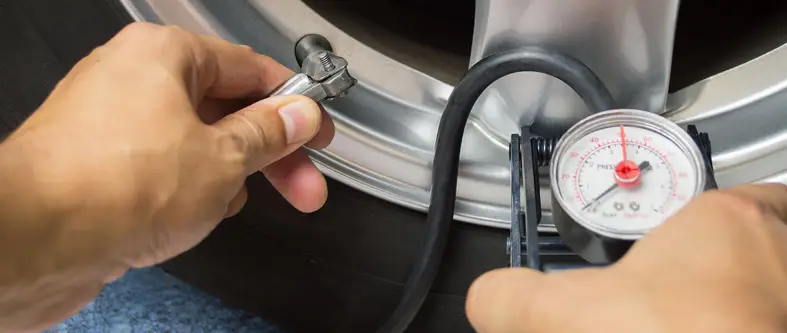
Use an air compressor or pump to add air to your tires. Inflate them to the pressure listed in your car’s manual or on the door sticker.
- Remove the valve cap from the tire.
- Press the pump nozzle onto the valve stem.
- Fill the tire with air slowly.
- Check the pressure with a gauge frequently.
- Stop inflating when the correct pressure is reached.
- Replace the valve cap securely.
Releasing Air
Let out air if your tires feel too hard or the pressure is above the recommended level. This prevents uneven wear and a rough ride.
Press the small pin inside the valve stem with a tool or your fingernail. Do this gently to avoid releasing too much air at once.
Maintaining Optimal Pressure
| Time to Check | Recommended Action |
| Monthly | Measure tire pressure with a gauge |
| Before Long Trips | Inflate tires to the correct pressure |
| After Temperature Changes | Adjust pressure as cold air lowers tire pressure |
| If Tires Look Flat | Inflate or release air as needed |
Seasonal And Driving Conditions
Your car’s tire pressure changes with the seasons and driving needs. Adjusting it helps keep your ride safe and smooth.
Check tire pressure regularly, especially when weather or driving conditions change.
Cold Weather Adjustments
Cold air makes tire pressure drop. Tires can lose 1 to 2 psi for every 10°F drop in temperature.
Drive with slightly higher tire pressure in cold weather to avoid underinflation problems.
- Check tire pressure when tires are cold
- Inflate tires to the recommended psi on the sticker or owner’s manual
- Avoid overinflating; stick to vehicle guidelines
- Check pressure more often in winter months
Hot Weather Effects
Hot weather causes air inside tires to expand. This can increase tire pressure by several psi.
Too much pressure can cause tire wear and reduce traction. Check tires on hot days to keep pressure safe.
| Temperature | Expected Tire Pressure Change |
| Below 50°F (10°C) | Pressure drops 1–2 psi per 10°F drop |
| 70°F to 90°F (21°C to 32°C) | Normal recommended tire pressure |
| Above 90°F (32°C) | Pressure rises 1–3 psi |
Off-road And Heavy Loads
Driving off-road or carrying heavy loads needs special tire pressure settings. Adjust pressure for better grip and safety.
Follow these tips for off-road or heavy load driving:
- Lower tire pressure slightly for soft or sandy terrain
- Raise tire pressure for heavy loads to avoid tire damage
- Check your vehicle’s manual for exact psi recommendations
- Reinflate tires to normal pressure after off-road trips
Credit: point-s.ca
Common Tire Pressure Myths
Tire pressure is important for your car’s safety and performance. Many people believe wrong facts about it.
This article looks at common myths about tire pressure and explains the truth behind them.
Overinflation Benefits
Some think overinflating tires helps save fuel or makes tires last longer. But this is not true.
- Overinflated tires wear out the center tread faster.
- They reduce the tire’s contact with the road, lowering grip.
- Ride becomes harsh and less comfortable for passengers.
- Risk of tire damage from road bumps increases.
Underinflation Safety
Some believe underinflated tires are safer because they feel softer. This is a myth and very risky.
| Danger | Effect |
| More heat build-up | Tire can overheat and fail |
| Increased tire wear | Edges wear out quickly |
| Poor fuel economy | Car uses more fuel |
| Reduced handling | Less control on the road |
Ignoring Pressure Checks
Many drivers skip checking tire pressure regularly. This can cause many problems.
Here are reasons to check your tire pressure often:
- Maintain proper grip and safety
- Improve fuel efficiency
- Extend tire life
- Prevent sudden tire failures
- Ensure smooth and comfortable driving

Credit: www.reddit.com
Frequently Asked Questions
What Is The Ideal Tire Pressure For My Car?
The ideal tire pressure varies by car model. Check your owner’s manual or the sticker inside the driver’s door. It usually ranges from 30 to 35 PSI for most passenger cars. Proper pressure ensures safety, fuel efficiency, and tire longevity.
How Often Should I Check My Car’s Tire Pressure?
Check your tire pressure at least once a month. Also, check before long trips or when carrying heavy loads. Tire pressure can change with temperature fluctuations. Regular checks help maintain optimal performance and prevent uneven tire wear.
Can Incorrect Tire Pressure Affect Fuel Efficiency?
Yes, low tire pressure increases rolling resistance, reducing fuel efficiency. Overinflated tires can decrease traction and cause uneven wear. Maintaining correct tire pressure improves mileage and extends tire life. It’s a simple way to save money on fuel.
Where Can I Find The Recommended Tire Pressure For My Car?
The recommended tire pressure is on a sticker inside the driver’s side door jamb. It can also be found in the car’s owner manual. Avoid using the pressure printed on the tire’s sidewall, as it indicates maximum pressure, not the recommended level.
Conclusion
Keeping your car’s tire pressure right helps your vehicle run safely and smoothly. Check the pressure regularly using a reliable gauge. Follow the numbers on your car’s door frame or manual. Proper pressure saves fuel and stops tires from wearing out fast.
Don’t let pressure drop too low or rise too high. Small steps like this can prevent big problems later. Stay safe and enjoy a better drive every time.