Are you struggling to find the perfect temperature setting for your air conditioner? You’re not alone.
Many people wonder what the ideal thermostat setting should be to balance comfort, energy efficiency, and cost. Setting the right temperature can be a game-changer for your comfort and your wallet. Imagine walking into your home and feeling that perfect, refreshing coolness without worrying about skyrocketing energy bills.
Intrigued? Keep reading to discover the optimal air conditioner temperature setting that could transform your living space and ease your mind. Your perfect indoor climate is just a few clicks away.
Ideal Temperature Settings
Setting your air conditioner to the right temperature helps keep your home comfortable. It also saves energy and lowers bills. Finding the best temperature depends on several factors.
This guide covers the ideal cooling temperature, how humidity affects settings, and tips for energy efficiency.
Recommended Temperature For Cooling
The ideal air conditioner temperature for cooling usually ranges between 72°F and 78°F (22°C to 26°C). This range keeps most people comfortable without overworking the unit.
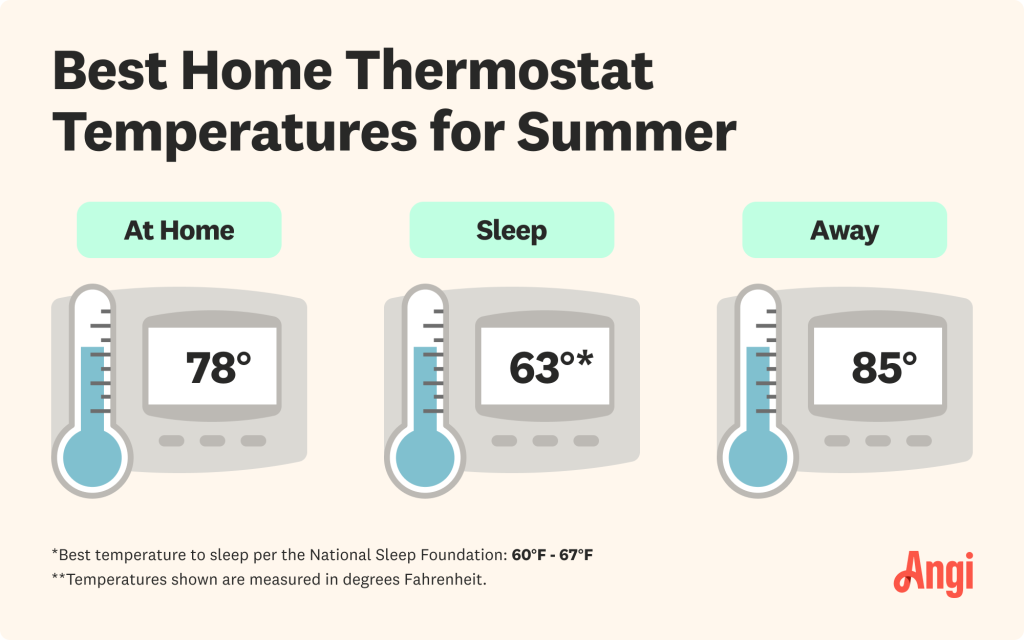
- Set 78°F (26°C) when you are home and active
- Increase to 85°F (29°C) when away to save energy
- Lower temperatures may cause higher energy use
Adjusting For Humidity Levels
High humidity makes rooms feel warmer even if the temperature is set right. Air conditioners also reduce humidity by removing moisture from the air.
| Humidity Level | Recommended AC Temperature | Notes |
| Low (below 30%) | 74°F (23°C) | Comfortable, less moisture in air |
| Moderate (30%–60%) | 76°F (24.5°C) | Balance between cool and dry |
| High (above 60%) | 72°F (22°C) | Lower temp helps reduce dampness |
Energy Efficiency Considerations
Energy use rises if the AC runs too cold or for too long. Setting a moderate temperature saves power and reduces costs.
- Use a programmable thermostat to adjust temps automatically
- Keep doors and windows closed to keep cool air inside
- Use fans to circulate air and feel cooler
- Regularly clean filters to maintain efficiency
Factors Influencing Temperature Choice
Setting the right temperature on your air conditioner depends on several factors. Understanding these can help you stay comfortable and save energy.
Each home and situation is different. The following points explain key factors to consider when choosing your air conditioner’s temperature.
Room Size And Insulation
The size of the room affects how much cooling is needed. Larger rooms need lower temperatures or stronger cooling power. Good insulation keeps cool air inside and heat outside. Poor insulation makes the air conditioner work harder.
| Room Size | Effect on Temperature Setting |
| Small | Can use a slightly higher temperature |
| Medium | Moderate temperature setting needed |
| Large | May need lower temperature or longer cooling time |
| Good Insulation | Maintains temperature longer |
| Poor Insulation | Requires lower temperature to stay cool |
Number Of Occupants
More people in a room raise the temperature because of body heat. This means you may need to set the air conditioner cooler. Fewer people allow for a higher, comfortable temperature.
- One or two people: moderate temperature setting
- Three to five people: lower temperature recommended
- More than five people: lowest temperature for comfort
Outdoor Weather Conditions
Hotter days require cooler air conditioner settings to balance the heat indoors. On cooler days, you can set the temperature higher to save energy. Humidity also plays a role in comfort.
| Weather Condition | Suggested Temperature Setting |
|---|---|
| Hot and dry | 22–24°C (72–75°F) |
| Hot and humid | 20–22°C (68–72°F) |
| Cool or mild | 24–26°C (75–79°F) |
Temperature Settings For Different Rooms
Setting the right temperature for each room helps keep your home comfortable. Different rooms need different settings based on their use and time spent in them.
Adjusting the air conditioner temperature for each space can save energy and improve your comfort. Let’s look at ideal temperatures for common rooms.
Living Room Comfort
The living room is where families gather and guests stay. It needs a temperature that feels pleasant for many people.
- Set the air conditioner to around 72°F (22°C) for general comfort.
- Use fans to circulate air and help keep the space cool.
- Adjust the temperature slightly cooler if many people are present.
Bedroom Temperature Tips
Bedrooms need cooler temperatures to help you sleep well. A good setting supports deep rest and reduces night sweats.
| Time of Night | Recommended Temperature |
| Before Sleep | 74°F (23°C) |
| During Sleep | 68°F (20°C) |
| Early Morning | 70°F (21°C) |
Office And Workspace Settings
Work areas need a balanced temperature to keep you alert and productive. Too hot or cold can reduce focus.
Try these tips for your office or workspace:
- Set the AC between 70°F and 73°F (21°C to 23°C).
- Keep air flowing with a small desk fan if needed.
- Wear light layers to adjust your comfort easily.

Credit: www.reddit.com
Seasonal Adjustments
Setting the right air conditioner temperature changes with the seasons. Adjusting your AC helps save energy and keeps you comfortable.
Knowing how to set your air conditioner temperature for each season can lower bills and improve home comfort.
Summer Cooling Strategies
In summer, keep your air conditioner set between 75°F and 78°F. This range cools your home well without using too much energy.
Use fans to help circulate cool air. Close curtains during the hottest part of the day to block sunlight.
- Set AC to 75°F–78°F for comfort and savings
- Use fans to spread cool air
- Close curtains to reduce heat from the sun
Transitioning To Spring And Fall
Spring and fall have mild temperatures. Set your AC around 78°F to avoid overcooling your home.
Use your air conditioner only when needed. Open windows for fresh air on cooler days.
- Set AC to about 78°F during mild weather
- Turn off AC when outdoor air is cool
- Open windows to save energy
Preparing For Winter
In winter, you may not need the air conditioner. Keep it off or set it to a higher temperature like 80°F if your unit also dehumidifies.
Make sure your heating system is ready and vents are open for warm air circulation.
- Turn off AC or set to 80°F if used for dehumidifying
- Check heating system before winter starts
- Keep vents open for warm air flow
Smart Thermostat Benefits
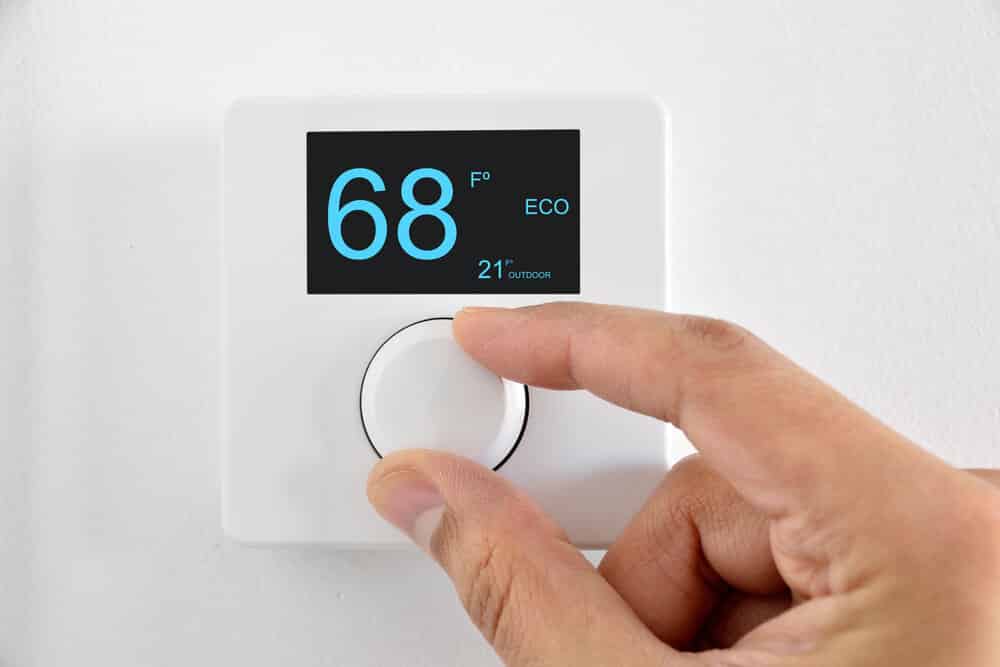
Setting the right air conditioner temperature helps save energy and keeps you comfortable. Smart thermostats make this easier.
These devices learn your habits and adjust settings automatically. They offer many useful features that improve your home’s cooling system.
Automated Temperature Control
Smart thermostats adjust the temperature without you lifting a finger. They use sensors to know when you are home or away.
This keeps your home cool only when needed. The thermostat changes settings based on weather and time of day.
Remote Access And Scheduling
You can control a smart thermostat from your phone. This lets you change the temperature from anywhere.
Scheduling features let you set cooling times ahead. You can plan for when you wake up or come back home.
- Turn AC on before you arrive
- Set cooler temps during the day
- Save energy when no one is home
Energy Savings With Smart Tech
Smart thermostats help reduce electric bills by using energy wisely. They avoid running the AC too much.
They also provide reports on your energy use. This helps you see where to save more money.
- Adjust temperature to avoid waste
- Use data to improve cooling habits
- Lower your home’s energy footprint
Credit: fischerheating.com
Common Mistakes To Avoid
Setting the right air conditioner temperature saves energy and keeps you comfortable. Many people make simple mistakes that waste power or reduce cooling.
Knowing what to avoid helps your AC work better and last longer. Here are common errors to watch out for.
Setting Too Low Temperatures
Setting your AC temperature too low does not cool your home faster. It makes the system work harder and wastes energy.
Most experts say 24-26°C (75-78°F) is comfortable and efficient. Going lower can cause high electricity bills and wear out your AC.
- Low settings increase power use
- AC runs longer and ages faster
- Too cold air can make you feel sick
Ignoring Maintenance Needs
Not cleaning or servicing your AC causes poor cooling and higher energy use. Dust and dirt block airflow and damage parts.
Replace filters regularly and schedule yearly checks. Proper care keeps your AC efficient and extends its life.
- Dirty filters reduce airflow
- Clogged coils lower cooling power
- Unnoticed leaks waste energy
Overreliance On Ac Without Ventilation
Using AC without fresh air leads to stuffy rooms and poor air quality. Proper ventilation helps remove indoor pollutants.
Open windows or use fans with AC to keep air fresh. Good airflow supports health and comfort.
- Stale air causes headaches and tiredness
- Ventilation reduces humidity and odors
- Helps AC cool more evenly
Tips For Enhancing Ac Efficiency
Setting your air conditioner to the right temperature saves energy and keeps your home comfortable. Small actions can improve how well your AC works. These tips help lower energy costs and extend your AC’s life.
Focus on simple habits like cleaning filters, improving airflow, and using fans. These steps help your system cool better without extra power use.
Regular Filter Cleaning
Dirty filters block airflow and make your AC work harder. Clean or replace filters every month or two during heavy use.
- Check filters monthly for dust and debris.
- Use a vacuum or wash reusable filters with water.
- Replace disposable filters as recommended by the manufacturer.
- Keep spare filters on hand for quick changes.
Optimizing Airflow
Good airflow helps cool air reach all rooms evenly. Blocked vents and closed doors reduce AC efficiency.
| Tip | Why It Helps |
| Keep vents open | Allows air to flow freely |
| Use window coverings | Blocks heat from sunlight |
| Seal leaks around windows | Prevents cool air from escaping |
| Keep doors open between rooms | Improves air circulation |
Using Fans In Conjunction
Fans help spread cool air and reduce AC workload. Use ceiling or portable fans to improve comfort.
Here are fan use tips:
- Run ceiling fans counterclockwise to push air down.
- Turn off fans when you leave a room to save energy.
- Use fans with the AC to allow higher temperature settings.
Credit: heatable.co.uk
Frequently Asked Questions
What Is The Ideal Air Conditioner Temperature Setting?
The ideal AC temperature is typically 78°F (25. 5°C) when you’re home. It balances comfort and energy efficiency, helping reduce electricity bills.
How Does Temperature Setting Affect Energy Consumption?
Lower temperatures increase energy use, raising costs. Setting your AC to 78°F saves energy while maintaining comfort during summer.
Should I Adjust Ac Temperature When Away?
Yes, raise the temperature to around 85°F (29. 5°C) when away. It reduces energy consumption without risking home damage.
Can Temperature Settings Impact Ac Lifespan?
Constantly setting very low temperatures strains the AC unit. Maintaining moderate temperatures like 78°F helps prolong your air conditioner’s lifespan.
Conclusion
Setting the right air conditioner temperature saves energy and money. Aim for around 78°F (25-26°C) during hot days. This keeps your home cool without wasting power. Adjust a little if you feel too cold or warm. Remember, using fans can help spread cool air better.
Keep doors and windows closed for best results. Small changes make a big difference in comfort and bills. Choose a temperature that feels good and stays efficient. Your air conditioner works best when you find the right balance.