Are you wondering what temperature your air conditioner should be set at to keep your home comfortable without wasting energy? Setting your AC just right can save you money, help the environment, and keep you feeling cool all day long.
But with so many opinions out there, it’s easy to get confused. This guide will clear things up and show you exactly how to find the perfect balance between comfort and efficiency. Keep reading to discover smart tips that make your air conditioner work better for you.
Ideal Temperature Range
Setting your air conditioner to the right temperature helps save energy and stay comfortable. The ideal range depends on the time of day and season.
Knowing how to adjust your AC settings can make a big difference in your home’s cooling and your electricity bill.
Daytime Settings
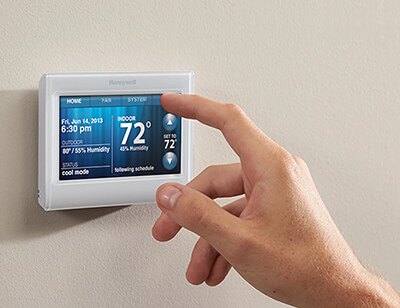
During the day, your air conditioner should keep the room cool without using too much power. The recommended temperature is usually between 74°F and 78°F.
- Set the temperature at 78°F when at home and active.
- Use fans to help circulate air and feel cooler.
- Avoid setting temperatures lower than 74°F to save energy.
Nighttime Adjustments
At night, your body cools down naturally. You can raise the thermostat a bit to save energy and still stay comfortable.
| Time | Recommended Temperature |
| Before Sleep | 75°F – 77°F |
| During Sleep | 78°F – 80°F |
| Early Morning | 74°F – 76°F |
Seasonal Variations
Season changes affect how you should set your air conditioner. Summer needs cooler settings, while spring and fall allow warmer temperatures.
Here is a simple guide for seasonal AC temperature settings:
- Spring & Fall:76°F to 80°F
- Summer:74°F to 78°F
- Winter (if using AC for heating):68°F to 72°F
Credit: gulfshorecooling.com
Energy Efficiency Tips
Setting your air conditioner correctly saves energy and lowers bills. Small changes to your thermostat and AC use help the environment.
Learn how to keep your home cool without wasting power. Use these tips for better comfort and efficiency.
Optimal Thermostat Settings
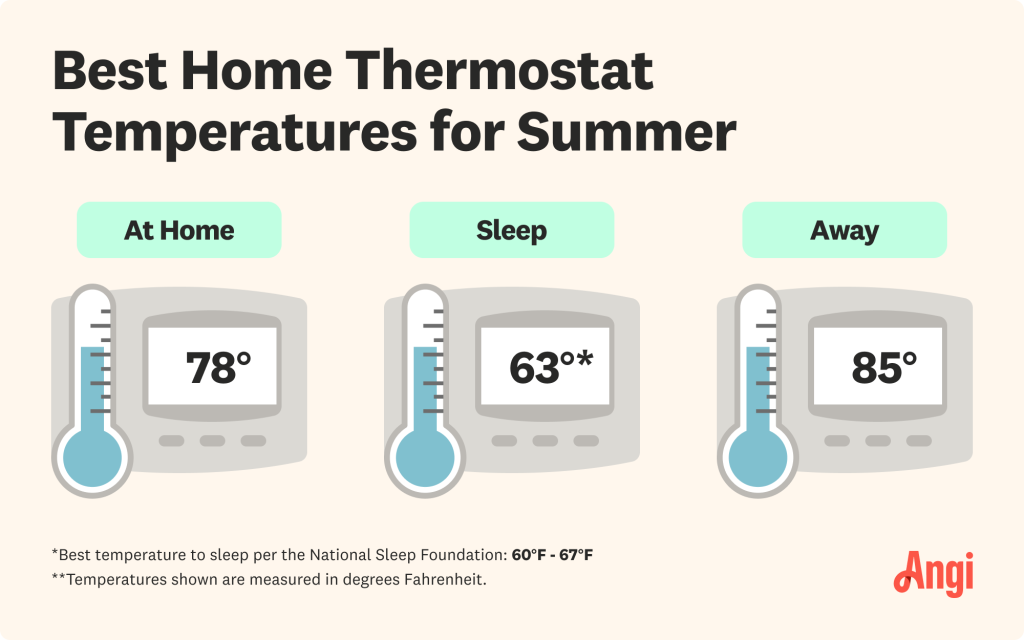
Set your thermostat at 78°F (26°C) when you are home. This temperature balances comfort and energy use well.
Raise the temperature by a few degrees when you leave the house. This reduces energy waste while keeping your space cool enough.
- Keep thermostat at 78°F when home
- Set to 85°F or higher when away
- Use fans to help air flow
- Avoid setting temperature too low
- Close curtains to block sunlight
Using Programmable Thermostats
Programmable thermostats adjust temperatures automatically. They save energy by cooling only when needed.
| Time | Temperature Setting |
| Day (home) | 78°F (26°C) |
| Day (away) | 85°F (29°C) |
| Night | 78°F (26°C) |
Set your thermostat to cool less during work or sleep hours. This keeps your home comfortable and uses less power.
Maintaining Your Ac Unit
Clean and check your AC regularly. A well-maintained unit runs better and uses less energy.
Maintenance Checklist
- Replace or clean filters every 1-3 months
- Clear debris around the outdoor unit
- Inspect and clean evaporator and condenser coils
- Check refrigerant levels and fix leaks
- Schedule professional AC tune-up yearly
Balancing Comfort And Savings
Setting your air conditioner right helps you stay cool and save money. The right temperature keeps your home comfy without raising energy bills too much.
Finding a balance between comfort and savings is key. You want to avoid setting your AC too low or too high.
Impact Of Temperature On Energy Bills
The temperature you set affects how much energy your air conditioner uses. Lower temperatures make your AC run longer, raising costs.
Raising the thermostat a few degrees can lower your energy bill a lot. Each degree higher saves about 3% to 5% on cooling costs.
- Setting AC below 72°F uses more energy.
- 72°F to 78°F is a good range for savings and comfort.
- Above 78°F can save money but may feel warm.
Smart Thermostat Benefits
Smart thermostats help keep your home comfortable and save energy. They learn your schedule and adjust the temperature automatically.
These devices can lower the AC use when you are away. They also provide reports to help you track energy use.
- Adjusts temperature based on your habits
- Reduces cooling when no one is home
- Saves money by avoiding overcooling
- Allows remote control via phone apps
Personal Comfort Factors
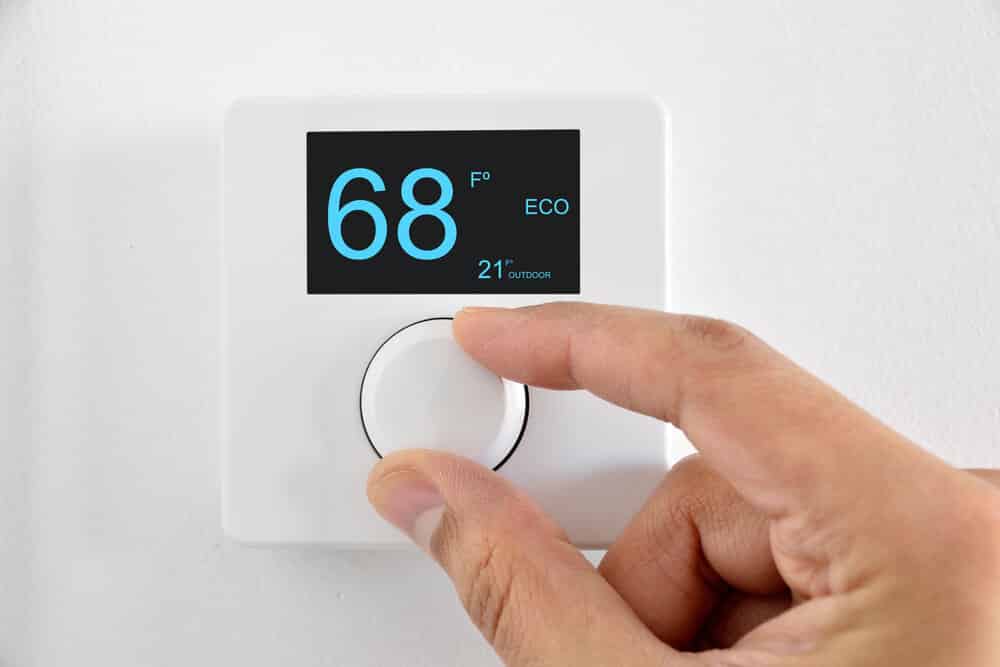
Comfort varies from person to person. Some like it cooler, others prefer warmer air. Your activity level also affects how cold you feel.
Humidity, clothing, and room size change comfort too. Adjust your thermostat based on these factors for best results.
- Higher humidity makes cooler temps feel warmer
- Light clothing needs cooler air
- Active people may want lower temperatures
- Large rooms cool slower than small rooms
Credit: fischerheating.com
Common Mistakes To Avoid
Setting your air conditioner correctly helps save energy and keeps you comfortable. Many people make simple mistakes that cause higher bills or less cooling.
Learn about common errors to avoid. This guide covers setting temperatures, maintenance, and usage habits.
Setting Too Low Temperatures
Setting your air conditioner to very low temperatures wastes energy. It also makes the system work harder, which can shorten its life.
- Choose a comfortable temperature between 75°F and 78°F.
- Avoid setting the thermostat below 70°F.
- Use a fan to help cool the room instead of lowering temperature.
- Remember, a few degrees difference saves a lot of power.
Ignoring Maintenance
Skipping regular maintenance lowers your air conditioner’s efficiency. Dirty filters and clogged coils reduce airflow and cooling power.
| Maintenance Task | Frequency |
| Clean or replace air filters | Every 1-3 months |
| Inspect and clean coils | Yearly |
| Check refrigerant levels | Yearly |
| Clear debris from outdoor unit | Monthly |
Overusing Air Conditioning
Running your air conditioner all day wastes energy and can cause wear. It is best to use it wisely and combine with other cooling methods.
Tips to avoid overusing your AC:
- Set timers to turn off the AC when not needed.
- Close curtains during hot hours to block sunlight.
- Use ceiling or portable fans to circulate air.
- Open windows when outside air is cooler.
Alternative Cooling Methods
Setting your air conditioner to the right temperature is important. You can also use other ways to cool your home. These methods help save energy and keep you comfortable.
Fans, shading, insulation, and humidity control all work well with air conditioning. They reduce the need to lower the AC temperature too much.
Fans And Ventilation
Fans help move air around your home. This makes you feel cooler without changing the air temperature. Ventilation removes hot air and brings in fresh air.
- Use ceiling fans to create a breeze indoors.
- Place box fans near windows in the evening to pull in cooler air.
- Use exhaust fans in kitchens and bathrooms to remove warm air.
- Open windows early in the morning and late at night for fresh air.
Shading And Insulation
Shading blocks sunlight and heat from entering your home. Insulation keeps cool air inside and hot air outside. Both reduce the workload of your air conditioner.
| Method | Benefit |
| Window Shades | Block direct sunlight during the day |
| Plant Trees | Provide natural shade and cool the air |
| Wall and Roof Insulation | Maintain indoor temperature longer |
| Reflective Window Film | Reduce heat gain through windows |
Humidity Control
High humidity makes the air feel hotter. Lowering humidity helps you feel cooler without changing the temperature. Use these ways to control moisture.
- Use a dehumidifier to remove excess moisture.
- Fix leaks and seal cracks to stop damp air from entering.
- Ventilate bathrooms and kitchens to reduce humidity build-up.
- Avoid drying clothes indoors where it raises humidity.
Credit: heatable.co.uk
Frequently Asked Questions
What Is The Ideal Temperature For Air Conditioners?
The ideal air conditioner setting is typically 78°F (25. 5°C) when you are home. This balances comfort and energy efficiency. Setting it higher saves energy but may reduce comfort. Adjust slightly based on humidity and personal preference.
How Does Temperature Setting Affect Energy Bills?
Lowering your AC temperature increases electricity use and costs. Setting it around 78°F reduces energy consumption. Each degree cooler can raise bills by 3-5%. Using a programmable thermostat helps manage settings and save money.
Should I Change Ac Settings When Away?
Yes, raise the thermostat by 5-8 degrees when away. This prevents unnecessary cooling and lowers energy bills. Smart thermostats can automate these adjustments for convenience and savings.
Can Temperature Settings Impact Ac Lifespan?
Yes, extreme low settings strain the AC system. Keeping the thermostat moderate reduces wear and tear. Proper maintenance and balanced settings help extend your air conditioner’s life.
Conclusion
Setting your air conditioner correctly saves energy and money. Aim for comfortable temperatures. Try 78°F (25°C) when you’re home. Increase it when you’re away. Doing this helps reduce electricity bills. Also, it prolongs your AC’s lifespan. Remember to adjust settings seasonally.
Use fans to boost cooling efficiency. Consider smart thermostats for easier management. They offer convenience and accuracy. Keep your home well-insulated. It ensures better temperature control. Regular maintenance is essential. Clean filters and vents often. This improves air quality and performance.
Finding the right setting balances comfort and cost. Enjoy a cool, efficient home environment.