Are you wondering what temperature your air conditioner should be set on to keep your home comfortable without sending your energy bill through the roof? You’re not alone.
Finding the perfect balance between staying cool and saving money can feel tricky. But what if you could easily adjust your AC to the ideal setting that keeps you comfortable, saves energy, and helps your unit run smoothly? Keep reading, because the answer might be simpler than you think—and it could make a big difference in your comfort and your wallet.
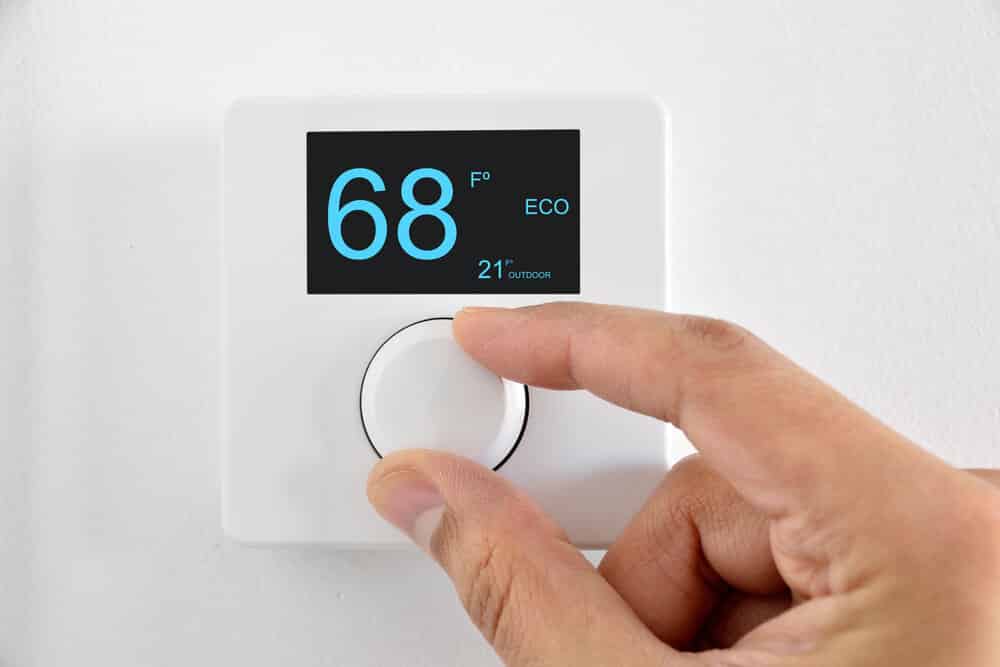
Credit: fischerheating.com
Ideal Temperature Range
Setting your air conditioner to the right temperature saves energy and keeps you comfortable. The ideal range varies by time and season.
Finding the right temperature can help reduce bills and keep your home cozy.
Daytime Settings
During the day, aim for a temperature that balances comfort and efficiency. Most people feel good between 72°F and 78°F.
- Set the AC to around 75°F for normal activity.
- Use higher settings when no one is home to save power.
- Close blinds to reduce heat from sunlight.
Nighttime Adjustments
At night, cooler air helps you sleep better. Lower the temperature slightly for comfort.
| Time | Recommended Temperature (°F) |
|---|---|
| Evening | 72 – 75 |
| During Sleep | 68 – 72 |
| Early Morning | 70 – 74 |
Seasonal Variations
Adjust your AC settings as seasons change. Warmer months need cooler air, while milder months need less cooling.
Try these seasonal temperature ranges for best results:
- Summer:74°F to 78°F
- Spring and Fall:76°F to 80°F
- Winter (if cooling is needed):78°F to 82°F

Credit: www.reddit.com
Energy Efficiency Tips
Setting your air conditioner properly saves energy and lowers your bills. The right temperature keeps your home comfortable and uses less power.
Small changes in settings and habits can make a big difference. Learn how to balance comfort with energy savings.
Balancing Comfort And Savings
Set your air conditioner to 78°F (25.5°C) when you are home. This temperature feels cool but saves energy.
Raise the temperature by a few degrees when you leave. This reduces energy use without making your home too hot.
- 78°F is a good balance for comfort and cost
- Each degree higher can save about 3% energy
- Use fans to help stay cool at higher temps
Using Programmable Thermostats
Programmable thermostats adjust the temperature automatically. They save energy by changing settings when you are away or asleep.
Set your thermostat to higher temperatures during the day if no one is home. Lower it before you return to keep your home comfortable.
- Set different temperatures for day and night
- Use vacation mode for long absences
- Easy to program and saves money
Maintenance For Optimal Performance
Keep your air conditioner clean and well maintained. Dirty filters and blocked vents make it work harder and use more energy.
Check and replace filters every 1-3 months. Clean coils and clear debris around the unit to improve airflow.
- Replace air filters regularly
- Clean condenser coils yearly
- Keep outdoor unit free of leaves and dirt
- Schedule professional tune-ups annually
Health Considerations
Setting your air conditioner affects your health in many ways. Proper settings can keep you comfortable and safe.
We will look at avoiding overcooling, controlling humidity, and improving air quality for better health.
Avoiding Overcooling
Too cold air can cause headaches, dry skin, and worsen colds. It can also make muscles stiff.
Experts suggest setting your air conditioner between 75°F and 78°F (24°C and 26°C) for health and comfort.
Humidity Control
Humidity affects how comfortable and healthy your home feels. Too much or too little moisture can cause problems.
- Keep indoor humidity between 30% and 50%.
- Use a humidifier if air is too dry.
- Use a dehumidifier if air is too moist.
- Proper humidity helps prevent mold and dust mites.
Allergy And Air Quality
Air conditioners can affect allergies by filtering air or spreading dust and pollen.
| Tip | Why It Helps |
| Clean or replace filters monthly | Removes dust and allergens |
| Keep vents clean | Prevents mold growth |
| Use HEPA filters if possible | Captures tiny particles |
| Run AC on “fan only” sometimes | Circulates fresh air |
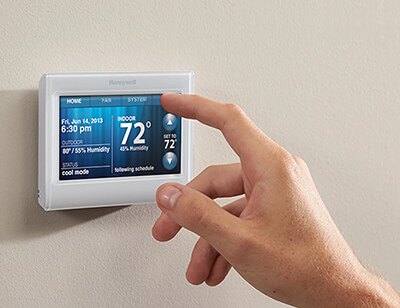
Credit: gulfshorecooling.com
Smart Thermostat Benefits
Setting your air conditioner to the right temperature saves energy and money. A smart thermostat helps with this by learning your habits and making adjustments.
These devices give you control and useful information to keep your home comfortable and efficient.
Learning Your Preferences
Smart thermostats watch how you set the temperature each day. They learn your favorite settings for different times.
This means the thermostat adjusts automatically without needing your input all the time. It keeps your home comfy and saves energy by not cooling too much.
Remote Control Features
You can change your thermostat settings from anywhere using a smartphone app. This is helpful if you forget to adjust before leaving home.
Remote control lets you cool your home before you arrive or turn off the AC when you are away.
- Adjust temperature on the go
- Save energy by turning off when not home
- Keep your home comfortable before you arrive
Energy Usage Reports
Smart thermostats provide reports on how much energy you use. These reports help you see when your AC uses the most power.
You can use this information to change your settings and save money on your energy bills.
- Track daily and monthly energy use
- Spot high usage times
- Adjust settings to reduce costs
Common Mistakes To Avoid
Setting your air conditioner correctly helps save energy and keeps you comfortable. Many people make simple mistakes that waste power and reduce cooling.
Learn about common errors to avoid for better cooling and lower bills.
Setting Too Low Temperatures
Setting your air conditioner too low uses extra energy. It makes your unit work harder and wear out faster.
Choose a comfortable but moderate temperature, like 24-26°C (75-78°F). This saves power and keeps your home cool.
Ignoring Regular Maintenance
Skipping maintenance causes poor AC performance. Dirty filters and coils reduce airflow and cooling power.
Clean or replace filters every 1-3 months. Check coils and clear debris to keep your AC running well.
- Dirty filters block air flow
- Clogged coils reduce cooling
- Neglected parts wear out faster
Overlooking Airflow Issues
Poor airflow makes your AC less effective. Blocked vents or closed doors stop cool air from spreading.
Keep vents open and clean. Make sure nothing blocks air from reaching all rooms.
Frequently Asked Questions
What Temperature Should I Set My Air Conditioner?
Set your air conditioner between 75°F and 78°F for optimal comfort and energy efficiency. This range balances cooling with lower electricity costs, keeping your home comfortable without overworking the unit.
How Does Ac Temperature Affect Energy Bills?
Lower AC temperatures increase energy consumption, raising your electricity bill. Setting the thermostat higher saves energy and reduces costs while maintaining comfort, especially during moderate heat.
Can Setting Ac Too Low Cause Damage?
Yes, setting the AC too low can strain the compressor. This leads to higher wear and potential breakdowns, reducing the unit’s lifespan and increasing repair costs.
Is It Better To Keep Ac Constant Or Adjust?
Keeping the AC at a consistent temperature is more efficient. Frequent changes force the system to work harder, increasing energy use and wear on the unit over time.
Conclusion
Setting your air conditioner correctly saves energy and money. It also ensures comfort for everyone at home. During summer, aim for 78°F when you’re home. This keeps rooms cool without high energy bills. Adjust settings higher when you’re away to save more.
At night, consider setting it slightly cooler for better sleep. Each home is different, so adjust based on your needs. Regular maintenance boosts efficiency and lifespan. Consider programmable thermostats for easy control. Balance comfort with cost for the best results.