Have you ever pulled your favorite shirt out of the laundry only to find it suddenly too small? You’re not alone.
Many people wonder whether it’s the washer or the dryer that actually shrinks clothes. Understanding what really causes this frustrating problem can save you time, money, and your wardrobe. You’ll discover the surprising truth behind shrinking clothes and simple tips to keep your garments looking their best.
Keep reading to make sure your clothes fit perfectly every time.
How Clothes Shrink
Clothes can shrink after washing and drying. Shrinkage changes the size and fit of your clothes.
Shrinking happens because of fabric type, heat, moisture, and movement in the washer or dryer.
Fabric Fibers And Shrinkage
Different fabric fibers shrink in different ways. Natural fibers like cotton shrink more than synthetic fibers.
Wool and cotton fibers can pull closer together when washed, making clothes smaller.
- Cotton shrinks easily because it absorbs water well.
- Wool shrinks due to its fiber structure tightening.
- Polyester and nylon shrink less because they resist water absorption.
Heat And Moisture Effects
Heat from washers and dryers causes fibers to contract and shrink. Moisture makes fibers swell and then tighten as they dry.
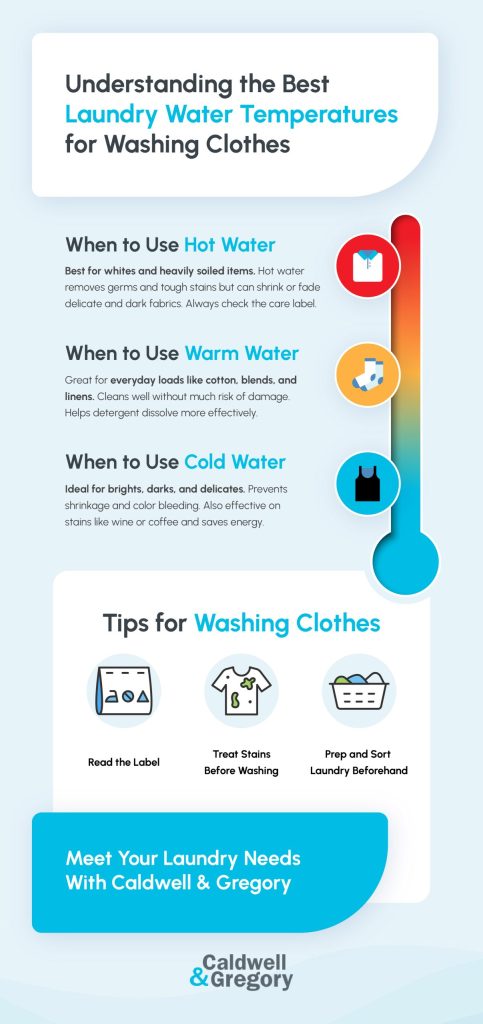
High temperatures increase shrinkage. Hot water and hot dryer settings are the main causes of shrinking clothes.
- Hot water makes fibers swell and then shrink when drying.
- Dryers use heat that shrinks fibers faster than washing alone.
- Cold water and air drying reduce shrinkage risk.
Mechanical Action Impact
Washing machines and dryers move clothes a lot. This movement can make fibers pull tighter and shrink.
Agitation in the washer and tumbling in the dryer cause fibers to compress and change shape.
- Strong agitation shrinks natural fibers more.
- Tumbling in dryers compresses fibers quickly.
- Gentle cycles and low spin reduce shrinkage.

Credit: www.1news.co.nz
Washer’s Role In Shrinking
Clothes often shrink after washing and drying. Many people wonder if the washer or dryer causes the shrinkage.
The washer plays a big part in shrinking clothes. Its temperature, movement, and spinning affect fabric size.
Water Temperature Influence
Hot water can cause fibers to tighten and shrink. Cold water is gentler and less likely to shrink clothes.
- Hot water opens fibers, making them shrink when drying.
- Cold water keeps fibers stable and reduces shrinkage.
- Warm water is a middle ground but can still cause some shrinking.
Agitation And Stretching
The washer’s agitation moves clothes around to clean them. This motion can stretch or tighten fabric.
| Type of Fabric | Effect of Agitation |
| Cotton | Tends to shrink due to tightening fibers |
| Wool | May felt and shrink more with rough agitation |
| Synthetic | Usually resists shrinking and stretching |
Spin Cycle Effects
The spin cycle removes water by spinning clothes fast. It can also affect fabric size.
Spin cycle impact:
- Fast spins may stretch clothes out of shape.
- Slow spins keep clothes closer to original size.
- Over-spinning can cause fabric damage and shrinkage later.
Dryer’s Role In Shrinking
Clothes can shrink after washing and drying. The dryer plays a big part in this shrinking process. It uses heat and movement to dry clothes fast.
Understanding how the dryer causes shrinking helps you keep your clothes the right size. Let’s look at the main ways dryers affect fabric.
Heat Intensity And Duration
High heat in the dryer can cause clothes to shrink. The longer clothes stay in hot air, the more they shrink. Some fabrics shrink faster with heat than others.
Using lower heat or shorter drying times can reduce shrinking. Heat makes fibers tighten and pull together, which shrinks the fabric.
- High heat shrinks clothes more
- Long drying time increases shrinkage
- Lower heat helps keep original size
Tumble Action
The dryer tumbles clothes to dry them evenly. This movement can also cause shrinkage. The constant rubbing and twisting make fibers contract.
Gentle tumble cycles reduce shrinking. Rough or heavy tumbling may damage fabric and make it smaller.
- Strong tumbling shrinks clothes more
- Gentle cycles protect fabric size
- Less tumbling means less fiber stress
Fabric Sensitivity To Drying
Some fabrics shrink more than others in the dryer. Cotton and wool are very sensitive to heat and movement. Synthetic fabrics like polyester shrink less.
Knowing your fabric type helps you choose the right dryer settings. Sensitive fabrics need low heat and gentle tumble to avoid shrinking.
- Cotton and wool shrink easily
- Polyester and nylon shrink less
- Check fabric care labels before drying
Fabric Types And Shrinkage Risk
Shrinking clothes can happen in the washer or dryer. The risk depends on the fabric type.
Some fabrics shrink more easily, while others hold their size. Learn how different fabrics react to heat and water.
Cotton And Natural Fibers
Cotton and natural fibers like wool and linen often shrink in the washer and dryer. Heat and moisture cause the fibers to tighten.
- Cotton shrinks mostly from hot water and high dryer heat.
- Wool shrinks easily in warm water and dryer heat because it felts.
- Linen may shrink but less than cotton or wool.
Synthetic Fibers
Synthetic fibers like polyester, nylon, and acrylic resist shrinking. They keep their shape well.
These fabrics shrink less because they do not absorb much water. Dryer heat can damage them but rarely causes shrinkage.
Blended Fabrics
| Blend Type | Shrinkage Risk | Care Tips |
|---|---|---|
| Cotton-Polyester | Low to Medium | Wash cold, tumble dry low |
| Wool-Acrylic | Medium | Hand wash or dry clean |
| Linen-Cotton | Medium to High | Wash cold, air dry |
Preventing Shrinkage
Clothes can shrink in the washer or dryer if you are not careful. Using the right methods helps keep your clothes the same size.
This guide covers washing, drying, and alternative ways to dry clothes to avoid shrinkage.
Proper Washing Techniques
Washing clothes with care is the first step to stop shrinkage. Always check the care label on your clothes before washing.
- Use cold or warm water instead of hot water
- Choose a gentle or delicate wash cycle
- Avoid overloading the washing machine
- Use mild detergent to protect fabric fibers
- Turn clothes inside out to reduce friction
Safe Drying Practices
Drying clothes incorrectly can cause more shrinkage than washing. Use low heat or air dry whenever possible.
| Drying Method | Heat Level | Risk of Shrinkage |
| Tumble Dry | High Heat | High |
| Tumble Dry | Low Heat | Low |
| Air Dry | No Heat | None |
| Flat Dry | No Heat | None |
Alternative Drying Methods
Some drying methods reduce shrinkage better than others. Try these options to keep clothes safe.
Tips for Alternative Drying:
- Use a drying rack to air dry clothes indoors
- Lay sweaters flat on a clean towel to keep shape
- Hang clothes outside to dry in the shade
- Use a fan to speed up air drying without heat
.jpg?wid=1200&fmt=webp)
Credit: www.whirlpool.ca
Repairing Shrunk Clothes
Clothes can shrink in the wash or dryer, changing their fit. Thankfully, there are methods to bring them back to size. This guide will help you repair shrunken garments.
Explore different techniques to restore your clothes. Stretching wet garments, using steam and heat, and seeking professional solutions can help you fix your favorite outfits.
Stretching Wet Garments
Wet clothes can be stretched back to their original size. This method is simple and can be done at home.
- Fill a basin with lukewarm water and add a gentle conditioner.
- Soak the garment for 30 minutes to relax fibers.
- Gently stretch the fabric while it’s damp.
- Lay flat to air dry, stretching occasionally.
Using Steam And Heat
Steam and heat can also help reshape clothes. This method requires care to avoid further shrinking.
Set your iron to steam mode and hover over the garment. Do not press directly. Use a towel to guide the fabric as you gently pull and stretch it into shape.
Professional Solutions
When home remedies don’t work, professional help is an option. Tailors and dry cleaners have tools and expertise to help.
| Service | Benefit |
| Tailor | Custom adjustments |
| Dry Cleaner | Safe cleaning and stretching |
Credit: www.apparelnbags.com
Frequently Asked Questions
Does The Washer Shrink Clothes More Than The Dryer?
The dryer usually causes more shrinkage due to heat and tumbling. Washers use water and agitation, which rarely shrink fabric unless hot water is used. High heat in the dryer tightens fibers, leading to noticeable shrinkage, especially in natural fabrics like cotton.
Can Cold Water Washing Prevent Clothes From Shrinking?
Yes, cold water washing minimizes shrinkage by reducing fiber contraction. Hot water can cause fibers to swell and shrink. Using cold water maintains fabric size and color, making it a safer choice for delicate or shrink-prone garments.
How Does Dryer Heat Affect Clothing Size?
Dryer heat causes fibers to contract, shrinking clothes. High temperatures tighten fabric threads, reducing garment size. Using lower heat or air drying can prevent this shrinkage and extend the lifespan of your clothes.
Are Certain Fabrics More Prone To Shrinking In Washer Or Dryer?
Natural fibers like cotton and wool shrink more in dryers due to heat. Synthetic fabrics resist shrinkage but can be damaged by high heat. Always check care labels to prevent unwanted shrinking based on fabric type.
Conclusion
Both washers and dryers can shrink clothes, but dryers cause more shrinkage. Heat from the dryer tightens fabric fibers quickly. Washers use water and movement, which can also shrink clothes slightly. To keep clothes fitting well, use cold water and low heat.
Air drying helps avoid shrinking altogether. Understanding how each machine affects clothes helps you care for them better. Choose settings carefully to protect your favorite garments. Shrinking won’t ruin your wardrobe if you follow simple steps. Small changes make a big difference in clothing care.