Have you ever pulled your favorite shirt out of the dryer only to find it’s suddenly too small? It’s frustrating, right?
You might be wondering, what actually causes clothes to shrink—your washer or your dryer? Understanding this can save you from ruining your best outfits and wasting money on replacements. You’ll discover the surprising truth about what really shrinks your clothes and simple tips to keep your wardrobe looking just right.
Keep reading—you’ll never look at laundry the same way again!
Why Clothes Shrink
Clothes shrinking can be frustrating. It happens when fabric changes size after washing or drying. Different factors cause clothes to shrink.
Knowing why clothes shrink helps you care for your garments better. This guide explains the main causes of shrinking.
Fabric Types Prone To Shrinking
Some fabrics shrink more than others. Natural fibers usually shrink more than synthetic ones. Cotton, wool, and linen are common fabrics that shrink easily.
- Cotton: Shrinks because fibers relax and tighten with heat and water.
- Wool: Shrinks due to its scales locking together when agitated.
- Linen: Shrinks as its fibers swell and then contract.
- Synthetic fabrics like polyester usually resist shrinking.
Heat And Water Effects
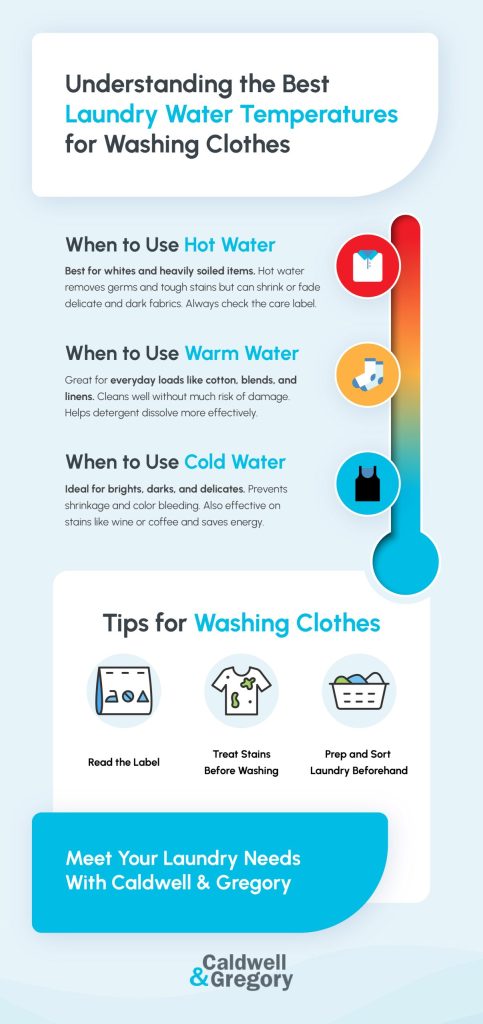
Heat and water cause fibers to swell and then tighten. Hot water and high dryer heat are common shrinking triggers. Cold water and low heat reduce shrinking risk.
| Factor | Effect on Shrinking |
| Hot Water | Fibers swell and tighten, causing shrinkage |
| High Dryer Heat | Heat shrinks fibers quickly |
| Cold Water | Less swelling, less shrinkage |
| Air Drying | No heat, minimal shrinkage |
Mechanical Action Impact
Mechanical action means the movement inside the washer or dryer. Agitation and tumbling can pull and squeeze fibers. This causes the fabric to tighten and shrink.
Common mechanical actions that cause shrinking:
- Washing machine agitation
- Dryer tumbling
- Rubbing or stretching during washing
Washer’s Role In Shrinking
Many people wonder if washers or dryers shrink clothes more. The washer plays a big role in shrinking. It uses water and movement that can change fabric size.
Understanding how washers affect clothes helps you avoid unwanted shrinking. Water temperature, spin speed, and load size all matter.
Water Temperature Choices
Hot water can cause fabrics to shrink faster. It breaks down fibers and tightens them. Cold water is gentler and helps keep clothes their size.
Choosing the right water temperature protects your clothes from shrinking. Use cold or warm water for delicate or shrink-prone fabrics.
- Hot water shrinks cotton and wool easily
- Warm water may shrink some fabrics slightly
- Cold water helps keep clothes size stable
Spin Cycle Intensity
The spin cycle removes water by spinning clothes fast. High spin speeds can stretch or compress fibers. This may lead to shrinking or misshaping.
Lower spin speeds are safer for sensitive fabrics. They reduce stress on the fibers and lower shrink risk.
- High spin can tighten fibers causing shrinkage
- Low spin protects fabric shape and size
- Choose spin speed based on fabric type
Overloading Effects
Putting too many clothes in the washer causes problems. Overloading stops water and detergent from reaching clothes evenly. It also increases friction between garments.
This friction can damage fibers and cause shrinking. Washing smaller loads lets clothes move freely and clean well.
- Overloading increases fabric friction
- Friction can shrink or damage clothes
- Wash smaller loads to avoid shrinking
Dryer’s Role In Shrinking
The dryer can cause clothes to shrink more than the washer. Heat and motion inside the dryer affect fabric fibers. Knowing how the dryer works helps prevent unwanted shrinking.
Different factors like heat settings and drying time change how much clothes shrink. Using dryer balls and understanding risks also matters. Let’s explore these topics.
Heat Settings And Duration
High heat shrinks clothes faster because it tightens fabric fibers. Long drying times add more heat exposure and increase shrinking risk. Always check care labels for the best settings.
| Heat Level | Effect on Clothes |
| High Heat | Quick shrinking and possible damage |
| Medium Heat | Moderate shrink risk with balanced drying |
| Low Heat | Least shrinking; safer for delicate fabrics |
| No Heat / Air Dry | No shrinking; safest for all fabrics |
Tumble Drying Risks
Tumble drying moves clothes around inside the drum. This rubbing can cause fibers to break or shrink. Overdrying also makes clothes stiff and smaller.
- Overdrying can shrink clothes more than normal
- Delicate fabrics may lose shape or size
- Excess heat breaks down fibers
- Mixing heavy and light fabrics increases wear
Using Dryer Balls
Dryer balls help separate clothes and improve air flow. They reduce drying time and lower heat exposure. This can lessen shrinkage risks and soften fabrics.
- Shorten drying time
- Reduce static cling
- Protect fabric fibers
- Help prevent shrinking

Credit: www.1news.co.nz
Common Mistakes To Avoid
Shrinking clothes in the washer or dryer is a frequent problem. Many people do not realize what causes it. Avoiding some common mistakes can keep your clothes fitting well.
Learning how to handle your laundry properly helps prevent damage. Read on to see three common errors and how to avoid them.
Ignoring Care Labels
Care labels give important washing and drying instructions. Ignoring these labels can cause shrinkage and fabric damage. Always check the label before washing.
- Look for water temperature limits
- Check if the item should be tumble dried or air dried
- Follow any special washing instructions like hand wash only
- Note fabric type to adjust washing cycle
Mixing Fabric Types
Different fabrics shrink differently. Mixing heavy fabrics like denim with light fabrics like cotton can cause uneven shrinkage. Separate laundry by fabric type.
| Fabric Type | Recommended Wash | Drying Method |
| Cotton | Warm or cold water | Low heat or air dry |
| Wool | Cold water, gentle cycle | Flat dry only |
| Denim | Cold water | Low heat tumble dry |
| Synthetics | Cold water | Low heat tumble dry |
Skipping Pre-wash Checks
Not checking clothes before washing can lead to shrinkage. Pre-wash checks help spot potential issues. Always do these checks before starting the washer.
- Check for stains and treat them
- Close zippers and buttons to prevent stretching
- Turn clothes inside out to protect fabric
- Remove items that can bleed color
Tips To Prevent Shrinking
Shrinking clothes in the washer or dryer can ruin your favorite items. Using the right methods helps keep clothes their original size. This guide shares simple tips to avoid shrinking.
Follow easy habits like choosing proper settings and drying methods. Proper storage also keeps garments safe and fresh for longer.
Choosing The Right Settings
Many clothes shrink because of heat or rough washing cycles. Using the right washer and dryer settings protects fabric fibers.
- Set the washer to cold water for delicate fabrics.
- Choose a gentle cycle to reduce fabric stress.
- Use low heat or air fluff on the dryer to avoid shrinking.
- Avoid overloading machines to ensure even cleaning and drying.
Air Drying Alternatives
Air drying is a safe way to prevent shrinking. It uses no heat and puts less stress on fabric.
| Method | Description | Best For |
| Flat Drying | Lay clothes flat on a clean surface to dry. | Sweaters, knits |
| Hanging Dry | Use hangers or a drying rack to hang clothes. | Shirts, dresses |
| Outdoor Line | Hang clothes outside in shade for fresh air drying. | Most fabrics |
Proper Garment Storage
Storing clothes properly keeps their shape and size intact. Avoid cramming or folding in tight spaces.
- Use padded hangers for delicate tops to prevent stretching.
- Fold heavy sweaters to avoid hanger marks and stretching.
- Store clothes in a cool, dry place to prevent moisture damage.
- Keep garments away from direct sunlight to avoid fading and weakening fibers.
.jpg?wid=1200&fmt=webp)
Credit: www.whirlpool.ca
Credit: www.whirlpool.com
Frequently Asked Questions
Does The Washer Shrink Clothes More Than The Dryer?
The dryer typically causes more shrinking due to heat exposure. Washers use water and agitation, which rarely shrink clothes unless hot water is involved. High heat in dryers tightens fabric fibers, leading to noticeable shrinkage.
Can Cold Water Washing Prevent Clothes From Shrinking?
Yes, washing clothes in cold water helps prevent shrinking. Cold water maintains fabric integrity by avoiding heat stress. It’s especially important for delicate and natural fibers like cotton and wool.
Why Do Dryers Cause Clothes To Shrink?
Dryers use high heat to evaporate moisture, which tightens fabric fibers. This heat causes the fibers to contract, leading to shrinkage. Overdrying increases shrinkage risk, especially for natural fabrics.
Does Fabric Type Affect Shrinking In Washer Or Dryer?
Yes, natural fibers like cotton and wool shrink more than synthetics. Synthetic fabrics resist heat and water shrinkage better. Always check care labels to avoid damage during washing and drying.
Conclusion
Clothes shrink mostly from dryers, not washers. Heat causes fibers to tighten and shrink fabric. Washers use water and motion, which rarely shrink clothes. Choosing cold water and gentle cycles helps protect clothes. Air drying avoids heat and keeps clothes their size.
Knowing this helps you care for clothes better. Keep your favorite clothes safe by drying them carefully. Shrinking can be avoided with simple washing and drying tips.