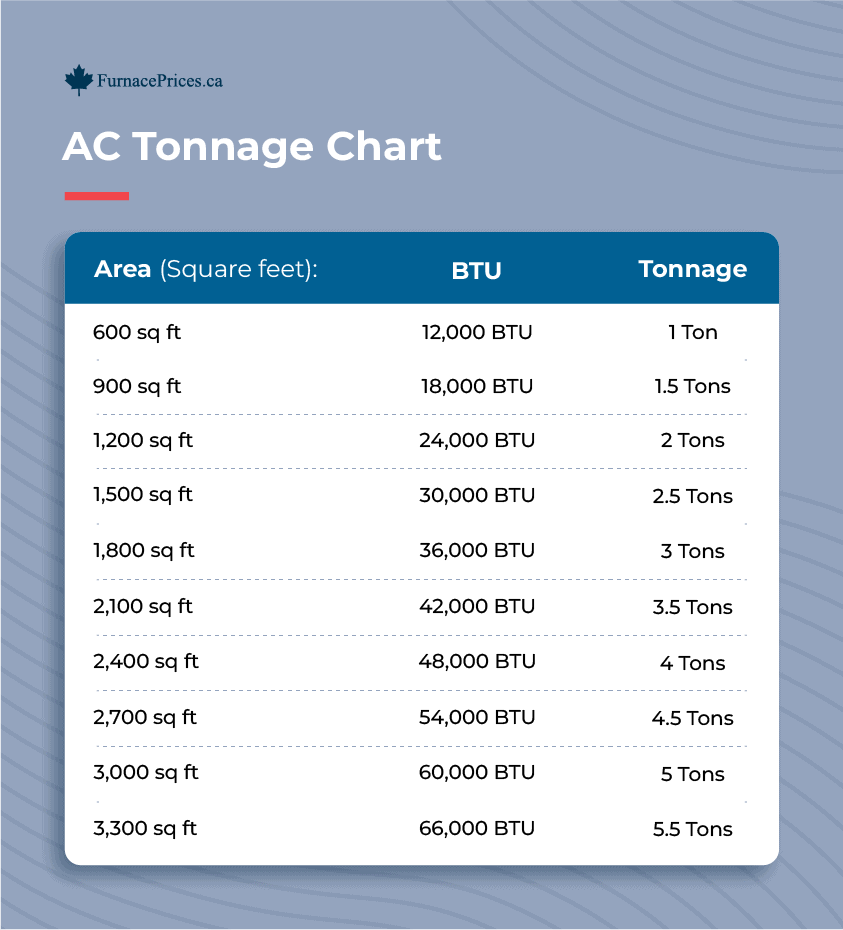
Are you tired of feeling too hot or wasting money on an air conditioner that just isn’t right for your space? Choosing the right size air conditioner is more important than you might think.
If it’s too small, your room won’t cool properly. If it’s too big, you’ll spend more on energy bills and face other problems. You need an air conditioner that fits your needs perfectly. Keep reading, and you’ll discover exactly how to find the perfect size for your home or office—so you stay cool, comfortable, and save money at the same time.
Factors Affecting Ac Size
Room dimensionsaffect AC size because bigger rooms need more cooling power. Measure length, width, and multiply to get square footage.
Ceiling heightmatters too. Higher ceilings mean more air volume. That needs stronger AC units.
Rooms with more sunlight exposureheat up faster. South and west-facing windows add warmth. This increases cooling needs.
Insulation qualitykeeps cool air inside. Poor insulation means AC works harder and needs more capacity.
The number of occupantsadds heat. More people in a room raise temperature. This requires a bigger AC unit.
Appliances and electronics also generate heat. Kitchens and offices may need larger ACs due to this extra heat source.
Credit: lynnswinnipeg.ca
Types Of Air Conditioners
Window unitsare small air conditioners that fit in a window. They cool one room well and are easy to install. These units are usually cheaper and good for small spaces.
Split systemshave two parts: one outside and one inside. They cool larger areas quietly and save energy. These are popular for homes and small offices.
Portable ACscan be moved from room to room. They need a hose to push hot air outside. Great for renters or rooms without windows.
Central air conditioningcools the whole house through ducts. It keeps air even in every room. This system costs more but is very effective for large homes.
Calculating Cooling Capacity
Calculating cooling capacity helps find the right air conditioner size for your space. Measure your room’s square footage and consider factors like insulation and sunlight. Proper sizing ensures efficient cooling and saves energy.
Btu Basics
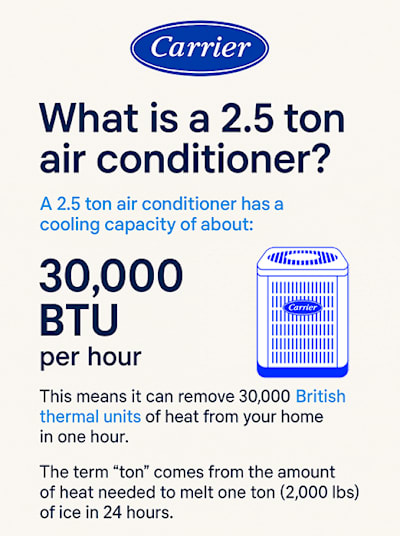
BTUstands for British Thermal Unit. It measures the amount of heat an air conditioner can remove in one hour. The higher the BTU, the more cooling power the unit has. Choosing the right BTU is important to keep your room cool without wasting energy.
Square Footage Method
Calculate your room size by multiplying length by width to get square feet. For every 500 square feet, you need about 6,000 BTUs. For example, a 1,000 square feet room needs around 12,000 BTUs. This method gives a quick estimate of cooling needs.
Adjusting For Room Features
- Sunny rooms need 10% more BTUs.
- Rooms with many people require extra cooling, add 600 BTUs per person.
- Rooms with high ceilings may need more powerful units.
- Well-insulated rooms may need less cooling power.
Credit: www.carrier.com
Common Sizing Mistakes
Oversizing an air conditionercauses frequent on and off cycles. This wastes energy and wears out the system fast. Rooms cool quickly but humidity stays high, making the space feel damp. Oversized units also cost more upfront and use more power.
Undersizing an air conditionermeans it runs nonstop trying to cool the space. This leads to higher bills and poor comfort. The unit may never reach the desired temperature. It also wears out sooner because it works too hard.
- Oversized units: waste energy, poor humidity control, high cost
- Undersized units: constant running, high bills, poor cooling
- Right size: saves money, keeps comfort balanced, lasts longer
Energy Efficiency And Cost
SEER ratingsshow how well an air conditioner saves energy. Higher SEER means better efficiency. This helps lower energy useand saves money over time. Most new units have SEER ratings from 13 to 21.
Utility billsdepend on the air conditioner’s size and efficiency. Bigger units cool faster but use more power. A unit with a good SEER rating costs less to run. Choosing the right size and SEER can cut bills.
- Local incentivescan reduce your AC purchase cost.
- Some states offer rebatesfor high-efficiency units.
- Check government and utility websites for offers.

Credit: www.warmzilla.co.uk
Installation Tips
Proper placementof your air conditioner affects its efficiency. Choose a spot away from direct sunlight and heat sources. Place it near a window or outside wall for better air flow. Ensure there is enough space around the unit for air to circulate freely. Avoid blocking vents or placing furniture close by. This helps the unit cool the room faster and saves energy.
Professional vs DIYinstallation matters. Professionals know how to size and place the unit correctly. They handle wiring and refrigerant safely. DIY can be cheaper but may cause problems if done wrong. Mistakes can reduce cooling power or cause damage. Professionals often offer warranties for their work, giving peace of mind.
- Clean filtersregularly to keep air flow steady.
- Check for leaksto prevent energy loss.
- Clear debrisfrom outside units to avoid blockages.
- Schedule yearly maintenancewith a technician.
Special Considerations
Cooling multiple rooms needs more power than a single room. Choose an air conditioner that can handle the total space. Ductless mini-split systems work well for multi-room cooling. They let you control each room separately. This saves energy and keeps everyone comfortable.
Climate affects the size of air conditioner needed. Hot and humid areas need bigger units. Cooler climates might need smaller ones. Think about how hot your region gets in summer. This helps pick the right size for your home.
| Smart Thermostats | Benefits |
|---|---|
| Energy Savings | Adjust temperature automatically to save power. |
| Remote Control | Control your AC from anywhere using apps. |
| Comfort | Keep your home at the perfect temperature. |
Frequently Asked Questions
How Do I Calculate The Right Ac Size?
To calculate the right AC size, consider the room’s square footage. Use 20 BTUs per square foot as a guideline. Additionally, factor in ceiling height, sunlight exposure, and insulation for accuracy.
What Happens If My Ac Is Too Small?
An undersized AC will struggle to cool your space effectively. It may run continuously, increasing energy costs and reducing lifespan. Comfort levels might not be achieved, leading to dissatisfaction.
Is A Larger Ac Unit More Efficient?
A larger AC isn’t always more efficient. Oversized units cool quickly but don’t dehumidify properly. This leads to a cold, clammy environment and increased energy consumption due to frequent cycling.
Can I Use A Btu Calculator Online?
Yes, online BTU calculators are useful for estimating AC size. Input room dimensions, insulation, and sunlight exposure for accurate results. Always verify with a professional for the best fit.
Conclusion
Choosing the right air conditioner size matters a lot. A unit too small won’t cool well. Too big wastes energy and money. Measure your room size first. Think about ceiling height and sun exposure. Check the climate in your area.
Use these facts to pick the best size. This helps keep your home comfortable. It also saves energy and lowers bills. Take time to find the right fit. Your comfort depends on it. Simple steps lead to better cooling results.