
Choosing the right air conditioner size for your 1000 square feet space can make all the difference in comfort and energy bills. If your AC is too small, it will struggle to cool your home efficiently.
Too big, and it will waste energy and leave your rooms feeling damp. You want a cool, fresh home without overspending. You’ll discover exactly what size air conditioner fits your space perfectly. Keep reading to make a smart choice that keeps you comfortable all year long.
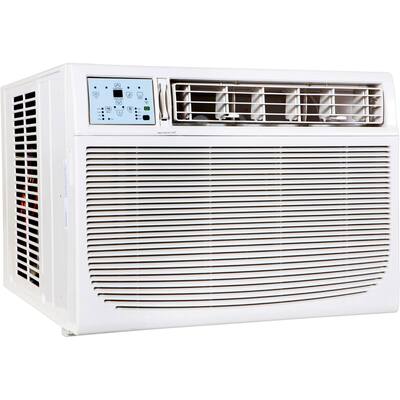
Credit: www.bestbuy.com
Choosing The Right Ac Size
Choosing the right air conditioner size is very important for a 1000 square feet room. The correct size keeps the room cool and saves energy. Too small an AC will run all the time but not cool well. Too big an AC will cool fast but waste energy and cause humidity problems. The right size means a balance between cooling powerand energy use.
Here are some consequences of wrong size:
- Too small AC:Poor cooling, higher electricity bills, more wear and tear.
- Too big AC:Short cycles, higher humidity, uncomfortable room temperature.
- More repairs and shorter lifespan for the AC unit.
- Unnecessary energy waste and increased costs.
Calculating Cooling Capacity
BTUstands for British Thermal Unit. It measures how much heat an air conditioner can remove.
For a 1000 square feetspace, the cooling power needed is about 20,000 to 24,000 BTUs. This depends on factors like ceiling height, sun exposure, and insulation.
Here is a simple guide for BTU needs by space size:
| Area (Square Feet) | BTU Needed |
|---|---|
| 500 | 10,000 – 12,000 |
| 1000 | 20,000 – 24,000 |
| 1500 | 30,000 – 36,000 |
Choosing the right BTU helps save energy and keeps rooms comfortable.
Factors Affecting Ac Size
Room height and layoutchange how cool air moves. Taller rooms need more cooling power. Open spaces cool easier than small, divided rooms.
Insulation and windowsaffect cooling needs. Good insulation keeps cool air inside. Large windows or poor insulation mean more energy is needed to cool.
Climate and sun exposureare key factors. Hot, sunny areas require stronger air conditioners. Cooler, shaded places need less cooling power.
Occupants and appliancesadd heat to a room. More people or machines increase cooling demands. This means a larger air conditioner might be necessary.

Credit: www.lowes.com
Types Of Air Conditioners
Window unitsare small and fit in a window opening. They cool one room well and cost less upfront. Easy to install and remove for summer use.
Split systemshave two parts: one inside, one outside. They cool multiple rooms quietly and efficiently. More expensive but save energy.
Portable ACsmove on wheels and cool one room. No installation needed but less powerful. Good for renters or short-term use.
Central air systemscool the whole house with ducts. They keep temperature even everywhere. Higher cost but best for big spaces.
Energy Efficiency Tips
SEER Ratingsmeasure how well an air conditioner saves energy. Higher SEER means better efficiency. Choose units with SEER of 14 or more to save money.
Energy Star Modelsmeet strict energy-saving rules. These models use less power but cool well. Look for the Energy Star label to reduce bills.
Proper Maintenancekeeps your AC running smoothly. Clean or replace filters every 1-3 months. Clear debris from outside units. Check for leaks and fix them fast.
Credit: www.walmart.com
Installation Considerations
Professional installationensures the air conditioner works well and lasts longer. Experts know how to handle electrical and refrigerant connections safely. DIY installationsaves money but risks mistakes that can cause poor cooling or damage.
Place the unit where it gets good airflow and is away from direct sunlight. Avoid spots near heat sources like ovens or lamps. Make sure the outdoor unit has space around it for air to flow freely.
Ductwork must be the right size to carry cooled air efficiently. Poor ductwork leads to air leaks and energy waste. Sealed and insulated ducts keep air cool and save energy.
Cost Estimates
The price of air conditioner unitsfor 1000 square feet usually ranges from $300 to $1200. Smaller units cost less, but larger or energy-efficient models are pricier. Brands and features also affect the cost.
Installation feesvary based on complexity and location. Expect to pay between $200 and $600. Some installers include this price in the unit cost.
| Cost Type | Price Range | Notes |
|---|---|---|
| Unit Prices | $300 – $1200 | Depends on size and brand |
| Installation Costs | $200 – $600 | Varies by complexity |
| Operating Expenses | $50 – $150 per year | Energy use and rates affect cost |
Operating costs depend on electricity prices and usage. Higher efficiency units lower expenses. Regular maintenance helps keep costs down.
Frequently Asked Questions
What Btu Rating Is Ideal For 1000 Square Feet?
For a 1000 square feet area, an air conditioner with a BTU rating of 18,000 is generally recommended. This size efficiently cools the space without overworking the unit. Ensure to consider factors like ceiling height and sunlight exposure for optimal performance.
How Do I Calculate Ac Size For My Home?
To calculate the AC size, measure the area in square feet and multiply by 18-25 BTU. This gives a rough estimate of the needed BTU rating. Consider factors like insulation and window size for a more accurate calculation.
Does Room Height Affect Ac Size Needed?
Yes, room height impacts the AC size required. Higher ceilings mean more air volume to cool, requiring a larger unit. For standard 8-foot ceilings, the usual BTU calculation suffices. For higher ceilings, increase BTU capacity by 10-20%.
What Happens If Ac Is Too Large?
An oversized AC unit cools quickly but won’t dehumidify properly, leading to a clammy feeling. It also cycles on and off frequently, wasting energy and increasing wear. Always choose the right size for efficiency and comfort.
Conclusion
Choosing the right air conditioner size matters for comfort and savings. A 1000 square feet space usually needs a unit with 18,000 to 24,000 BTUs. Smaller units may not cool well, while bigger ones waste energy. Think about your room’s insulation, sunlight, and number of people too.
Proper sizing helps your AC run efficiently and last longer. Take your time to measure and choose carefully. Enjoy cool air without high bills or discomfort.