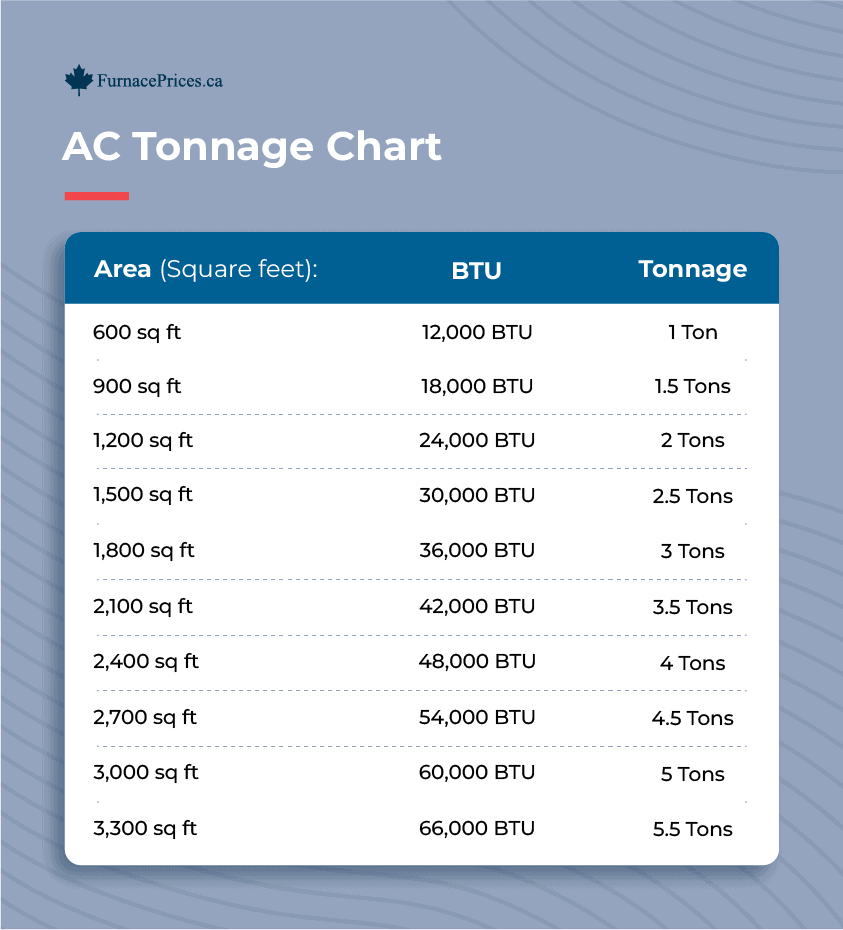
Choosing the right air conditioner size for your 1700 square feet space can feel confusing. Too small, and your room won’t cool properly.
Too big, and you’ll waste energy and money. You want a system that keeps your home comfortable without driving up your bills. You’ll discover exactly what size air conditioner fits your space perfectly. By the end, you’ll know how to make a smart choice that saves you hassle and keeps you cool all year long.
Keep reading to get the answers you need!
Factors Affecting Ac Size
The size of an air conditionerdepends on many factors. Room dimensions and layoutaffect how cool the space will feel. Large rooms or open spaces need bigger units. Small rooms with many walls might need less power.
Insulation and ventilationplay a big role too. Well-insulated rooms keep cool air inside longer. Poor insulation means the AC works harder to cool the room. Good ventilation helps air flow, making cooling easier.
Climate and weather conditionsalso matter. Hot and humid places need stronger AC units. Cooler or dry climates might not need as much power.
The number of occupantsin the room raises the temperature. More people produce more heat. This means the AC needs more cooling power to keep the room comfortable.

Credit: thefurnaceoutlet.com
Calculating Btu Requirements
BTU stands for British Thermal Unit. It measures energy. Air conditioners use BTUs to cool spaces. A higher BTU means more cooling power. For 1700 square feet, understanding BTUs is key.
Each square foot needs about 20 BTUs. For 1700 square feet, you need around 34,000 BTUs. This calculation helps choose the right air conditioner.
Homes with lots of sun need more BTUs. Add 10% if your home is sunny. Shade reduces BTU needs by 10%. Consider these factors for accuracy.
Extra heat sources affect BTU needs. Cooking appliances add heat. More people in a room increase heat too. Always account for these when selecting an air conditioner.
Choosing The Right Ac Unit
Choosing the right air conditioner size depends on the square footageof your space. For 1700 square feet, a unit with 24,000 to 27,000 BTUsis usually ideal. Different types of air conditionerssuit different needs and budgets.
- Window units: Good for single rooms, easy to install.
- Split systems: Quiet, efficient, cool multiple rooms.
- Central air: Best for whole-house cooling, more costly.
| Feature | Details |
|---|---|
| Energy Efficiency Ratings (SEER) | Higher SEER means lower energy bills. Look for 14 or above. |
| Noise Levels | Measured in decibels (dB). Quieter units have 50 dB or less. |
| Extra Features | Timers, remote control, and air filters improve comfort and ease. |
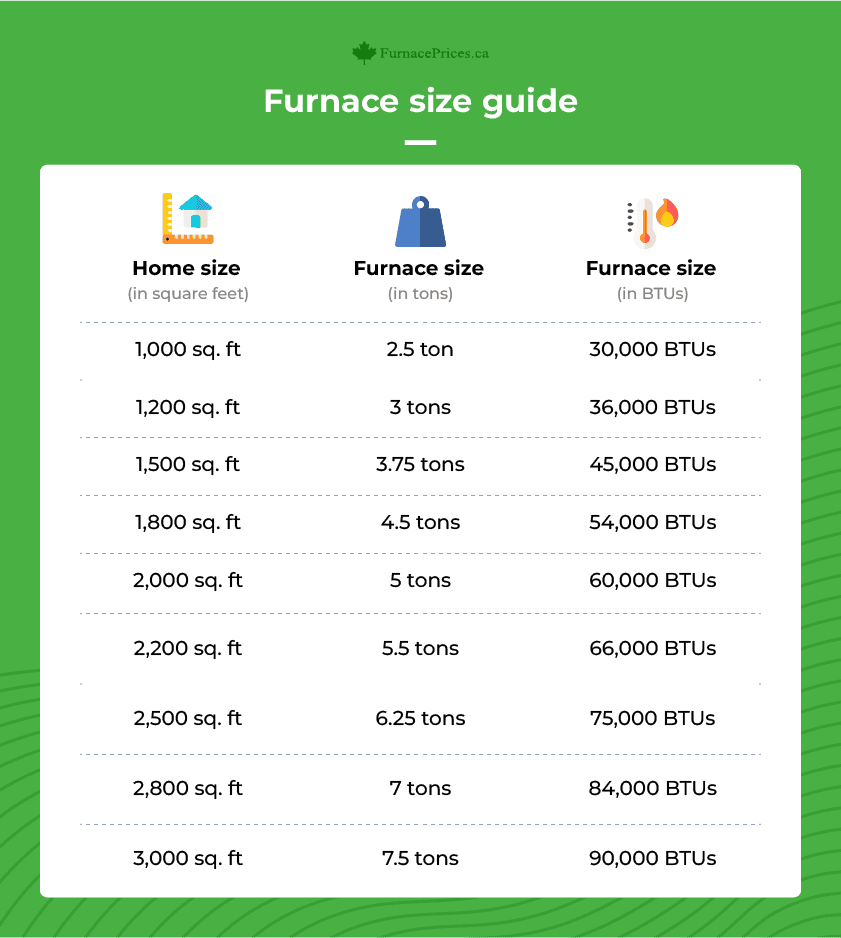
Credit: www.furnaceprices.ca
Installation Tips For 1700 Sq Ft Homes
Proper placementof the air conditioner is key for effective cooling. Place the unit in a shaded areato reduce heat exposure. Avoid spots near windows or direct sunlight. The unit should have enough spacearound for good air flow.
Ductwork considerationsare important for homes with central AC. Make sure ducts are well sealed and insulated. Leaky ducts waste cool air and increase energy bills. Check for any blockages or damage before installation.
Professional vs DIY installationdepends on your skills and tools. Hiring a professional ensures correct sizing and setup. DIY might save money but risks poor performance or damage. Safety is important when handling electrical parts and refrigerants.
Maintenance For Optimal Performance
Cleaning and replacing air filters keeps air flow strong. Dirty filters make the system work harder. This raises energy bills and shortens the AC’s life. Check filters every month. Change them every 1-3 months for best results.
Regular system checks catch small problems early. Look for strange noises, weak airflow, or leaks. Clear debris around outdoor units. Ensure vents and ducts stay clean and open. These steps keep the AC running smoothly.
- Check thermostat settings for accuracy.
- Listen for unusual sounds from the unit.
- Look for water leaks near the indoor unit.
- Make sure the outdoor unit is clear of leaves and dirt.
Common issues include poor cooling or strange smells. Dirty coils reduce cooling power. Clean coils yearly or hire a pro. If the AC freezes, turn it off and call a technician. Small fixes now avoid big repairs later.

Credit: www.dhontario.com
Energy Saving Strategies
Setting your thermostatto a higher temperature in summer saves energy. Keep it around 78°Fwhen you are home. Raise it when away or at night. This reduces cooling costs without losing comfort.
Sealing leaksand adding insulation keep cool air inside. Check windows, doors, and attic spaces. Use weatherstripping or caulk to close gaps. Proper insulation stops warm air from entering your home.
Fans and ventilationhelp move air and cool the room. Use ceiling fans to create a breeze. Exhaust fans in kitchens and bathrooms remove hot air. This lowers the need for air conditioning.
Frequently Asked Questions
What Size Ac Is Ideal For 1700 Square Feet?
A 2. 5 to 3-ton air conditioner suits 1700 square feet. It efficiently cools the space without wasting energy or causing uneven temperatures.
How To Calculate Ac Size For 1700 Sq Ft?
Multiply square footage by 20 BTUs per square foot. For 1700 sq ft, 34,000 BTUs or about 3 tons is ideal for cooling.
Can A Smaller Ac Cool 1700 Square Feet?
A smaller AC may struggle and overwork. It leads to higher energy bills and uneven cooling in a 1700 sq ft area.
Does Insulation Affect Ac Size For 1700 Sq Ft?
Yes, good insulation reduces cooling load. Better insulation may allow a slightly smaller AC, saving energy while maintaining comfort.
Conclusion
Choosing the right air conditioner size matters for comfort and savings. A 1700 square feet space usually needs a unit with 18,000 to 24,000 BTUs. This size cools the area well without wasting energy. Picking the correct AC helps avoid high bills and uneven cooling.
Think about your room layout and sun exposure too. Proper sizing means better air flow and less wear on your system. Stay cool and save money with the right air conditioner choice.