
Choosing the right air conditioner size for your 2000 square foot home is crucial. If your AC is too small, it will struggle to cool your space, leaving you uncomfortable and driving up energy bills.
On the other hand, an oversized unit can waste money and cause humidity problems. You want a system that keeps your home cool efficiently and reliably. You’ll discover exactly how to find the perfect air conditioner size for your home.
Keep reading to make sure your next cooling system is just right—no guesswork, no wasted money.
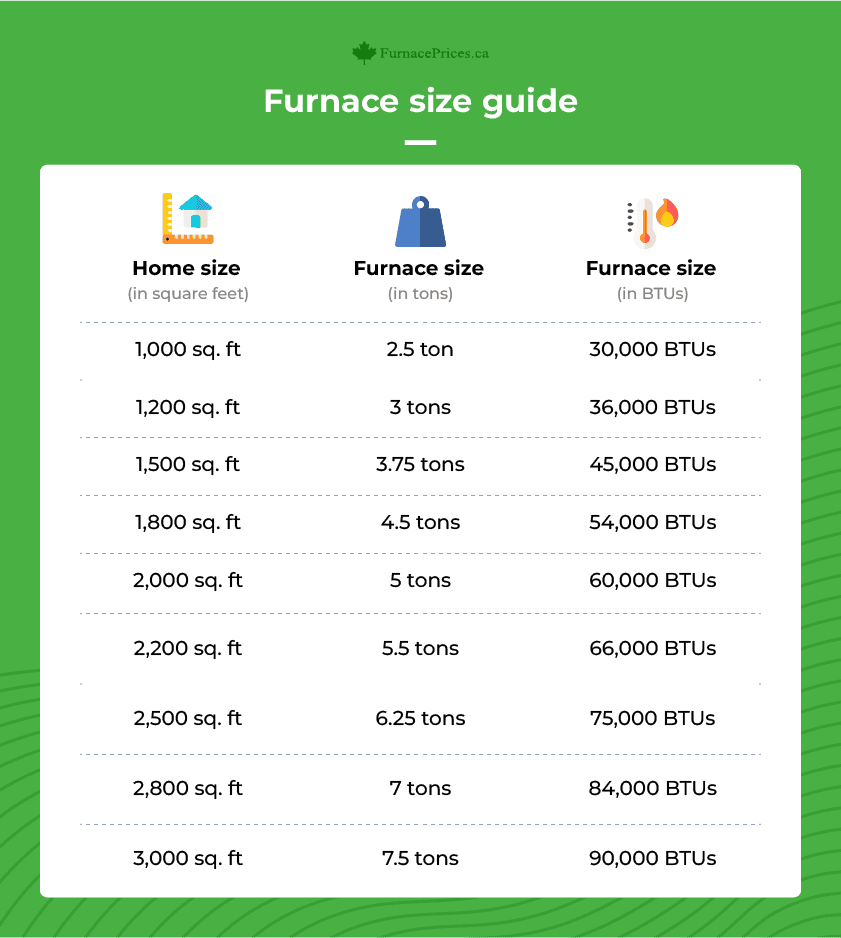
Credit: www.furnaceprices.ca
Factors Affecting Air Conditioner Size
Choosing the right air conditioner size for a 2000 square foot home is important. A unit that is too big or small will not cool well or save energy.
Several factors affect the size of the air conditioner you need. These include climate, insulation, windows, doors, and ceiling height.
Climate Considerations
The climate where you live changes the cooling needs. Hotter places need bigger air conditioners to keep the home cool.
Humidity also plays a role. High humidity makes the air feel warmer, so your air conditioner works harder.
- Hot, dry climates need more cooling power
- Humid climates require units that remove moisture
- Mild climates may need smaller units
Home Insulation Levels
Good insulation helps keep the cold air inside. Poor insulation lets warm air in, so the air conditioner must work harder.
Homes with thick walls and attic insulation need less cooling power than poorly insulated homes.
- Well-insulated homes keep cool air longer
- Insulation reduces energy use
- Check insulation in walls, attic, and floors
Window And Door Quality
Windows and doors let heat into your home. Old or single-pane windows let in more heat than new double-pane ones.
Seals around doors and windows also affect cooling. Gaps allow hot air to enter and cold air to escape.
- Double-pane windows reduce heat gain
- Tight seals on doors and windows save energy
- Consider window shading to lower heat
Ceiling Height Impact
Taller ceilings mean more air volume to cool. A home with high ceilings needs a larger air conditioner.
Standard ceiling height is about 8 feet. If your ceilings are higher, add cooling capacity to match.
- 8-foot ceilings are standard for sizing
- Higher ceilings increase cooling load
- Adjust unit size for ceiling height
Btu Requirements For 2000 Square Feet
Choosing the right air conditioner size is important for comfort. BTU, or British Thermal Unit, helps measure cooling power.
This guide explains how to find the right BTU for a 2000 square foot home. It covers basic calculations and key adjustments.
Btu Calculation Basics
To cool a 2000 square foot home, start with a base BTU estimate. Usually, 20 BTUs per square foot is a good rule.
- 2000 sq ft × 20 BTU = 40,000 BTU
- This amount cools the space under normal conditions
- Adjustments may be needed for special cases
Adjustments For High Ceilings
High ceilings increase room volume, needing more cooling power. Add 10% BTU for every foot above 8 feet ceiling height.
| Ceiling Height | BTU Increase |
| 8 feet | Base BTU |
| 9 feet | +10% |
| 10 feet | +20% |
| 11 feet | +30% |
Impact Of Home Orientation
Homes facing the sun heat more and need extra cooling. South and west-facing rooms usually require more BTUs.
- South or West-facing: Add 10-15% BTU
- North-facing: No extra BTU needed
- East-facing: Add 5-10% BTU
Types Of Air Conditioners
Choosing the right air conditioner for a 2000 square foot home is important. Different types of systems cool homes in different ways. This guide covers four common types of air conditioners.
Each type has unique features, benefits, and installation needs. Learn about central air systems, ductless mini-splits, window units, and portable air conditioners.
Central Air Systems
Central air systems cool an entire home using ducts. They work with a furnace or heat pump. These systems provide even cooling in all rooms.
They are efficient for large homes but need ductwork installation. Maintenance includes filter changes and yearly checkups.
Ductless Mini-splits
Ductless mini-splits cool specific zones or rooms. They have an outdoor compressor and one or more indoor air handlers. No ductwork is needed.
- Easy to install in older homes without ducts
- Can cool or heat individual rooms
- Quiet operation and good energy efficiency
- Cost varies by number of indoor units
Window Units
Window units are small air conditioners that fit in a window. They cool one room at a time. These units are budget-friendly and simple to install.
| Feature | Details |
|---|---|
| Cooling Area | One room, up to 500 sq ft |
| Installation | Easy, fits in most windows |
| Cost | Low initial cost |
| Energy Use | Moderate efficiency |
Portable Air Conditioners
Portable air conditioners are movable units that cool single rooms. They vent hot air through a window using a hose. These units need no permanent installation.
They offer flexibility but are less efficient than other types. They work best for temporary cooling or small spaces.
Energy Efficiency Considerations
Choosing the right air conditioner size for a 2000 square foot home is important. Energy efficiency helps lower electricity bills and reduces environmental impact.
Understanding energy efficiency ratings and certifications can guide you to pick the best system for your home.
Seer Ratings Explained
SEER stands for Seasonal Energy Efficiency Ratio. It measures how much cooling an air conditioner provides per unit of electricity used.
The higher the SEER rating, the more efficient the air conditioner is. Efficient units use less energy to cool your home.
- Typical SEER ratings range from 13 to 21
- Higher SEER means better energy savings
- Check SEER when buying a new air conditioner
Energy Star Certification
Energy Star is a label for products that meet strict energy efficiency rules. Air conditioners with this label save energy without losing cooling power.
These units help reduce your home’s carbon footprint and lower your monthly bills.
- Look for Energy Star label on the unit
- Certified units meet or exceed efficiency standards
- Energy Star products often qualify for rebates
Cost Savings Over Time
Energy-efficient air conditioners cost less to run. They use less electricity, which lowers your utility bills.
Though they may cost more at first, they save money in the long run.
| Feature | Impact on Costs |
|---|---|
| High SEER Rating | Lower monthly energy bills |
| Energy Star Certification | Potential rebates and tax credits |
| Proper AC Size | Efficient cooling without waste |
Choosing The Right Brand And Model
Choosing the right air conditioner for a 2000 square foot home is important. The brand and model affect performance and comfort. This guide helps you pick a reliable unit that fits your needs.
Knowing what to look for in brands and features will make your choice easier. You also need to consider maintenance and warranty for long-term use.
Reputable Brands Overview
Some brands are known for quality and durability. These brands offer models that work well in medium-sized homes. They often provide good energy efficiency and quiet operation.
- Carrier: Known for advanced technology and reliability.
- Trane: Offers durable units with strong warranties.
- LG: Provides energy-efficient models with smart features.
- Daikin: Focuses on quiet and efficient cooling systems.
- Goodman: Budget-friendly with solid performance.
Key Features To Look For
| Feature | Why It Matters |
| Energy Efficiency (SEER Rating) | Lower electric bills and less energy use |
| Cooling Capacity (BTU) | Proper size for your home’s square footage |
| Noise Level | Comfortable indoor environment |
| Smart Controls | Easy temperature management from anywhere |
| Air Filtration | Better indoor air quality |
Choose an air conditioner with a SEER rating of 14 or higher. The unit should have enough BTUs to cool 2000 square feet efficiently. Look for quieter models if noise is a concern.
Maintenance And Warranty
Regular maintenance keeps your air conditioner running well. Check the filter monthly and clean the coils yearly. Good warranties reduce repair costs.
- Clean or replace filters every 1 to 3 months
- Schedule professional tune-ups once a year
- Check warranty length and what it covers
- Choose brands with accessible customer support

Credit: aristotleair.com
Installation And Maintenance Tips
Choosing the right air conditioner size for a 2000 square foot home is important. Proper installation and maintenance keep it working well.
This guide covers key tips to help your air conditioner last longer and cool your home efficiently.
Professional Installation Benefits
Experts know how to install air conditioners correctly. They ensure the unit fits your home size and layout.
Good installation prevents problems like leaks or poor cooling. It also keeps your system safe and energy-efficient.
- Correct sizing and placement of the unit
- Proper electrical and duct connections
- Improved system efficiency and lifespan
- Reduced risk of damage and safety issues
Regular Maintenance Importance
Cleaning and checking your air conditioner helps it run smoothly. Regular care stops small issues from growing.
Maintenance lowers energy bills and keeps the air fresh in your home.
- Replace or clean filters every 1-3 months
- Clear debris from outdoor units
- Check refrigerant levels and electrical parts
- Schedule annual professional inspections
Troubleshooting Common Issues
Knowing how to fix simple problems can save time and money. Some common issues are easy to solve yourself.
If problems persist, call a professional to avoid damage.
- Unit not cooling: Check thermostat settings and filters
- Strange noises: Inspect fan and motor for obstructions
- Water leaks: Clear drain lines and check for clogs
- Frequent cycling: Clean or replace dirty filters
Budgeting For An Air Conditioner
Choosing the right air conditioner size is important for your 2000 square foot home. Budgeting helps you plan the costs wisely.
Knowing the expenses before buying makes it easier to manage your money and avoid surprises.
Initial Costs Breakdown
The first cost is the price of the air conditioner unit. For a 2000 square foot home, you need about a 3.5 to 4 ton system.
Other costs include installation, permits, and any changes to your home’s ductwork.
- Air conditioner unit price: $3,000 – $6,000
- Installation fees: $1,500 – $3,000
- Permit and inspection: $100 – $300
- Ductwork changes: $500 – $2,000 (if needed)
Long-term Operating Expenses
Running the air conditioner uses electricity, which adds to your monthly bills. Efficient units cost less to run.
Regular maintenance keeps your system working well and lowers repair costs over time.
- Electricity bills depend on unit efficiency and usage
- Annual maintenance costs: $100 – $300
- Possible repairs and part replacements
- Longer lifespan saves money in the future
Financing And Incentives
Many sellers offer financing to help spread out the cost of the air conditioner. This can make payments easier.
Check for government or local rebates for energy-efficient systems. These can lower your initial cost.
- Low-interest loans from manufacturers or banks
- Energy efficiency rebates from utility companies
- Tax credits for eco-friendly equipment
- Payment plans to fit your budget
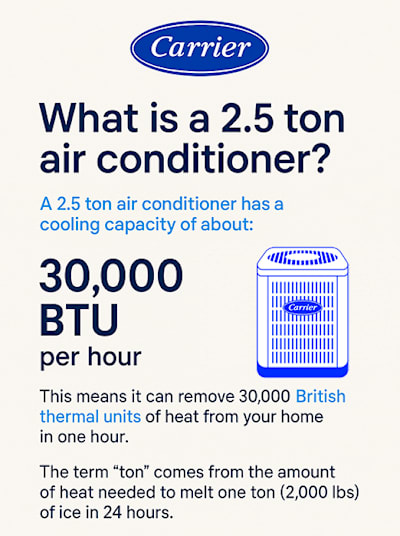
Credit: www.carrier.com
Frequently Asked Questions
What Size Ac Is Ideal For A 2000 Sq Ft Home?
A 2000 sq ft home typically needs a 3 to 4-ton air conditioner. This size efficiently cools the space without wasting energy. Proper sizing ensures comfort and energy savings.
How To Calculate Ac Size For 2000 Square Feet?
Multiply your home’s square footage by 25 BTUs to estimate AC size. For 2000 sq ft, you need about 50,000 BTUs or roughly 4 tons. This calculation helps select the right air conditioner capacity.
Can A 2-ton Ac Cool A 2000 Sq Ft Home?
A 2-ton AC is usually too small for a 2000 sq ft home. It may struggle to cool evenly and increase energy costs. A larger unit ensures better comfort and efficiency.
Does Ceiling Height Affect Ac Size For 2000 Sq Ft?
Yes, higher ceilings increase the volume of air to cool. For rooms with ceilings above 8 feet, you may need a larger AC unit. Adjusting size ensures effective cooling throughout your home.
Conclusion
Choosing the right air conditioner size keeps your home cool and saves energy. A 2000 square foot house usually needs a unit between 24,000 and 30,000 BTUs. Too small means poor cooling; too big wastes power. Think about your home’s layout and insulation too.
Proper sizing means comfort and lower bills. Take time to measure and plan well. Your home will stay comfortable all summer long.