Choosing the right size air conditioner for your 2000 square foot home can feel confusing. Too small, and your space stays hot and uncomfortable.
Too big, and you waste energy and money. You want your home to be cool, comfortable, and efficient without breaking the bank. You’ll discover exactly how to find the perfect air conditioner size for your home. By the end, you’ll feel confident making the best choice that keeps your space just right all summer long.
Keep reading to learn the simple steps that make a big difference in your comfort and savings.

Credit: aristotleair.com
Factors Influencing Ac Size
Home insulationhelps keep cool air inside and hot air outside. Better insulation means the AC can be smaller. Poor insulation makes the AC work harder and need more power.
Climateplays a big role. In hot places, the AC needs to be bigger to cool the home well. In cooler areas, a smaller AC can work fine.
Ceiling heightchanges the air volume inside. Higher ceilings mean more space to cool. This requires a bigger AC unit compared to homes with lower ceilings.
Number of peopleaffects cooling too. More people produce more body heat. This heat adds to the cooling load, so a larger AC might be needed.
Credit: www.furnaceprices.ca
Calculating Cooling Load
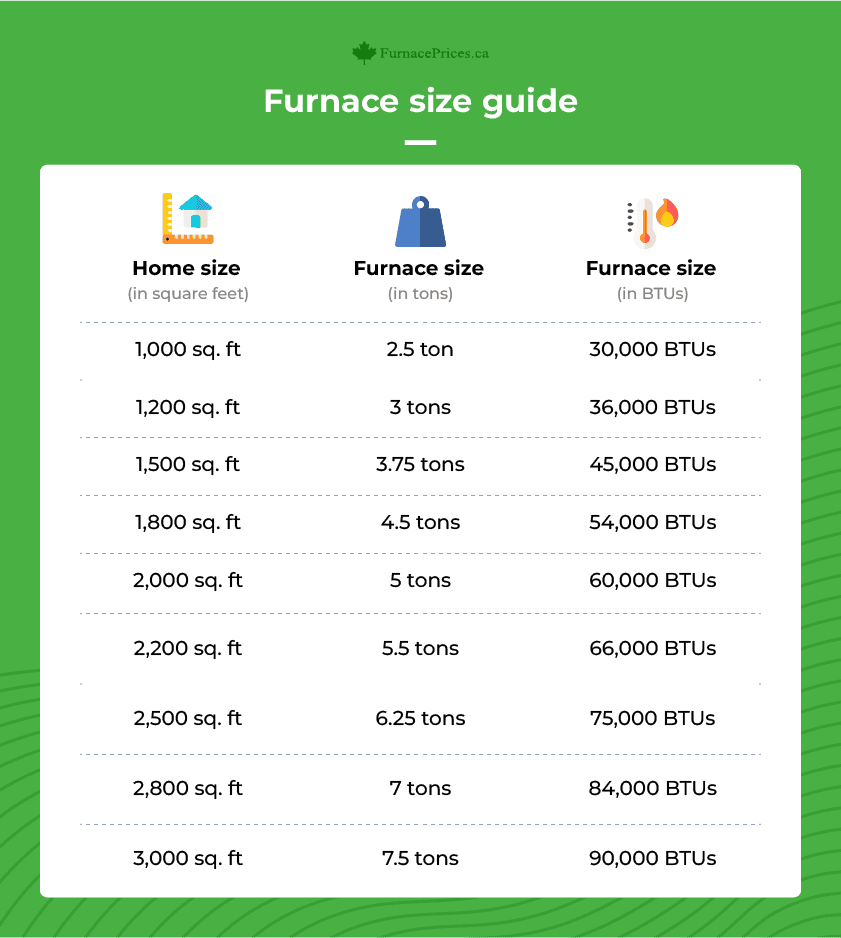
Calculate the cooling loadby measuring the home’s square footage. For a 2000 square foot home, multiply the area by 20 BTUper square foot. This gives a base cooling need of 40,000 BTU.
Adjust this number based on sun exposure. Homes with large windows facing the sun need more cooling power. Add about 10%extra BTU for heavy sun exposure.
Consider heat from appliances. Kitchens, laundry, and electronics add heat. Increase BTU by 4,000 to 6,000for homes with many appliances.
| Factor | Adjustment |
|---|---|
| Base BTU (2000 sq ft × 20 BTU) | 40,000 BTU |
| Sun Exposure | +10% (up to 4,000 BTU) |
| Appliances | +4,000 to 6,000 BTU |
Choosing The Right Ac Unit
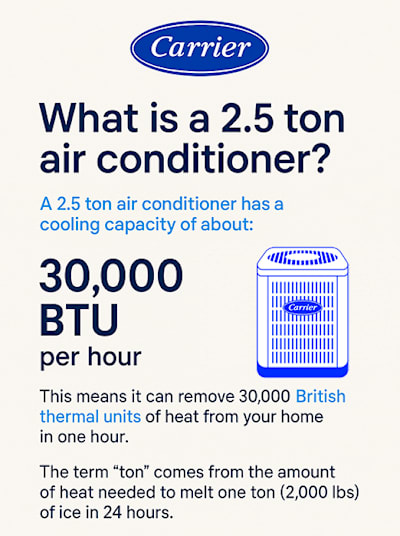
Choosing the right air conditioner depends on your home size and needs. For a 2000 square foot home, a unit with about 3 to 4 tonscooling capacity is ideal. Central AC units cool the whole house evenly and are quieter. Window units are cheaper but cool only one room at a time.
Energy efficiency is key. Look for units with a high SEER rating. Higher SEER means lower electricity bills. Variable speed units adjust fan speed for better comfort and energy use. Single speed units run at one speed and use more power.
| Type | Pros | Cons |
|---|---|---|
| Central AC | Cools whole house, quieter, better value long-term | Higher upfront cost, requires ductwork |
| Window Unit | Lower cost, easy to install | Only cools small area, louder |
- Choose brands with good reliabilityand service.
- Check reviews for customer satisfaction.
- Look for warranty and support options.
Installation Tips
Proper placementof the air conditioner affects cooling efficiency. Choose a shady spot outside to keep the unit cool. Inside, place vents where air flows freely and reaches all rooms. Avoid spots blocked by furniture or curtains.
Ductworkplays a big role in cooling a 2000 square foot home. Make sure ducts are sealed well to prevent cool air leaks. Check if ducts are big enough for the airflow needed. Poor ductwork means uneven cooling and higher bills.
- Professional installationensures correct sizing and placement.
- Experts check ductwork and electrical needs carefully.
- DIY installation can save money but risks mistakes.
- Poor installation may cause frequent repairs and low efficiency.
Maintaining Optimal Performance
Regular filter changeskeep your air conditioner running well. Dirty filters block airflow and reduce cooling power. Replace filters every 1-3 months for best results. Clean filters also help save energyand lower bills.
Seasonal tune-ups make sure your AC works at full strength. A technician checks parts, cleans coils, and refills refrigerant if needed. This stops small problems from turning into costly repairs. Tune-ups also extend the lifeof your unit.
- Check thermostat settings if the AC is not cooling enough.
- Clean debris around the outdoor unit for better airflow.
- Listen for strange noises that may signal a problem.
- Look for water leaks or ice build-up on the unit.
Quickly fixing common issues helps keep your home cool and comfortable.
Credit: www.carrier.com
Frequently Asked Questions
What Btu Rating Is Needed For 2000 Sq Ft Home?
For a 2000 square foot home, you typically need an air conditioner with a BTU rating of about 36,000. This equates to a 3-ton unit. However, consider factors like ceiling height, insulation, and climate. These can influence the exact size needed for optimal cooling efficiency.
How Do I Calculate Ac Size For My Home?
To calculate AC size, multiply your home’s square footage by 20 BTUs. For 2000 square feet, you’d need approximately 40,000 BTUs. Adjust this number based on insulation, ceiling height, and local climate conditions. Consulting with an HVAC professional can provide a more precise assessment.
Is A 3-ton Ac Enough For 2000 Sq Ft?
A 3-ton air conditioner is generally suitable for a 2000 square foot home. It provides approximately 36,000 BTUs, which is adequate for most scenarios. However, factors like insulation, ceiling height, and local climate can affect its efficiency. Consulting an HVAC expert ensures optimal performance.
How To Choose The Right Ac For My Home?
Choose the right AC by considering your home’s square footage, insulation, and climate. Use the rule of thumb: 20 BTUs per square foot. For a 2000 square foot home, this means around 40,000 BTUs. A professional assessment can provide a more accurate recommendation based on specific needs.
Conclusion
Choosing the right air conditioner size keeps your home cool and saves energy. A 2000 square foot house usually needs around 3 to 4 tons of cooling power. Too small a unit will struggle; too big will waste energy. Think about insulation, sun exposure, and room layout too.
Getting this balance helps your air conditioner work well and last longer. Always check with a professional for the best fit. Enjoy a cool, comfortable home without high bills. Simple steps make a big difference.