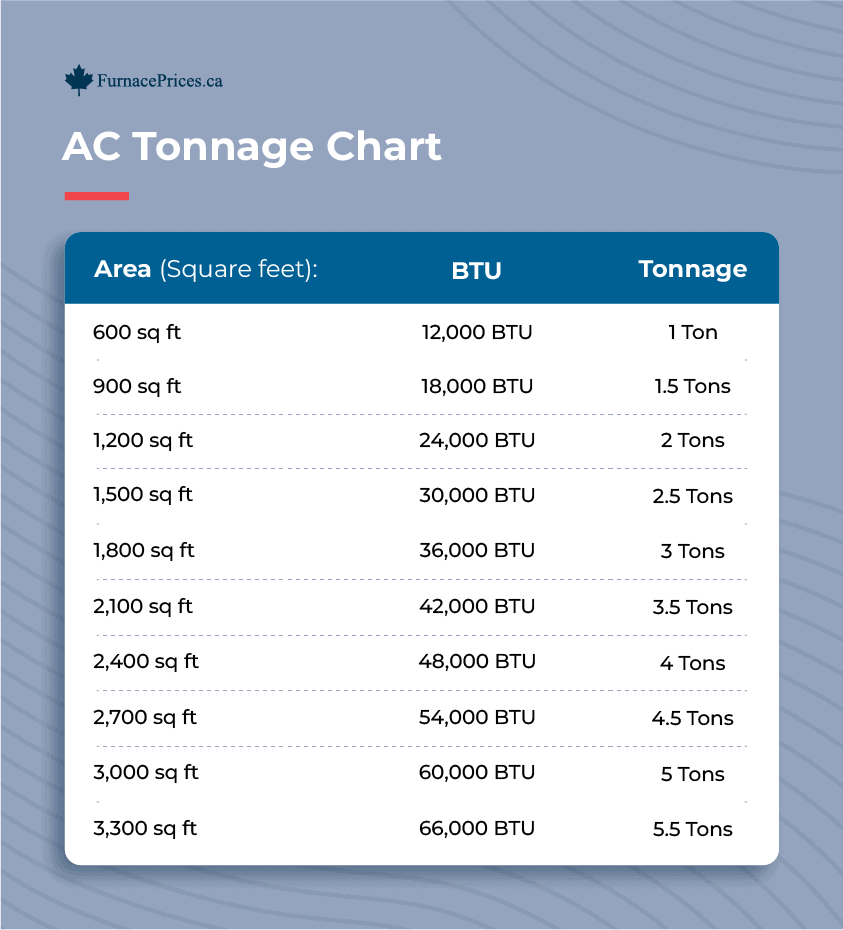
Choosing the right size air conditioner for your house is more important than you might think. If your AC is too small, it won’t cool your home properly.
If it’s too big, you’ll waste energy and money. You want a system that keeps your home comfortable without driving up your bills. You’ll discover exactly how to find the perfect fit for your space. Keep reading to avoid costly mistakes and enjoy cool, refreshing air all summer long.
Factors Influencing Ac Size
Choosing the right size air conditioner is important for your home comfort. An AC that is too small will not cool well. One that is too large will waste energy.
Several factors affect the size of air conditioner you need. These factors help determine the cooling power required for your house.
Home Square Footage
The size of your home in square feet is a major factor. Larger homes need bigger AC units to cool all rooms evenly.
Measure the total living space to estimate how much cooling is needed.
Ceiling Height Impact
Taller ceilings mean more air volume in a room. This requires more cooling power from your AC.
Standard ceiling height is about 8 feet. If your ceilings are higher, choose a larger unit.
Climate Considerations
Where you live affects how hard your AC must work. Hotter climates need bigger air conditioners.
In cooler areas, a smaller AC unit may be enough to keep your home comfortable.
Insulation Quality
Good insulation keeps cool air inside and reduces AC workload. Poor insulation lets heat in and cool air out.
- Well-insulated homes can use smaller AC units
- Homes with poor insulation need bigger units
Window Types And Placement
Windows let heat enter your home. Large or many windows increase cooling needs.
South and west-facing windows bring in more sun. You may need a bigger AC if you have many such windows.
Occupancy And Usage
The number of people in your home affects cooling. More people produce more heat inside.
Rooms used often or with heat-producing appliances need more cooling power.
Types Of Air Conditioners
Choosing the right air conditioner size depends on the type you select. Different types fit different homes and cooling needs. Understanding types helps you pick the best option.
Each type has unique features and installation needs. Knowing these can guide you to the right size and style for your house.
Central Air Systems
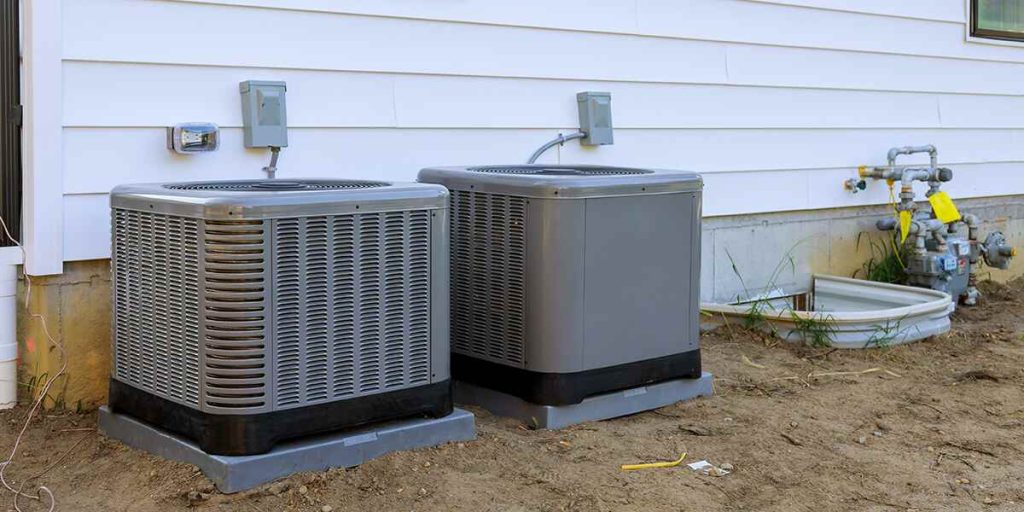
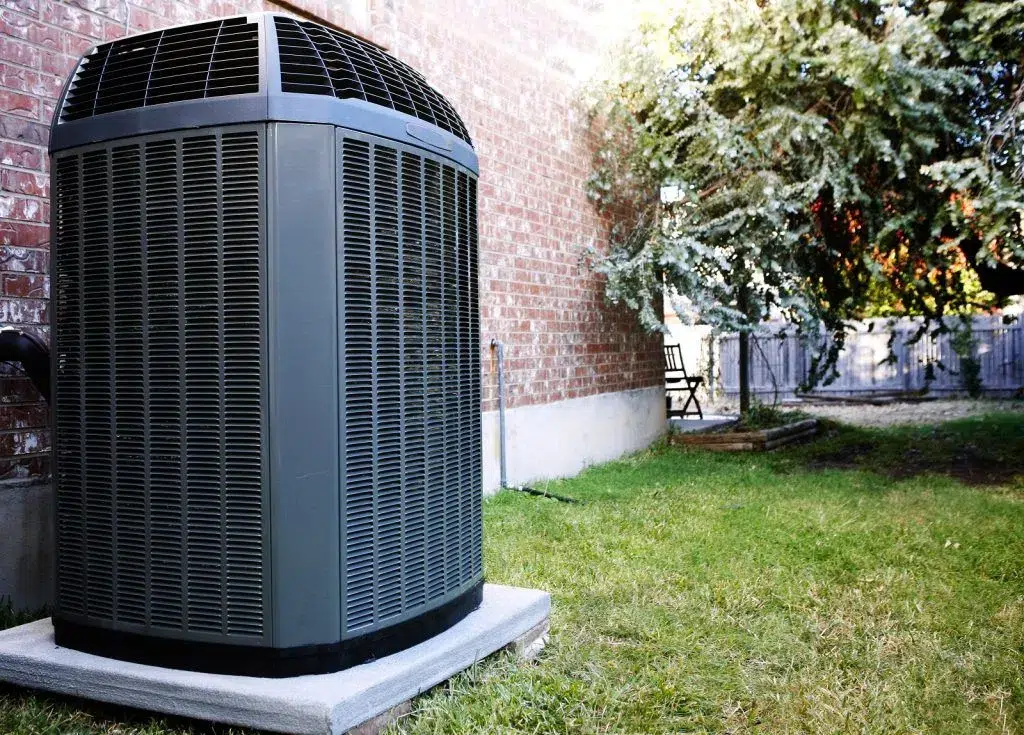
Central air systems cool your entire house through ducts. They are good for larger homes with existing ductwork. These systems use a large outdoor unit and indoor air handler.
They provide even cooling and keep air quality high. Central systems usually need professional installation and regular maintenance.
Window Units
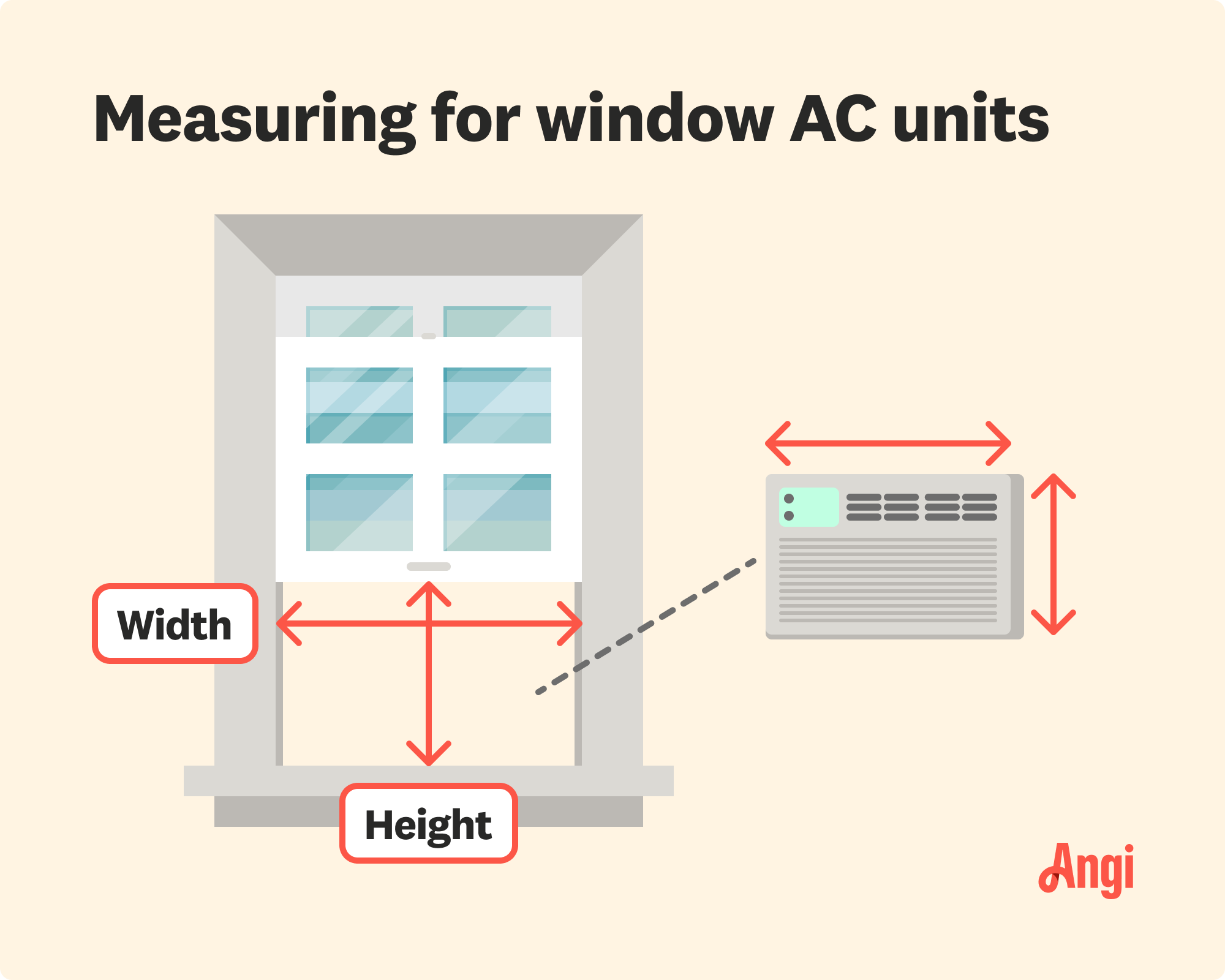
Window units fit into your window frame. They are best for cooling one room or small spaces. These units are easy to install and remove.
Window units come in different sizes and cooling capacities. Choose a size based on the room’s square footage for effective cooling.
Portable Acs
Portable air conditioners can be moved from room to room. They do not need permanent installation. These units use a hose to vent hot air outside.
Portable ACs are good for renters or rooms without windows. Their cooling power is less than central systems but flexible for small spaces.
Ductless Mini-splits
Ductless mini-splits cool rooms without using ducts. They have an outdoor unit and one or more indoor units. Each indoor unit cools a specific room or area.
These systems are efficient and easy to install. They allow different rooms to have different temperatures. Mini-splits work well in homes without ductwork.
Calculating Cooling Capacity
Choosing the right size air conditioner helps keep your home comfortable. It also saves energy and cuts costs. Cooling capacity is measured in BTUs, which shows how much heat an AC can remove.
To find the right size unit, you need to understand how to calculate the cooling load. This guide covers BTU basics, Manual J load calculation, and how to estimate BTUs by room size.
Btu Basics
BTU stands for British Thermal Unit. It measures the energy needed to cool a space. One BTU cools one pound of water by one degree Fahrenheit. Air conditioners use BTUs to show their power.
- Small rooms need fewer BTUs
- Larger rooms need more BTUs
- High ceilings and sun exposure increase BTU needs
- Good insulation reduces BTU requirements
Manual J Load Calculation
Manual J is a detailed method to calculate cooling loads. It considers many factors like room size, windows, insulation, and climate. HVAC professionals use this method to size air conditioners correctly.
| Factor | Effect on Cooling Load |
| Room Size | Larger rooms need more cooling power |
| Windows | More windows increase heat gain |
| Insulation | Better insulation lowers cooling needs |
| Sun Exposure | Rooms facing sun require more BTUs |
| Occupants | More people increase heat inside |
Estimating Btus By Room Size
You can estimate cooling needs by room size. This is a quick way to choose an air conditioner. The formula is simple but does not replace detailed calculations.
- Measure the room’s length and width in feet.
- Multiply length by width to get square footage.
- Multiply square footage by 20 BTUs per square foot.
- Adjust for sun exposure or high ceilings if needed.
Credit: coolbydesignfl.com
Signs Of Wrong Ac Size
Choosing the right air conditioner size is important for your home comfort. An AC that is too small or too large can cause problems. Knowing the signs of a wrong AC size helps you fix issues early.
This guide explains the common signs when your air conditioner is not the right size. It covers cooling efficiency, cycling frequency, and energy use.
Too Small: Inefficient Cooling
An AC that is too small cannot cool your house properly. It runs for long hours but still leaves rooms warm. You may feel uneven cooling in different areas.
- Rooms stay warm even when the AC is on
- The unit runs continuously without stopping
- Humidity remains high inside the house
- Fans blow air but it does not feel cool
Too Large: Frequent Cycling
An AC that is too large cools your home quickly. It turns on and off too often. This is called frequent cycling, and it can harm your system.
- AC starts and stops many times in short periods
- Rooms cool down fast but temperature swings a lot
- Indoor air feels damp or clammy sometimes
- Higher chance of system wear and tear
Energy Consumption Effects
| AC Size Issue | Energy Use Impact | Cost Effect |
|---|---|---|
| Too Small | Runs longer, uses more energy | Higher electricity bills |
| Too Large | Frequent on/off cycles waste energy | Increased wear may raise repair costs |
Using the correct size AC reduces energy waste. It keeps costs down and improves comfort. Check your AC size if you notice any of these signs.
Energy Efficiency Tips
Choosing the right size air conditioner helps save energy and money. A unit that is too big or too small wastes power.
Use energy-saving methods to keep your home cool without high bills. These tips help you improve efficiency.
Seer Ratings Explained
SEER stands for Seasonal Energy Efficiency Ratio. It measures how well an air conditioner cools using electricity.
Higher SEER ratings mean better energy efficiency. Choose units with SEER ratings of 14 or above for savings.
- SEER 13: Standard efficiency
- SEER 14-16: Good efficiency
- SEER 17 and above: High efficiency
Smart Thermostat Integration
Smart thermostats adjust temperature based on your schedule. They reduce energy waste when you are away.
These devices help you control your air conditioner from a phone or voice assistant. This saves electricity daily.
- Set cooling times to match your routine
- Use remote control to adjust settings
- Monitor energy use to find savings
Regular Maintenance Practices
Keep your air conditioner clean and checked often. Dirty filters and coils reduce cooling and raise bills.
Change or clean filters every 1-3 months. Schedule yearly professional checks to keep the system running well.
- Clean or replace air filters regularly
- Clear debris from outdoor unit
- Check refrigerant levels and coils
- Inspect ducts for leaks
Credit: www.angi.com
Professional Help And Tools
Choosing the right size air conditioner for your house is important for comfort and energy savings. Many factors affect the decision.
Professional help and the right tools make the process easier and more accurate.
When To Consult An Hvac Expert
An HVAC expert can check your home’s size, insulation, and windows. They measure heat load to find the right AC size.
- If you feel unsure about calculations
- If your home has unusual features or layouts
- If you want advice on energy-efficient models
- Before making a big purchase
Using Online Calculators
Online calculators help estimate the AC size needed for your house. They ask about room sizes and sun exposure.
| Input | What to Enter |
| Room Area | Square feet of the room |
| Ceiling Height | Standard or high ceilings |
| Sunlight | Amount of direct sun |
| Occupants | Number of people usually inside |
Importance Of Proper Installation
Proper installation ensures your air conditioner works well and lasts long. Poor setup can reduce efficiency.
- Correct size and placement of the unit
- Proper sealing and insulation around ducts
- Using recommended electrical connections
- Testing the system after installation
Credit: www.allamericanpha.com
Frequently Asked Questions
What Size Ac Do I Need For A 1000 Sq Ft House?
For a 1000 sq ft house, a 12,000 BTU (1 ton) air conditioner is ideal. This size efficiently cools the space without wasting energy.
How To Calculate Air Conditioner Size For A House?
Multiply your home’s square footage by 25 BTU to estimate the cooling capacity needed. Adjust for factors like ceiling height and insulation.
Can A Bigger Ac Harm My House’s Cooling Efficiency?
Yes, an oversized AC cools quickly but causes humidity issues and short cycling, reducing efficiency and comfort.
What Factors Affect The Ideal Ac Size For My Home?
Room size, ceiling height, insulation quality, sun exposure, and climate all impact the ideal air conditioner size.
Conclusion
Choosing the right air conditioner size matters a lot. A unit too small will struggle to cool your home. Too large, and it wastes energy and money. Measure your room space carefully before buying. Think about insulation and sun exposure too.
A well-sized air conditioner keeps your home comfortable. It also saves on electricity bills. Take time to research and compare options. This helps you find the best fit for your house. A good choice means cool air and lower costs.
Simple steps lead to better comfort at home.