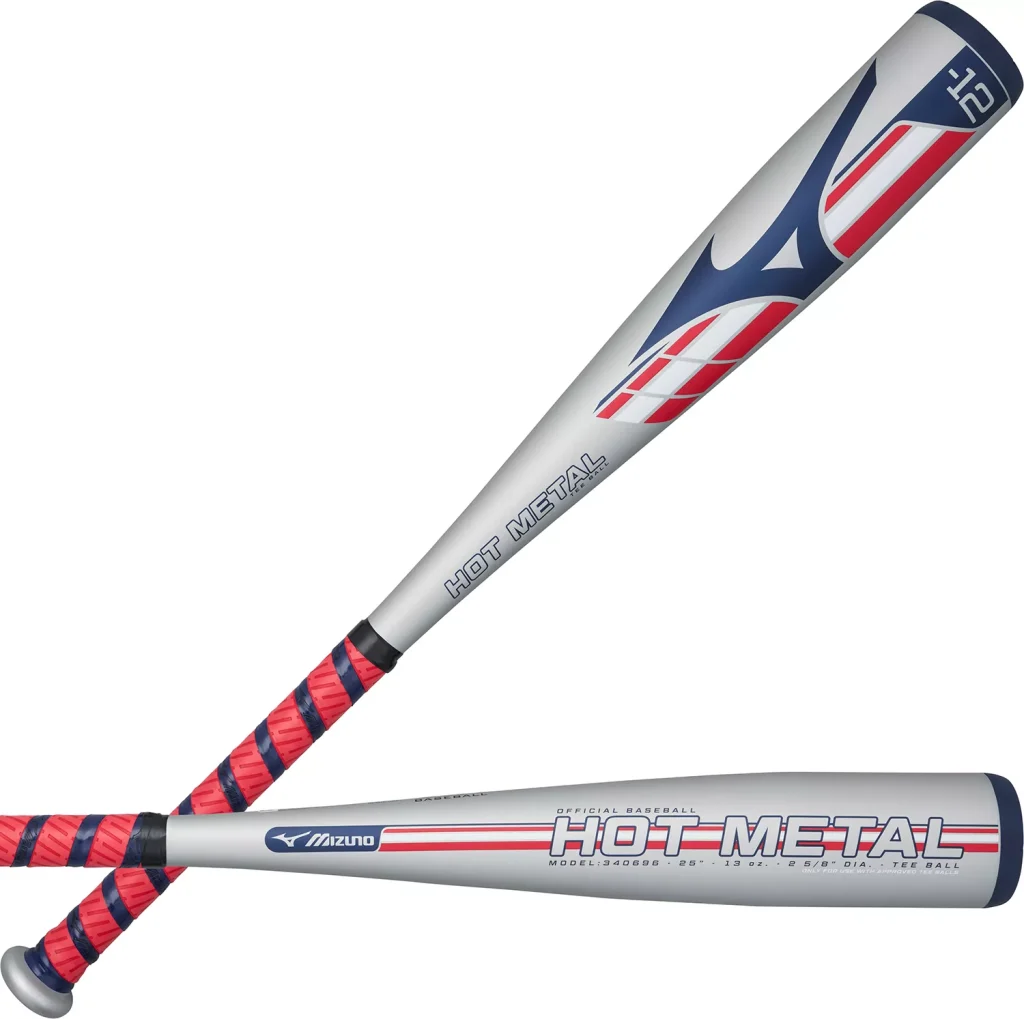
Choosing the right baseball bat for tee ball can be tricky, especially if you want your child to enjoy the game and improve quickly. You might be wondering, “What size baseball bat is best for tee ball?” Picking the wrong size can make swinging hard and frustrating.
But don’t worry—this guide will help you find the perfect fit so your little player feels confident and ready to hit every ball. Keep reading, and you’ll discover simple tips that make choosing the right bat easy and stress-free.
Choosing The Right Tee Ball Bat
Picking the right baseball bat helps young players enjoy tee ball. A good bat fits their size and skill level.
Using the proper bat improves hitting and builds confidence in kids. Let’s explore how to choose the right bat.
Age And Height Considerations
Age and height guide the best bat size for a child. Younger or shorter kids need shorter bats for control.
As kids grow, they can handle longer bats. Choosing the right length helps them swing comfortably.
- 3 to 5 years old: 24 to 26 inches long
- 6 to 7 years old: 26 to 28 inches long
- Height under 3’6″: shorter bats work best
- Height above 4 feet: longer bats are suitable
Weight And Length Balance
A bat’s weight should feel light enough to swing easily. Heavy bats tire kids and reduce control.
Length and weight must balance. Longer bats should not be too heavy to avoid bad swings.
- Choose a bat that feels balanced in the hands
- Kids should swing without strain or loss of control
- Try holding and swinging different bats to find comfort
Material Types For Bats
Tee ball bats come in wood, aluminum, and composite materials. Each type offers different benefits.
Wood bats are traditional but heavier. Aluminum bats are lighter and durable. Composite bats combine lightness and strength.
- Wood: natural feel, heavier, less common for tee ball
- Aluminum: light, strong, good for beginners
- Composite: lightest, absorbs vibration, often costlier

Credit: www.baseballmonkey.com
Measuring Bat Length
Choosing the right baseball bat length is important for tee ball players. The right size helps kids swing comfortably and hit well. Measuring bat length can be done in a few simple ways.
Below are three common methods to find the correct bat length. Use these tips to pick the best bat for your child.
Using Height To Determine Length
One easy way to find bat length is by measuring the player’s height. Taller players usually need longer bats. This method gives a good starting point for bat size.
- If the player is under 3 feet tall, use a 24-inch bat.
- For heights 3 to 3.5 feet, a 26-inch bat works well.
- Players between 3.5 and 4 feet should try a 28-inch bat.
- Heights over 4 feet often need a 30-inch bat.
Arm Reach Method
This method measures the distance from the player’s extended arm to the opposite side of the chest. It helps find a bat length that matches the player’s reach and swing.
To do this, have the player hold their arm out straight to the side. Measure from the middle of their chest to the tip of their fingers. The measurement in inches is close to the bat length they need.
Common Lengths For Different Ages
| Age | Recommended Bat Length |
|---|---|
| 3-4 years | 24 inches |
| 5-6 years | 26 inches |
| 7-8 years | 28 inches |
| 9-10 years | 30 inches |
Selecting Bat Weight
Choosing the right baseball bat weight is crucial for young players in tee ball. It affects their swing and overall performance on the field.
Understanding how to select the correct bat weight can help improve your child’s game and confidence.
Importance Of Proper Weight
The right bat weight ensures that young players can swing comfortably and effectively. This helps them make contact with the ball more often.
- Too heavy: Can slow down the swing speed.
- Too light: Might not provide enough power.
- Correct weight: Balances speed and power for effective hits.
Drop Weight Explained
Drop weight is the difference between the bat’s length and weight. A lower drop weight means a heavier bat.
| Bat Length (inches) | Bat Weight (ounces) | Drop Weight |
| 24 | 14 | -10 |
| 25 | 15 | -10 |
| 26 | 16 | -10 |
Finding The Best Weight For Swing Speed
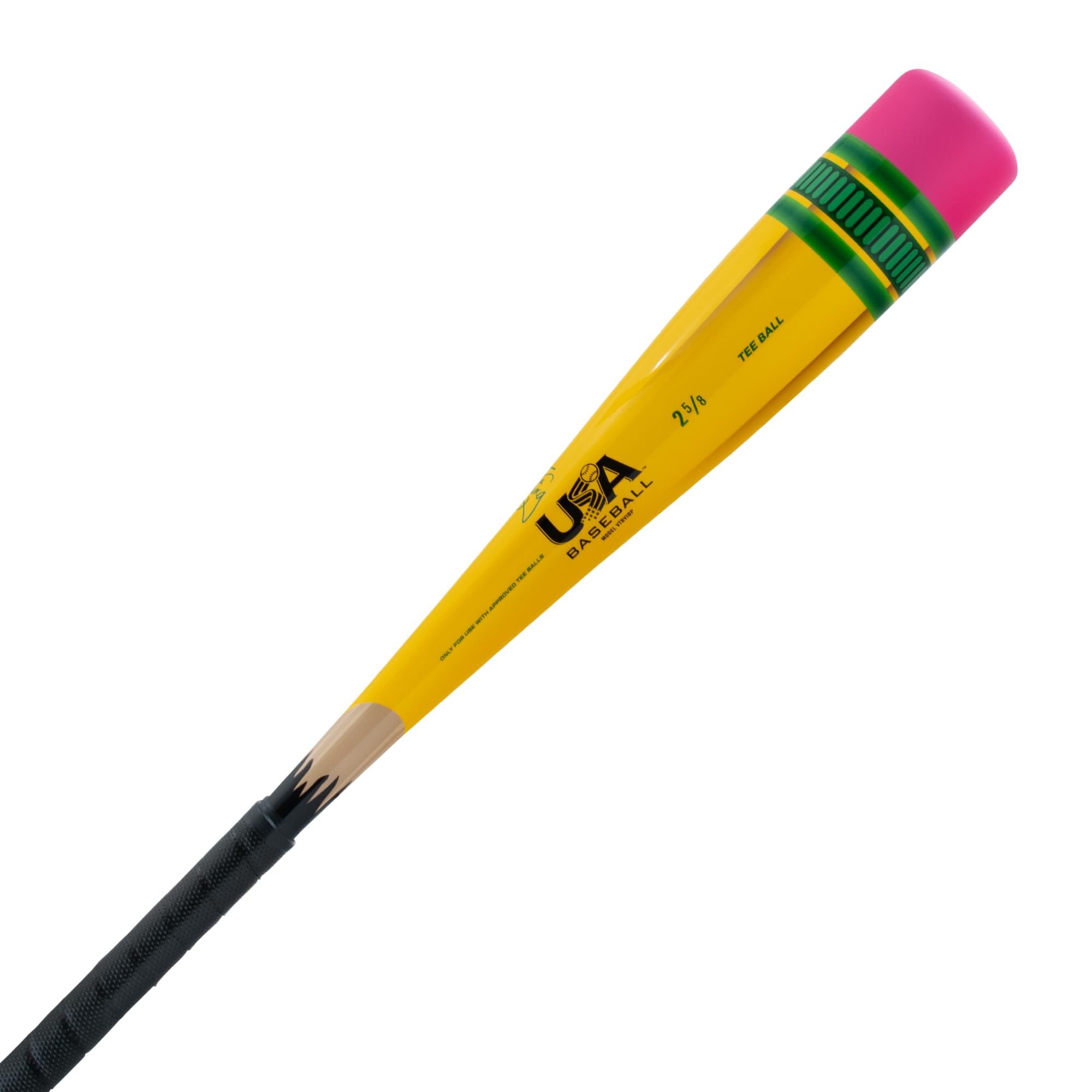
To find the best bat weight, consider your child’s strength and ability to control the bat. A good swing speed helps them hit the ball further and more accurately.
Credit: www.amazon.com
Materials And Bat Types
Choosing the right baseball bat for tee ball depends on the material and bat type. Different materials affect the bat’s weight, durability, and performance.
Understanding the differences between bat materials helps find the best fit for young players starting tee ball.
Aluminum Vs. Composite Bats
Aluminum bats are light and strong. They offer good control and power for young players. Aluminum bats are also less expensive than composite bats.
Composite bats use a mix of materials like carbon fiber. They are lighter and can reduce vibration on contact. Composite bats usually have a larger sweet spot than aluminum bats.
- Aluminum bats are durable and affordable.
- Composite bats feel softer when hitting the ball.
- Composite bats may take longer to break in.
Wooden Bats In Tee Ball
Wooden bats are traditional and have a solid feel. They teach players good hitting mechanics because they have less power than metal bats.
Wooden bats are heavier and can be harder for young players to swing. They are less common in tee ball but help develop proper technique.
- Wood bats offer natural feedback on hits.
- They require more strength to swing well.
- Wood bats can break more easily than metal bats.
Durability And Performance
Durability is important for tee ball bats because young players use them often. Aluminum bats last longer and resist dents and scratches.
Composite bats perform well but may crack over time. Wooden bats can break if hit hard or dropped. Performance depends on the bat’s material and design.
- Aluminum bats have high durability and consistent performance.
- Composite bats offer good performance but need care.
- Wooden bats provide good training but wear out faster.
Safety And League Regulations
Choosing the right baseball bat size for tee ball is important for safety. It also helps players follow league rules.
Parents and coaches must know the rules about bats. This keeps children safe and fair in the game.
Bat Certification Standards
Bat certification shows that a bat meets safety and performance rules. Certified bats reduce injury risks.
- Look for official stamps on the bat, like USA Baseball or USSSA marks.
- Certified bats have passed tests for weight and size limits.
- Using non-certified bats can lead to disqualification in games.
League-specific Bat Rules
Each league may have its own bat size and weight rules. These rules ensure all players use similar equipment.
| League | Max Bat Length | Max Bat Weight | Certification Required |
| Tee Ball USA | 26 inches | 16 ounces | USA Baseball |
| Little League | 29 inches | 17 ounces | USA Baseball or USSSA |
| Cal Ripken | 29 inches | 17 ounces | USA Baseball |
Ensuring Safe Play
Safety is key in tee ball. The bat size must fit the child’s strength and height.
- Choose a bat that is light enough for the child to swing easily.
- Avoid bats that are too long or heavy to prevent injuries.
- Check the bat regularly for cracks or damage.
- Teach proper swing techniques to reduce risks.
Tips For Young Hitters
Choosing the right size baseball bat helps young players enjoy tee ball. The right bat makes hitting easier and safer.
Good hitting starts with the right grip, stance, and swing. Practice with a bat that fits the player’s size.
Proper Grip And Stance
Hold the bat with both hands close together. The knuckles should line up to give better control.
Stand with feet shoulder-width apart. Keep knees slightly bent and weight balanced on both feet.
- Keep elbows relaxed, not too high or low
- Face the pitcher with your shoulders square
- Look straight at the ball
Swing Mechanics For Beginners
Swing the bat in a smooth, level motion. Avoid swinging too hard or too fast at first.
Start the swing by shifting weight from the back foot to the front foot. Use your hips to help power the swing.
- Keep eyes on the ball throughout the swing
- Follow through after contact with the ball
- Practice swinging slowly to build good habits
Practicing With The Right Bat
Use a bat that is light enough to swing easily. The right length helps control and accuracy.
Test different bats by having the player swing them. Choose one that feels comfortable and balanced.
- Too long or heavy bats slow down the swing
- Too short or light bats reduce power
- Check bat size charts based on height and weight
Common Mistakes To Avoid
Choosing the right baseball bat for tee ball is very important. Many parents and coaches make simple mistakes that can hurt a young player’s progress.
This guide points out common errors to help you pick the best bat for your child’s safety and skill development.
Choosing Bats That Are Too Heavy
Using a bat that is too heavy can cause poor swinging form. It may also tire the player quickly and reduce control.
- Heavy bats make it hard to swing fast.
- Players may lose balance during their swing.
- It can lead to frustration and less practice time.
- Too much weight can cause injury risks.
Ignoring League Guidelines
Many leagues have rules about bat size and weight. Ignoring these rules can lead to disqualification or safety issues.
| League | Maximum Bat Length | Maximum Weight |
| Tee Ball League A | 26 inches | 16 ounces |
| Tee Ball League B | 27 inches | 17 ounces |
| Tee Ball League C | 28 inches | 18 ounces |
Overlooking Comfort And Control
Comfort and control are key for young players. A bat that feels good helps build confidence and skill.
Tips for comfort and control:
- Choose a bat with a good grip that fits small hands.
- Pick a length that allows easy swinging without strain.
- Test different bats to see which feels best before buying.

Credit: axebat.com
Frequently Asked Questions
What Is The Ideal Baseball Bat Size For Tee Ball?
The ideal tee ball bat size ranges from 24 to 26 inches. This length suits most young beginners. It helps them swing comfortably and develop proper batting techniques.
How To Choose The Right Bat Length For Tee Ball?
Measure your child’s height and weight to select the right bat length. Generally, shorter bats work better for smaller kids. Choose a lightweight bat to ensure easy handling and better control.
Should Tee Ball Bats Be Lightweight Or Heavy?
Tee ball bats should be lightweight to allow quick and smooth swings. Heavy bats can hinder a child’s swing speed and cause fatigue. Lightweight bats improve accuracy and make learning easier.
Can A Bat Be Too Long For Tee Ball?
Yes, a bat that’s too long can be hard to control. It may slow down the swing and reduce accuracy. Always select a bat length that matches your child’s size and strength.
Conclusion
Choosing the right baseball bat size helps young players enjoy tee ball more. A bat that fits well improves swing control and confidence. Keep weight and length balanced for the child’s age and height. Trying different bats can show what feels best.
A proper bat makes learning easier and fun. Remember, comfort and safety come first in every choice. This simple step supports growth and skill on the field.