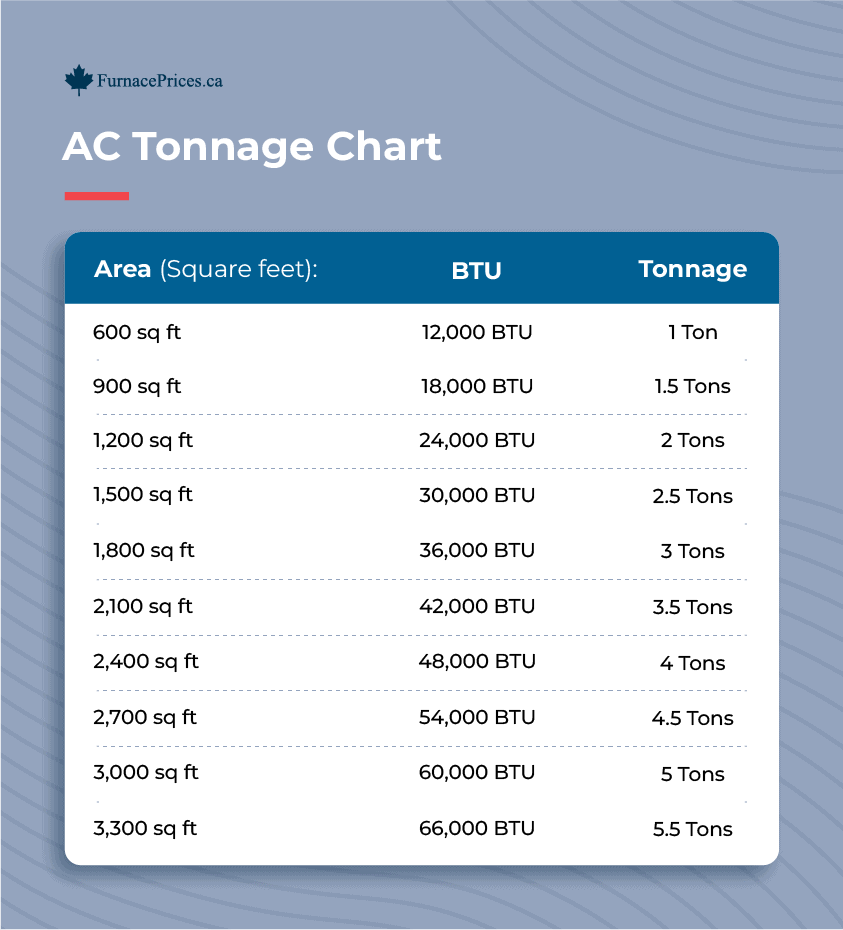
Choosing the right size central air conditioner for your home is more important than you might think. If your unit is too small, it won’t cool your space properly.
If it’s too big, you’ll waste money and energy. You want a system that keeps your home comfortable while saving you from high bills. You’ll discover how to find the perfect size air conditioner tailored just for your needs. Keep reading to make sure you get the best fit for your home and enjoy cool, refreshing air all summer long.
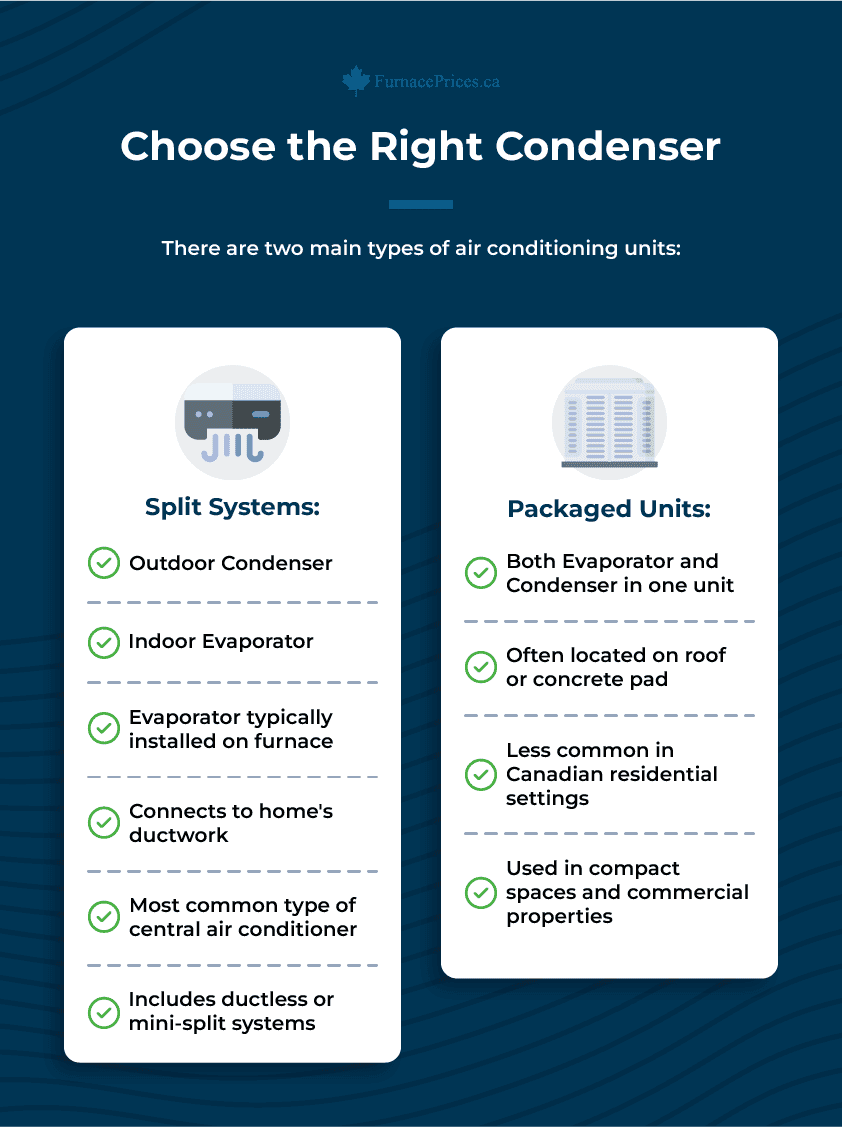
Credit: www.furnaceprices.ca
Factors Influencing Ac Size
Choosing the right central air conditioner sizedepends on many factors. The home square footageis key. Larger homes need bigger units. Ceiling heightmatters too; higher ceilings mean more space to cool.
Insulation qualityaffects cooling needs. Good insulation keeps cold air in and heat out. Window types and placementalso play a role. Big windows or many windows let in more heat.
The local climateimpacts the size needed. Hotter areas require stronger cooling power. Finally, household occupancycounts. More people inside means more heat from body warmth.

Credit: www.furnaceprices.ca
Calculating Cooling Capacity
BTUstands for British Thermal Unit. It measures the energy needed to cool or heat a space. The higher the BTU, the more cooling power the air conditioner has. Choosing the right BTU size is key to comfort and efficiency.
Cooling load calculationsestimate how much cooling a home needs. These take into account factors like house size, insulation, windows, and climate. The goal is to find an air conditioner that can cool your home without wasting energy.
| Factor | Impact on Cooling Load |
|---|---|
| House Size | Larger houses need more BTUs. |
| Insulation | Better insulation lowers cooling needs. |
| Windows | More windows can increase heat gain. |
| Climate | Hotter climates require higher BTUs. |
The Manual J calculationis the standard way to find cooling load. It uses detailed data about your home. The result helps pick the right size air conditioner. This method avoids problems like overcooling or high bills.
Common Ac Sizes And Their Uses
Small units are perfect for apartments and studio spaces. They usually range from 5,000 to 12,000 BTUs. These units cool areas up to 600 square feet. They use less power and fit in tight spaces.
Medium units suit average homes around 1,000 to 2,000 square feet. Their capacity is typically 13,000 to 24,000 BTUs. These systems keep the home cool and comfortable without high energy bills.
Large units are best for spacious houses over 2,000 square feet. They offer 25,000 BTUs and above. These powerful units cool large areas quickly and evenly.
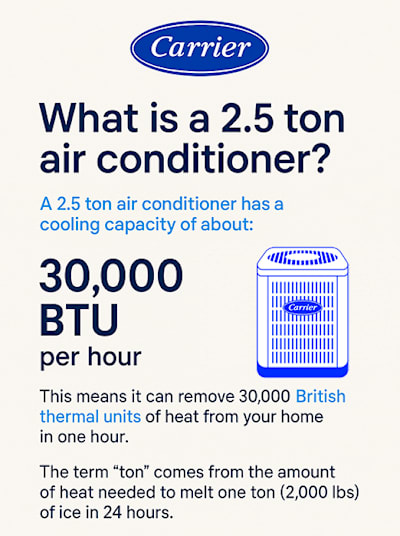
Credit: www.carrier.com
Signs Of Incorrect Ac Sizing
Overcoolinghappens when the AC is too big. It cools the room fast but turns off quickly. This is called short cycling. Short cycling wastes energy and wears out the AC parts.
Insufficient coolingoccurs if the AC is too small. It runs longer but can’t cool the room well. This leads to longer runtimeand discomfort.
Both problems cause energy efficiency concerns. An oversized AC uses more power often. An undersized unit works nonstop, also using more power. Proper sizing saves energy and money.
Choosing The Right Ac Unit
Choosing the right size central air conditioneris key for home comfort. An AC too small won’t cool properly. Too large wastes energy and increases costs.
Match the AC sizeto your home’s square footageand insulation quality. Rooms that get more sun need stronger cooling. Use a sizing chart or calculator as a guide.
A professional assessmenthelps find the perfect unit. Experts check windows, doors, and attic space. They also consider climate and house layout. This avoids guesswork and ensures efficiency.
Plan for future changes. Adding rooms or new windows means more cooling power. Choose a unit that can handle some growth. This saves money on upgrades later.
Energy Efficiency And Cost Implications
SEER ratingsshow how much cooling a unit gives per energy used. Higher SEER means better energy efficiency. This helps lower your electric bills and saves money over time.
Size mattersfor energy bills. A unit too big cools quickly but wastes energy by turning on and off often. Too small, and it runs all the time, using more power and wearing out faster.
Long-term savings come from choosing the right size and a high SEER unit. Regular maintenance keeps the system running well, saving money. Also, sealing your home helps keep cool air inside, reducing costs.
Installation Tips And Best Practices
Proper ductwork designensures air flows smoothly through your home. Ducts should be the right size to avoid leaks and blockages. Poor design can cause uneven cooling and waste energy.
Maintaining airflowis key to keeping your air conditioner efficient. Keep vents clear and clean. Avoid closing too many vents, as this can reduce airflow and strain the system.
Regular maintenancehelps your air conditioner last longer. Change or clean filters every 1-3 months. Check for leaks and clean the coils yearly. This keeps your system running well and lowers energy bills.
Frequently Asked Questions
How Do I Calculate The Right Ac Size For My Home?
To find the right AC size, measure your home’s square footage. Multiply by 25 to 30 BTUs per square foot. Consider factors like insulation, windows, and climate for accurate sizing.
What Happens If My Ac Is Too Big Or Small?
An oversized AC cools quickly but wastes energy and causes humidity issues. A too-small AC struggles to cool, increasing wear and energy costs.
Can I Use A One-size-fits-all Central Air Conditioner?
No, AC units vary by home size and conditions. Proper sizing ensures efficiency, comfort, and lower energy bills.
How Does Insulation Affect My Air Conditioner Size?
Better insulation reduces cooling needs, allowing a smaller AC. Poor insulation requires a larger unit to maintain comfort.
Conclusion
Choosing the right size central air conditioner matters a lot. A unit too big wastes energy and costs more. Too small, and it won’t cool your home well. Think about your home’s size, insulation, and climate. Getting this right keeps your space comfortable all summer.
It also saves money on your energy bills. Always ask a professional to help with the final choice. This way, you stay cool without extra costs or trouble. Your home deserves the best fit for its cooling needs.