
Are you planning to stock up on meat and wondering what size chest freezer you need for half a cow? You’re not alone.
Many families and meat lovers face the same dilemma. Choosing the right freezer size is crucial to ensure your investment stays fresh and organized. With the right information, you can make a confident decision that fits your needs and space.
Picture this: every time you open your freezer, you find perfectly stored cuts of meat, ready to cook whenever you are. No more last-minute grocery runs or worrying about the freshness of your meat. By understanding the right freezer size, you can experience the joy of having quality meat at your fingertips, enhancing your culinary adventures and saving you money in the long run. Let’s dive in and discover the perfect freezer size for your needs, ensuring every meal is a delight.
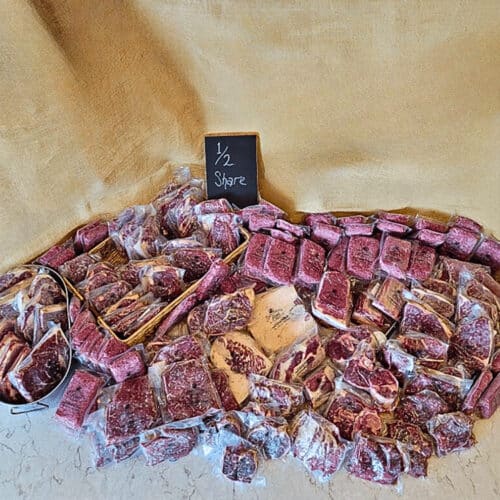
Credit: www.christensenranch.com
Estimating Meat Volume From Half A Cow
Estimating the meat volume from half a cow helps in choosing the right chest freezer size. Knowing the weight and the yield of meat guides the storage planning. Proper estimation prevents buying a freezer that is too small or too large. It also helps in organizing the meat efficiently for freezing.
Average Weight Of Half A Cow
The average weight of a whole cow varies from 1,000 to 1,200 pounds. Half a cow usually weighs between 500 and 600 pounds. This weight includes bones, fat, and other non-meat parts. The actual meat weight is less than the live weight.
Meat Yield Breakdown
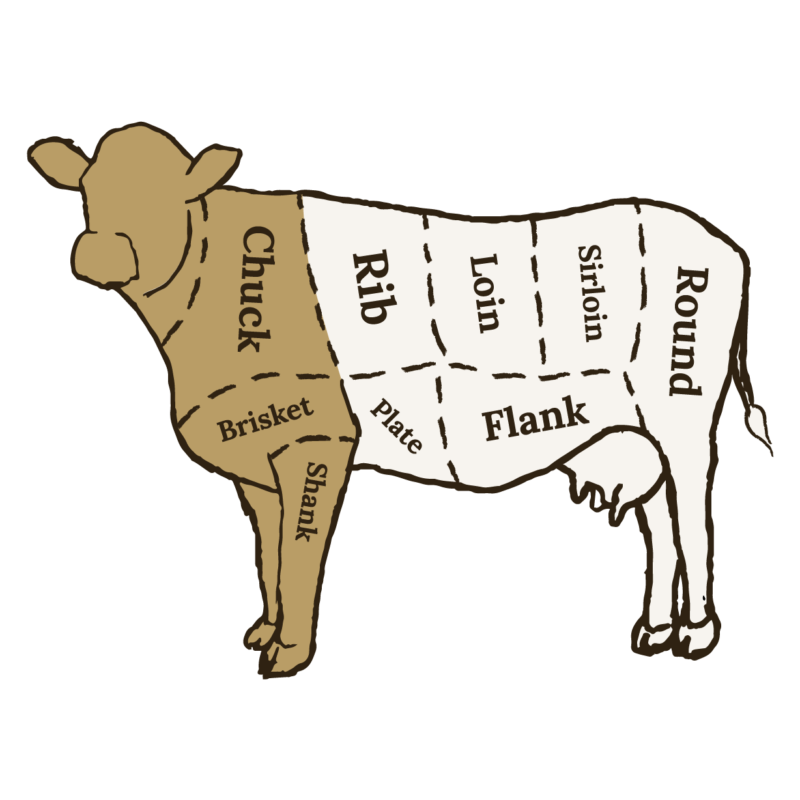
From half a cow, the usable meat yield is about 60% to 65% of the hanging weight. Hanging weight is the carcass weight after skin, head, and internal organs are removed. For example, if the hanging weight is 350 pounds, expect around 210 to 227 pounds of meat. This meat includes steaks, roasts, ground beef, and other cuts.
- Steaks and roasts: 50-60%
- Ground beef: 30-40%
- Other cuts (stew meat, trim): 10-20%
Packaging And Space Considerations
Meat is usually packed in vacuum-sealed bags or freezer paper. Packaging affects how much space the meat takes in the freezer. Proper packing reduces air pockets and freezer burn risk. Typically, 200 pounds of packaged meat requires about 7 to 9 cubic feet of freezer space. Keep some extra room for air circulation and easy access.
Chest Freezer Sizes And Capacities
Choosing the right chest freezer size is crucial when storing half a cow. You want enough space to keep your meat organized without wasting energy or money on an oversized unit. Understanding the dimensions, storage capacity, and energy features will help you pick a freezer that fits your needs perfectly.
Common Chest Freezer Dimensions
Chest freezers come in a variety of sizes, typically ranging from small 5-cubic-foot models to large 25-cubic-foot units. A half cow usually requires a freezer with at least 15 to 20 cubic feet of storage space.
Here are some typical dimensions for popular sizes:
| Capacity (Cubic Feet) | Approximate Dimensions (Width x Depth x Height) |
|---|---|
| 10-12 | 30″ x 20″ x 33″ |
| 15-17 | 40″ x 30″ x 33″ |
| 20-22 | 50″ x 30″ x 33″ |
Think about where you will place the freezer. Will it fit through your doorways? Does it have enough clearance for airflow? These small details often get overlooked but are essential for a smooth setup.
Capacity In Cubic Feet Vs Meat Storage
Not all cubic feet are created equal when it comes to storing meat. A freezer’s capacity translates roughly to how much food it can hold, but the shape and packaging of your meat affect storage efficiency.
Half a cow typically yields 100 to 150 pounds of meat. You’ll need about 16 to 20 cubic feet to store this comfortably, allowing space for air circulation and easy access.
- Smaller freezers (under 15 cubic feet) may force you to tightly pack meat, making it hard to organize.
- Larger freezers provide more flexibility but can lead to wasted space if not fully used.
Have you thought about how you will package your meat? Vacuum-sealing reduces bulk and freezer burn, maximizing space and keeping your meat fresh longer.
Energy Efficiency And Features
Energy consumption is a key factor for many freezer buyers. A freezer running 24/7 can impact your electricity bill significantly, so look for models with an Energy Star rating.
Modern chest freezers often include useful features such as:
- Adjustable temperature controls for precise freezing
- Manual or automatic defrost options
- Interior lighting for better visibility
- Lockable lids for safety and security
Choosing a freezer with good insulation and a reliable compressor can save you money over time. Ask yourself: Does the freezer’s size match your meat storage needs without driving up energy costs?
Matching Freezer Size To Meat Amount
Choosing the right chest freezer size depends on the amount of meat you plan to store. Half a cow yields a large quantity of beef, so the freezer must hold it comfortably. The freezer should have enough space to keep meat fresh and allow easy access.
Estimating the freezer size requires understanding the volume the meat occupies. Meat packaging and bone content also affect space needs. Proper air flow inside the freezer prevents spoilage and keeps meat in good condition.
Calculating Required Freezer Space
Half a cow usually produces about 100 to 150 pounds of meat. Each pound of beef takes roughly 0.7 to 1 cubic foot of freezer space. Multiply the weight by this volume to find total space needed.
For example, 125 pounds of meat may need about 87 to 125 cubic feet. This is a rough estimate but helps pick a freezer size that fits all the meat. Always round up to avoid tight storage.
Allowing Room For Air Circulation
Meat needs air around it to freeze evenly and stay fresh. Pack the freezer with space between packages. Avoid stacking meat tightly without gaps.
Leave at least 10% extra space for air flow. This space helps the freezer cool all areas properly. Good air circulation prevents freezer burn and preserves meat quality.
Adjusting For Bone-in Vs Boneless Cuts
Bone-in cuts take more space than boneless meat. Bones add weight but do not add much edible meat. This means bone-in meat needs more freezer room per pound.
Boneless cuts pack tighter and save freezer space. Calculate about 15% more space if you store mostly bone-in meat. This adjustment ensures the freezer fits all your beef comfortably.

Credit: www.youtube.com
Additional Factors To Consider
Choosing the right chest freezer size for half a cow is not just about capacity. Several factors affect your experience and convenience. These extra points help pick a freezer that fits your needs well.
Freezer Placement And Accessibility
Pick a spot with enough space for the freezer door to open fully. Ensure easy access to store and remove meat packages. Place the freezer where temperature stays stable, away from direct sunlight or heat sources. Check the floor strength to hold the freezer’s weight when full. Keep the freezer near a power outlet to avoid long extension cords.
Budget And Long-term Use
Chest freezers come in various price ranges. Balance size, features, and cost to fit your budget. Think about electricity use; bigger freezers may cost more to run. Look for energy-efficient models to save money over time. Consider how long you plan to store meat and the freezer’s lifespan.
Maintenance And Cleaning Tips
Choose a freezer with easy-to-clean surfaces inside. Removable baskets or dividers help organize and clean better. Defrost the freezer regularly to keep it efficient. Keep a thermometer inside to monitor temperature. Clean spills quickly to avoid smells and bacteria buildup.
Tips For Organizing Meat In A Chest Freezer
Organizing meat in a chest freezer keeps your half cow fresh and easy to find. Proper storage saves space and prevents waste. Small steps make a big difference in managing frozen meat. Follow simple tips to keep everything neat and accessible.
Labeling And Packaging Methods
Use clear labels on every package. Write the cut type, weight, and date frozen. Use permanent markers or printed labels for durability. Wrap meat tightly in freezer paper or vacuum seal it. This prevents freezer burn and keeps meat fresh longer. Divide large pieces into smaller portions for easy thawing.
Using Bins And Dividers
Bins keep similar cuts together and stop items from mixing. Use plastic or wire bins for easy cleaning and airflow. Dividers help separate different types of meat or cuts. Group steaks, roasts, and ground beef in their own sections. This makes finding meat faster and keeps the freezer tidy.
Rotation And Inventory Management
Place newer meat at the bottom or back of the freezer. Use older packages first to reduce waste. Keep a simple inventory list outside the freezer. Update it when you add or remove meat. This helps track what you have and plan meals better. Regular checks prevent forgotten meat from spoiling.
Credit: springrivercattle.com
Frequently Asked Questions
How Much Freezer Space Is Needed For 1/2 Cow?
You need about 14 to 20 cubic feet of freezer space for half a cow. This size stores all cuts safely and maintains quality.
What Chest Freezer Size Fits Half A Cow Best?
A chest freezer between 15 and 20 cubic feet is ideal. It offers enough room for storage without wasting space.
How Long Can Half A Cow Stay Frozen?
Half a cow stays good for 6 to 12 months. Proper packaging and constant freezing temperature are essential to preserve flavor.
Can A Smaller Freezer Store Half A Cow?
A smaller freezer may fit some cuts but limits storage flexibility. It’s better to choose a freezer with enough space for all portions.
Conclusion
Choosing the right chest freezer size saves space and money. Half a cow needs about 12 to 16 cubic feet of freezer space. This size keeps your meat fresh and easy to organize. Think about your storage needs before buying.
A properly sized freezer makes storing meat simple and safe. Keep your freezer full but not overcrowded. This helps maintain the best quality for your beef. Planning well means less waste and more tasty meals ahead.