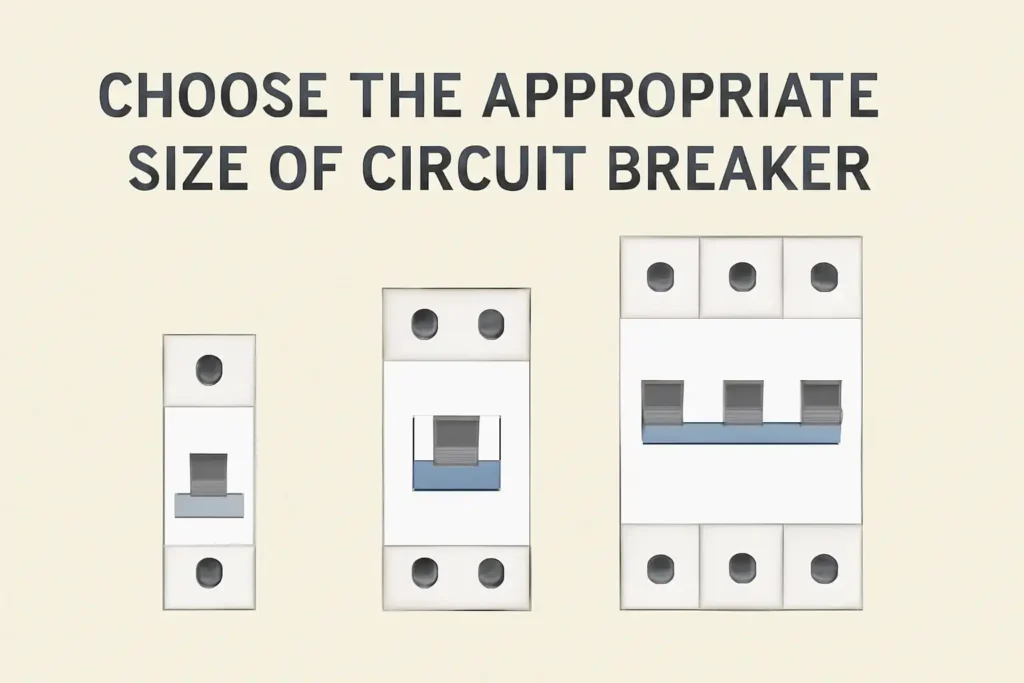
Choosing the right size circuit breaker for your air conditioner is more important than you might think. If your breaker is too small, it could trip constantly and leave you sweating.
If it’s too big, it might not protect your AC properly, risking damage or even fire. You want your air conditioner to run smoothly and safely without interruptions. This guide will help you understand exactly what size circuit breaker you need, so you can keep your home cool and your mind at ease.
Keep reading, and you’ll learn how to make the best choice for your air conditioner’s electrical needs.

Credit: www.onesto-ep.com
Air Conditioner Power Needs
Choosing the right size circuit breaker for your air conditioner keeps your home safe. It stops electrical overload and protects wiring from damage.
To pick the correct breaker, you must understand the power needs of your air conditioner. This includes the electrical load and cooling capacity.
Calculating Electrical Load
Electrical load means the total power your air conditioner uses. You find it by checking the unit’s power rating on its label.
- Look for the current rating in amps (A)
- Check the voltage rating, usually 120V or 240V
- Multiply voltage by current to get watts (Power = Voltage × Current)
- Add a safety margin of 25% to handle startup surges
Cooling Capacity And Power
Cooling capacity is measured in BTUs (British Thermal Units) per hour. Higher BTUs mean the air conditioner needs more power.
| Cooling Capacity (BTU/hr) | Approximate Power (Watts) | Recommended Breaker Size (Amps) |
| 5,000 | 500 | 15 |
| 10,000 | 1,000 | 20 |
| 15,000 | 1,500 | 25 |
| 20,000 | 2,000 | 30 |
Circuit Breaker Basics
Circuit breakers protect electrical devices from damage. They stop the flow of electricity during a fault.
Choosing the right breaker size is important for air conditioners. It keeps the system safe and working well.
Types Of Circuit Breakers
There are several types of circuit breakers. Each type works in different ways to protect circuits.
- Thermal Breakers: Use heat to trip the switch when current is too high.
- Magnetic Breakers: Use a magnetic field to open the circuit quickly.
- Thermal-Magnetic Breakers: Combine heat and magnetic features for better protection.
- Ground Fault Breakers: Detect leaks to ground and shut off power fast.
Breaker Ratings Explained
Breaker ratings tell you the maximum current the breaker can handle. Two main ratings matter for air conditioners.
| Rating Type | Meaning | Why It Matters |
| Amperage | Max current in amps | Protects wires from overheating |
| Voltage | Max voltage allowed | Keeps breaker safe with power supply |
Determining Breaker Size
Choosing the right circuit breaker size for your air conditioner is important. It protects your electrical system and keeps your unit safe.
This guide covers key points to help you find the correct breaker size for your air conditioner.
Manufacturer’s Recommendations
Always check the air conditioner’s manual. The manufacturer lists the recommended breaker size. This size matches the unit’s electrical needs.
- Look for the “Minimum Circuit Ampacity” rating
- Follow the suggested breaker size exactly
- Do not use a breaker smaller than recommended
- Use a breaker size that supports the air conditioner’s load
Using The Electrical Code
The National Electrical Code (NEC) sets safety rules. It helps electricians pick proper breaker sizes. The NEC uses formulas based on the unit’s amps.
| Breaker Size Rule | Details |
| 125% Rule | Breaker must be 125% of the unit’s running current |
| Minimum Circuit Ampacity | Check the label on the air conditioner |
| Wire Size | Choose wire that matches the breaker size |
Allowing For Startup Surge
Air conditioners use extra power when they start. This is called the startup surge. The breaker must handle this surge without tripping.
To handle startup surge:
- Use a breaker sized above the running amps
- Check the unit’s startup current on the nameplate
- Ensure the breaker size covers this surge safely
- Consult an electrician if unsure
Common Breaker Sizes For Ac Units
Choosing the right circuit breaker size is important for your air conditioner. The breaker protects your AC unit from electrical problems.
Breaker size depends on the AC unit size and its power needs. Different units need different breaker sizes.
Small Residential Units
Small residential AC units often have lower power needs. These units usually require smaller breakers to match their electrical load.
Most small units use breakers between 15 and 20 amps. This range keeps the unit safe and working well.
- Typical breaker size: 15 to 20 amps
- Used for window or small split AC units
- Protects wiring and unit from overloads
Medium-sized Systems
Medium-sized AC systems need more power than small units. They usually have higher breaker sizes to handle the load.
Breakers for these systems often range from 30 to 40 amps. This size works well for most central air conditioners in homes.
- Common breaker size: 30 to 40 amps
- Fits central air conditioning systems
- Ensures safe operation and avoids trips
Large Commercial Units
Large commercial AC units require much bigger breakers. These breakers support high power and protect large equipment.
Breaker sizes for commercial units often start at 50 amps and can go much higher. The exact size depends on the unit’s power rating.
- Breaker size usually 50 amps or more
- Used for big HVAC systems in buildings
- Protects heavy electrical loads and wiring
Safety Tips And Best Practices
Choosing the right size circuit breaker for your air conditioner is vital for safety. It helps protect your home from electrical problems.
Knowing how to avoid overloads, maintain your system, and when to call a professional keeps your AC working well.
Avoiding Overloading
Overloading happens when your circuit carries too much electricity. This can cause breakers to trip or wires to heat up.
Use the correct breaker size based on your AC’s power needs. Never connect too many devices to one circuit.
- Check your air conditioner’s amp rating on the label
- Pick a circuit breaker that matches or slightly exceeds this rating
- Avoid plugging other heavy devices into the same circuit
- Use dedicated circuits for large appliances like air conditioners
Regular Maintenance
Keep your air conditioner and electrical system clean and well-maintained. This helps prevent electrical problems and extends equipment life.
Look for signs like warm outlets, flickering lights, or frequent breaker trips. These may show that your system needs care.
- Clean or replace air filters regularly
- Inspect wiring and connections for damage
- Test your circuit breaker yearly
- Remove dust from vents and electrical panels
When To Consult A Professional
Call an electrician if you are unsure about the right breaker size or if problems continue. Electrical work can be dangerous.
Professionals can safely install and size breakers and check your system for hidden issues.
- If breakers trip often without clear cause
- When adding a new air conditioner or appliance
- If you see signs of electrical damage or burning smells
- For regular safety inspections

Credit: azadtechhub.com
Troubleshooting Breaker Issues
Air conditioners need the right circuit breaker size to work well. If the breaker trips often, it can stop your AC from running. Understanding why this happens helps you fix the problem fast.
Below are common reasons for breaker trips and ways to fix these issues safely. Follow these tips to keep your air conditioner running smoothly.
Frequent Tripping Causes
Breakers trip to protect your home from electrical hazards. Some common causes for frequent tripping include:
- Overloaded circuit from too many devices
- Short circuits in wiring or the AC unit
- Ground faults due to damaged insulation
- Wrong breaker size for the air conditioner’s power needs
- Faulty or aging breaker that needs replacement
Fixing Breaker Problems
To fix breaker issues, start by checking the breaker size and condition. Make sure the breaker matches the AC’s required amperage. Follow this checklist for troubleshooting:
- Turn off the AC and breaker before inspecting.
- Check the breaker label for its amperage rating.
- Inspect wiring for signs of damage or wear.
- Reset the breaker and observe if it trips again.
- Replace the breaker if it trips without cause.
- Call a licensed electrician for complex electrical problems.
| Issue | Possible Fix |
| Breaker too small | Install breaker with correct amperage |
| Damaged wiring | Repair or replace wires |
| Faulty breaker | Replace breaker unit |
| Overload | Reduce devices on the circuit |

Credit: www.reddit.com
Frequently Asked Questions
What Size Breaker Is Needed For A 1.5 Ton Ac?
A 1. 5 ton air conditioner typically requires a 20-amp circuit breaker. Always check the AC’s specifications. The breaker size depends on the unit’s running and starting current to prevent tripping and ensure safety.
How To Calculate Circuit Breaker Size For Ac?
To calculate breaker size, multiply the AC’s full-load amps by 1. 25. This accounts for startup surges. Then, select a breaker rating equal to or just above this value for safe operation.
Can A Bigger Breaker Protect My Air Conditioner Better?
No, using a bigger breaker can be dangerous. It may not trip during overloads, risking damage or fire. Always use the breaker size recommended by the AC manufacturer or electrical codes.
Why Is Breaker Size Important For Air Conditioners?
Proper breaker size prevents electrical hazards and equipment damage. It ensures the AC runs safely without frequent trips or overheating. Correct sizing maintains electrical system integrity and prolongs the unit’s life.
Conclusion
Choosing the right circuit breaker for your air conditioner is crucial. It ensures safety and efficiency. A properly sized breaker prevents electrical issues. Consult your air conditioner’s manual for exact requirements. Typically, the breaker size depends on the unit’s amperage.
Always follow local electrical codes. Incorrect breaker size can lead to overheating. This may cause damage or even fire risks. Seek expert advice if unsure. Proper installation provides peace of mind. Your air conditioner will run smoothly and safely. Protect your investment with the right circuit breaker.
Safety first, always.