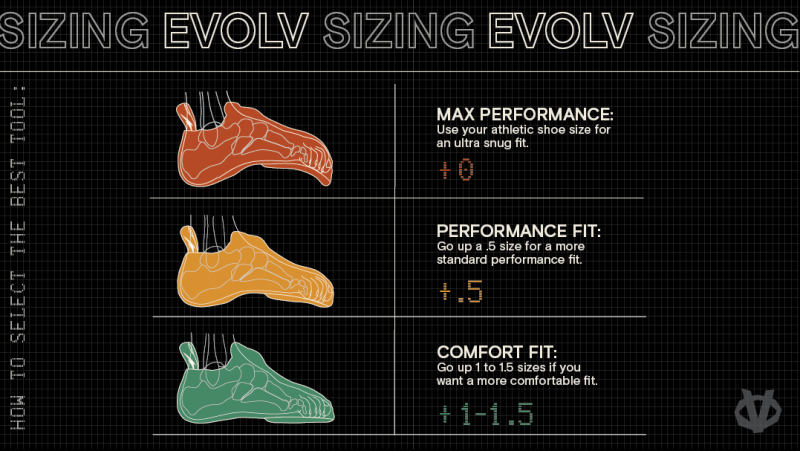
Choosing the right size climbing shoe can make or break your climbing experience. If your shoes are too tight, your feet will hurt and distract you.
If they’re too loose, you’ll lose grip and control on the wall. So, how do you find the perfect fit that feels just right? You’ll discover simple tips and expert advice to help you pick climbing shoes that match your feet perfectly.
Keep reading to climb with comfort and confidence every time.
Importance Of Shoe Fit
Choosing the right size climbing shoe is very important. A good fit helps you climb better and stay safe.
If your climbing shoes are too loose, your feet can slip inside. If they are too tight, your feet will hurt quickly.
How Climbing Shoes Should Fit
Climbing shoes should feel snug but not painful. They need to hold your foot firmly to give good control.
Your toes should be slightly curled, not flat. This helps with precision on small holds.
- Snug fit without sharp pain
- Toes slightly bent but not crushed
- No big gaps between foot and shoe
Signs Of Poor Shoe Fit
Tight shoes can cause pain, numbness, or bruised toes. Loose shoes can cause blisters and slipping.
- Numbness or tingling means too tight
- Blisters suggest too loose or rubbing
- Foot slipping means poor control
Why Fit Affects Climbing Performance
Proper fit helps you feel the rock better. You can push and pull with more power and balance.
Bad fit wastes energy and makes climbing harder. It can also cause foot injuries over time.
Tips For Trying On Climbing Shoes
Try shoes at the end of the day when your feet are largest. Wear the socks you plan to use while climbing.
- Wear climbing socks or no socks
- Walk and stand in the shoes
- Test toe and heel fit carefully
- Check for pressure points or gaps
Types Of Climbing Shoes
Climbing shoes come in different styles. Each style fits a certain climbing need. Choosing the right type helps you climb better and feel more comfortable.
Here are the three main types of climbing shoes: Neutral, Moderate, and Aggressive. Learn about their features to find what suits you.
Neutral Shoes
Neutral shoes have a flat shape. They are the most comfortable for beginners or long climbs. You can wear them for hours without pain.
They fit like regular shoes and provide good support. They are best for crack climbing and all-day use.
Moderate Shoes
Moderate shoes have a slight curve in the toe. They offer a balance of comfort and performance. Most climbers use these for general sport climbing.
- Good for edging on small holds
- Comfortable for longer climbs
- More precise than neutral shoes
- Fit snug but not tight
Aggressive Shoes
Aggressive shoes have a strong downward curve. They push your toes forward for better grip on tiny holds. They are made for advanced climbing and steep routes.
| Feature | Description |
|---|---|
| Shape | Downturned and pointed |
| Fit | Very tight and precise |
| Use | Sport climbing, bouldering, steep walls |
| Comfort | Less comfortable, short climbs preferred |
Measuring Your Foot
Choosing the right climbing shoe size is very important for comfort and performance. Measuring your foot helps find the best fit before buying.
It is best to measure your feet at the end of the day. Your feet swell slightly, so this gives a more accurate size.
Length And Width Considerations
Measure both the length and width of your foot. Climbing shoes need to fit snugly but not painfully tight.
Foot length helps choose the shoe size, while width ensures comfort and prevents pinching or slipping.
- Stand on a flat surface with your heel against a wall.
- Use a ruler or tape to measure from heel to longest toe.
- Measure the widest part of your foot as well.
- Compare measurements to the shoe brand’s size chart.
Using A Brannock Device
A Brannock device is a tool used in shoe stores to measure foot size accurately. It measures length, width, and arch length.
Place your foot on the device with your heel at the back. Slide the length bar to your longest toe and the width bar to the widest part.
- Step on the device with your full weight for accuracy.
- Record the length in inches or centimeters.
- Note the width size indicated on the device.
- Use these measurements to select the climbing shoe size.

Credit: www.reddit.com
Sizing Variations By Brand
Climbing shoe sizes can differ a lot depending on the brand. It is important to know these differences before buying.
Many brands use different sizing systems. This can make it hard to find the right fit if you only know your usual size.
European Vs. Us Sizing
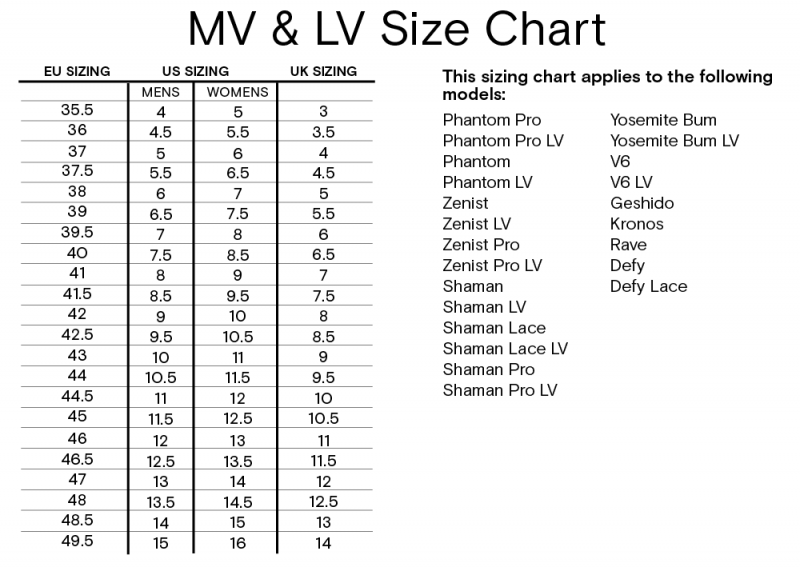
European and US sizes are the most common systems for climbing shoes. European sizes use numbers like 38 or 42. US sizes use numbers like 6 or 10.
European sizes usually run smaller than US sizes. For example, a size 42 in Europe is about a size 9 in the US. Always check a size chart before buying.
| European Size | US Men’s Size | US Women’s Size |
| 38 | 6.5 | 8 |
| 39 | 7.5 | 9 |
| 40 | 8 | 9.5 |
| 41 | 8.5 | 10 |
| 42 | 9 | 10.5 |
Popular Brand Fit Comparisons
Different brands fit climbing shoes in unique ways. Some brands run small, others run large. Knowing this helps you pick the right size.
- La Sportiva:Runs true to European size. Fit is snug but comfortable.
- Five Ten:Tends to run half a size larger than European sizing.
- Scarpa:Slightly narrow fit. Consider sizing up if you have wide feet.
- Mad Rock:Often runs large. Many climbers size down.
- Evolv:Fits true to US size. Generally wider toe box.
Material And Stretch Factor
Choosing the right climbing shoe size depends on the material and how much it stretches. Shoes made from different materials stretch differently. This affects the fit over time.
Knowing the stretch factor helps you pick a size that stays comfortable. You want a snug fit that won’t become loose after wearing.
Leather Shoes
Leather climbing shoes stretch more than synthetic shoes. The leather softens and molds to your feet. This means the shoes will feel bigger after some use.
Buy leather shoes a bit tighter than your foot size. Expect them to stretch about half a size after breaking in. This helps keep a snug fit.
- Leather stretches 5-10% with wear
- Good for climbers who want a custom fit
- Needs time to break in properly
Synthetic Shoes
Synthetic climbing shoes stretch very little. The material holds its shape well over time. This means the fit stays close to the size you buy.
Buy synthetic shoes closer to your exact foot size. They will not loosen much, so comfort is important from the start.
- Synthetics stretch less than 2%
- Good for those who want consistent fit
- Often feel stiff at first but stay stable

Credit: www.reddit.com
Fit For Different Climbing Styles
Choosing the right climbing shoe size depends on the type of climbing you do. Each style needs a different fit for comfort and performance.
Understanding how your shoes should fit helps you climb better and avoid foot pain.
Bouldering
Bouldering involves short, powerful moves on small holds. Shoes need to fit tight for better control.
Choose shoes that feel snug but do not cause pain. A very tight fit helps with precision.
- Tight fit without numbness
- Downsize about half a size from street shoes
- Look for aggressive shapes for toe power
Sport Climbing
Sport climbing requires endurance on longer routes. Shoes should be comfortable for long wear.
Select shoes that fit snugly but allow your feet to relax a bit. Avoid very tight shoes to prevent pain.
- Snug fit with some comfort
- Downsize slightly from normal shoes
- Moderate stiffness for support and flexibility
Trad Climbing
Trad climbing needs shoes that are comfortable for walking and long climbs. Fit should not be too tight.
Choose shoes that fit close but allow good blood flow. Comfort helps prevent foot pain on long days.
- Comfortable fit for all-day wear
- Usually same size or just slightly smaller than street shoes
- Stiffer soles for protection on rough terrain
Trying Shoes On
Choosing the right climbing shoe size is important for comfort and performance. Trying shoes on helps find the best fit for your feet.
Wear climbing socks or go barefoot, as you will when climbing. Test the shoes by walking and flexing your feet.
Signs Of A Good Fit
A well-fitted climbing shoe should feel snug but not painful. Your toes should lie flat and not curl tightly.
- The shoe grips your heel without slipping
- There is no pinching or sharp pressure points
- Your toes reach the end but do not cramp
- The shoe feels firm and supportive
- You can wiggle your toes slightly
Common Fit Issues
Ill-fitting climbing shoes cause discomfort and reduce climbing ability. Watch for these problems when trying shoes on.
| Issue | Cause | Effect |
| Too tight | Shoe size too small or narrow | Toe pain, numbness, blisters |
| Too loose | Shoe size too large or wide | Heel slipping, poor control |
| Toe curling | Shoe shape not matching foot | Foot cramps, quick fatigue |
| Pressure points | Wrong shoe last or lacing | Pain and skin irritation |
Caring For Your Climbing Shoes
Taking good care of your climbing shoes helps them last longer. Clean and store them properly to keep their shape and performance.
Regular care also keeps your shoes smelling fresh and prevents damage to the materials.
Cleaning Tips
Clean your climbing shoes often to remove dirt and sweat. Avoid using strong chemicals that can damage the rubber and fabric.
- Use a soft brush to remove dirt and dust
- Wipe the inside with a damp cloth to reduce odor
- Air dry shoes away from direct sunlight
- Avoid machine washing or drying
- Use baking soda inside the shoes to absorb moisture
Proper Storage
Store your climbing shoes in a cool, dry place. Proper storage helps keep their shape and prevents mold growth.
| Storage Tip | Reason |
| Keep shoes in a breathable bag | Allows air to flow and prevents odor |
| Do not leave shoes in a hot car | Heat can warp the rubber and glue |
| Stuff shoes with paper when not in use | Maintains shoe shape and absorbs moisture |
| Store away from direct sunlight | Prevents material from fading and cracking |
Credit: www.evolvsports.com
Frequently Asked Questions
What Size Should Climbing Shoes Fit?
Climbing shoes should fit snugly without causing pain. They must be tight enough to prevent foot movement but not cut off circulation. Proper fit enhances control and sensitivity on holds, improving climbing performance and comfort.
How Do Climbing Shoe Sizes Differ From Regular Shoes?
Climbing shoes usually run smaller than regular shoes. Most climbers buy a size or two down for a tighter fit. Different brands may vary, so always try shoes on or check size charts before purchasing.
Can Climbing Shoes Stretch Over Time?
Yes, climbing shoes stretch slightly with wear, especially leather models. Synthetic shoes stretch less. Expect about half a size stretch, so initial fit should be snug but not unbearable.
Should I Size Climbing Shoes For Comfort Or Performance?
Balance comfort and performance when sizing shoes. For beginners, comfort is key. Advanced climbers often prefer tighter shoes for better precision and grip. Choose based on your skill level and climbing goals.
Conclusion
Choosing the right climbing shoe size matters a lot. It affects comfort and climbing performance. Shoes that are too tight cause pain and blisters. Shoes too loose reduce your grip and control. Always try shoes on and walk around a bit.
Pay attention to fit, not just the number. Remember, your feet might swell after some climbing. Different brands can fit differently. Take your time to find the best size for you. Good fit means better climbs and less foot pain.
Keep these tips in mind before your next purchase.