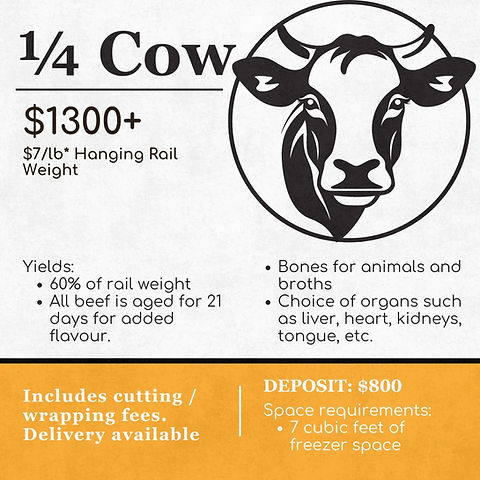
If you’re planning to freeze meat from a quarter of a cow, one big question probably has you stuck: what size freezer do you actually need? Choosing the right freezer size isn’t just about fitting the meat inside—it’s about keeping your food fresh, saving space, and making your life easier.
You’ll discover exactly how to pick a freezer that fits your needs perfectly. By the end, you’ll feel confident that your meat will be stored safely and efficiently, without wasting money or space. Ready to find the perfect freezer size for your quarter cow?
Let’s dive in.

Credit: www.reddit.com
Estimating Meat Yield From 1/4 Cow
Estimating the meat yield from a 1/4 cow is essential for planning your freezer space and meal prep. Knowing how much usable meat you’ll get helps avoid surprises and ensures you have enough room for storage. Let’s break down the numbers and cuts so you can make informed choices.
Average Weight Of A Quarter Cow
A quarter of a cow typically weighs between 150 to 200 pounds, depending on the breed and size of the animal. This weight refers to the hanging weight after the animal has been slaughtered and dressed, not the live weight. Keep in mind, the live weight can be roughly four times higher.
Usable Meat After Butchering
Not all of the quarter cow’s weight ends up as edible meat. After butchering, bones, fat, and trimming reduce the weight by about 30% to 40%. This means from 150 pounds hanging weight, you might expect around 90 to 105 pounds of usable meat.
Think about your freezer space: will it comfortably hold this amount? Also, consider that some cuts freeze better than others, so organization matters.
Types Of Cuts Included
Your 1/4 cow will include a variety of cuts, such as:
- Steaks (sirloin, ribeye, T-bone)
- Roasts (chuck, rump)
- Ground beef
- Short ribs and stew meat
Each cut has different storage needs and cooking times. Which cuts do you use most often? Knowing this helps you decide how to portion and store your meat efficiently.

Credit: www.reddit.com
Freezer Size Options
Choosing the right freezer size for storing a quarter of a cow is crucial. Freezer size affects how well meat stays fresh and how easy it is to organize. Several options fit different spaces and budgets. Understanding the pros and cons helps make the best choice.
Chest Freezers Vs Upright Freezers
Chest freezers open from the top. They hold cold air better. This saves energy and keeps meat frozen longer. They often have more space for bulky items. Organizing can be harder because you stack items inside.
Upright freezers open like a fridge. Shelves and drawers help organize meat neatly. They take less floor space and fit well in tight areas. They may use more energy and lose cold air when opened.
Capacity Recommendations For 1/4 Cow
A quarter of a cow usually needs 5 to 7 cubic feet of freezer space. This depends on how much meat you get and how it is packed. Vacuum sealing reduces space and keeps meat fresh longer. Choose a freezer slightly larger to allow room for extra items.
Space Considerations
Measure your available space before buying a freezer. Chest freezers need more floor space but less height. Upright freezers fit in narrow spots but need extra clearance to open the door. Make sure there is good air flow around the freezer.
Think about ease of access. You want to reach meat without moving many packages. Consider the freezer location for convenience and temperature stability. Avoid placing it near heat sources or in direct sunlight.
Calculating Storage Needs
Calculating the right freezer size for storing meat from one-quarter of a cow requires understanding storage needs. You must estimate the volume of meat and consider packaging and airflow. Proper planning avoids overcrowding and spoilage.
Volume Of Meat Per Pound
One pound of meat takes about 0.04 cubic feet of freezer space. A quarter cow yields roughly 100 to 150 pounds of meat. Multiply the weight by 0.04 to find total volume needed.
- 100 pounds × 0.04 = 4 cubic feet
- 150 pounds × 0.04 = 6 cubic feet
Allow space for bones and fat; these add bulk. Choose a freezer with at least 6 cubic feet for comfort.
Packaging And Organization Tips
Use uniform packages to maximize space. Vacuum sealing reduces air and prevents freezer burn. Label each pack with contents and date.
Stack packages flat to save room. Use baskets or bins to keep similar cuts together. This helps quick access and better organization.
Allowing Room For Air Circulation
Leave some space between packages for cold air flow. Good circulation keeps meat frozen evenly. Avoid packing the freezer too tightly.
Check freezer shelves and vents to prevent blockages. Proper airflow keeps meat fresh longer and avoids freezer damage.
Energy Efficiency And Cost
Choosing the right freezer size for storing 1/4 cow affects energy use and costs. A freezer that is too large or too small wastes electricity and money. Understanding energy efficiency helps save on bills while keeping meat fresh.
Power Consumption Of Different Freezers
Freezers vary in power use depending on type and size. Chest freezers usually use less power than upright models. Small freezers consume less energy but might not fit large meat portions. Larger freezers use more electricity but store more food.
- Chest freezers: about 100-250 kWh per year
- Upright freezers: about 200-400 kWh per year
- Compact freezers: under 150 kWh per year
Choosing a freezer with low power consumption reduces energy bills.
Long-term Operating Costs
Initial price is not the only cost. Operating costs affect total spending over time. A freezer running 24/7 adds up in electricity charges. Energy-efficient models save money year after year. Calculate cost by multiplying power use by local electricity rates.
Regular maintenance keeps the freezer working efficiently. Defrost and clean to avoid extra energy use. A freezer with good insulation costs less to run.
Energy-saving Features To Look For
Modern freezers include features that reduce energy use. Look for these when choosing a freezer for 1/4 cow:
- Energy Star certification
- Thick insulation for better cold retention
- Adjustable thermostats for precise temperature control
- Automatic defrost systems to prevent ice build-up
- LED lighting that uses less power
These features help keep electricity use low and protect your investment.
Maintaining Meat Quality
Maintaining meat quality after harvesting a quarter cow is crucial for long-term storage. Proper handling and freezing preserve flavor, texture, and safety. Small mistakes can cause spoilage or freezer burn. Careful attention ensures the meat stays fresh and tasty.
Ideal Freezer Temperatures
Keep your freezer at or below 0°F (-18°C). This temperature stops bacterial growth and slows enzyme activity. Consistent cold prevents the meat from thawing and refreezing. Use a freezer thermometer to check temperatures regularly.
Proper Wrapping Techniques
Wrap meat tightly to block air and moisture. Use heavy-duty freezer paper, vacuum bags, or plastic wrap. Double wrapping adds extra protection. Label packages with dates and cuts for easy use. Remove as much air as possible before sealing.
Avoiding Freezer Burn
Freezer burn dries out the meat and changes its taste. It happens when air reaches the surface. Wrap meat securely and avoid long freezer storage without rotation. Store meat in the coldest part of the freezer. Use older packages first to reduce waste.
Credit: www.snipershide.com
Additional Storage Tips
Storing meat from a 1/4 cow requires smart planning. Efficient storage keeps meat fresh longer and reduces waste. Simple habits can make your freezer organized and easy to use.
Labeling And Inventory Tracking
Label each package clearly with the cut and date. Use waterproof markers or printed labels for durability. Keep a list or spreadsheet to track what you have. Update it every time you add or remove meat. This helps avoid forgetting old packages.
Organizing For Easy Access
Group similar cuts together in your freezer. Use bins or baskets to separate steaks, roasts, and ground beef. Arrange packages so the oldest meat is in front. This method helps you use meat before it loses quality. Avoid over-stacking to allow air circulation.
Backup Storage Solutions
Consider a secondary freezer for large amounts of meat. This prevents overcrowding and maintains proper temperatures. If you lack space, vacuum-seal smaller portions to save room. Freezing meat in meal-sized packs also speeds up thawing.
Frequently Asked Questions
What Size Freezer Is Ideal For 1/4 Cow Storage?
A 15 to 20 cubic feet freezer is ideal for storing 1/4 of a cow. It provides enough space for meat cuts without overcrowding. Choose a chest or upright freezer based on your space and convenience needs.
How Much Meat Comes From 1/4 Of A Cow?
1/4 of a cow yields approximately 100 to 150 pounds of meat. This amount varies based on the cow’s size and butchering style. Ensure your freezer can accommodate this volume with some extra room for packaging.
Can A 10 Cubic Feet Freezer Fit 1/4 Cow Meat?
A 10 cubic feet freezer is usually too small for 1/4 cow meat. It may fit only a portion of the meat, leading to overcrowding and poor freezing. Opt for larger capacity to ensure proper storage and meat quality.
What Type Of Freezer Is Best For 1/4 Cow?
Chest freezers are best for 1/4 cow meat due to better temperature stability and space efficiency. They keep meat frozen longer and use less energy compared to upright freezers. Upright freezers offer easier organization but less storage space.
Conclusion
Choosing the right freezer size for a quarter cow matters. It ensures you store your beef efficiently. A small to medium freezer often suffices. Remember, space to organize your cuts is important. Consider future meat purchases as well. Proper planning saves time and hassle.
Ask yourself: how much meat will you buy later? Make sure your freezer fits your lifestyle and needs. Happy storing and enjoy your beef!