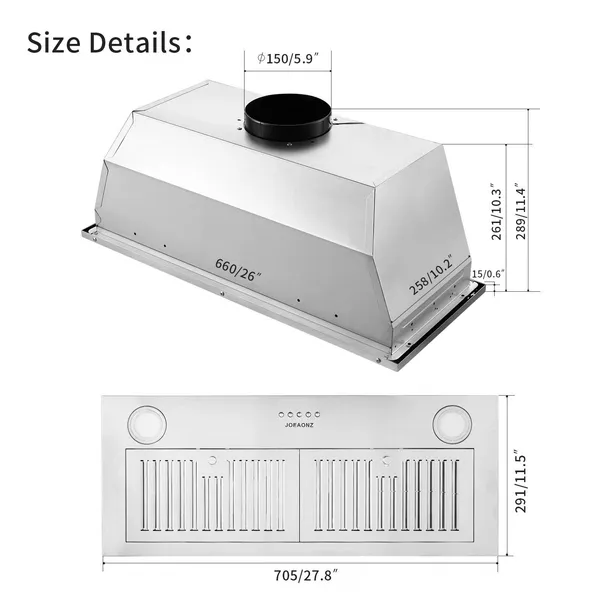
Choosing the right size hood for your 30-inch range can make a big difference in your kitchen. If you pick the wrong size, you might face poor ventilation, lingering smells, or even safety issues.
You want a hood that fits perfectly, works efficiently, and keeps your cooking space fresh. This guide will help you understand exactly what size hood you need, so you can make the best choice without any guesswork. Keep reading to find out how to get the perfect match for your range and enjoy a cleaner, more comfortable kitchen.
Credit: branohome.com
Choosing The Right Hood Size
Choosing the right hood size for your 30-inch range is key to keeping your kitchen smoke-free and odor-free. A hood that’s too small won’t capture all the cooking fumes, while one that’s too large can overwhelm your space and budget. Understanding the standard sizes and how they match your range helps you get the perfect balance of function and style.
Standard Hood Sizes For 30 Inch Ranges
Most hoods designed for a 30-inch range come in widths of 30, 36, or 42 inches. The 30-inch hood matches the range exactly, offering a clean, streamlined look. However, many homeowners choose a 36-inch hood to provide extra coverage and ensure better ventilation.
Here’s a quick look at common hood sizes for 30-inch ranges:
- 30 inches:Fits the range width precisely, ideal for smaller kitchens.
- 36 inches:Extends beyond the range edges for improved smoke capture.
- 42 inches:Offers maximum coverage but can dominate small spaces.
Importance Of Proper Hood Dimensions
Proper hood dimensions impact how well your kitchen stays fresh during cooking. A hood that’s too narrow or too short won’t trap smoke effectively, leaving your walls and ceilings stained. Conversely, a hood that’s too large can pull more air than necessary, causing drafts and energy waste.
Think about your kitchen’s size and airflow when choosing hood dimensions. Your hood should fit your cooking habits and the room’s layout, not just match the range width.
Matching Hood Size To Range Width
Matching the hood size to your range width ensures optimal performance. If your range is 30 inches wide, a hood the same width or slightly wider works best. A hood that extends 3 to 6 inches beyond each side of the range captures more smoke and grease efficiently.
Consider how often you cook and the types of meals you prepare. If you frequently sear or fry, opting for a wider hood can make a big difference. Ask yourself: Is better ventilation worth a few extra inches in your kitchen?

Credit: www.amazon.com
Measuring Your Kitchen Space
Measuring your kitchen space is crucial before choosing a hood for a 30-inch range. Proper measurements ensure the hood fits well and works effectively. It also helps avoid costly mistakes and installation problems. Start by understanding your kitchen layout and available space.
Assessing Wall And Cabinet Space
Check the width of the wall where the hood will go. Measure the distance between cabinets or other obstacles. Ensure there is enough room for a hood wider than the 30-inch range. A hood that is at least as wide as the range provides better ventilation. Take note of any shelves or decorations that might block installation.
Height Considerations Above The Range
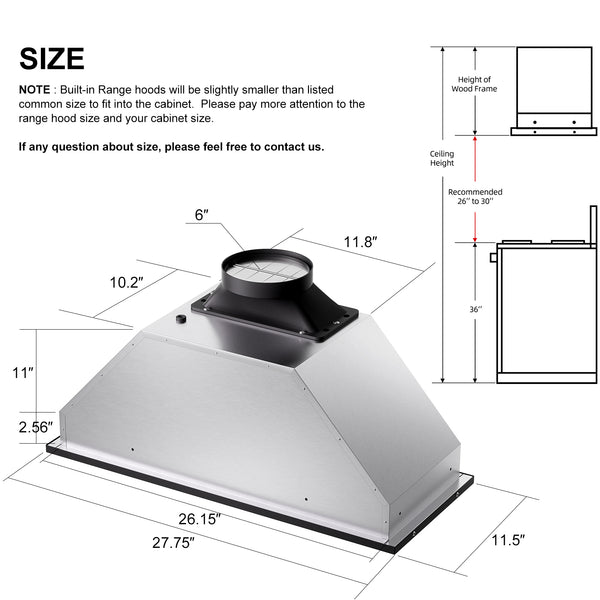
Measure the height from the cooking surface to the bottom of the hood. Most manufacturers recommend 24 to 30 inches of clearance for gas ranges. Electric ranges may need slightly less clearance. The hood must be high enough to clear pots and pans. It also needs to be low enough to capture smoke and steam effectively.
Clearance And Ventilation Requirements
Check local building codes for required clearances and ventilation rules. Ensure the hood will connect properly to existing ductwork or vent space. Plan for enough space behind the hood for air to flow. Avoid placing the hood too close to combustible materials. Proper clearance keeps your kitchen safe and improves hood performance.
Types Of Range Hoods
Choosing the right type of range hood for your 30-inch range can significantly affect your kitchen’s air quality and style. Different types of hoods suit different kitchen layouts, cooking habits, and ventilation needs. Understanding these options helps you make a choice that fits both your space and your lifestyle.
Under-cabinet Hoods
Under-cabinet hoods fit neatly beneath your kitchen cabinets, making them a popular choice for smaller kitchens. They save space and usually come with built-in lighting to brighten your cooking area. If you have a standard 30-inch range, these hoods often match perfectly in size and design.
They are easy to install and usually more affordable than other types. However, they may not provide the strongest ventilation for heavy cooking. Think about how much you cook and whether you need stronger air extraction before choosing this type.
Wall-mounted Hoods
Wall-mounted hoods attach directly to the wall above your range and often become a focal point in your kitchen. They come in a variety of styles, from sleek and modern to classic and decorative. These hoods can offer powerful ventilation, ideal if you cook frequently or use high heat.
If your 30-inch range is against a wall without cabinets above it, this hood type is a practical and stylish option. You can pick a hood that matches your kitchen’s design while ensuring effective smoke and odor removal.
Island Hoods
Island hoods hang from the ceiling and are designed for ranges placed in the middle of your kitchen. They create a dramatic look and provide ventilation from above, which is essential if your 30-inch range sits on an island. Installation requires more planning due to ceiling mounting and ductwork.
These hoods often have a larger footprint to effectively cover the cooking area. If you want your hood to be a centerpiece, island hoods offer plenty of design options and strong performance. Ask yourself if your kitchen layout supports this type before deciding.
Downdraft Hoods
Downdraft hoods rise from the countertop behind your 30-inch range and pull smoke downward. They are great for kitchens where a traditional overhead hood isn’t possible, such as with certain island or peninsula setups. When not in use, they retract out of sight, preserving a clean look.
While less common, downdraft hoods can work well if you don’t cook heavily or produce a lot of smoke. Consider if your cooking style fits this lower-profile solution. Have you noticed if your current setup traps smoke or smells? This type might solve that problem discreetly.

Credit: www.amazon.com
Hood Ventilation Power
Hood ventilation power is a key factor to consider when choosing a hood for your 30-inch range. It determines how effectively the hood can remove smoke, odors, and grease from your kitchen air. Understanding how to measure and balance this power ensures you maintain a clean and comfortable cooking environment without unnecessary noise or energy waste.
Calculating Cfm For A 30 Inch Range
CFM, or cubic feet per minute, measures the airflow the hood can move. For a 30-inch range, a good rule of thumb is to have at least 100 CFM for every 10 inches of stove width. That means your hood should have a minimum of 300 CFM to handle typical cooking tasks efficiently.
If you do a lot of high-heat cooking like frying or grilling, consider increasing the CFM to 350 or even 400. This extra power helps clear out smoke and strong odors faster. Have you noticed your kitchen still feels smoky after cooking? A higher CFM hood might be what you need.
Balancing Power And Noise Levels
More ventilation power often means more noise. However, you don’t have to accept a loud kitchen as the trade-off. Look for hoods with noise ratings, usually measured in sones, to find one that balances performance and quiet operation.
Many modern hoods offer multiple fan speeds. This lets you use a lower, quieter setting for everyday cooking and ramp up power only when needed. Think about how often you cook and what noise level you can tolerate. Would you prefer a quiet hum or a powerful roar?
Duct Size And Installation Tips
Proper duct size is crucial to maximize your hood’s ventilation power. For a 300-400 CFM hood, a duct diameter of 6 inches or more is typically recommended. Using a smaller duct restricts airflow and reduces efficiency.
Keep duct runs as short and straight as possible. Avoid sharp bends that can slow air movement and increase noise. If you’re installing the hood yourself, double-check these details—they make a big difference in performance.
Material And Style Options
Choosing the right material and style for your 30-inch range hood affects both function and appearance. The material impacts durability, ease of cleaning, and how well it fits your kitchen’s look. Style options let you match the hood with your cabinets and appliances. You can find hoods in several materials and designs, each with distinct benefits.
Stainless Steel Vs. Other Materials
Stainless steel is popular for range hoods due to its strength and modern look. It resists stains and heat, making it easy to clean. This material works well in many kitchen styles, from contemporary to industrial.
Other materials include:
- Aluminum:Lightweight and affordable but less durable than steel.
- Tempered glass:Adds a sleek, stylish touch but requires more care.
- Wood:Offers a warm, traditional feel but needs special treatment against heat and moisture.
Designs To Complement Your Kitchen
Range hood designs range from simple to elaborate. Wall-mounted hoods sit above the stove and save space. Island hoods hang from the ceiling, perfect for kitchen islands. Under-cabinet hoods fit neatly beneath cabinets, providing a subtle look.
Colors and finishes vary. Matte black or white can soften the look. Brushed or polished finishes add shine and style. Choose a design that matches your kitchen’s theme and size.
Lighting Features And Controls
Good lighting helps you see clearly while cooking. Most range hoods have built-in LED or halogen lights. LEDs use less energy and last longer.
Controls vary from simple buttons to touch panels. Some hoods offer multiple fan speeds and light settings. Easy-to-use controls improve your cooking experience.
Installation Tips For A Perfect Fit
Installing the right size hood for a 30-inch range requires careful planning. A perfect fit ensures efficient ventilation and a sleek kitchen look. Proper installation avoids common problems and improves hood performance.
Professional Vs. Diy Installation
Professional installation guarantees a safe and precise fit. Experts handle electrical wiring and ductwork correctly. They ensure the hood meets building codes and safety standards. DIY installation can save money but needs skill and tools. Mistakes can lead to poor ventilation or damage. Choose professional help for complex setups or if unsure.
Common Installation Mistakes To Avoid
- Incorrect hood height reduces effectiveness and can cause smoke buildup.
- Wrong duct size limits airflow and makes the hood noisy.
- Poor sealing around ducts leads to air leaks and energy loss.
- Ignoring electrical requirements can cause hazards or appliance failure.
- Failing to measure space accurately results in a hood that doesn’t fit well.
Maintenance And Cleaning Considerations
Clean filters regularly to keep the hood working well. Grease buildup blocks airflow and may cause odors. Use mild soap and water for the hood surface. Check ducts annually for blockages or damage. Proper upkeep extends hood life and improves kitchen air quality.
Frequently Asked Questions
What Size Hood Is Ideal For A 30-inch Range?
For a 30-inch range, a 36-inch hood is ideal. This ensures optimal coverage and efficient ventilation. A larger hood helps capture steam, smoke, and odors better. It also enhances kitchen aesthetics. Always consider the hood’s CFM rating for effective performance.
Can I Use A 30-inch Hood For My Range?
Using a 30-inch hood for a 30-inch range is possible but not recommended. A slightly larger hood offers better coverage and performance. It ensures proper ventilation by capturing more smoke and odors. A larger hood also adds an aesthetic appeal to your kitchen.
How Much Cfm Do I Need For A 30-inch Range?
For a 30-inch range, 250 to 500 CFM is recommended. This range ensures effective ventilation for most cooking activities. Higher CFM ratings are suitable for heavy cooking. Always balance CFM with noise levels for a comfortable kitchen environment.
Is A Wall-mounted Hood Suitable For A 30-inch Range?
Yes, a wall-mounted hood is suitable and popular for a 30-inch range. It offers effective ventilation and enhances kitchen design. Ensure it’s wider than the range for optimal performance. Wall-mounted hoods provide flexibility and are available in various styles and finishes.
Conclusion
Choosing the right hood size for a 30-inch range matters a lot. A hood that matches your range helps remove smoke and odors well. Too small or too big can cause problems in the kitchen. A 30-inch hood fits best for a 30-inch range, giving good airflow.
Keep in mind the hood’s power and noise levels too. This simple step keeps your cooking area fresh and clean. Pick the right hood size to enjoy a better cooking experience every day.