
Choosing the right size hood for your 36-inch range is more important than you might think. If your hood is too small, it won’t capture smoke, steam, and odors properly.
Too big, and it could overpower your kitchen’s look and waste energy. You want a hood that fits perfectly, works efficiently, and keeps your cooking space fresh. You’ll discover exactly what size hood you need for your 36-inch range and why getting this right makes all the difference.
Keep reading to find the simple answers that make your kitchen cleaner and more comfortable.
Choosing Hood Size For A 36 Range
A hood for a 36-inch range should match its width for proper ventilation. Choosing the same size ensures effective smoke and odor removal. A slightly larger hood can offer better coverage and airflow.
Choosing the right hood size for a 36-inch range isn’t just a design decision; it’s crucial for a functional and efficient kitchen. Your range hood should effectively capture smoke, grease, and odors, keeping your kitchen environment fresh. But how do you determine the perfect hood size for your 36-inch range? Let’s break it down into manageable insights.Standard Hood Dimensions
Typically, experts recommend that your range hood be at least as wide as your range. For a 36-inch range, a 36-inch hood is a standard choice. However, to maximize efficiency, consider opting for a hood that’s a bit wider, like 42 inches, to ensure it captures all the fumes and steam.Importance Of Proper Hood Size
Having the right hood size impacts your kitchen’s air quality significantly. A hood that’s too small might not effectively capture all the smoke, leading to greasy residues on your cabinets and walls. Conversely, an oversized hood might look bulky and out of place, dominating your kitchen’s aesthetics. Think about your cooking habits. Do you frequently cook with high heat or create a lot of steam? If so, a slightly larger hood could be beneficial. It’s all about finding a balance between function and style that suits your kitchen needs.Measuring Your Range Accurately
Accurate measurements are crucial when selecting your hood size. Use a measuring tape to confirm your range’s width, ensuring you measure from edge to edge. Consider the height and depth as well, as these can influence the hood’s effectiveness. Measure the space above your range to see how much room you have for the hood. This ensures you choose a hood that fits perfectly and performs efficiently. Ask yourself, is your kitchen layout flexible enough to accommodate a larger hood? This can impact your decision on whether to stick with a standard size or go a bit bigger.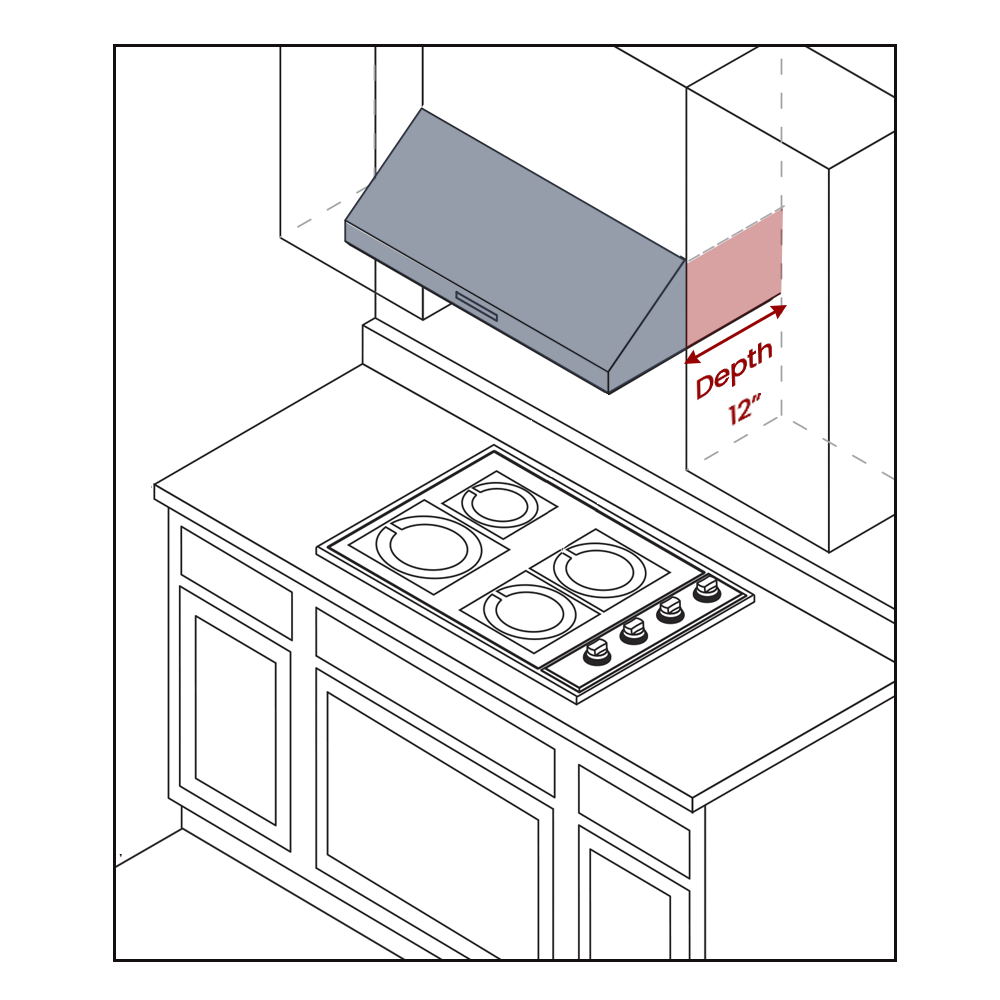
Credit: www.2pacific.com
Matching Hood Width To Range
Matching the hood width to your 36-inch range is key for effective ventilation. The hood must cover the entire cooking surface to capture smoke, steam, and odors properly. Choosing the right width balances performance and style in your kitchen.
Ideal Hood Width Options
The best hood width is usually the same as the range width or wider. For a 36-inch range, a 36-inch or 42-inch hood works well. A 36-inch hood fits perfectly, while a 42-inch hood offers extra coverage.
Wide hoods provide more airflow and better capture of cooking fumes. Narrower hoods may leave some areas exposed, reducing ventilation quality.
Consequences Of Undersized Hoods
Hoods smaller than the range can cause poor air capture. Smoke and grease may escape into the kitchen. This leads to lingering smells and harder cleaning.
Undersized hoods can also strain the motor, as it works harder to ventilate a larger area. This may shorten the hood’s lifespan and reduce efficiency.
Benefits Of Oversized Hoods
Choosing a hood wider than your range improves air capture. It prevents smoke and steam from escaping. The kitchen stays cleaner and smells fresher.
Oversized hoods also add style and presence above the cooking area. They can balance out the look of large ranges and open kitchens.
Hood Height And Depth Considerations
Choosing the right hood height and depth is crucial for maximizing your 36-inch range’s ventilation. These dimensions directly affect how well the hood captures smoke, steam, and cooking odors. Understanding these elements helps you avoid common mistakes and ensures your kitchen stays fresh and comfortable.
Optimal Hood Height Placement
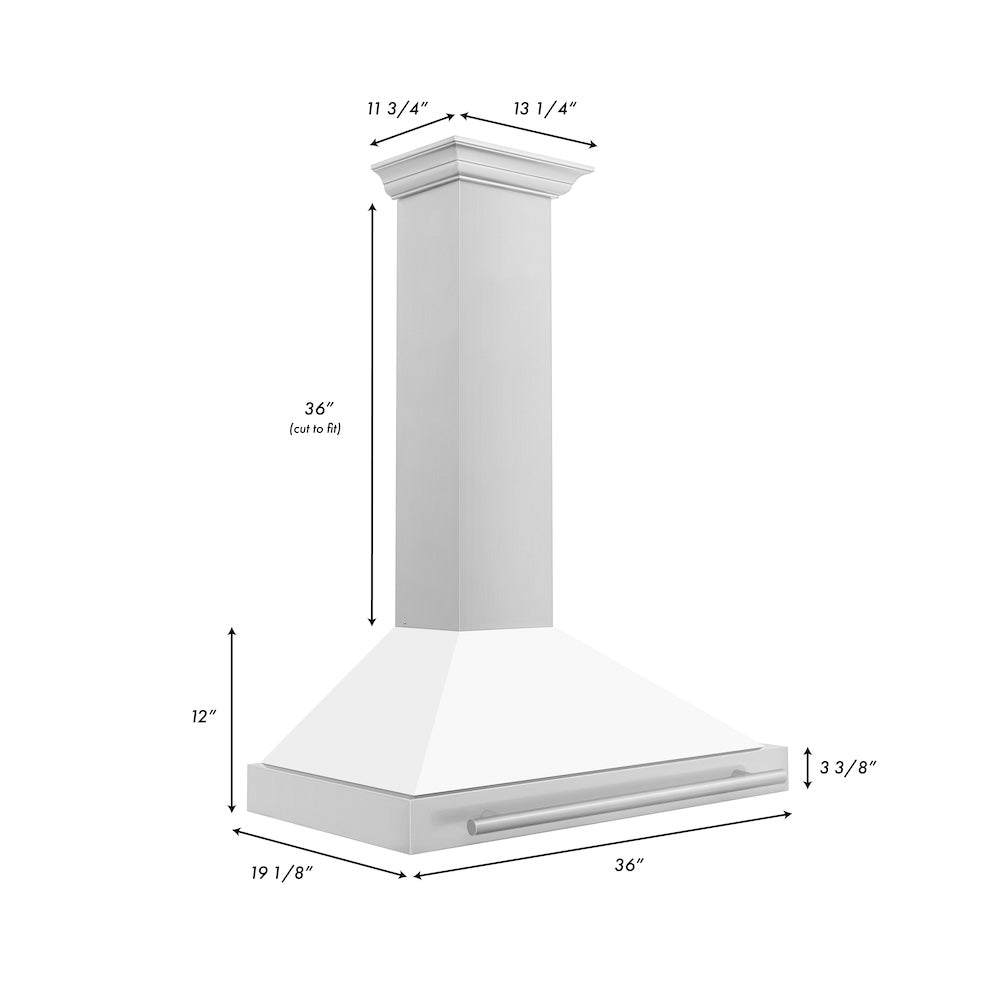
The ideal height for mounting your hood above a 36-inch range generally falls between 24 and 30 inches. Placing it too high reduces its ability to capture smoke, while too low can interfere with cooking and cause safety issues.
Think about your kitchen setup and ceiling height. If your ceiling is low, aim for the lower end of the range but keep enough clearance to avoid heat damage. On the other hand, taller ceilings may allow you to mount the hood a bit higher without losing effectiveness.
Have you checked how your current hood performs? Try cooking and observe if smoke escapes or if the hood feels intrusive. Adjusting the height even a few inches can make a noticeable difference.
Depth Requirements For Efficient Ventilation
The hood’s depth should cover the entire width of your 36-inch range to capture all fumes effectively. A depth of at least 20 to 24 inches is recommended to ensure proper airflow and coverage.
If your hood is too shallow, smoke and odors might escape from the sides, making your ventilation less efficient. Conversely, overly deep hoods can dominate your kitchen space and may not add extra performance.
Consider the style and placement of your hood too. Wall-mounted hoods usually offer more flexibility in depth, while island hoods need careful measurement to keep balance in the room.

Credit: www.amazon.com
Types Of Range Hoods For 36 Ranges
Choosing the right type of range hood for a 36-inch range helps keep your kitchen clean and fresh. Range hoods remove smoke, grease, and odors from cooking. The design of your kitchen and the location of your stove affect which hood works best. Three common types fit well with a 36-inch range: wall-mounted hoods, under-cabinet hoods, and island hoods.
Wall-mounted Hoods
Wall-mounted hoods attach directly to the wall above the range. They are ideal for kitchens where the stove is against a wall. These hoods come in various styles, including chimney and flat designs. They offer strong ventilation and add a modern look to the kitchen. Wall-mounted hoods often have a width matching the 36-inch range for full coverage.
Under-cabinet Hoods
Under-cabinet hoods install beneath kitchen cabinets above the range. They save space and blend with existing cabinetry. These hoods work well in smaller kitchens or where a sleek look is desired. They provide good suction and lighting for cooking areas. Under-cabinet hoods must be at least 36 inches wide to cover the entire range surface.
Island Hoods
Island hoods hang from the ceiling above a range on a kitchen island. They suit open kitchen layouts without nearby walls. These hoods come with powerful fans to handle cooking fumes in open spaces. Island hoods are often wider and larger to match the 36-inch range and keep the kitchen free from smoke. Their design can become a focal point in kitchen decor.
Ventilation Power And Cfm Ratings
Ventilation power and CFM (cubic feet per minute) ratings are crucial when choosing the right hood size for your 36-inch range. The CFM value tells you how much air the hood can move in a minute. This directly affects how well it removes smoke, odors, and heat from your kitchen.
Picking a hood with the right CFM rating ensures your kitchen stays fresh and comfortable. Too low, and you’ll still smell last night’s dinner. Too high, and you might waste energy and money on unnecessary power.
Calculating Required Airflow
To find the airflow you need, multiply the width of your range (in inches) by the depth and a factor based on cooking type. For a 36-inch range, a common rule is:
| Type of Cooking | CFM per Inch of Range Width | Recommended CFM for 36-inch Range |
|---|---|---|
| Light Cooking (e.g., warming, boiling) | 50 | 1800 |
| Moderate Cooking (e.g., frying, sautéing) | 100 | 3600 |
| Heavy Cooking (e.g., grilling, wok cooking) | 150 | 5400 |
This table helps you calculate the minimum CFM your hood should have. It’s better to lean slightly higher if your kitchen has poor ventilation.
Matching Cfm To Cooking Habits
Think about how often and what you cook. If you mainly boil or steam, a lower CFM hood will work fine. But if your cooking includes frying or grilling often, choose a more powerful hood.
I once underestimated this and ended up with a hood that struggled to clear out smoke from frequent stir-fry sessions. It was frustrating until I upgraded to a higher CFM model, which made a noticeable difference.
Ask yourself: How much smoke and steam does your cooking generate? The answer guides you to the right ventilation power, so your kitchen air stays clean without wasting energy.
Installation Tips For Perfect Fit
Getting the right size hood for your 36-inch range is just the beginning. How you install it can make a huge difference in performance and safety. Paying close attention to installation details ensures your hood works efficiently and fits perfectly in your kitchen setup.
Clearance Guidelines
Maintaining the correct clearance between your range and hood is crucial. Most manufacturers recommend a distance of 24 to 30 inches for electric ranges and 30 to 36 inches for gas ranges. Too close, and you risk heat damage; too far, and the hood won’t capture smoke effectively.
Think about the height of your ceiling and the type of cooking you do. If you love high-heat cooking, leaning toward the higher end of the clearance range can protect your hood and improve ventilation. Have you measured your space carefully before ordering your hood?
Ductwork Placement
Proper ductwork placement determines how well your hood vents out smoke and odors. The shortest, straightest duct run possible reduces airflow resistance, making your hood more efficient. Avoid sharp bends or long horizontal runs—they slow down ventilation and increase noise.
Plan your duct route before installation. If your kitchen layout limits duct placement options, consider upgrading to a more powerful hood or adding booster fans. Have you mapped out your ductwork path yet, or are you hoping to adjust as you go?
Professional Vs Diy Installation
You might feel confident installing your hood yourself, especially if you’re handy with tools. But improper installation can lead to poor ventilation, damage to your walls, or even safety hazards like electrical issues. Professionals bring experience and the right tools, ensuring a secure and code-compliant setup.
On the other hand, DIY installation can save money if you follow instructions carefully and understand your kitchen’s layout. If you’re unsure about electrical connections or ductwork, it’s smart to call a pro. What’s your comfort level with home improvement projects involving gas or electrical work?
Maintenance For Optimal Performance
Maintaining your 36-inch range hood ensures it works efficiently and lasts longer. Regular care prevents buildup that can reduce airflow and cause odors. Keeping your hood in top shape also protects your kitchen environment and your health.
Cleaning Filters
Filters trap grease and particles, so cleaning them regularly is key. Depending on your hood model, you might have metal or charcoal filters. Metal filters can be soaked in hot, soapy water or run through the dishwasher for a thorough clean.
Charcoal filters usually need replacement instead of cleaning. Check your manufacturer’s guidelines to know the right schedule. How often you cook greasy foods affects how frequently you should clean or replace filters.
Inspecting Ducts
Ducts carry smoke and odors outside, and blockages can reduce your hood’s effectiveness. Inspect your ducts every few months to ensure they’re clear. Look for any signs of damage or buildup that could restrict airflow.
If you notice a decrease in ventilation or unusual smells, it might be time to clean the ducts professionally. Neglecting this can cause poor air quality and even increase fire risk. Are you sure your ducts are clean enough to keep your kitchen fresh?
When To Replace Your Hood
Even with great maintenance, your range hood won’t last forever. Signs it’s time for a replacement include persistent noise, weak airflow, and visible damage. If repairs become frequent or costly, investing in a new hood can save you money long-term.
Consider upgrading if your current hood doesn’t cover the full 36-inch range or lacks modern features. A well-sized, efficient hood improves your cooking experience and kitchen safety. What improvements would make your cooking space better?
Credit: zlinekitchen.com
Frequently Asked Questions
What Size Hood Fits A 36-inch Range?
A 36-inch range needs a hood that is at least 36 inches wide. Ideally, choose a hood 3 inches wider on each side for better ventilation and coverage.
Should The Hood Be Wider Than A 36-inch Range?
Yes, the hood should be 3 to 6 inches wider than the range. This ensures efficient smoke and odor capture during cooking.
What Is The Ideal Hood Height Above A 36-inch Range?
The ideal hood height is 24 to 30 inches above the cooking surface. This height balances effective ventilation without obstructing your view.
How To Choose The Right Cfm For A 36-inch Range Hood?
For a 36-inch gas range, select a hood with 600 to 900 CFM. Electric ranges require 300 to 600 CFM for proper ventilation.
Conclusion
Choosing the right hood size for a 36-inch range matters a lot. A hood that matches or is slightly wider than the range works best. It helps remove smoke, steam, and odors well. This keeps your kitchen fresh and clean.
Also, proper hood size improves cooking safety. Remember, a good fit means better air flow and less noise. So, measure carefully and pick a hood that fits your 36-inch range. This simple step makes cooking easier and more comfortable every day.