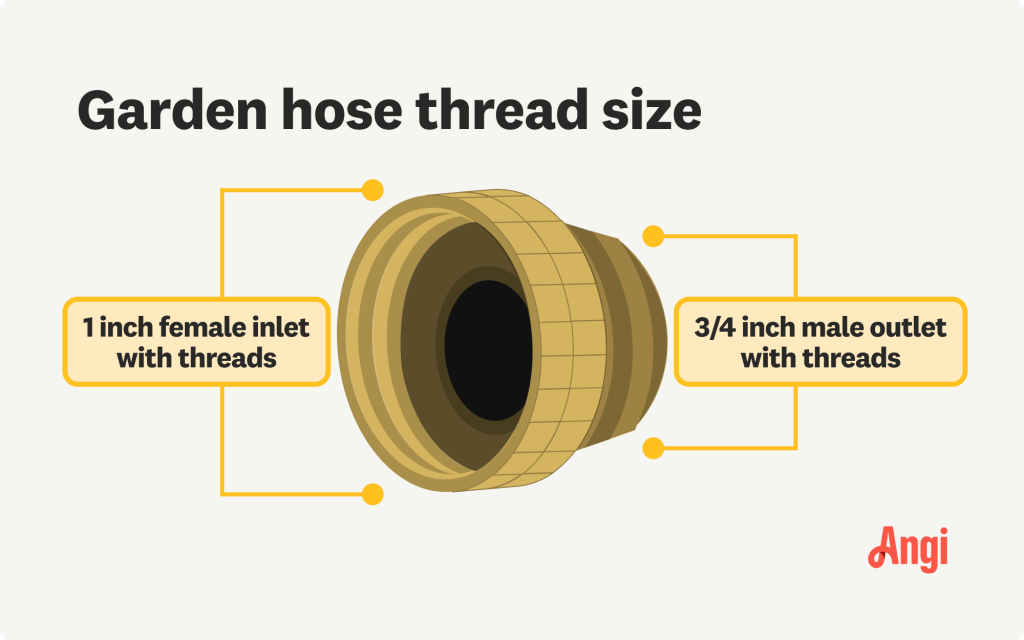
Are you struggling to find the right garden hose fitting size for your watering needs? Choosing the correct size can make all the difference between a leak-free, efficient setup and a frustrating, messy mess.
You’ll discover exactly what sizes garden hose fittings come in and how to pick the one that fits your hose perfectly. By the end, you’ll feel confident connecting your hose without any guesswork or headaches. Keep reading to make your garden watering simple and hassle-free!

Credit: www.amazon.ca
Common Garden Hose Sizes
Garden hoses come in different sizes to fit various watering needs. Knowing the right size helps you connect hoses and accessories easily.
The size usually refers to the diameter of the hose fitting. This affects water flow and compatibility with tools.
Standard Diameter Options
Most garden hose fittings come in a few standard diameters. These sizes ensure compatibility between hoses and connectors.
- 1/2 inch:Often used for light watering tasks and small gardens.
- 5/8 inch:The most common size, good for general garden use.
- 3/4 inch:Used for heavy-duty watering and large gardens.
Metric Vs Imperial Measurements
Garden hose sizes use two measurement systems: metric and imperial. This can cause confusion when buying fittings.
| Measurement System | Common Hose Diameter | Used In |
| Imperial | 1/2 inch, 5/8 inch, 3/4 inch | United States, Canada |
| Metric | 12 mm, 15 mm, 19 mm | Europe, Australia, Asia |
Types Of Hose Fittings
Garden hose fittings connect hoses to water sources or other hoses. They come in different types to suit various uses. Knowing the types helps you pick the right fitting.
This guide covers three common types of hose fittings. Each type has unique features and uses. Read on to learn about threaded, quick connect, and compression fittings.
Threaded Fittings
Threaded fittings use screw threads to join hoses or tools. They are common in garden hoses and outdoor faucets. Threads create a tight seal to prevent leaks.
- Usually made of brass or plastic
- Have male and female thread ends
- Need careful tightening to avoid stripping threads
- Work well for permanent or semi-permanent connections
Quick Connect Fittings
Quick connect fittings let you join and separate hoses fast. They snap together without tools. This saves time and effort in garden work.
| Feature | Benefit |
| Push-to-connect design | Easy to attach and detach |
| Usually made of plastic or metal | Durable and weather resistant |
| Locks securely | Prevents accidental disconnection |
| Compatible with many hose sizes | Flexible use in the garden |
Compression Fittings
Compression fittings use a ring to hold the hose tightly. They create a strong seal without threads. These fittings work well on flexible or soft hoses.
- Do not require tools for installation
- Offer a leak-proof connection
- Easy to remove and reuse
- Good for repairs and temporary setups
Measuring Hose Fittings
Knowing the size of your garden hose fitting is essential. This helps you find the right attachments and avoid leaks.
Follow these steps to measure your hose fittings accurately. This ensures compatibility with other tools.
Tools You Need
Before measuring, gather the right tools. This makes the process easier and more accurate.
- Ruler or measuring tape
- Caliper (for precise measurements)
- Notepad and pen
Step-by-step Measuring Process
With your tools ready, you can start measuring the garden hose fitting. Follow these steps for the best results.
- Detach the fitting from the hose.
- Use a ruler to measure the diameter of the fitting.
- If using a caliper, place it across the fitting’s threads for a precise measurement.
- Record the measurements on your notepad.
- Check the fitting size against standard sizes to find a match.
| Fitting Type | Standard Size |
| Garden Hose | 5/8 inch |
| Connector | 3/4 inch |
| Spigot | 1/2 inch |
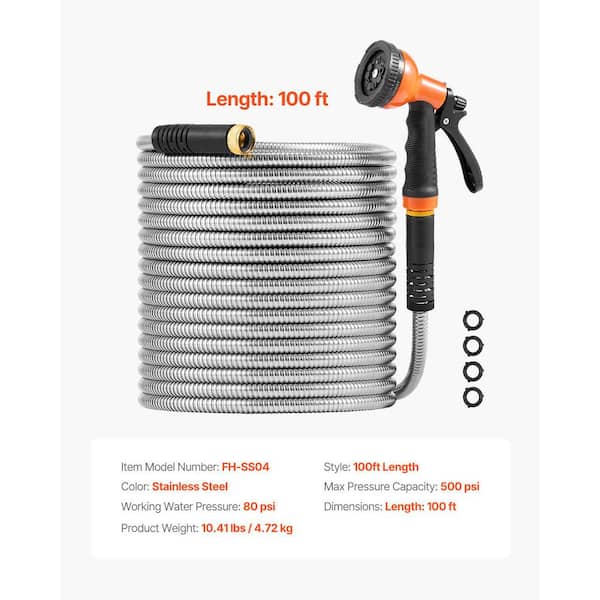
Credit: www.homedepot.com
Matching Hose And Fitting Sizes
Choosing the right size for your garden hose fitting is important. A proper fit prevents leaks and keeps your watering system working well.
Hose fittings come in different sizes. Matching these sizes with your hose ensures a tight connection and avoids water waste.
Ensuring A Leak-free Connection
To avoid leaks, the hose and fitting must match in diameter and thread type. A tight seal stops water from escaping.
- Measure your hose diameter before buying fittings.
- Check if the fitting threads match your hose end.
- Use plumber’s tape on threaded connections for extra sealing.
- Inspect fittings for cracks or damage before use.
Common Compatibility Issues
Sometimes, hoses and fittings do not fit well. This causes leaks or connection problems. Knowing common issues helps avoid mistakes.
| Issue | Cause | Solution |
| Loose fitting | Wrong diameter or thread type | Match fitting size and thread |
| Water leaks | Damaged washer or missing seal | Replace washer or add seal |
| Cross-threading | Forcing wrong thread type | Align threads properly before tightening |
| Fitting too tight | Over-tightening | Tighten only until snug |
Materials And Durability
Garden hose fittings come in different materials. The choice affects their strength and how long they last.
Understanding the materials helps you pick the right fitting for your needs. Let’s look at brass and plastic fittings.
Brass Vs Plastic Fittings
Brass fittings are strong and last a long time. They can handle high water pressure without breaking.
Plastic fittings are lighter and cheaper. They are easy to install but can crack in cold weather or under pressure.
- Brass fittings resist wear and tear better.
- Plastic fittings may fade or become brittle over time.
- Brass is heavier but offers a secure connection.
- Plastic fittings are less durable but easier to replace.
Corrosion Resistance
Corrosion can damage hose fittings and cause leaks. Brass and plastic handle corrosion differently.
| Material | Corrosion Resistance | Common Issues |
| Brass | High | May develop a green patina but stays strong |
| Plastic | Very High | Does not rust but can crack from UV exposure |
Choosing The Right Fitting For Your Needs
Garden hose fittings connect hoses to water sources and tools. Picking the right size ensures a good fit and stops leaks.
Most garden hoses use standard sizes, but knowing your needs helps you choose the best fitting for your work.
Garden Hose Applications
Different garden tasks need different fittings. Watering plants may need a smaller fitting than washing a car.
Choose fittings that match the tools and hose size you have. This makes your work easier and avoids damage.
- Standard garden hoses usually have a 3/4 inch fitting
- Smaller hoses for watering cans use 1/2 inch fittings
- Heavy-duty hoses for pressure washers need larger fittings
- Adapters help connect hoses with different sizes
Pressure And Flow Considerations
Fittings affect how much water flows and the pressure in your hose. A wrong size can reduce water flow or cause leaks.
Use fittings that match your hose and water source pressure. This keeps your system safe and works well.
- 3/4 inch fittings support most home water pressure levels
- High-pressure systems may require metal fittings for strength
- Plastic fittings work for low-pressure, light use
- Check fittings for tight seals to prevent water loss
Tips For Replacing And Installing Fittings
Garden hose fittings come in different sizes. Knowing the right size helps you replace or install them correctly. This guide shares useful tips to make the process easier.
Following proper steps can prevent leaks and ensure a secure connection. Read on to learn how to remove old fittings and install new ones with care.
Removing Old Fittings
Start by turning off the water supply and draining the hose. Use a wrench to loosen the old fitting. Sometimes, fittings get stuck due to rust or dirt.
- Turn off the water and drain the hose.
- Use a wrench to grip the fitting firmly.
- Turn the wrench counterclockwise to loosen.
- If stuck, apply penetrating oil and wait 10 minutes.
- Remove the fitting carefully to avoid hose damage.
Proper Installation Techniques
Choose the correct fitting size to match your hose. Clean the hose end before attaching the new fitting. Tighten the fitting by hand first, then use a wrench for a snug fit.
| Tip | Reason |
| Use Teflon tape on threads | Prevents leaks |
| Do not overtighten | Avoids damage to hose and fitting |
| Check for cracks or wear | Ensures long-lasting connection |
| Test water flow after installation | Confirms proper sealing |
Troubleshooting Common Fitting Problems
Garden hose fittings come in standard sizes, but problems can still happen. Knowing how to fix these issues saves time and water.
This guide covers common fitting problems and easy ways to solve them. Fix your garden hose quickly and keep your plants happy.
Leaks And Drips
Leaks happen when fittings do not seal properly. Drips waste water and lower pressure at the hose end.
Check the rubber washer inside the fitting. A worn or missing washer often causes leaks.
- Replace old washers with new ones of the same size
- Tighten fittings by hand, not too much
- Use plumber’s tape on threaded fittings for a better seal
- Inspect the hose and fitting for cracks or damage
Cross-threading Issues
Cross-threading happens when the threads don’t line up right. This can damage the fitting and cause leaks.
Always start threading by hand. If it feels stuck, stop and realign the fitting.
- Turn the fitting slowly and gently at first
- Do not force the threads if they feel wrong
- Clean threads before attaching to remove dirt or debris
- Replace fittings if threads are stripped or damaged

Credit: www.amazon.ca
Frequently Asked Questions
What Is The Standard Garden Hose Fitting Size?
The standard garden hose fitting size is 3/4 inch diameter. This size fits most garden hoses and outdoor faucets in the U. S. It ensures compatibility and easy connection between hoses, sprinklers, and other watering tools.
How Do I Measure Garden Hose Fitting Size?
Measure the fitting diameter across the widest part of the hose thread. Use a ruler or caliper for accuracy. Ensure you measure the outside diameter for male fittings and the inside diameter for female fittings.
Are Garden Hose Fittings Universal In Size?
Most garden hose fittings in the U. S. follow a universal 3/4 inch size. This standard ensures compatibility among various brands and accessories. However, specialty hoses or international models may have different sizes.
Can I Use Adapters For Different Hose Fitting Sizes?
Yes, adapters help connect hoses with different fitting sizes. They convert thread sizes for compatibility. Adapters are useful for joining hoses, faucets, or sprinklers with non-standard fittings.
Conclusion
Knowing the right garden hose fitting size saves time and hassle. It helps you buy the correct parts quickly. Avoid leaks by matching the fitting size carefully. Most garden hoses use standard sizes like 5/8 inch or 3/4 inch. Measure your hose or check the manual to be sure.
Proper fittings keep your watering system working well. Simple steps lead to better garden care and less frustration. Keep this guide handy when shopping for hose fittings. Your garden will thank you for the effort.