Are you tired of struggling with garden hose fittings that just don’t seem to match? Knowing the right size of a standard garden hose fitting can save you time, money, and frustration.
Whether you’re watering your plants, washing your car, or setting up a sprinkler system, the right fit makes all the difference. You’ll discover exactly what size a standard garden hose fitting is and how to choose the perfect one for your needs.
Keep reading to make your outdoor tasks easier and more efficient!
Standard Garden Hose Fitting Sizes
Garden hose fittings connect hoses to water sources or tools. The right size ensures a tight fit and no leaks. Knowing standard sizes helps you pick the right parts.
Most garden hose fittings follow common sizing rules. These sizes match threads and diameters for easy replacement or extension.
Common Garden Hose Thread Sizes
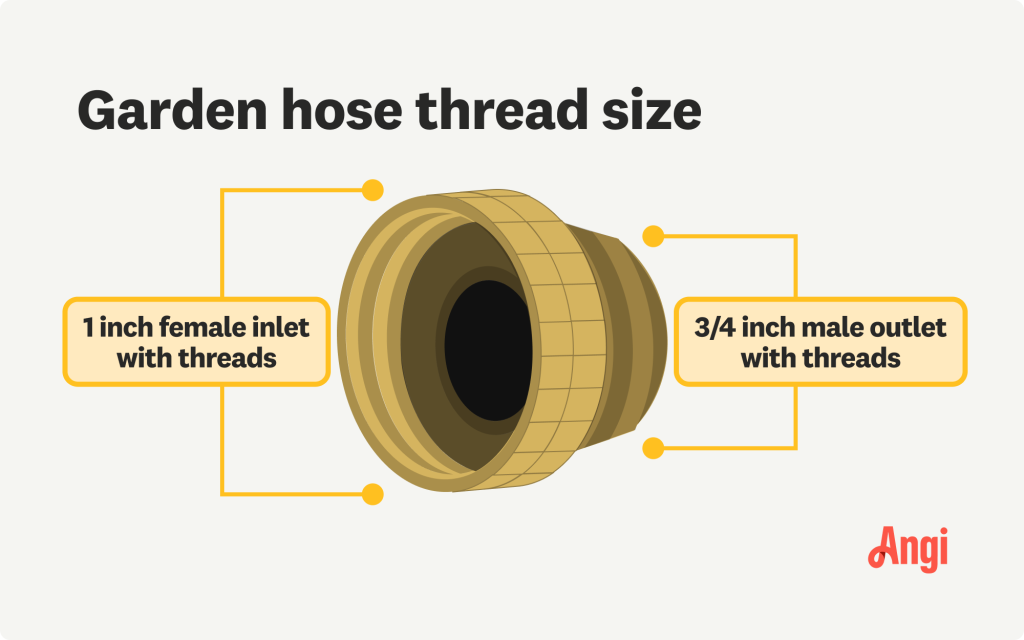
The most common thread size for garden hoses is 3/4 inch. This size fits most outdoor faucets and hose connectors. It uses a standard called GHT, or Garden Hose Thread.
Other less common sizes include 1/2 inch and 5/8 inch threads. These are usually for specialty hoses or older equipment.
Standard Hose Fitting Diameter
Hose fitting diameter is important for water flow. The 3/4 inch diameter is the most standard size. It allows enough water to pass for most garden tasks.
- 3/4 inch fittings fit standard garden hoses
- 1/2 inch fittings are for light-duty or small hoses
- 5/8 inch fittings are sometimes used for medium hoses
Types Of Garden Hose Fittings
Garden hose fittings come in two main types: male and female. Male fittings have external threads. Female fittings have internal threads. They connect by screwing together.
| Fitting Type | Thread Type | Common Use |
|---|---|---|
| Male | External threads | Connect to faucets or female hose ends |
| Female | Internal threads | Connect to male hose ends or tools |
Adapters And Specialty Sizes
Adapters help connect hoses with different sizes or thread types. Some fittings convert garden hoses to pipe threads. Others change size from 3/4 inch to smaller or larger.
Common adapters include:
- 3/4 inch GHT to 1/2 inch NPT
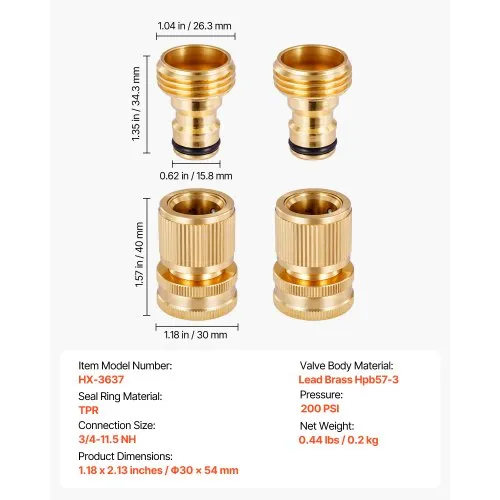
- 3/4 inch GHT to quick connect fittings
- Brass or plastic materials for durability

Credit: www.amazon.ca
Common Types Of Hose Fittings
Garden hoses use different fittings to connect with taps, sprinklers, and other hoses. Knowing the common types helps you pick the right one for your needs.
Fittings come in several styles, each with its own benefits and uses. This guide covers male and female fittings, quick-connect fittings, and threaded fittings.
Male And Female Fittings
Male and female fittings connect hoses by matching shapes. The male fitting has threads on the outside, and the female fitting has threads on the inside.
This design helps create a secure and leak-free connection. Male and female fittings are the most common hose fittings for garden use.
Quick-connect Fittings
Quick-connect fittings allow fast and easy hose changes. They snap together without twisting, saving time and effort.
- One part attaches to the hose or tool
- The other part stays on the tap or hose end
- Push together to connect, pull back to disconnect
These fittings are popular for those who switch garden tools often.
Threaded Fittings
Threaded fittings use screw threads to join hoses and accessories. They come in various sizes and thread types.
| Thread Type | Description | Common Use |
|---|---|---|
| Garden Hose Thread (GHT) | Standard thread size for garden hoses | Connecting hoses and outdoor faucets |
| National Pipe Thread (NPT) | Tapered thread for plumbing | Indoor water connections |
| BSP Thread | British Standard Pipe thread | Used in some international hoses |
Measuring Hose Fitting Size
Knowing the size of your garden hose fitting helps you find the right replacement parts. Measuring hose fittings can be simple with the right tools and steps.
This guide explains how to measure hose fittings using calipers and how to identify thread types for proper matching.
Using Calipers For Measurement
Calipers provide a precise way to measure the diameter of your hose fitting. Use them to get an accurate size in either inches or millimeters.
- Open the calipers and place the jaws around the outside of the fitting.
- Close the jaws gently until they touch the fitting without squeezing.
- Read the measurement shown on the caliper scale.
- Record the measurement to compare with standard hose sizes.
Identifying Thread Types
Garden hose fittings use different thread types. Identifying the thread type helps ensure the parts fit tightly and prevent leaks.
| Thread Type | Description | Common Use |
| NH (National Hose) | Standard hose thread with 11.5 TPI (threads per inch) | Most garden hoses in the US |
| BSP (British Standard Pipe) | Parallel or tapered threads used internationally | Garden hoses outside the US |
| NPT (National Pipe Thread) | Tapered threads designed for tight seals | Plumbing connections, not common for garden hoses |
Compatibility With Hose Diameter
Garden hose fittings come in standard sizes that match common hose diameters. Choosing the right fitting size is important for a secure connection.
The most common garden hose diameter is 5/8 inch. This size usually fits the standard 3/4 inch hose fitting thread.
Matching Fitting To Hose Size
To match a fitting to a hose, measure the hose diameter first. The fitting should fit snugly without gaps or leaks.
Common hose sizes include 1/2 inch, 5/8 inch, and 3/4 inch. Each size needs a compatible fitting size for water to flow properly.
- 1/2 inch hose fits with smaller fittings for light watering tasks
- 5/8 inch hose is most popular and fits standard fittings
- 3/4 inch hose needs larger fittings for high water flow
Impact Of Hose Material
Hose material affects how fittings connect and hold up over time. Soft hoses may need flexible fittings, while hard hoses use rigid fittings.
Materials like rubber and vinyl change the hose’s flexibility. This affects how tight the fitting must be to avoid leaks or damage.
- Rubber hoses are flexible and need fittings that can adjust slightly
- Vinyl hoses are stiffer and work well with firm fittings
- Reinforced hoses may require stronger fittings for durability
Materials And Durability
Standard garden hose fittings come in different materials. The choice of material affects how long the fitting lasts and how well it works.
Durability is important to avoid leaks and breaks. Good materials keep your hose working for years.
Metal Vs. Plastic Fittings
Metal fittings are strong and can handle high water pressure. They last longer under tough use.
Plastic fittings are lighter and cheaper. They are easy to install but may crack in cold weather.
- Metal fittings resist damage better
- Plastic fittings are lightweight and rust-free
- Metal fittings are heavier and more durable
- Plastic fittings may wear out faster
Corrosion Resistance
Corrosion can ruin metal fittings if they are not protected. Brass and stainless steel resist rust well.
Plastic fittings do not corrode. They work well in wet environments but may degrade from sunlight over time.
- Brass fittings resist rust and last longer
- Stainless steel is strong and corrosion-proof
- Plastic fittings never rust but can crack
- Protect metal fittings with coatings to prevent rust
Choosing The Right Hose Fitting
Finding the right garden hose fitting size is key to a good water connection. Most garden hoses use a standard fitting size to keep things simple.
Knowing the correct size helps avoid leaks and ensures your hose works well with other tools.
Factors To Consider
Standard garden hose fittings usually measure 5/8 inch in diameter. This size fits most garden hoses and outdoor faucets.
You should also check if your hose uses male or female threads. Male threads screw into female parts, and vice versa.
- Measure the hose diameter to confirm fitting size
- Know the thread type: male or female
- Choose durable materials like brass or stainless steel
- Check for compatibility with your watering tools
Common Mistakes To Avoid
Many people buy the wrong hose fitting size. This causes leaks or loose connections.
Another mistake is ignoring thread types. Using two male or two female ends will not fit together.
- Do not guess the fitting size; always measure
- Avoid mixing thread types without adapters
- Do not use plastic fittings if you need durability
- Check the fitting tightness to prevent leaks
Maintenance And Troubleshooting
Knowing the standard size of a garden hose fitting helps with proper maintenance. Most garden hoses use a 3/4-inch fitting. This size fits most outdoor faucets and accessories. Keeping fittings in good shape prevents water leaks and keeps your hose working well.
Troubleshooting issues with garden hose fittings is easy if you know what to check. Regular checks and small repairs save money and avoid bigger problems later.
Preventing Leaks
Leaks happen when fittings are loose or damaged. Tighten fittings by hand or with a wrench. Avoid over-tightening, which can cause cracks. Use hose washers inside fittings to create a tight seal.
Store hoses properly to avoid damage. Keep them out of direct sun and away from sharp objects. This helps keep fittings in good condition and stops leaks from forming.
- Check fittings for cracks or wear regularly
- Replace washers if water drips from joints
- Use plumber’s tape on threaded fittings for better sealing
- Keep hose ends clean and dry before storage
- Do not drag hoses on rough surfaces
Repairing Damaged Fittings
Damaged fittings cause leaks and poor water flow. If cracks or breaks appear, replace the fitting. Unscrew the old fitting carefully and screw on a new one of the correct size.
For minor damage, use waterproof tape to cover small cracks. This is a temporary fix until you can replace the fitting. Always check that new fittings are the standard 3/4-inch size for a tight fit.
- Turn off water before removing fittings
- Use pliers or a wrench to loosen stuck fittings
- Match new fittings to hose diameter and thread type
- Test new fittings for leaks after installation
- Keep extra washers on hand for quick repairs
Credit: www.vevor.com

Credit: www.homehardware.ca
Frequently Asked Questions
What Is The Standard Size Of A Garden Hose Fitting?
The standard garden hose fitting size in the U. S. is 3/4 inch. This size fits most garden hoses and outdoor faucets, ensuring compatibility and easy connection.
Are Garden Hose Fittings Universal In Size?
Yes, most garden hose fittings follow a standard 3/4 inch size. This universality allows hoses and accessories to connect without issues across different brands.
Can I Use Different Sized Fittings On My Garden Hose?
Using different sizes requires adapters. The standard hose fitting is 3/4 inch, but adapters can connect smaller or larger fittings to your hose.
Why Is The 3/4 Inch Fitting Common For Garden Hoses?
The 3/4 inch fitting balances water flow and pressure. It is widely adopted for residential hoses due to its efficiency and compatibility.
Conclusion
Knowing the standard garden hose fitting size helps you choose the right hose. Most garden hoses use a 5/8 inch diameter fitting. This size fits most outdoor faucets and accessories. Using the correct fitting prevents leaks and saves water. It also makes watering easier and more efficient.
Always check your hose and faucet before buying new parts. This small step avoids frustration later. Now, you can confidently pick the right garden hose fitting for your needs. Simple and useful knowledge for everyday gardening.