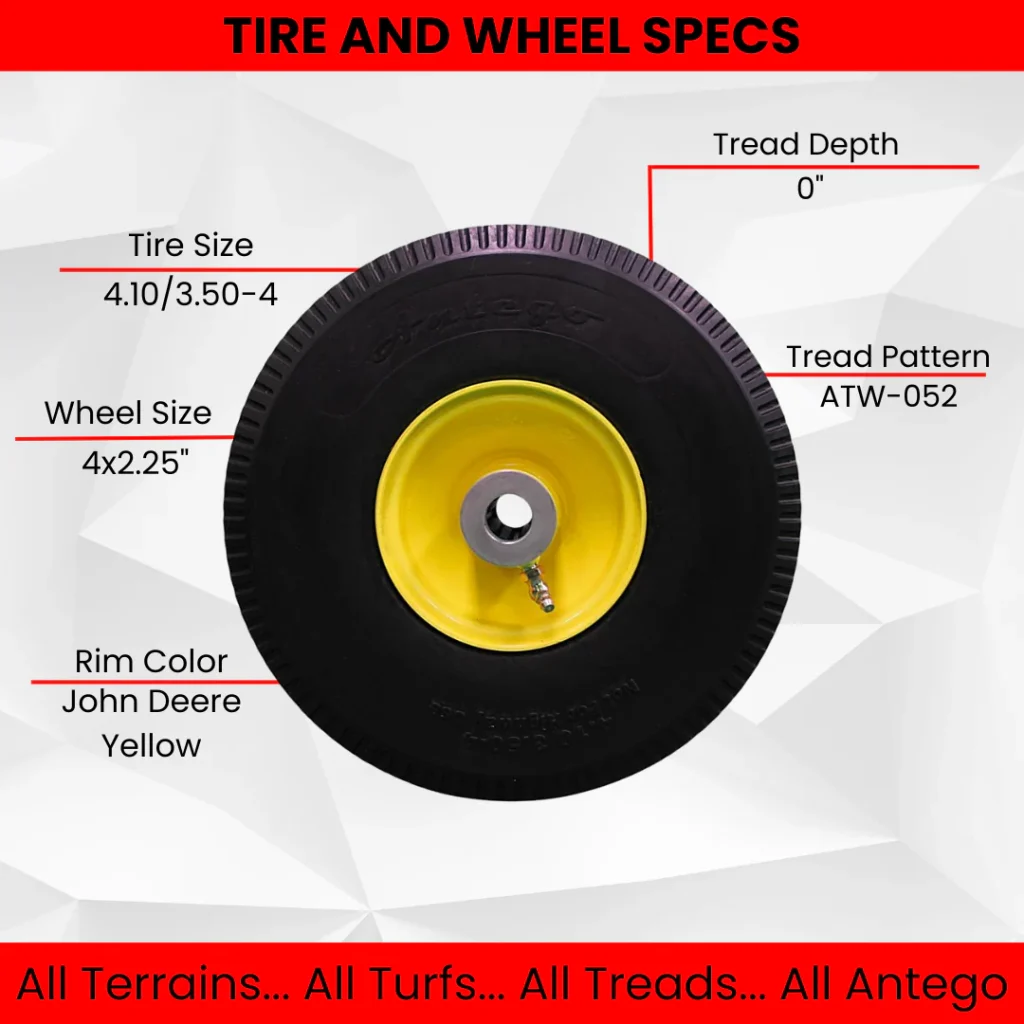
When it comes to choosing the right wheelbarrow tire, size matters more than you might think. You want a tire that fits perfectly to keep your work smooth and your load steady.
But how do you know what size is best for your wheelbarrow? If you’ve ever felt unsure about picking the right tire or wondered why your current one doesn’t seem to work well, this guide is for you. Keep reading, and you’ll discover exactly what wheelbarrow tire size suits your needs and why it makes all the difference in your daily tasks.

Credit: www.adamstarpntool.com
Types Of Wheelbarrow Tires
Wheelbarrows use different tire types to suit various tasks and surfaces.
Choosing the right tire affects how well the wheelbarrow moves and lasts.
Pneumatic Tires
Pneumatic tires are filled with air like bicycle tires.
They provide good shock absorption and smooth movement on rough ground.
- Need regular air pressure checks
- Can get punctures
- Work well on uneven surfaces
Solid Rubber Tires
Solid rubber tires have no air inside. They are made from hard rubber.
They are strong and do not go flat, needing less maintenance.
| Feature | Advantage | Disadvantage |
| Durability | High | Less shock absorption |
| Maintenance | Low | Heavier than pneumatic tires |
| Terrain | Best on smooth surfaces | Can be rough on bumpy ground |
Foam-filled Tires
Foam-filled tires combine air and solid qualities.
They are filled with foam to avoid flats but still offer some cushioning.
Benefits of foam-filled tires include:
- Flat-proof design
- Moderate shock absorption
- Lightweight compared to solid tires
Standard Wheelbarrow Tire Sizes
Wheelbarrow tires come in different sizes to fit various needs. Choosing the right size helps with balance and ease of use.
Most wheelbarrow tires have standard sizes. These sizes focus on diameter and width measurements.
Common Diameter Measurements
Diameter is the distance across the tire through the center. It affects how the wheelbarrow moves over rough ground.
Standard wheelbarrow tire diameters usually range between 13 and 16 inches.
- 13 inches – Good for small wheelbarrows and light loads
- 14 inches – Most common size for general use
- 15 inches – Offers extra clearance on uneven surfaces
- 16 inches – Used for heavy-duty wheelbarrows
Tire Width Variations
Tire width affects stability and how the wheel grips the ground. Wider tires give better balance.
Wheelbarrow tire widths typically range from 3 to 5 inches.
- 3 inches – Narrow tires for easy rolling on smooth surfaces
- 4 inches – Balanced width for general use
- 5 inches – Wide tires for soft or rough terrain
Determining The Right Tire Size
Choosing the right wheelbarrow tire size is important for smooth work and safety. The correct size helps with balance and carrying loads easily.
To find the right tire size, focus on two main points: measuring the wheel hub and assessing load capacity needs. Both help in picking a tire that fits and works well.
Measuring The Wheel Hub
The wheel hub size determines what tire can fit your wheelbarrow. Measure the hub diameter and width carefully to find a matching tire.
- Use a ruler or caliper to measure the hub diameter from one side to the other.
- Measure the hub width to ensure the tire fits around the wheel.
- Note the size markings on the old tire for reference.
- Check the hub bolt size if your tire uses bolts to attach.
Assessing Load Capacity Needs
Wheelbarrow tires must support the weight you carry. Check the tire’s load capacity to avoid damage or accidents.
| Load Weight | Recommended Tire Size | Load Capacity (lbs) |
| Light loads (up to 100 lbs) | 4.00-4.80 x 8 | 150 |
| Medium loads (100-200 lbs) | 5.00-8 | 250 |
| Heavy loads (over 200 lbs) | 6.50-8 or larger | 350+ |
Factors Influencing Tire Size Choice
Choosing the right wheelbarrow tire size depends on several key factors. The size affects how well the wheelbarrow moves and handles different tasks.
Understanding these factors helps you pick a tire that fits your needs and work environment.
Terrain Considerations
Tire size should match the terrain type where you use the wheelbarrow most. Rough or soft ground needs different tires than smooth surfaces.
- Large tires work better on soft soil or sand. They spread the weight and avoid sinking.
- Small tires are easier to control on flat, hard surfaces like concrete or pavement.
- Wide tires give more stability on uneven terrain.
- Narrow tires fit better through tight spaces but may sink in mud.
Frequency Of Use
| Usage Level | Recommended Tire Size | Reason |
| Occasional Use | Smaller Tires (12-14 inches) | Lighter and easier to store |
| Regular Use | Medium Tires (14-16 inches) | Good balance of durability and handling |
| Heavy Use | Larger Tires (16-20 inches) | Better for rough terrain and heavy loads |
Benefits Of Correct Tire Size
Choosing the right tire size for your wheelbarrow is very important. It affects how easy the wheelbarrow is to use and how well it handles loads.
Using the correct tire size helps you work faster and safer. It also makes moving heavy things less tiring.
Improved Maneuverability
The right tire size makes steering the wheelbarrow easier. It helps you move over rough or uneven ground without trouble.
- Smaller tires are lighter and easier to turn in tight spaces.
- Larger tires roll smoothly over bumps and soft soil.
- Correct tire width gives better grip on slippery surfaces.
Enhanced Load Stability
Tire size affects how stable the wheelbarrow is when carrying heavy loads. The right size reduces the chance of tipping over.
| Tire Size | Load Stability | Recommended Use |
| 12 inch | High | Heavy loads on uneven ground |
| 10 inch | Medium | General purpose, light to medium loads |
| 8 inch | Low | Light loads, smooth surfaces |

Credit: www.amazon.ca
Tips For Replacing Wheelbarrow Tires
Replacing a wheelbarrow tire is easy if you have the right tools. Knowing the tire size helps you pick the correct replacement.
Most wheelbarrow tires are between 13 and 16 inches in diameter. Always check your current tire before buying a new one.
Tools Required For Replacement
You need some basic tools to replace a wheelbarrow tire. Having these ready makes the job faster and safer.
- Wrench or socket set to remove the axle nuts
- Screwdriver or pliers for removing cotter pins
- Tire lever or flat tool to remove the tire from the rim
- New tire that matches your wheelbarrow’s size
- Air pump if you have a pneumatic tire
Step-by-step Replacement Process
Follow these steps to replace your wheelbarrow tire safely and correctly. Take your time and check each step.
- Remove the wheelbarrow from the cart and place it upside down.
- Use the wrench to loosen and remove the axle nuts.
- Take off any cotter pins or clips with pliers or a screwdriver.
- Slide the wheel off the axle carefully.
- If the tire is a tube type, remove the tire from the rim using a tire lever.
- Install the new tire on the rim, making sure it fits snugly.
- If you have a new tube, place it inside the tire before fitting.
- Inflate the tire to the recommended pressure using an air pump.
- Put the wheel back onto the axle and secure it with nuts and pins.
- Check the wheel spins freely and is tight enough to stay in place.
Maintenance For Longevity
Wheelbarrow tires last longer with proper care and attention. Regular maintenance helps avoid damage and improves safety.
Knowing how to check and store your tire can extend its life and save money on replacements.
Regular Tire Inspections
Check your wheelbarrow tire for cracks, cuts, and punctures before each use. Look for signs of wear on the tread and sidewalls.
- Inspect tire surface for damage
- Check for objects stuck in the tread
- Look for uneven wear patterns
- Ensure the wheel spins freely without wobbling
Proper Inflation And Storage
Keep your tire inflated to the correct pressure. This prevents damage and improves performance.
| Inflation Tip | Recommended Practice |
| Check pressure | Use a tire gauge weekly |
| Inflate tire | Match tire size specifications |
| Storage location | Keep in a cool, dry place away from sun |
| Avoid | Direct sunlight and extreme temperatures |

Credit: www.garant.com
Frequently Asked Questions
What Is The Standard Size Of A Wheelbarrow Tire?
The most common wheelbarrow tire size is 13 inches in diameter. This size fits most general-purpose wheelbarrows. It balances load capacity and maneuverability. Some tires may vary slightly based on design and brand.
How Do I Measure My Wheelbarrow Tire Size?
Measure the tire’s diameter from one edge to the opposite edge. Include the rubber tread, not the rim. Also, check the tire width for proper fit. This ensures you buy the correct replacement tire.
Can I Use Different Sizes Of Wheelbarrow Tires?
Yes, but changing size affects balance and handling. Larger tires improve stability on rough terrain. Smaller tires may reduce rolling resistance but limit load capacity. Always check manufacturer recommendations before switching sizes.
What Tire Size Is Best For Heavy Loads?
A 16-inch tire is ideal for heavy-duty wheelbarrows. It offers better load support and smoother movement on uneven surfaces. Larger tires reduce strain on the user when carrying heavy materials.
Conclusion
Choosing the right wheelbarrow tire size helps you work with ease. Tires come in different sizes for various tasks and surfaces. Knowing the size ensures your wheelbarrow stays balanced and moves smoothly. Measure your tire or check the label before buying a replacement.
A good fit saves time and effort during your projects. Keep this guide handy for better wheelbarrow maintenance. Simple steps lead to better results and less frustration. Your work becomes safer and more efficient with the right tire size.