Are you tired of dealing with mismatched garden hose fittings that just won’t connect? You’re not alone.
Many gardeners find themselves puzzled by the varying sizes of garden hose threads. Knowing the right size is crucial for ensuring a snug fit and preventing frustrating leaks. We’ll unravel the mystery behind garden hose thread sizes, providing you with the clarity you need.
Whether you’re looking to replace an old hose or simply want to understand your equipment better, we’ve got you covered. Stay tuned to discover how a simple piece of knowledge can transform your gardening experience, making it smoother and more efficient.

Credit: www.amazon.in
Common Garden Hose Thread Sizes
Garden hoses connect to many outdoor water sources. Knowing the thread size helps you find the right fittings. This guide explains common garden hose thread sizes.
Thread sizes vary by type and region. Understanding these differences makes it easy to buy compatible parts.
Standard Thread Dimensions
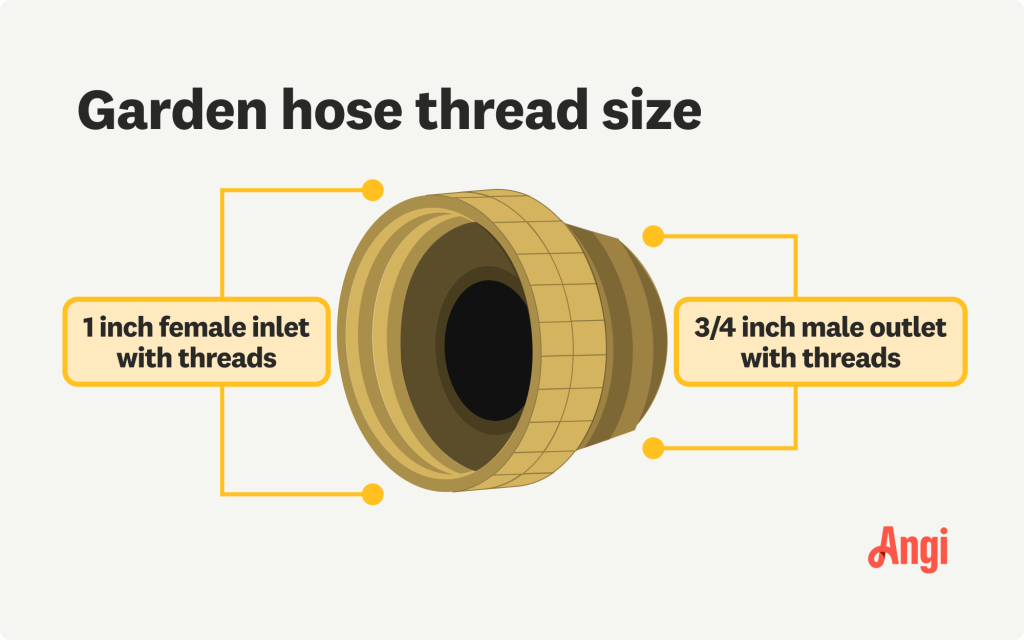
Most garden hoses use a standard thread size called GHT (Garden Hose Thread). The size is usually 3/4 inch diameter. The thread pitch is 11.5 threads per inch.
| Thread Type | Diameter (inch) | Threads Per Inch | Common Use |
|---|---|---|---|
| GHT (Garden Hose Thread) | 3/4″ | 11.5 | Standard garden hose fittings |
| NPT (National Pipe Thread) | 3/4″ | 14 | Plumbing and sprinkler connections |
| BSP (British Standard Pipe) | 3/4″ | 14 | Some international hose fittings |
Variations By Region
Thread sizes and types differ by country. The U.S. mostly uses GHT and NPT threads. Europe and other regions often use BSP threads. This can cause fitting issues.
- USA: Uses GHT (3/4″ diameter, 11.5 TPI)
- Canada: Mainly GHT and NPT threads
- Europe: Mostly BSP threads with 3/4″ diameter, 14 TPI
- Australia and New Zealand: BSP or metric threads
Metric Vs Imperial Measurements
Imperial sizes use inches and threads per inch. Metric sizes use millimeters and pitch in millimeters. Knowing both helps when buying international fittings.
| Measurement System | Thread Diameter | Thread Pitch | Example |
|---|---|---|---|
| Imperial | 3/4 inch | 11.5 threads per inch | GHT standard |
| Metric | 20 mm | 1.5 mm pitch | Some European fittings |
Measuring Your Garden Hose Thread
Knowing the size of your garden hose thread helps you find the right connectors. You can measure it with simple tools at home.
This guide will show you how to measure your garden hose thread correctly and identify the thread type.
Tools Needed For Measurement
Gather these tools before you start measuring your garden hose thread size.
- Ruler or tape measure
- Caliper (optional for precise measurement)
- Thread pitch gauge (for checking thread spacing)
- Marker or pen
Step-by-step Measurement Process
Follow these simple steps to measure the outside diameter and thread pitch of your hose thread.
- Use the ruler or caliper to measure the outer diameter of the hose thread in inches or millimeters.
- Count the number of threads in one inch to find the thread pitch.
- Mark the start and end points of your measurement with a pen for accuracy.
- Compare your measurements with standard hose thread sizes to identify the match.
Identifying Thread Type
Garden hoses use different thread types. Knowing your thread type prevents leaks and fitting issues.
| Thread Type | Diameter (inches) | Thread Pitch (TPI) |
| GHT (Garden Hose Thread) | 0.875 (7/8 inch) | 11.5 |
| NPT (National Pipe Thread) | Varies | Varies |
| BSP (British Standard Pipe) | Varies | Varies |
Types Of Garden Hose Threads
Garden hose threads connect hoses to faucets and accessories. Different types of threads ensure a proper fit. Knowing the thread type helps avoid leaks and damage.
Thread sizes and styles vary by region and purpose. This guide explains common garden hose thread types for easy identification.
National Hose Thread (nht)
The National Hose Thread is the standard thread in the United States. It has a 3/4 inch diameter with 11.5 threads per inch. NHT threads are designed to create a tight seal.
This type is usually found on garden faucets and hoses. It has a straight thread profile and relies on a rubber washer for sealing.
Garden Hose Thread (ght)
Garden Hose Thread is often used interchangeably with NHT. Both share the same size and thread count. GHT is the common term among gardeners and manufacturers.
- Size: 3/4 inch diameter
- Thread pitch: 11.5 threads per inch
- Thread type: Straight thread
- Sealing method: Rubber washer inside the fitting
British Standard Pipe (bsp)
BSP threads are common in the UK and other countries. They come in two types: parallel (BSPP) and tapered (BSPT). BSP sizes differ slightly from NHT and GHT.
| Thread Type | Diameter | Threads Per Inch | Thread Form |
| BSPP | 3/4 inch | 14 | Parallel |
| BSPT | 3/4 inch | 14 | Tapered |
BSP threads often require thread seal tape for a leak-free connection. They do not use rubber washers like GHT.
Other Less Common Types
Some hoses use less common thread types. These include metric threads, NPT (National Pipe Thread), and garden threads from other countries. These types vary in size and shape.
Common less known threads:
- Metric threads – used in some European hoses
- NPT – tapered pipe threads found in plumbing
- Australian Standard threads – different pitch and diameter
Choosing The Right Hose Thread For Your Needs
Garden hose threads come in different sizes and types. Choosing the correct thread ensures a tight fit and prevents leaks.
Understanding hose thread sizes helps you connect hoses, fittings, and accessories easily. This guide explains key points to consider.
Matching Hose And Fittings
Most garden hoses use standard thread sizes. The two common types are GHT (Garden Hose Thread) and NPT (National Pipe Thread).
- GHT is usually 3/4 inch diameter with 11.5 threads per inch.
- NPT threads are tapered and used mainly in plumbing.
- Choose fittings that match your hose thread type and size.
- Mixing thread types can cause leaks and damage.
Avoiding Cross-threading Issues
Cross-threading occurs when threads do not align properly. It can strip threads and ruin connections.
- Start by turning the fitting gently by hand.
- Make sure threads line up before tightening.
- Do not force the fitting if it feels stuck.
- Use thread tape if needed for a better seal.
- Inspect threads for damage before use.
Compatibility With Sprinklers And Accessories
Sprinklers and other garden tools often have their own thread sizes. Check compatibility before purchase.
| Accessory | Common Thread Size | Thread Type |
| Sprinklers | 3/4 inch | GHT |
| Spray Nozzles | 3/4 inch | GHT |
| Quick Connectors | 3/4 inch | GHT |
| Pressure Regulators | 1/2 inch | NPT |
Adapters And Connectors For Different Threads
Garden hoses come with different thread sizes and types. This can make connecting hoses and accessories tricky.
Adapters and connectors help join hoses with different thread types. They ensure a tight and leak-free fit.
When To Use Adapters
Use adapters when hose threads do not match. This happens if you mix hoses from different brands or countries.
Adapters also help connect hoses to faucets or sprinklers with different thread sizes or types.
Types Of Hose Thread Adapters
| Adapter Type | Description | Common Use |
|---|---|---|
| Garden Hose Thread (GHT) | Standard hose thread in the US (usually 3/4 inch) | Connecting most garden hoses |
| National Pipe Thread (NPT) | Tapered thread often used on plumbing fittings | Connecting hose to plumbing fixtures |
| BSP Thread | British Standard Pipe thread, common in Europe | Connecting European hoses and fittings |
| Quick Connect | Push-in style connector for fast hose changes | Easy hose and accessory swaps |
Installation Tips
- Check the thread size and type on both hose ends before buying an adapter.
- Use plumber’s tape on threaded connections to prevent leaks.
- Tighten adapters by hand first, then use a wrench if needed.
- Avoid over-tightening to prevent damage to threads.
- Test connections by turning on water slowly to check for leaks.

Credit: www.amazon.in
Common Problems And Solutions
Garden hoses connect to water sources using threaded ends. The size and type of these threads matter a lot. If threads do not fit well, problems like leaks can happen.
Knowing common problems with garden hose threads helps you fix them quickly. This guide covers leaks, thread wear, and mismatched threads.
Leaks And How To Fix Them
Leaks often happen at the hose thread connection. Water escapes where the threads meet. This causes waste and low water pressure.
To fix leaks, check if the threads are clean and tight. Use plumber’s tape around the threads to seal gaps. Replace washers inside the hose end if they are worn.
- Clean threads before connecting
- Wrap plumber’s tape around male threads
- Replace rubber washers inside hose ends
- Tighten connections by hand, avoid over-tightening
Thread Wear And Replacement
Thread wear happens after long use. Threads may become stripped or damaged. This stops the hose from sealing properly.
If threads are worn, you can replace the hose end or the entire hose. Some hose ends screw off and new ones screw on easily.
- Inspect threads for cracks or flattening
- Replace hose end fittings if damaged
- Use thread repair kits for minor damage
- Buy hoses with standard thread sizes for easy replacement
Dealing With Mismatched Threads
Garden hoses usually have 3/4 inch threads, but some may differ. Mismatched threads cause leaks and make connections hard to join.
You can use adapters to connect different thread sizes. These adapters match the thread types and sizes on both ends.
| Thread Type | Common Size | Solution |
|---|---|---|
| Garden Hose Thread (GHT) | 3/4 inch | Standard hose fitting |
| Iron Pipe Thread (NPT) | Various | Use adapter to GHT |
| Metric Threads | Varies | Use correct adapter or replace parts |
Maintaining Your Garden Hose Threads
Garden hose threads connect the hose to faucets and tools. Keeping these threads in good shape helps prevent leaks and damage. Proper care extends the life of your hose and ensures a tight fit.
Regular maintenance of your garden hose threads is easy. Simple cleaning, proper storage, and inspection keep your hose working well for years.
Cleaning And Lubrication
Clean threads remove dirt and debris that cause leaks. Use a soft brush or cloth to clean the threads gently. Avoid harsh tools that can scratch or damage the metal or plastic.
Lubricate threads to keep them smooth and easy to turn. Use a silicone-based lubricant or plumber’s grease. Apply a small amount to the threads before connecting the hose.
- Clean threads with a soft brush and water
- Dry threads before lubricating
- Use silicone lubricant or plumber’s grease
- Avoid oil-based lubricants that attract dirt
Storage Tips To Prevent Damage
Store your garden hose in a dry, cool place away from sunlight. Sun exposure can weaken hose threads and cause cracking. Keep the hose coiled loosely to avoid bending or kinking.
Use a hose reel or hanger to keep the hose off the ground. This prevents dirt buildup and damage to the threads. Avoid placing heavy objects on the hose during storage.
- Keep hose in shade or indoors
- Coil hose loosely without sharp bends
- Use hose reels or hangers
- Do not store with heavy items on top
Regular Inspection Practices
Check your garden hose threads often for cracks or rust. Look for worn or damaged threads that may cause leaks. Replace washers inside the hose fittings if they are cracked or missing.
Inspect threads before and after use. Early detection of problems helps avoid bigger issues. Tighten loose fittings carefully to prevent thread damage.
- Look for cracks, rust, and wear
- Replace damaged washers regularly
- Check fittings before and after use
- Tighten fittings gently to avoid stripping

Credit: www.amazon.in
Frequently Asked Questions
What Is The Standard Size For Garden Hose Thread?
The standard garden hose thread size is 3/4 inch diameter. It follows the GHT (Garden Hose Thread) standard for compatibility. This size fits most garden hoses and outdoor faucets. It ensures a secure and leak-free connection.
How Do I Measure Garden Hose Thread Size?
Measure the outer diameter of the hose fitting. Use a caliper or ruler for accuracy. Garden hose thread typically measures 3/4 inch outside diameter. Check thread pitch to confirm it matches GHT standards.
Are Garden Hose Threads Compatible With Other Threads?
Garden hose threads are unique and mostly incompatible with other threads. They follow the GHT standard, differing from NPT or BSP threads. Using adapters can help connect garden hoses to other fittings.
What Thread Type Do Garden Hoses Use?
Garden hoses use a straight thread type called GHT. It has a 3/4 inch diameter and 11. 5 threads per inch. This thread type ensures a tight seal with garden faucets and accessories.
Conclusion
Knowing the right garden hose thread size saves time and effort. It helps you buy the correct fittings and avoid leaks. Most garden hoses use standard sizes like 3/4 inch or 5/8 inch. Always check the thread type before buying accessories.
A proper fit keeps water flowing smoothly. This small detail makes your gardening tasks easier and more efficient. Keep these tips in mind for a hassle-free watering experience. Simple steps lead to better results in your garden.