Choosing the right line size for trout fishing can make all the difference between landing your catch or losing it. You might wonder, “What size line should I use to catch trout effectively?” The answer isn’t one-size-fits-all, but knowing the basics will give you a clear advantage.
You’ll discover how the right line strength and thickness can improve your fishing experience, help you cast better, and increase your chances of reeling in that perfect trout. Keep reading to find out exactly what line size works best for your next fishing trip.
Trout Fishing Line Basics
Choosing the right fishing line size is key for trout fishing. It affects how you cast, how fish feel the bait, and your chance to catch trout.
This guide explains types of fishing lines, line strength, and why line diameter matters for trout fishing.
Types Of Fishing Lines
There are three main fishing lines used for trout fishing. Each type has different features and suits different fishing needs.
- Monofilament:A single strand of nylon. It is stretchy and easy to handle.
- Fluorocarbon:Sinks faster and is less visible underwater. It resists abrasion well.
- Braid:Made of woven fibers. It is very strong and has no stretch.
Line Strength And Test Weight
Line strength shows the maximum weight the line can hold before breaking. It is called test weight and measured in pounds.
| Test Weight (lbs) | Best Use |
|---|---|
| 2-4 | Small trout in clear water |
| 4-6 | Average trout fishing |
| 6-8 | Large trout or rough water |
Importance Of Line Diameter
Line diameter affects how far you can cast and how visible the line is to trout. Thinner lines cast better and are harder to see.
Here is a simple comparison of line diameter and strength:
- Thinner line: Less visible, less strength
- Thicker line: More strength, more visible

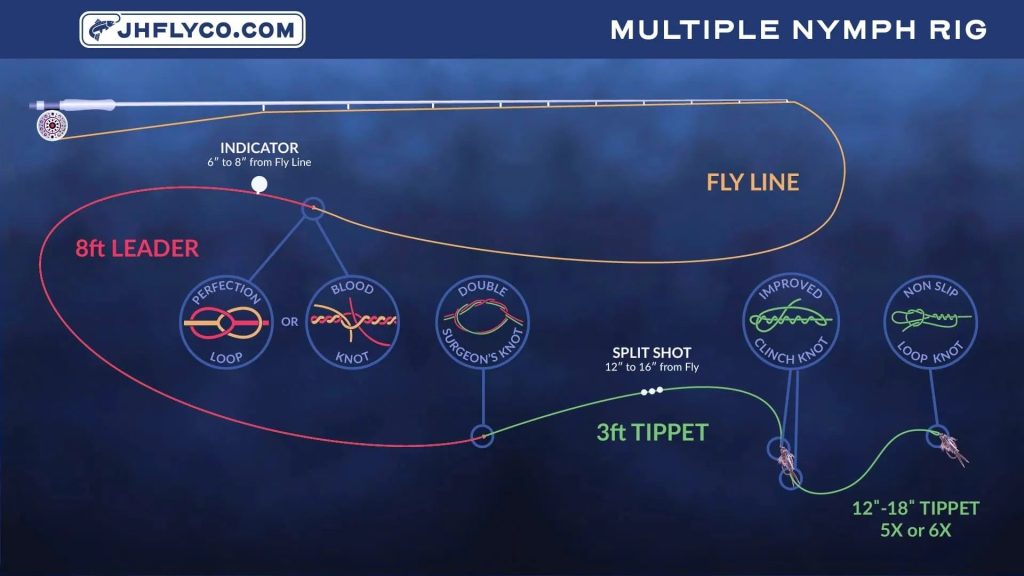
Credit: fishboxapp.com
Choosing Line Size For Trout
Picking the right fishing line size helps you catch trout better. The size affects how the line moves and holds fish.
Too heavy a line scares trout, but too light a line may break easily. Learn what to consider before choosing your line size.
Factors Affecting Line Size
Several things affect which line size you should use for trout fishing. These include the trout size, fishing method, and rod strength.
- Trout size: Bigger trout need stronger line.
- Fishing method: Fly fishing uses lighter lines than spinning.
- Rod strength: Match your line to the rod’s recommended power.
- Line material: Monofilament, fluorocarbon, and braided lines differ in strength.
Light Vs. Heavy Lines
Light lines offer less resistance and better casting but may break on big trout. Heavy lines hold better but can scare fish.
| Line Type | Advantages | Disadvantages |
| Light Line (2-4 lb test) | More natural presentation, less visible | Lower strength, breaks easier |
| Medium Line (4-6 lb test) | Good balance of strength and stealth | May be visible in clear water |
| Heavy Line (6-10 lb test) | Strong, good for big trout or heavy cover | Can spook fish, less casting distance |
Water Conditions And Line Selection
Clear water calls for thinner, less visible lines. Murky water allows thicker, stronger lines because fish rely less on sight.
- In clear water, use 2-4 lb test line.
- In stained or murky water, 6-10 lb test works well.
- Fast currents may need heavier line for control.
- Cold water can make some lines stiff, choose flexible ones.
Popular Line Materials For Trout
Choosing the right fishing line is important for trout fishing. Different lines offer unique benefits.
Let’s explore popular line materials that anglers use when fishing for trout.
Monofilament Lines
Monofilament lines are popular for their flexibility and affordability. They are easy to handle and cast.
- Stretchy, which helps absorb shocks
- Available in various colors
- Good knot strength
Fluorocarbon Lines
Fluorocarbon lines are nearly invisible underwater, making them ideal for clear water fishing. They are more resistant to abrasion than monofilament.
Advantages:
| Visibility | Low |
| Density | High |
| Cost | Higher than monofilament |
Braided Lines
Braided lines are strong and thin, allowing for longer casts. They are highly durable and have zero stretch.
These lines are best for fishing in heavy cover where strength is needed.
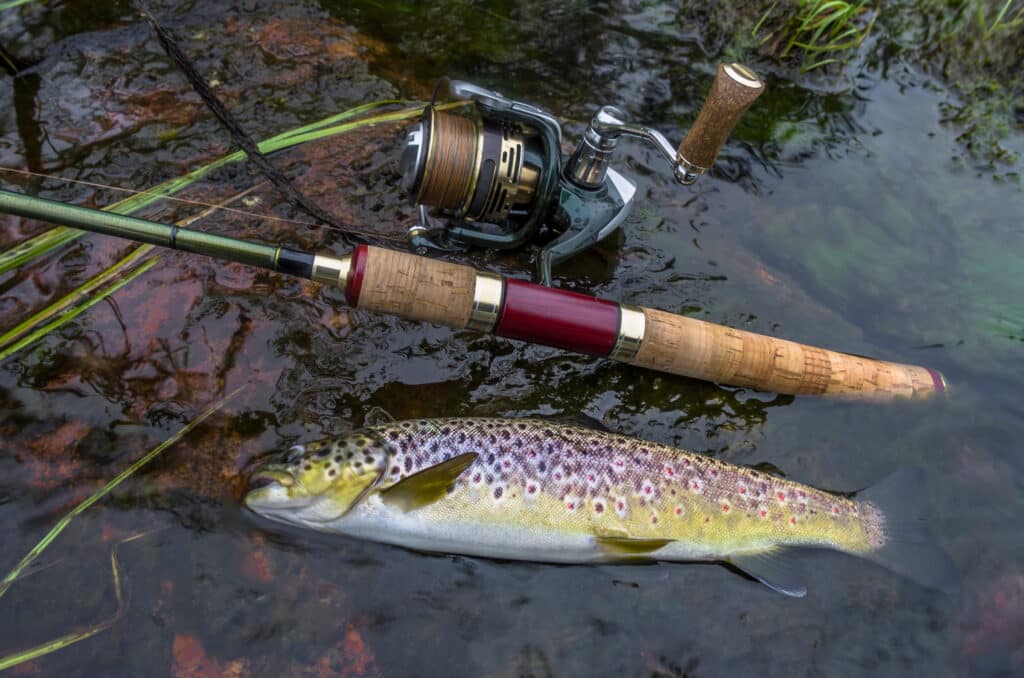
Credit: thewildprovides.com
Recommended Line Sizes By Trout Type
Choosing the right fishing line size is important for trout fishing. It helps catch fish without breaking the line.
Different trout sizes need different line strengths. Using the right line makes fishing easier and more fun.
Small Trout
Small trout are usually under 12 inches long. They do not need very strong line to catch them.
Light line helps you feel bites better. It also lets the fish swim without feeling heavy tension.
- Line size: 2 to 4 lb test
- Type: Monofilament or fluorocarbon
- Use light rods for better control
Medium Trout
Medium trout range from 12 to 20 inches. They need stronger line to handle their size.
Choose a line that can handle some force. This prevents the line from snapping during the fight.
- Line size: 4 to 8 lb test
- Type: Fluorocarbon or braided line
- Match line strength with rod power
Large Trout
Large trout can be over 20 inches long. They are strong and need tough fishing line.
Use heavy line to avoid losing big fish. Strong lines resist sharp rocks and fish teeth.
- Line size: 8 to 12 lb test or higher
- Type: Braided or heavy fluorocarbon
- Use powerful rods for large trout
Line Size Tips For Different Fishing Techniques
Choosing the right line size is key for successful trout fishing. Different techniques need different line strengths. This guide helps you pick the best line size for your fishing style.
Line size affects casting, lure action, and fish handling. Use the right line to improve your catch rate and enjoy fishing more.
Fly Fishing
Fly fishing uses thin, light lines to match delicate flies. A line too heavy can scare trout away. Most anglers pick lines between 2 and 6 weight.
- Choose 2-4 weight line for small streams and dry flies.
- Use 4-6 weight line for larger rivers and wet flies.
- Heavier lines help with bigger trout and windy conditions.
Spin Fishing
Spin fishing lets you use many lures and baits. The line size depends on the lure weight and trout size. Most use 4 to 8 pound test lines.
| Technique | Line Size | Reason |
| Light spinning | 4-6 lb | Small trout, light lures |
| Medium spinning | 6-8 lb | Bigger trout, heavier lures |
| Heavy spinning | 8-10 lb | Big trout, heavy cover |
Baitcasting
Baitcasting requires strong and smooth lines. This technique suits heavier baits and bigger trout. Line size usually ranges from 8 to 12 pounds.
- Use 8 lb line for medium trout and balanced casting.
- Pick 10-12 lb line for large trout and heavy cover.
- Choose braided lines for strength and sensitivity.
Maintaining And Replacing Your Line
Choosing the right line size for trout fishing is important. Keeping your fishing line in good shape helps you catch more fish.
Regularly checking your line and replacing it when needed will keep your gear working well and avoid losing fish.
Signs You Need To Replace Line
Fishing line wears out over time. Look for these signs to know when to get a new line.
- Line feels rough or has many nicks
- Visible discoloration or fading
- Line breaks easily under tension
- Memory causes the line to coil tightly
- Line slips on your reel or knots fail
Proper Line Storage
Store your fishing line carefully to keep it strong and ready to use. Avoid damage and tangling with good storage.
- Keep line away from direct sunlight
- Store line in a cool, dry place
- Use a line spool holder or container
- Do not leave line on the reel for months
- Keep line clean and free from dirt
Line Care Tips
Taking care of your fishing line helps it last longer. Follow simple steps after each fishing trip.
- Rinse line with fresh water after use
- Dry line completely before storing
- Check line for damage before each trip
- Replace line every 6 to 12 months
- Avoid dragging line over rough surfaces

Credit: troutandsalmon.com
Frequently Asked Questions
What Is The Best Line Size For Trout Fishing?
The ideal line size for trout fishing is typically 4 to 6-pound test. This line offers a good balance of strength and sensitivity. It helps detect light bites while handling trout’s fighting power effectively. Lighter lines improve casting accuracy and reduce visibility in clear water.
Can I Use Heavier Line For Trout Fishing?
Using heavier line, like 8-pound test, is possible but less ideal. Heavier lines are stronger but more visible, which can spook trout. They reduce casting distance and sensitivity. Use heavier lines only in heavy cover or strong current conditions where extra strength is needed.
How Does Line Size Affect Trout Fishing Success?
Line size affects sensitivity, casting distance, and stealth. Smaller lines allow better bite detection and less visibility. Larger lines increase strength but can reduce bite rates. Choosing the right size depends on water clarity, trout size, and fishing conditions for optimal success.
Is Braided Line Suitable For Trout Fishing?
Braided line can work well for trout fishing due to its strength and thin diameter. It offers excellent sensitivity and casting distance. However, it’s more visible in clear water and may require a fluorocarbon leader for better stealth and abrasion resistance.
Conclusion
Choosing the right line size helps you catch more trout. Lighter lines work well for small fish and clear water. Stronger lines suit bigger trout or rough conditions. Always match your line to your fishing spot. This makes fishing easier and more fun.
Remember, the best line fits your style and the fish you want. Try different sizes to find what works best. Enjoy your time by the water and happy fishing!