Choosing the right line size for trout fishing can make all the difference between a thrilling catch and a frustrating day on the water. You want your line to be strong enough to handle the fight but light enough to avoid scaring the trout away.
If you’ve ever wondered what size line you should use to improve your chances, you’re in the right place. This guide will help you pick the perfect line size that matches your fishing style and conditions, so you can enjoy more success every time you cast.
Keep reading to discover the simple secrets that will transform your trout fishing experience.
Credit: thewildprovides.com
Choosing The Right Line Strength
Picking the right line strength is key to trout fishing success. The line must be strong enough to handle the fish but light enough for good control.
Many anglers wonder whether to use a lighter or heavier line. Each choice affects fishing in different ways.
Light Vs. Heavy Lines
Light lines offer better sensitivity and less water resistance. Heavy lines give more strength for bigger trout and rough conditions.
- Light lines are easier to cast and less visible to fish.
- Heavy lines provide better control in strong currents.
- Heavy lines reduce the risk of line breakage with big trout.
- Light lines may not hold up well with sharp rocks or debris.
Impact On Casting Distance
Line weight changes how far and how well you can cast. Lighter lines help you cast farther with less effort.
| Line Weight | Casting Distance | Control |
| 2-4 lb | Long | High |
| 5-8 lb | Medium | Medium |
| 10+ lb | Short | Strong |
Line Visibility In Water
Fish can see your line. Clear or light-colored lines blend better in water. Dark or thick lines may scare trout.
- Use fluorocarbon lines in clear water.
- Match line color to water color.
- Keep line tight to avoid slack that fish can spot.
- Use lighter lines in shallow or clear streams.

Credit: troutandsalmon.com
Common Line Types For Trout
Choosing the right fishing line is important for trout fishing. The type of line affects how you catch fish.
There are three main types of lines used for trout: monofilament, fluorocarbon, and braided. Each has its own strengths.
Monofilament Lines
Monofilament lines are made from a single strand of nylon. They are soft and easy to handle, making them popular for beginners.
This type of line has good stretch, which helps absorb the pull from a trout. It is also less visible in the water.
- Affordable and widely available
- Good knot strength
- Works well in most fishing conditions
Fluorocarbon Lines
Fluorocarbon lines are made from a special plastic that is nearly invisible underwater. Trout can be cautious, so this helps.
These lines sink faster than monofilament. They are also resistant to abrasion from rocks or sharp fish teeth.
- Low visibility in clear water
- Good for fishing in streams and lakes
- More expensive than monofilament
Braided Lines
Braided lines are made by weaving many fibers together. They are very strong and have little stretch.
Because they do not stretch, you feel every movement of the trout. They also have a small diameter for their strength.
- High strength with thin diameter
- Long casting distance
- More visible in water than other lines
Matching Line Size To Trout Species
Choosing the right fishing line size is important for trout fishing. Different trout species need different line strengths to catch them easily.
Using the correct line size helps you avoid breaking the line or scaring the fish away. It also improves your chances of landing the trout.
Small Trout
Small trout usually weigh less than one pound. They are easier to catch and need lighter fishing lines. Thin lines work well because they are less visible in the water.
A line with 2 to 4-pound test strength is good for small trout. This size is strong enough to handle the fish but light enough to avoid scaring them.
- Use 2-4 lb test line
- Light and thin lines are best
- Good for small streams and ponds
Medium Trout
Medium trout weigh between one and three pounds. They need a stronger line than small trout. A medium-strength line helps control the fish better.
A 4 to 8-pound test line is ideal for medium trout. This size balances strength and sensitivity while handling bigger fish.
- Use 4-8 lb test line
- Strong enough for bigger fish
- Good for rivers and larger lakes
Large Trout
Large trout can weigh over three pounds. They are stronger and fight harder. Heavy fishing lines help land these fish safely.
Use an 8 to 12-pound test line for large trout. This size gives you the power to reel them in without breaking the line.
- Use 8-12 lb test line
- Strong and durable lines work best
- Ideal for big rivers and deep lakes
Fishing Environments And Line Choice
Choosing the right fishing line size helps catch more trout. The environment affects what line you should use. Water clarity, current speed, and fishing location matter.
Understanding these factors will guide your line choice. This makes fishing easier and more successful.
Clear Vs. Murky Water
Clear water needs lighter, thinner lines. Trout see heavy lines easily and may avoid biting. Use 2-4 pound test lines in clear water.
Murky water lets you use stronger, thicker lines. Trout rely less on sight and more on vibration. Use 6-8 pound test lines in muddy or stained water.
Fast Vs. Slow Currents
Fast currents pull on your line more. You need stronger, heavier line to avoid breakage. Choose 6-10 pound test lines for fast rivers.
Slow currents allow lighter lines. Trout feel less drag and are less spooked. Use 2-6 pound test lines in calm water.
- Fast current: Use heavier line for strength
- Slow current: Use lighter line for stealth
- Adjust line size based on how strong the current is
Fishing From Shore Vs. Boat
Fishing from shore often needs longer casts. Use lighter line to cast far and avoid spooking trout near the bank.
Fishing from a boat allows shorter casts. You can use heavier line for bigger trout or rougher water.
| Fishing Type | Recommended Line Size |
| Shore Fishing | 2-6 lb test for long casts |
| Boat Fishing | 6-10 lb test for control and strength |
Tips For Line Maintenance
Keeping your trout fishing line in good shape helps you catch more fish. Proper care prevents breaks and improves casting. Simple habits protect your line and save money.
Check your line often and store it right. Replace it when needed to avoid losing fish or gear. These tips make your fishing trips better.
Inspecting For Damage
Look closely at your fishing line before and after each trip. Small cuts or frays can cause the line to break. Run the line through your fingers to feel for rough spots or thin areas.
- Check for discoloration or stiffness
- Look for nicks or abrasions
- Test knots to ensure they hold well
- Replace line if you see deep damage
Proper Storage Techniques
Store your line away from sunlight and heat. UV rays weaken the line and cause it to age faster. Keep your line dry to avoid mold or mildew.
| Storage Tip | Why It Matters |
| Keep in a cool, dark place | Prevents UV damage |
| Use sealed containers | Keeps line dry and clean |
| Remove line from reel if unused long | Prevents memory and tangles |
Replacing Old Line
Change your fishing line regularly, even without visible damage. Old line loses strength and flexibility. Fresh line improves casting and hook setting.
- Remove the old line from your reel completely
- Check the reel for dirt or damage
- Spool new line evenly and tight
- Test the new line with gentle pulls
- Cut off any weak sections before fishing
Additional Gear Considerations
Choosing the right line size for trout fishing is important. You also need to think about other gear to match your line.
Proper gear helps you fish better and catch more trout. Look at your rod, reel, and tackle carefully.
Rod Compatibility
Your rod must work well with the line size you pick. A light or ultralight rod fits lighter lines best.
Heavier rods handle thicker lines but may feel stiff. Choose a rod that matches line strength for good control.
- Light rods pair with 2-6 lb test lines
- Medium rods fit 6-10 lb test lines
- Heavy rods suit lines over 10 lb test
Reel Selection
Your reel should match the rod and line size. A small reel works better with light lines for smooth casting.
Make sure the reel holds enough line for your fishing style. Drag systems should be smooth to protect your line.
- Spinning reels are common for trout fishing
- Match reel size to rod power and line weight
- Check drag quality for better fish handling
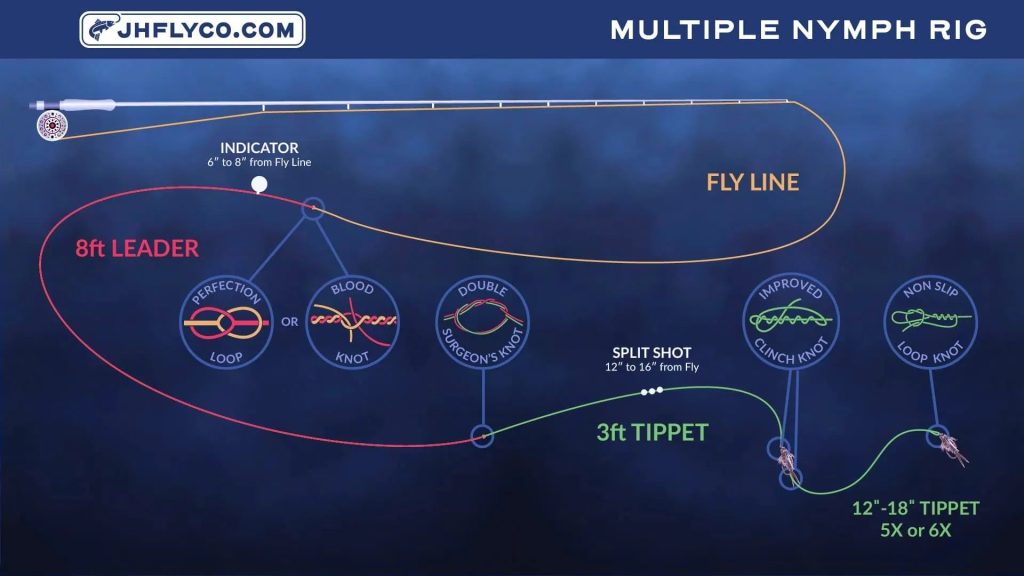
Tackle And Leaders
Tackle and leaders need to blend with your line size. Use lighter leaders for smaller trout and lighter lines.
Choose leader length and strength based on water clarity and fish size. Strong leaders help avoid line breaks.
- Use 4-6 lb leader for light line setups
- Longer leaders help with clear water fishing
- Match hook size to tackle and target fish size

Credit: fishboxapp.com
Frequently Asked Questions
What Is The Ideal Line Weight For Trout Fishing?
The ideal line weight for trout fishing ranges from 2 to 6 pounds. Lighter lines offer better sensitivity and less spooking. Choose based on trout size and water conditions for optimal performance.
Should I Use Braided Or Monofilament Line For Trout?
Monofilament lines are preferred for trout due to their stretch and invisibility in water. Braided lines offer strength but may be more visible. Monofilament is ideal for clear water and cautious trout.
How Does Line Diameter Affect Trout Fishing Success?
Smaller diameter lines are less visible and allow longer casts. They offer less resistance in water, increasing bite rates. Using a thinner line helps in clear water or when trout are line-shy.
When Is Fluorocarbon Line Best For Trout Fishing?
Fluorocarbon lines are great in clear water as they are nearly invisible underwater. They sink faster, making them ideal for deep or fast-moving water. Use fluorocarbon for stealthy trout presentations.
Conclusion
Selecting the right line size boosts your trout fishing success. Lighter lines offer subtlety and finesse. Heavier lines provide strength in challenging waters. Each has its place in your fishing tackle. Think about water conditions and trout size before choosing.
Experimenting with different lines helps improve your skills. Confidence in your line choice will enhance your fishing experience. Enjoy the adventure and embrace the learning process. Happy fishing!