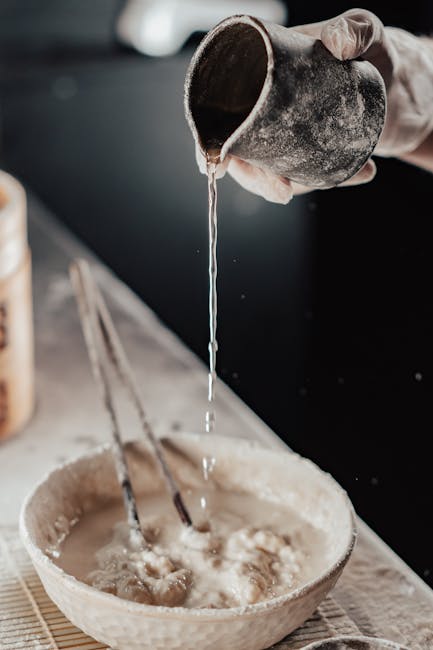
Choosing the right size mixing bowl for your sourdough bread can make all the difference between a smooth baking experience and a messy kitchen. You might wonder if your regular bowl is big enough or if you need something larger to handle the dough’s rise.
Getting this detail right helps you knead, mix, and proof your dough with ease. You’ll discover exactly what size mixing bowl works best for sourdough, so you can bake like a pro every time. Keep reading to find out how to make your sourdough process simpler and more enjoyable!

Credit: www.thefreshcooky.com
Choosing The Right Mixing Bowl
Using the right mixing bowl makes sourdough bread easier to prepare. The bowl size affects how the dough rises and mixes.
Picking a bowl that fits your recipe and kitchen space helps you work better with the dough.
Factors To Consider
Material, shape, and size all change how your sourdough dough behaves. Some materials keep temperature better. The bowl shape affects how the dough spreads.
- Material:Glass, stainless steel, and plastic bowls each have pros and cons.
- Shape:A wide bowl lets dough spread out; a tall bowl allows more rise.
- Size:The bowl must be big enough to hold the dough as it grows.
Importance Of Bowl Size
Choose a bowl that is at least twice the size of your dough. Sourdough dough can double or triple in volume as it ferments.
| Bowl Size | Recommended Dough Amount | Notes |
|---|---|---|
| 2 to 3 quarts | 1 to 2 pounds | Good for small batches or beginners |
| 4 to 5 quarts | 3 to 4 pounds | Ideal for regular home baking |
| 6 quarts or more | 5+ pounds | Best for large batches or multiple loaves |
Types Of Mixing Bowls
Mixing bowls come in different materials. Each type has its own benefits and uses. Choosing the right bowl helps with sourdough bread making.
Consider the material, size, and ease of cleaning when picking a bowl. This guide explains common types of mixing bowls for sourdough.
Stainless Steel
Stainless steel bowls are strong and lightweight. They do not absorb odors or stains. These bowls are good for all kinds of mixing.
They cool down dough quickly if chilled. Stainless steel does not react with acidic ingredients like sourdough starter.
Glass
Glass mixing bowls are heavy and clear. You can see the dough inside easily. Glass bowls do not react with acids.
- Microwave safe
- Non-porous surface
- Easy to clean
- Can break if dropped
Ceramic
Ceramic bowls are thick and keep dough warm. They have a nice look and come in many colors. Ceramic is good for slow fermentation.
They can chip or crack if handled roughly. Ceramic is heavier than plastic or steel.
Plastic
Plastic bowls are light and cheap. They come in many sizes and colors. Plastic can scratch and stain easily.
| Material | Weight | Durability | Best Use |
| Stainless Steel | Light | High | All mixing tasks |
| Glass | Heavy | Medium | Microwave safe, visible dough |
| Ceramic | Heavy | Medium | Slow fermentation, warming dough |
| Plastic | Light | Low | Basic mixing, budget option |
Recommended Sizes For Sourdough
Choosing the right mixing bowl size is important for baking sourdough bread. The dough needs room to rise and expand.
Using the correct bowl size helps avoid spills and makes mixing easier. Here are some size recommendations based on batch sizes.
Small Batches
For small sourdough batches, use a bowl that holds about 2 to 3 quarts. This size fits dough for one or two loaves.
Smaller bowls make it easier to mix ingredients and control the dough. They also save counter space.
- Capacity: 2 to 3 quarts (about 2 to 3 liters)
- Ideal for 1-2 loaves
- Easier to handle and clean
Medium Batches
Medium batches need a bowl of 4 to 6 quarts. This size is good for baking three to four loaves at once.
The larger space allows the dough to rise fully without spilling over. It also gives room for thorough mixing.
- Capacity: 4 to 6 quarts (about 4 to 6 liters)
- Suitable for 3-4 loaves
- Allows dough to expand properly
Large Batches
For large sourdough batches, pick a bowl that holds 8 quarts or more. This size fits five or more loaves.
Large bowls give plenty of room for mixing and rising. They help avoid dough overflow during fermentation.
- Capacity: 8 quarts or more (about 7.5 liters+)
- Best for 5+ loaves
- Prevents spills during long rise times

Credit: www.amazon.com
Benefits Of Proper Bowl Size
Choosing the right size mixing bowl is key for making sourdough bread. It helps in handling dough better and improves the baking process.
A bowl that fits your dough well supports mixing, rising, and storing without issues.
Ease Of Mixing
A properly sized bowl makes mixing easier. You have enough space to stir and fold the dough without spilling.
- Prevents dough from sticking to the sides
- Allows thorough mixing of ingredients
- Reduces mess in the kitchen
Dough Expansion
Sourdough dough grows as it ferments. A bigger bowl gives room for this growth. It stops dough from overflowing or sticking out.
| Mixing Bowl Size | Best Dough Amount |
| 1 Quart (4 cups) | Up to 1 pound |
| 2 Quarts (8 cups) | 1 to 2 pounds |
| 3 Quarts (12 cups) | 2 to 3 pounds |
| 5 Quarts (20 cups) | More than 3 pounds |
Storage And Handling
A right-sized bowl is easier to cover and store. It fits well in the fridge and is simpler to carry without spilling dough.
Tips for storing sourdough dough in a proper bowl:
- Use a bowl with a lid or cover with plastic wrap.
- Choose a bowl light enough to move easily.
- Pick a shape that fits your fridge space well.
Common Mistakes To Avoid
Choosing the right mixing bowl size is important for sourdough bread. Many beginners make errors that affect dough quality and rising.
This guide explains common mistakes to avoid when picking a mixing bowl for sourdough bread.
Overcrowding The Bowl
Using a bowl that is too small causes overcrowding. The dough needs room to expand during mixing and rising.
- Overcrowded dough sticks to the sides and is hard to mix.
- Lack of space can stop the dough from rising properly.
- It causes uneven fermentation and poor texture.
- Cleaning becomes difficult with dough stuck everywhere.
Pick a bowl that is at least twice the volume of your dough. This size gives enough room for growth.
Ignoring Material Type
Many forget that the bowl’s material affects dough handling. Different materials change how the dough feels and rises.
| Material | Pros | Cons |
| Glass | Non-reactive, easy to clean | Heavy, can break |
| Stainless Steel | Light, durable, cool to touch | Can react with acidic dough |
| Plastic | Light, inexpensive | Can retain odors, scratch easily |
| Ceramic | Retains heat well, attractive | Heavy, can chip or crack |
Choose a material that suits your baking style and cleaning preferences. Avoid materials that may affect dough taste or texture.
Expert Tips For Choosing Bowls
Picking the right mixing bowl helps sourdough bread rise well. Size and material both matter.
Use the right bowl to give your dough space to grow and mix easily.
Professional Baker Insights
Professional bakers prefer large, deep bowls. These let the dough expand without spilling over.
- Choose bowls at least twice the volume of your dough.
- Stainless steel bowls keep dough cool and are easy to clean.
- Glass bowls let you watch the dough rise.
- Avoid bowls that are too wide and shallow.
Home Baking Considerations
At home, size and ease of handling are key. You want a bowl that fits your kitchen space.
| Mixing Bowl Size | Recommended Volume | Use Tip |
| Medium | 3 to 4 quarts | For small batches or beginner bakers |
| Large | 5 to 7 quarts | Good for standard sourdough recipes |
| Extra Large | 8 quarts or more | Best for big batches or frequent baking |
Future Trends In Mixing Bowls
Mixing bowls are changing to meet new kitchen needs. These changes make baking sourdough bread easier and better.
Innovations focus on materials and designs. These trends help with durability, ease of use, and environmental care.
Sustainable Materials
More mixing bowls use eco-friendly materials. These materials reduce waste and pollution.
- Bamboo fiber bowls are light and strong.
- Recycled glass bowls offer durability and style.
- Biodegradable plastics break down safely after use.
- Natural clay bowls keep dough temperature steady.
Innovative Designs
New bowl designs focus on user convenience and better baking results. Features help with mixing and dough rising.
| Feature | Benefit |
| Measurement marks inside bowl | Easy to follow recipes without extra tools |
| Non-slip bottoms | Prevents bowl from moving while mixing |
| Stackable shapes | Saves kitchen space when storing |
| Heat-resistant handles | Safe to hold when dough warms up |

Credit: www.amazon.com
Frequently Asked Questions
What Size Mixing Bowl Is Best For Sourdough Bread?
A 4 to 6-quart mixing bowl is ideal for sourdough bread. It provides enough space for dough expansion and easy mixing without spills.
Can I Use A Small Bowl For Sourdough Dough?
A small bowl can restrict dough growth. It’s better to use a bowl large enough to allow the dough to double in size comfortably.
What Material Is Best For Sourdough Mixing Bowls?
Glass, stainless steel, or food-grade plastic bowls are best. They are non-reactive, easy to clean, and maintain consistent dough temperature.
How Much Extra Space Should A Mixing Bowl Have?
Choose a bowl at least twice the volume of your dough. This ensures enough room for fermentation and prevents overflow during rising.
Conclusion
Choosing the right mixing bowl size helps your sourdough rise well. A bowl too small can cause dough to spill. Too large can make it hard to mix. Aim for a bowl that holds at least twice your dough’s volume.
This gives enough space for rising and easy handling. Picking the right bowl keeps your baking smooth and enjoyable. Happy baking!