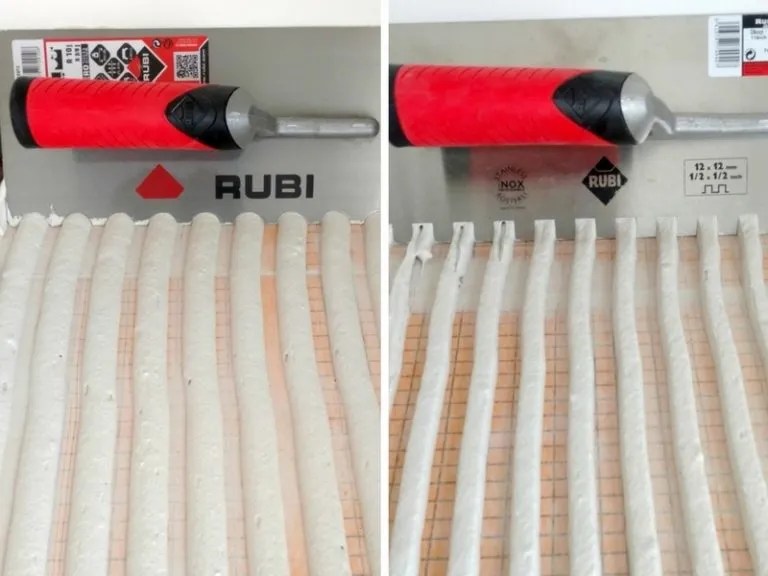
Choosing the right notched trowel size for your porcelain tile project can make all the difference between a flawless finish and a frustrating mess. You might think any trowel will do, but using the wrong size can lead to weak adhesion, uneven surfaces, or even tile damage.
If you want your tiles to stay put and look perfect for years, you need to understand which notched trowel fits your porcelain tile best. Keep reading, and you’ll discover the simple trick to picking the ideal trowel size that guarantees professional results every time.

Credit: www.floortrendsmag.com
Choosing The Right Trowel Size
Using the right notched trowel size is important for installing porcelain tiles. It helps the adhesive spread evenly for a strong hold. Picking the wrong size can cause tiles to loosen or crack.
This guide explains how to choose the right trowel size based on tile and surface factors. Understanding these will make your tile work last longer.
Factors Affecting Trowel Size
Different jobs need different trowel sizes. The size depends on the tile type, thickness, and the surface you are working on. These factors help you pick the right notch size for better adhesion.
Tile Size And Thickness
Bigger and thicker porcelain tiles need larger trowel notches. They allow more adhesive to spread under the tile. Smaller tiles need smaller notches to avoid too much glue.
- Small tiles (under 8 inches): use 1/4 inch notch
- Medium tiles (8 to 16 inches): use 1/4 x 3/8 inch notch
- Large tiles (over 16 inches): use 1/2 inch notch or larger
Thick tiles need more adhesive, so use bigger notches. Thin tiles need less, so pick smaller notches.
Surface Type Considerations
Surface texture affects how adhesive spreads. Rough or uneven surfaces need bigger trowel notches to fill gaps. Smooth surfaces work well with smaller notches.
- Rough concrete: use 1/2 inch notch or larger
- Wood or plywood: use 1/4 to 3/8 inch notch
- Existing tile or smooth surfaces: use 1/4 inch notch
Always check surface flatness before choosing your trowel size. This keeps the tile stable and adhesive strong.

Credit: www.tilemountain.co.uk
Common Notch Sizes For Porcelain Tile
Choosing the right notched trowel size is key for installing porcelain tile. The notch size affects how much adhesive spreads under the tile.
This guide covers common notch sizes and when to use each one.
1/4 Inch Notch
The 1/4 inch notch trowel is good for small porcelain tiles. It applies less thinset mortar.
This size works best for tiles smaller than 6 inches on each side. It helps to avoid too much adhesive oozing out.
3/8 Inch Notch
The 3/8 inch notch is the most common choice for porcelain tile installation. It holds enough adhesive to secure medium-sized tiles.
- Good for tiles between 6 and 12 inches square
- Provides strong bond with proper coverage
- Balances adhesive use and tile support
1/2 Inch Notch
A 1/2 inch notched trowel fits large and thick porcelain tiles. It spreads more adhesive to fill gaps beneath the tile.
| Tile Size | Recommended Notch Size |
| Less than 6 inches | 1/4 inch |
| 6 to 12 inches | 3/8 inch |
| Over 12 inches | 1/2 inch |
Impact Of Trowel Size On Adhesion
The size of the notched trowel used for porcelain tile affects adhesion. Proper selection is crucial for strong tile installation.
A notched trowel helps in spreading mortar evenly. Choosing the right size ensures tiles stick properly.
Coverage And Bond Strength
Correct trowel size impacts how well the mortar covers the surface. This affects the bond strength of the tile.
- Larger notches provide better coverage.
- Small notches might miss spots.
- Consistent coverage increases strength.
Avoiding Hollow Spots
Hollow spots occur when mortar does not fully contact the tile. Proper trowel size helps avoid this issue.
| Trowel Size | Coverage Effect |
| Small Notch | Risk of hollow spots |
| Medium Notch | Balanced coverage |
| Large Notch | Good coverage, less hollow spots |
Ensuring Proper Mortar Transfer
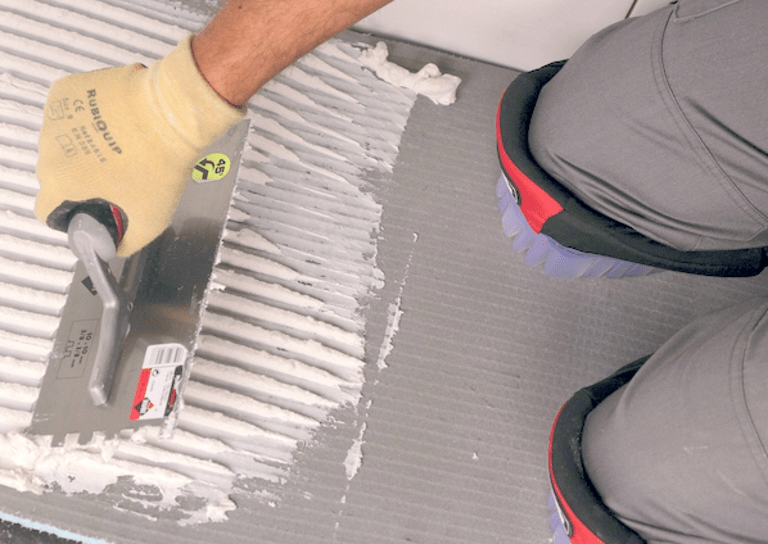
Adequate mortar transfer is necessary for tile stability. The trowel size determines how well mortar transfers to the tile back.
Credit: www.tilemountain.co.uk
Special Cases And Recommendations
Choosing the right notched trowel size for porcelain tile installation can be tricky. Some situations need special care to ensure the tiles stick well.
This guide covers special cases and offers clear recommendations for different types of porcelain tile projects.
Large Format Porcelain Tiles
Large format tiles are bigger than regular tiles. They need more adhesive for a strong bond.
Use a notched trowel with bigger notches. This helps spread enough glue under the tile.
- Recommended notch size: 1/2 inch by 1/2 inch by 1/2 inch (square notch)
- Ensures full coverage under large tiles
- Prevents tile movement and hollow spots
Uneven Substrates
Uneven floors or walls need more adhesive to fill gaps. This keeps tiles stable and secure.
Choose a larger notch size to apply more mortar. This helps the tile stick well despite the uneven surface.
- Use a 3/8 inch or 1/2 inch square notch trowel
- Better mortar coverage fills low spots
- Improves tile adhesion and durability
Outdoor Vs Indoor Applications
Outdoor tiles face weather changes. They need stronger bonding and better water resistance.
Use a larger notched trowel outside to apply thicker mortar. Indoor tiles can use smaller notches for thinner adhesive layers.
- Outdoor: 1/2 inch or larger square notch for thick mortar
- Indoor: 1/4 inch to 3/8 inch notch for smooth surfaces
- Thicker mortar outdoors prevents water damage
Tips For Using Notched Trowels
Using the right notched trowel helps spread adhesive evenly for porcelain tiles. This ensures strong bonding and a smooth finish.
Follow these tips to get the best results with your notched trowel.
Maintaining Trowel Cleanliness
Keep your notched trowel clean to avoid lumps and uneven adhesive layers. Clean it after every use to remove adhesive buildup.
- Use a stiff brush to remove adhesive while it is still wet.
- Wipe the trowel with a damp cloth before the adhesive hardens.
- Soak the trowel in water if adhesive dries on it.
- Inspect the notches for clogs and clear them carefully.
Correct Angle And Pressure
Holding the trowel at the right angle helps spread adhesive evenly. Use steady pressure to create uniform ridges.
| Angle | Pressure | Result |
| 45 degrees | Moderate | Even adhesive layer |
| 30 degrees | Light | Thin adhesive spread |
| 60 degrees | Heavy | Thicker ridges |
Replacing Worn Trowels
Worn notches reduce adhesive coverage and bond strength. Check your trowel often and replace it if notches are damaged.
- Inspect notches for rounding or wear before each job.
- Replace trowels with uneven or missing notches.
- Use new trowels for large or important projects.
- Store trowels properly to avoid damage.
Frequently Asked Questions
What Size Notched Trowel Is Best For Porcelain Tile?
A 1/4 inch by 1/4 inch square notch trowel is ideal. It ensures proper adhesive coverage and strong tile bonding.
Why Use A Notched Trowel For Porcelain Tile?
Notched trowels spread adhesive evenly. This creates a secure bond and prevents hollow spots under the tile.
Can I Use A Larger Notch For Porcelain Tile?
Using a larger notch can cause excess adhesive. It may lead to uneven tiles and poor adhesion.
How Does Trowel Size Affect Tile Installation?
Trowel size controls adhesive thickness. Correct size ensures tiles are level and firmly attached without gaps.
Conclusion
Choosing the right notched trowel size matters for porcelain tile work. It helps spread adhesive evenly and holds tiles firmly. Using the correct size avoids gaps and loose tiles later. Small tiles need smaller notches; large tiles need bigger ones.
This simple step makes your tile job last longer and look better. Always check the tile and adhesive instructions before you start. Proper tools save time and effort. Your tiles will stay strong and smooth for years.