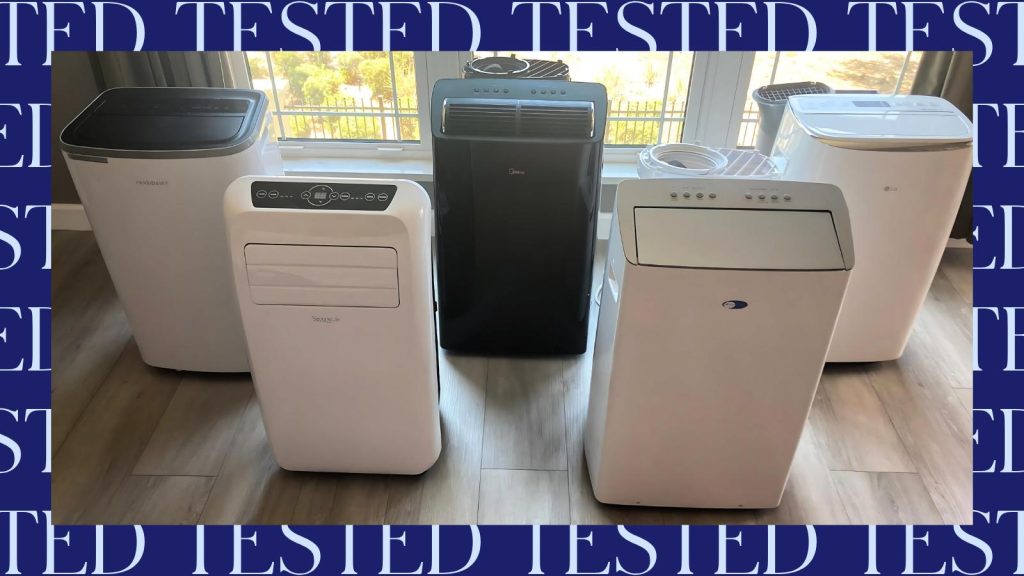
Are you feeling the heat and wondering, “What size portable air conditioner do I need?” Choosing the right size can make all the difference between a cool, comfortable room and wasted energy with little relief. If your air conditioner is too small, it won’t cool your space properly.
If it’s too big, you’ll spend more money than necessary, and your room might feel damp or chilly. You’ll discover simple tips to find the perfect portable AC size for your room. Keep reading to make sure you stay cool and save money this summer!

Credit: www.popularmechanics.com
Factors Affecting Ac Size
Room dimensionsaffect the size of the portable air conditioner needed. Larger rooms need more cooling power.
Ceiling heightchanges the air volume. Higher ceilings need stronger AC units.
Sunlight exposureheats a room more. Rooms with many windows or direct sun need bigger units.
Insulation qualitykeeps cool air inside. Poor insulation means the AC works harder.
Number of occupantsadds heat. More people in a room need a stronger AC.
Heat-generating appliancesincrease room temperature. Devices like ovens or computers can affect the AC size.
Calculating Cooling Capacity
BTUstands for British Thermal Unit. It shows how much heat a cooler can remove. More BTUs mean more power. Portable air conditioners have different BTU ratings. The right BTU depends on room size and heat level.
| Room Size (sq ft) | BTU Needed |
|---|---|
| Up to 150 | 5,000 BTU |
| 150 – 250 | 6,000 – 8,000 BTU |
| 250 – 350 | 8,000 – 10,000 BTU |
| 350 – 450 | 10,000 – 12,000 BTU |
Hotter climates need more cooling power. Add 10% to the BTU for very hot areas. Cooler climates may need less. Always check your area’s weather before choosing.
Types Of Portable Air Conditioners
Single-hose modelsuse one hose to pull in air and push out hot air. They are usually less expensivebut can be less efficient. These units cool the room but may cause pressure imbalances, drawing warm air inside.
Dual-hose modelshave two hoses: one pulls air in, and the other pushes hot air out. They work faster and are more efficient because they don’t create pressure problems. These units are better for larger rooms.
Evaporative coolersuse water to cool the air. They are good for dry climates and use less energy. However, they add moisture to the air and are less effective in humid places.
Energy Efficiency And Power Consumption
EER ratingsshow how well a portable air conditioner uses energy. A higher EER means the unit cools using less power. Check the EER number before buying to save on electricity bills.
Energy saving is easy with a few smart habits. Use these tips for better efficiency:
- Keep doors and windows closed while cooling.
- Use curtains to block sunlight.
- Set the thermostat to a comfortable, not too cold, temperature.
- Turn off the AC when not in the room.
- Clean or replace filters regularly for better airflow.
Installation And Venting Options
Window ventingis a common way to install portable air conditioners. A vent kit fits into the window frame. It lets hot air escape outside. This method is simple and usually does not need special tools.
Through-the-wall ventinguses a hole in the wall. The exhaust hose connects through this hole. This option keeps windows free. It can be more permanent but needs careful measuring and cutting.
- Exhaust hose placementshould be as short as possible.
- Avoid sharp bends in the hose to keep airflow smooth.
- Make sure the hose vents outside, never inside the room.
- Check the hose regularly for cracks or leaks.
Additional Features To Consider
Dehumidificationhelps remove extra moisture from the air. This feature keeps rooms dry and comfortable. It is useful in humid places and reduces mold growth.
Fan Speedsoffer choices for airflow. You can select low, medium, or high speeds. This helps save energy and control noise.
Noise Levelsmatter for quiet spaces like bedrooms or offices. Look for models with low decibel ratings. A quieter unit makes it easier to sleep or work.
Remote Controls and Timersadd convenience. You can turn the unit on or off from across the room. Timers let you set cooling times, saving energy and money.
Common Sizing Mistakes
Overestimating cooling needsleads to buying a unit too big for your room. This can cause higher energy billsand uneven cooling. Large units may cool quickly but will not remove moisture well, leaving the room damp.
Ignoring room conditionslike sunlight, insulation, and ceiling height can cause wrong sizing. Rooms with many windows or poor insulation need more cooling power. A shaded, well-insulated room needs less.
Skipping professional advicemay result in picking the wrong size. Experts can help you find the right balance based on room size and conditions. They consider factors often missed by buyers.

Credit: www.goodhousekeeping.com
Maintenance Tips For Optimal Performance
Clean the filterevery two weeks for best airflow. A dirty filter blocks air and reduces cooling power. Remove dust and debris by rinsing with water. Let it dry fully before placing it back.
Drain waterregularly to stop mold and bad smells. Some units have a drain plug or hose. Empty the water tray often, especially in humid places. This keeps the air fresh and the unit working well.
Before storing the unit for winter, clean it thoroughly. Remove the filter and dry it completely. Store in a cool, dry place to avoid damage. Cover the unit to keep dust away.

Credit: www.dreo.com
Frequently Asked Questions
What Factors Determine Portable Air Conditioner Size?
The size of a portable air conditioner depends on room size, insulation, and sun exposure. Measure the room in square feet to find the right BTU rating. Consider ceiling height, window size, and climate for accurate sizing. Proper sizing ensures efficiency and comfort.
How Do I Calculate Btu For My Room?
To calculate BTU, multiply the room’s square footage by 20. Adjust for factors like ceiling height and sun exposure. For heavily shaded rooms, reduce BTU by 10%. For sunny rooms, increase by 10%. This ensures optimal cooling performance.
Can A Portable Ac Cool Multiple Rooms?
Portable air conditioners are best for single rooms. They struggle to cool multiple rooms effectively. Consider doors, hallways, and room size. For multiple rooms, central or split systems might be more efficient. Proper placement enhances cooling efficiency.
Are Larger Ac Units More Efficient?
Bigger isn’t always better. Oversized units cycle on and off frequently, wasting energy. They may fail to dehumidify properly. Choose a unit that matches your room size for optimal efficiency and comfort. Proper sizing ensures balanced cooling and energy savings.
Conclusion
Choosing the right size portable air conditioner matters a lot. It cools your space efficiently and saves energy. Measure your room size before buying any unit. Too small or too large can cause problems. A well-sized AC keeps you comfortable and lowers bills.
Take time to consider your needs carefully. This simple step helps you enjoy cool air all summer. Now you know how to pick the best size for your room. Stay cool and comfortable with the right choice.