
Choosing the right size range hood for your kitchen can feel confusing. You want something that works well, looks good, and fits perfectly.
But how do you know what size you really need? Picking the wrong size can lead to poor air quality, loud noise, or even wasted money. You’ll discover simple ways to find the perfect range hood size for your cooking space.
Keep reading, and you’ll soon feel confident making the best choice for your kitchen and your home.
Why Hood Size Matters
Choosing the right size range hood is crucial for your kitchen. It affects functionality, design, and your cooking experience. Let’s explore why hood size matters in detail.
Impact On Airflow
Airflow efficiency depends on the hood size. A properly sized hood ensures better air circulation. It helps remove smoke and odors effectively. A small hood might fail in a large kitchen. It won’t capture all the steam or heat.
Matching Cooktop Dimensions
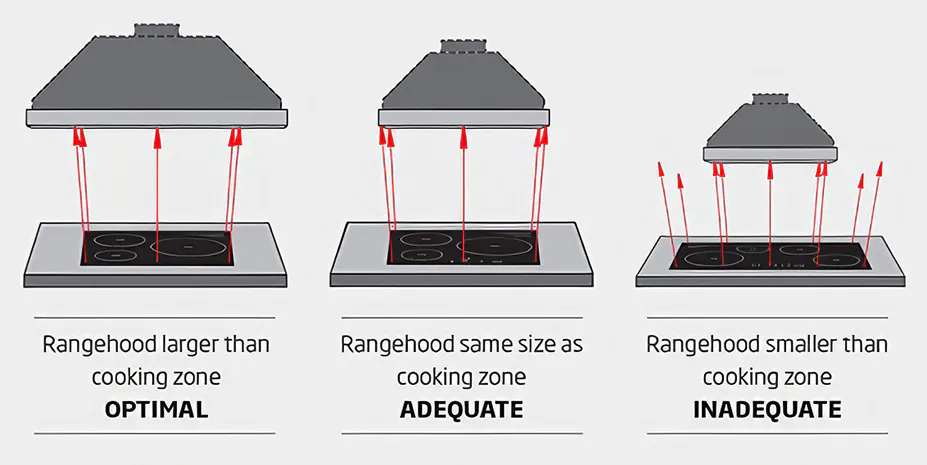
Your range hood should match your cooktop’s width. This ensures optimal performance. A hood too small won’t cover all burners. This leads to poor ventilation. A hood wider than the cooktop offers better coverage. It captures more fumes and grease.
Aesthetics And Kitchen Design
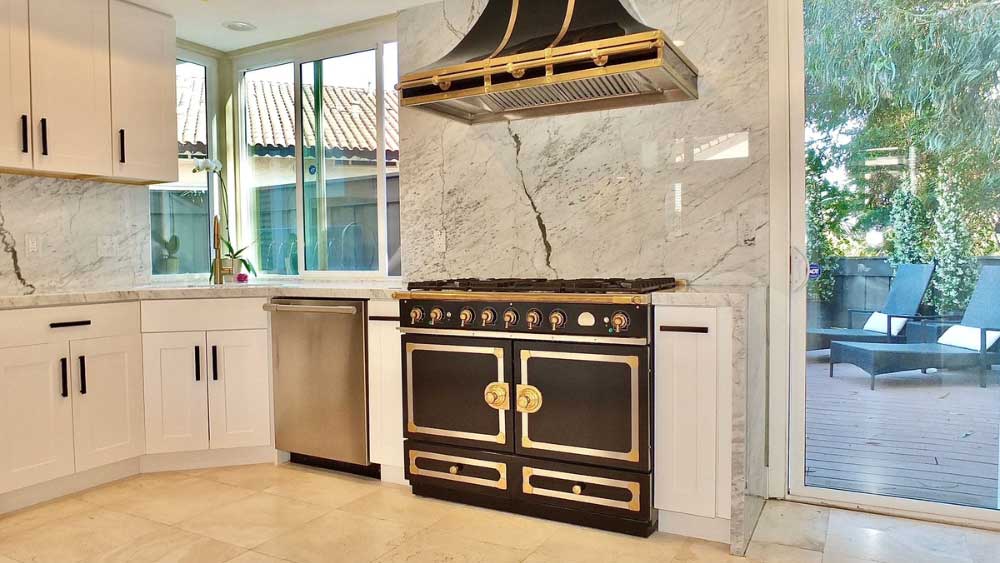
The right hood size complements your kitchen decor. It should fit well with cabinets and appliances. A large hood in a small kitchen can overwhelm the space. A well-sized hood enhances the kitchen’s visual appeal. It provides a balanced look.
Credit: blog.yaleappliance.com
Standard Size Options
Choosing the right size range hood ensures it fits perfectly and works well. Standard size options help match your cooking area and ventilation needs. Knowing common sizes can simplify the decision process.
Common Widths
Range hoods usually come in widths that match your stove or cooktop. Standard widths include:
- 24 inches – for smaller kitchens or compact cooktops
- 30 inches – the most popular size, fits most standard stoves
- 36 inches – for larger stoves or more powerful ventilation
- 42 inches and above – for professional or oversized cooktops
Select a hood that is the same width or slightly wider than your cooktop. This helps capture smoke and odors effectively.
Height And Depth Considerations
Height and depth affect how well the hood removes air and fits in your kitchen space.
- Height: Usually ranges from 18 to 30 inches above the cooking surface.
- Depth: Most hoods range from 18 to 24 inches deep.
The hood should cover the cooking area completely without sticking out too much. Proper height improves airflow and keeps the kitchen comfortable.
Measuring Your Cooktop
Measuring your cooktop is essential before choosing a size range hood. Accurate measurements help ensure the hood covers the cooking area properly. This step improves ventilation and keeps your kitchen smoke-free.
Width And Length
Measure the width of your cooktop from one edge to the other. Also, check the length from front to back if it is not square. The range hood should be at least as wide as the cooktop. A hood wider than the cooktop works best to capture all smoke and steam.
Burner Layout
Note the burner layout on your cooktop. Are the burners spread evenly or clustered on one side? The vent should cover all burners to remove cooking fumes effectively. Check if some burners are larger or produce more heat. Those may need more ventilation coverage.
Consideration For Multiple Cooktops
Some kitchens have two cooktops close together. Measure the total space they cover. Choose a range hood wide enough to cover both cooktops. A single large hood works better than two small ones in this case. It keeps the kitchen cleaner and safer.
Types Of Range Hoods
Choosing the right type of range hood is just as important as selecting the correct size. Each type fits different kitchen layouts and cooking habits. Understanding these options helps you find a hood that works well with your space and meets your ventilation needs.
Under-cabinet Hoods
Under-cabinet hoods fit directly beneath your kitchen cabinets. They are a popular choice for standard kitchen setups because they save space and blend in easily. If you have limited room or want a discreet hood, this type might be perfect for you.
These hoods are usually less expensive and easier to install. However, they require a cabinet above the stove, so if your kitchen lacks upper cabinets, this option won’t work.
Wall-mounted Hoods
Wall-mounted hoods attach to the wall above your cooking surface. They often have a striking design that can become a focal point in your kitchen. If you want your range hood to stand out and offer strong ventilation, this type is worth considering.
They work well with standard or larger stoves and come in various styles, from sleek stainless steel to bold chimney designs. Make sure your wall space allows for proper installation before choosing this option.
Island Hoods
If your stove is located on a kitchen island, island hoods are designed specifically for this setup. These hoods hang from the ceiling directly above the island, providing powerful ventilation without obstructing your open space.
Island hoods often have a stylish presence and require professional installation due to electrical and ductwork needs. Ask yourself if your kitchen layout justifies the extra effort and cost for this type.
Downdraft Systems
Downdraft systems offer a unique alternative by pulling smoke and steam downward instead of upward. They are installed behind or beside the cooktop and pop up only when needed.
This type works well in kitchens where overhead hoods aren’t feasible. However, downdraft systems usually provide less powerful ventilation and might not be the best choice if you cook often or prepare greasy dishes.
Matching Hood Size To Cooktop
Choosing the right size range hood is essential for effective ventilation and maintaining a clean kitchen environment. Matching your hood size to your cooktop ensures that smoke, steam, and odors are captured properly before they spread. But how do you decide which size fits best for your cooking setup?
Equal Width Hoods
The simplest guideline is to select a hood that matches the width of your cooktop. If your cooktop is 30 inches wide, a 30-inch hood will usually do the job well. This alignment helps capture cooking fumes directly where they are produced, minimizing escape into your kitchen.
This approach is straightforward and works especially well for standard cooktops. It’s easy to measure and find matching hoods in stores or online. Plus, it keeps the kitchen design balanced and visually pleasing.
Oversized Hoods Benefits
Choosing a hood wider than your cooktop offers extra protection. A 36-inch or 42-inch hood over a 30-inch cooktop can catch more smoke and grease, especially if you often cook with high heat or multiple pots.
Oversized hoods also reduce noise by allowing the fan to run at lower speeds while still ventilating effectively. You might notice less lingering odors and a cleaner kitchen when the hood covers the entire cooking area and some space beyond it.
When Smaller Hoods Work
Sometimes, a smaller hood than your cooktop can be enough, especially in compact kitchens with limited space. If your cooking style is light and you rarely produce much smoke or steam, a smaller hood might suffice.
However, you must ensure the hood’s extraction power (measured in CFM) is strong enough to compensate for its smaller size. Consider how often you cook, the type of food, and your kitchen layout before going smaller.

Credit: prolinerangehoods.com
Ventilation Power And Capacity
Understanding the ventilation power and capacity of your range hood is crucial for maintaining a fresh kitchen environment. It determines how well your hood can remove smoke, odors, and moisture while you cook. Let’s break down the key factors that influence how powerful your range hood should be.
Cfm Ratings Explained
CFM stands for cubic feet per minute and measures how much air your range hood can move. The higher the CFM, the more powerful the ventilation. For most home kitchens, a range hood with 300 to 600 CFM is sufficient, but bigger cooking spaces or heavy frying might require 900 CFM or more.
Think about your kitchen size and the type of meals you usually prepare. A small range hood with low CFM won’t handle strong odors or large amounts of smoke well. You want to match the CFM rating to your cooking habits to avoid lingering smells and greasy buildup.
Choosing Based On Cooking Style
Your cooking style directly impacts the ventilation power you need. If you often grill, fry, or cook with strong spices, you need a higher CFM hood to clear the air quickly. On the other hand, if your cooking mostly involves boiling or steaming, a moderate CFM range hood will do the job.
Ask yourself: do you frequently make stir-fries or deep-fry foods? These techniques release a lot of smoke and grease. Opting for a hood with strong suction power saves you from constantly cleaning walls and ceilings later. Cooking habits should guide your choice more than just kitchen size alone.
Noise Levels And Efficiency
Powerful doesn’t have to mean loud. Modern range hoods offer better efficiency while keeping noise levels low. Look for models with variable speed controls, so you can adjust the ventilation based on your cooking activity.
Consider the noise level in sones; a quiet hood typically runs at about 1-3 sones on low speed. Too much noise can make cooking stressful or discourage you from turning the hood on. Efficient airflow combined with low noise improves your kitchen experience without sacrificing performance.
Installation Tips
Installing the right size range hood is just the beginning. Proper installation ensures it works efficiently and looks great in your kitchen. Pay close attention to placement, ductwork, and electrical needs to get the best performance from your new hood.
Proper Height Placement
Mount your range hood at the right height to capture smoke and steam effectively. Typically, this means placing it 24 to 30 inches above the cooktop. Too high, and it won’t catch fumes well; too low, and it could interfere with cooking and pose a safety risk.
Think about your cooking style. If you often use high flames or large pots, err on the lower side of that range to improve ventilation. Also, check your hood’s manufacturer guidelines—they sometimes have specific recommendations based on model design.
Duct Size And Placement
The duct size impacts how well your range hood vents air outside. Use a duct that matches your hood’s exhaust outlet, usually 6 to 8 inches in diameter. If the duct is too small, airflow slows down, reducing efficiency and increasing noise.
Plan your duct route to minimize bends and length. Every curve or extra foot of duct reduces airflow. If you’re unsure about the duct path, consider hiring a professional to avoid common mistakes that affect performance.
Electrical Requirements
Your range hood needs a dedicated power source for safe and reliable operation. Check the voltage and amperage specified by the manufacturer, usually 120 volts for most residential hoods. Ensure your kitchen circuit can handle this load without tripping breakers.
Don’t forget about the switch placement—make it easily accessible but away from heat and moisture. If you’re adding lighting or extra features, these may require additional wiring, so plan accordingly. Have an electrician inspect your setup if you’re not confident handling electrical work yourself.
Credit: www.sydneyrangehoods.com.au
Custom Vs. Standard Hoods
Choosing the right size range hood is crucial for kitchen performance and style. The decision often comes down to custom versus standard hoods. Each type offers different benefits depending on your kitchen’s needs and design.
When To Consider Custom Sizes
Custom range hoods fit unique kitchen layouts perfectly. They suit unusual stove sizes or irregular wall spaces. Custom sizes work well for open kitchens with large cooking areas. They ensure the hood covers the entire cooking surface, improving ventilation.
Custom hoods help maintain a balanced look. They match cabinets and other appliances better. This option suits homeowners wanting a seamless kitchen design that stands out.
Cost Differences
Standard hoods are usually more affordable. They come in common sizes, making production cheaper. Many brands offer a wide range of standard models ready to ship. Installation is often simpler and quicker, saving money.
Custom hoods cost more due to special materials and labor. They require precise measurements and craftsmanship. The price can increase with unique designs or added features. Budget planning is important if choosing a custom hood.
Design Flexibility
Custom range hoods offer greater design freedom. You can select materials, shapes, and finishes that match your style. They allow creative touches like lighting or decorative trims. Custom hoods can serve as a kitchen’s focal point.
Standard hoods have limited design options but still cover basics. They come in popular styles like stainless steel or simple colors. For many kitchens, standard hoods provide enough style with less hassle.
Maintenance And Cleaning
Proper maintenance and cleaning keep your range hood working well. Dirt and grease build up fast in kitchen hoods. Regular care helps keep the air clean and your hood efficient. It also prevents damage and extends the hood’s life. Knowing about filters and cleaning routines makes maintenance easier.
Filter Types And Replacement
Range hoods use different filters to trap grease and smoke. Common types include:
- Mesh filters: Metal layers that catch grease particles.
- Baffle filters: Designed with angled panels to trap grease.
- Charcoal filters: Absorb odors and smoke, mainly in ductless hoods.
Mesh and baffle filters can be washed and reused. Charcoal filters need replacing every few months. Check your hood’s manual for filter type and replacement advice. Clean or change filters regularly to keep airflow strong.
Cleaning Frequency
Cleaning your range hood depends on how often you cook. For daily cooking, clean filters every month. For occasional use, clean filters every three months. Wipe down the hood’s surface weekly to remove grease. Use warm soapy water or a mild cleaner. Avoid harsh chemicals that may damage the hood.
Prolonging Hood Lifespan
Regular cleaning prevents grease buildup and mechanical issues. Avoid letting dirt sit for too long. Inspect the fan and motor for dust and blockages. Keep vents and ducts clear for good airflow. Use the hood every time you cook to reduce grease spread. Proper use and care help your range hood last longer and work better.
Frequently Asked Questions
What Size Range Hood Fits My Cooktop?
Choose a range hood at least as wide as your cooktop. Ideally, it should be 3 inches wider on each side. This ensures effective capture of smoke and odors. Proper sizing enhances ventilation and kitchen comfort.
How To Measure For A Range Hood?
Measure the width of your cooktop or stove. Use this measurement as the minimum hood width. Also, consider hood height and duct size for optimal performance. Accurate measurements prevent installation issues.
Does Ceiling Height Affect Range Hood Size?
Yes, ceiling height influences hood size and installation height. Higher ceilings may require larger or more powerful hoods. Proper distance from cooktop to hood ensures effective smoke capture.
What Cfm Rating Is Best For Range Hoods?
CFM depends on cooktop size and cooking habits. A general rule is 100 CFM per linear foot of cooktop. Higher CFM offers better ventilation for heavy cooking.
Conclusion
Choosing the right size range hood keeps your kitchen fresh and clean. A hood too small won’t remove smoke and odors well. Too big can look awkward and waste energy. Match the hood width to your stove size for best results.
Think about your cooking style and kitchen space. A well-sized hood helps air flow and keeps your kitchen comfortable. Keep these tips in mind when shopping for your range hood. Your kitchen will feel better every time you cook. Simple and smart choices make a big difference.