Choosing the right range hood for your 30-inch cooktop can feel like a daunting task. With so many options available, how do you know which size is perfect for your kitchen?
You want to ensure that your cooking space remains fresh and free of unwanted odors and smoke, but making the right decision can be tricky. This is where we come in to help. We’ll unlock the secrets to selecting the ideal range hood size for your cooktop.
Imagine cooking your favorite meals without worrying about lingering smells or greasy air. By understanding the factors that matter, you’ll make an informed choice that enhances your kitchen’s functionality and style. Stick around, and let’s dive into what you need to know to make your cooking experience as pleasant as possible.
Choosing The Right Size
Choosing the right size range hood for your 30 inch cooktop is essential for effective ventilation and maintaining a clean kitchen environment. The size you pick affects how well the hood captures smoke, steam, and odors. Understanding the relationship between your cooktop and hood size helps you make a smart choice.
Matching Hood Width To Cooktop
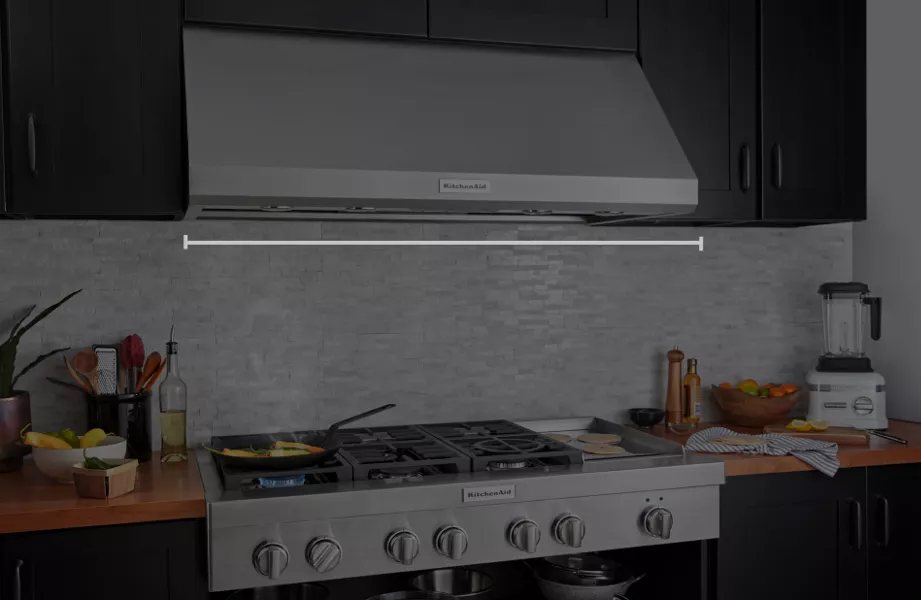
Your range hood should be at least as wide as your 30 inch cooktop. Ideally, it should match the exact width or be slightly wider. A hood narrower than your cooktop won’t capture all the cooking fumes, leaving your kitchen smoky.
Many homeowners opt for a 36 inch hood for a 30 inch cooktop. This extra width ensures better coverage and efficiency. Think about your cooking style—if you use large pots or multiple burners often, a wider hood is a safer bet.
Impact Of Hood Size On Performance
The size of your range hood directly affects its ability to remove smoke and grease. A larger hood can handle more air volume, which means better ventilation. On the flip side, a hood too small for your cooktop may struggle and cause lingering odors.
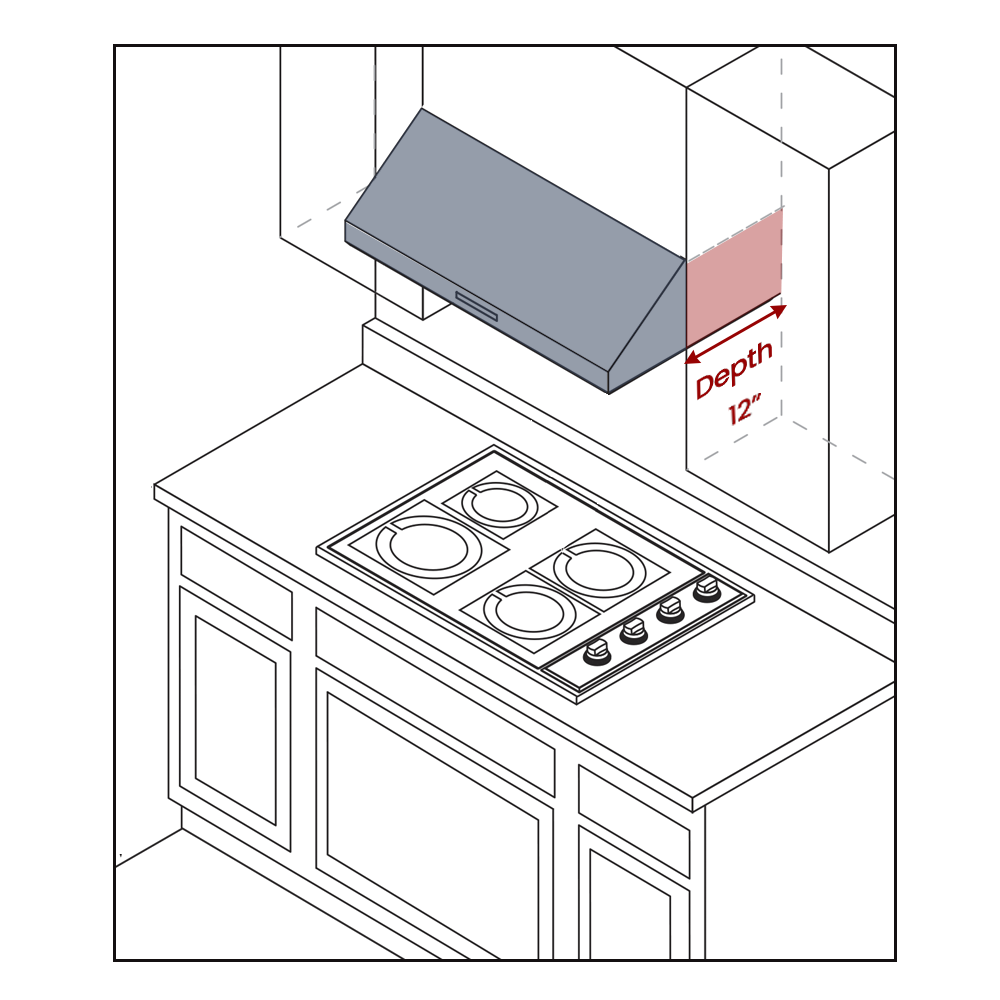
Besides width, consider the hood’s height and depth. A hood mounted too high or too shallow can reduce airflow efficiency. Have you ever noticed smoke spilling out during cooking? That’s often a size or placement issue.
Choosing the right size range hood balances aesthetics and function. It’s not just about fitting the space but making sure your kitchen stays fresh and comfortable while you cook.
Types Of Range Hoods
Choosing the right type of range hood is essential for a 30 inch cooktop. Each type offers unique benefits and fits different kitchen layouts. Understanding these types helps pick the best match for your cooking space.
Wall-mounted Hoods
Wall-mounted hoods attach to the wall above the cooktop. They often have a chimney design that vents air outside. These hoods are powerful and handle strong smoke and odors well. They suit kitchens where the cooktop is against a wall.
Under-cabinet Hoods
Under-cabinet hoods fit beneath kitchen cabinets. They save space and blend with cabinet designs. These are ideal for small kitchens or tight spaces. They usually vent air outside or filter and recirculate it back.
Island Hoods
Island hoods hang from the ceiling above cooktops on kitchen islands. They provide ventilation where no wall exists. These hoods often have a modern look and strong airflow. They require ceiling support and proper ductwork.
Downdraft Hoods
Downdraft hoods rise from the countertop beside the cooktop. They pull smoke downward instead of upward. These are great for kitchens without overhead space. They are less powerful than other types but offer a clean look.
Ventilation And Airflow
Proper ventilation and airflow are essential when choosing a range hood for your 30-inch cooktop. Without efficient airflow, smoke, odors, and grease can linger, making your kitchen uncomfortable and harder to clean. Understanding how much ventilation power you need and how to set it up will help you maintain a fresh and safe cooking space.
Calculating Cfm Requirements
CFM stands for cubic feet per minute, which measures the airflow capacity of your range hood. A good rule of thumb is to have a range hood that can move 100 CFM for every 10 inches of cooktop width. For a 30-inch cooktop, aim for a range hood with at least 300 CFM.
Think about your cooking style too. If you often fry or cook with high heat, you might want a hood with 400 to 600 CFM to handle stronger smoke and odors. It’s better to have slightly more power than not enough, because under-ventilated kitchens can cause buildup and poor air quality.
Duct Size And Placement
The size of the duct that connects your range hood to the outside directly affects airflow. A duct that’s too small will restrict air movement and reduce efficiency. For a 30-inch cooktop, a duct diameter of 6 inches or more is recommended to support adequate airflow.
Placement is just as important. Keep ducts as short and straight as possible to avoid air resistance. Avoid too many bends or turns since they slow down airflow and make your hood work harder. You want smooth, direct ventilation to get the best results.
Makeup Air Considerations
When your range hood pulls air out of your kitchen, that air must be replaced to keep your home balanced. This replacement air is called makeup air. Without it, your house can develop negative pressure, which may pull in unwanted air from cracks or cause your doors to slam.
Makeup air is especially important if your range hood has a high CFM rating. Some local building codes require makeup air systems for powerful hoods. You can add a dedicated makeup air vent or use a system that brings fresh air in automatically to keep your kitchen comfortable and safe.
Installation Tips
Installing the right size range hood for a 30 inch cooktop requires careful planning. Proper installation ensures effective ventilation and safe kitchen use. Focus on key factors like height, electrical setup, and common pitfalls. These tips help you avoid costly mistakes and keep your kitchen fresh.
Height And Clearance Guidelines
Maintain correct height between the cooktop and hood. Typically, 24 to 30 inches above the cooktop is ideal. This height ensures smoke and odors get captured efficiently. Too low may cause heat damage; too high lowers performance. Check manufacturer instructions for exact clearance needs.
Electrical And Ductwork Needs
Confirm the range hood’s power requirements before installation. Most hoods need a dedicated 120-volt outlet nearby. Plan ductwork to vent air outside your home. Use smooth, rigid metal ducts for better airflow. Avoid long or curved ducts to reduce resistance. Proper duct size matches the hood’s airflow capacity.
Common Installation Mistakes
- Placing the hood too high or too low reduces efficiency.
- Using flexible ducts causes airflow problems and noise.
- Ignoring electrical codes can lead to safety hazards.
- Not sealing duct connections allows air leaks.
- Choosing a hood smaller than the cooktop limits ventilation.
Style And Design Options
Choosing the right size range hood for your 30-inch cooktop goes beyond just measurements. The style and design of your range hood can transform your kitchen’s look and feel. You want a hood that not only fits well but also matches your kitchen’s vibe and your personal taste.
Material Choices
Material affects both the durability and the style of your range hood. Stainless steel is popular for its sleek, modern look and easy cleaning. If you prefer a warmer feel, consider wood or copper, which add character and charm.
Some materials also impact noise levels and maintenance. For instance, glass range hoods look elegant but require frequent cleaning to avoid smudges. What material will fit your kitchen’s daily use and style best?
Finish And Color Matching
Finishes can make a simple range hood stand out or blend seamlessly with your kitchen. Matte black or brushed nickel finishes create a bold statement, while classic stainless steel offers a timeless appeal.
Matching the hood’s color with your cabinets, backsplash, or appliances ties the room together. Think about whether you want your hood to pop or to fade into the background. How will the finish complement your existing kitchen palette?
Lighting Features
Built-in lighting improves cooking visibility and adds ambiance. LED lights are energy-efficient and provide bright, clear illumination. Some models even offer adjustable brightness or color settings.
Consider how much light you need when cooking and whether the hood’s lights can replace or supplement your kitchen’s main lighting. Could better lighting enhance your cooking experience and kitchen atmosphere?
Credit: www.kitchenaid.com
Maintenance And Cleaning
Maintaining and cleaning your range hood is essential for its efficiency and longevity. Regular care keeps the air fresh and removes grease build-up. It also prevents odors and smoke from spreading in your kitchen.
Cleaning is easier with the right knowledge about filters, cleaning schedules, and common issues. Understanding these elements helps keep your 30 inch cooktop area safe and pleasant.
Filter Types And Replacement
Range hoods use different filters to trap grease and particles. The most common types are:
- Mesh Filters:Made of metal, they catch grease well but need frequent cleaning.
- Charcoal Filters:Used in ductless hoods to remove odors. They cannot be washed and must be replaced.
- Baffle Filters:Have angled panels to capture grease. Easy to clean and very durable.
Replace charcoal filters every 3 to 6 months. Metal filters should be cleaned monthly to keep them effective.
Cleaning Frequency
Cleaning your range hood regularly avoids grease build-up and fire hazards. Follow this simple schedule:
- Wipe the exterior weekly with a damp cloth and mild detergent.
- Clean metal filters every 1 to 2 months by soaking in hot, soapy water.
- Replace charcoal filters every 3 to 6 months depending on usage.
- Check the fan and vent twice a year to remove dust and grease.
Troubleshooting Common Issues
Range hoods can face minor problems that affect performance. Check these points first:
- Weak Suction:Clean or replace filters, check for clogged vents.
- Noise Problems:Tighten loose parts or clean the fan blades.
- Light Not Working:Replace bulbs or check wiring.
- Odors Persist:Replace charcoal filters or clean the duct thoroughly.
Regular maintenance prevents most issues and keeps your kitchen air clear.
Budget And Energy Efficiency
Choosing the right size range hood for your 30-inch cooktop isn’t just about fitting dimensions—it also means thinking about your budget and how energy-efficient the unit is. Balancing cost with performance can save you money upfront and on utility bills later. Let’s break down what you need to know to make a smart choice that fits your kitchen and wallet.
Cost Ranges
Range hoods for a 30-inch cooktop typically fall into three price categories: budget, mid-range, and high-end. Basic models start around $100 to $300, offering essential ventilation without many extra features. Mid-range hoods, costing between $300 and $600, often include better fans and quieter operation.
High-end units can exceed $600, featuring advanced controls, stainless steel finishes, and superior extraction power. Think about how much you want to spend now versus the features that truly matter for your daily cooking. Would you prefer a simple, effective hood or one with bells and whistles that you might not use?
Energy Star Ratings
Energy Star certified range hoods use less energy while maintaining good performance. These models often have efficient motors and LED lighting that reduce electricity use. Choosing an Energy Star hood can lower your kitchen’s overall energy consumption without sacrificing ventilation quality.
Look for labels when shopping and compare the estimated yearly energy use. A more efficient hood might cost a bit more initially but can cut down your electricity bills. Have you checked how much energy your current kitchen appliances consume compared to Energy Star models?
Long-term Savings
Investing in an energy-efficient range hood pays off over time. Lower electricity bills add up, and durable models reduce repair or replacement costs. Quiet operation also enhances your kitchen comfort, making cooking more enjoyable.
Think about how long you plan to keep your range hood. Spending a little extra now can mean fewer headaches and expenses later. What’s more important to you: saving money immediately or enjoying long-term benefits that improve your kitchen experience?

Credit: homeoutletdirect.ca

Credit: prolinerangehoods.com
Frequently Asked Questions
What Size Range Hood Fits A 30 Inch Cooktop?
A 30 inch cooktop typically requires a 30 inch range hood. Matching the size ensures effective ventilation and balanced aesthetics. A hood smaller than the cooktop won’t capture all fumes, while a larger one may look disproportionate.
How Far Should Range Hood Extend Beyond Cooktop?
The range hood should extend at least 3 inches beyond each side of the cooktop. This coverage captures smoke and odors efficiently. For a 30 inch cooktop, a 36 inch hood is often recommended for better ventilation.
What Cfm Rating Is Needed For 30 Inch Cooktop Hood?
For a 30 inch cooktop, a range hood with 300 to 600 CFM is ideal. Higher CFM means stronger airflow to remove smoke and grease. Choose based on cooking frequency and kitchen size for optimal performance.
Can A 30 Inch Range Hood Cover A Larger Cooktop?
A 30 inch range hood is best for a 30 inch cooktop. Using it on a larger cooktop may reduce ventilation efficiency. It’s better to select a hood size equal to or larger than the cooktop width.
Conclusion
Choosing the right size range hood for a 30-inch cooktop matters a lot. A hood that matches your cooktop keeps your kitchen fresh and clean. Usually, a 30 to 36-inch hood works best. It captures smoke and odors well without being too big or small.
Proper ventilation helps avoid grease buildup and keeps air clear. Remember, size affects performance and style. Pick a hood that fits your space and cooking needs. This simple step makes cooking safer and more comfortable every day.