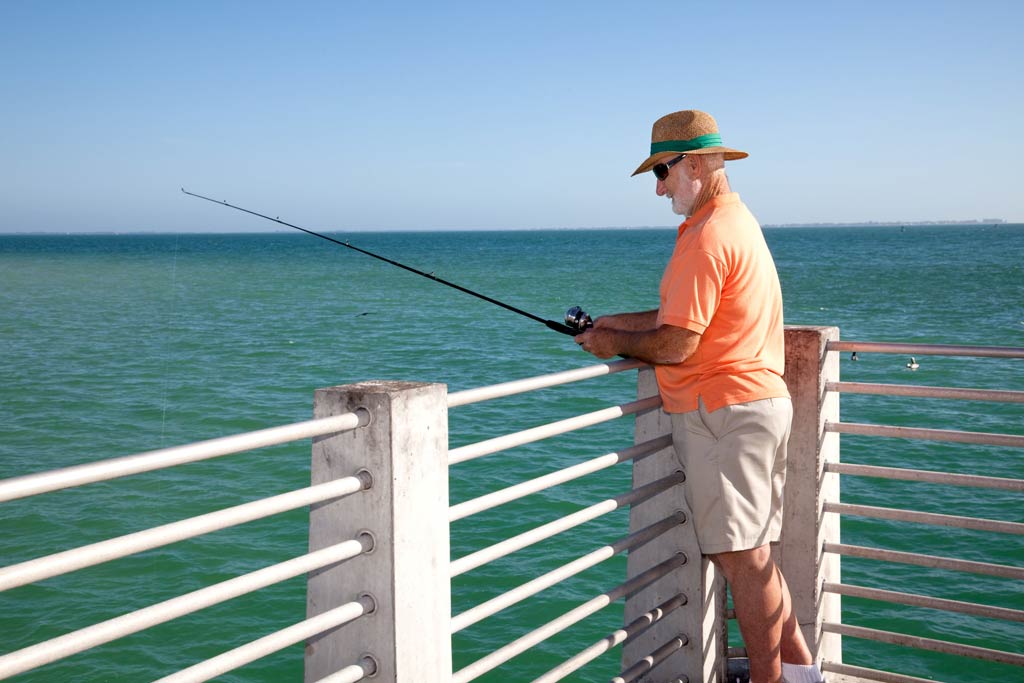
Are you wondering what size rod you should use for pier fishing? Choosing the right rod can make all the difference between a great catch and a frustrating day on the water.
Whether you’re a beginner or have some experience, picking the perfect rod size helps you cast farther, handle bigger fish, and enjoy your time more. Keep reading, and you’ll discover exactly what rod size fits your needs, so you can fish smarter and catch more.
Basics Of Pier Fishing
Pier fishing is a popular way to catch fish from a fixed structure over water. It offers easy access to deeper water without a boat.
Choosing the right rod size is key to having a good fishing experience on a pier. It helps you handle the fish and the environment.
Understanding Pier Fishing
Piers extend over water and provide a platform to fish from. They allow anglers to reach fish that swim farther from the shore.
Fishing on a pier often means dealing with waves, wind, and sometimes large fish. Your gear should be strong and durable.
Choosing The Right Rod Size
The rod size depends on the type of fish you want to catch and the conditions on the pier. Longer rods help cast farther, while shorter rods offer more control.
- For small fish, use a light rod around 6 to 7 feet long.
- For medium fish, a medium rod of 7 to 8 feet works well.
- For large fish, choose a heavy rod 8 to 9 feet long or more.
Rod Strength And Action
Rod strength is called power. Action shows how much the rod bends. Fast action rods bend near the tip and help hook fish quickly.
| Rod Power | Best For | Example Fish |
| Light | Small fish | Perch, small bass |
| Medium | Medium fish | Striped bass, redfish |
| Heavy | Large fish | Shark, large catfish |
Additional Tips For Pier Fishing Rods
Use corrosion-resistant rods and reels because saltwater can damage gear. A rod with a comfortable grip will help during long fishing sessions.
Credit: finntrail.com
Choosing The Right Rod Length
Picking the correct rod length is key for pier fishing success. The rod length affects casting distance and control.
Different fishing spots and fish types need different rod sizes. This guide helps you choose the best rod length.
Short Rods For Close Range
Short rods, usually 6 to 7 feet long, work well when you fish near the pier. They are easier to handle and control.
Medium Length Rods For Versatility
Rods between 7 and 9 feet offer a good balance. They allow decent casting distance and good control for many pier fishing spots.
Long Rods For Far Casting
Long rods, 9 feet or more, help cast far into the water. These rods reach deeper spots but may be harder to manage.
Rod Length Comparison Table
| Rod Length | Best Use | Advantages | Disadvantages |
|---|---|---|---|
| 6 – 7 feet | Close range fishing | Easy control, light weight | Limited casting distance |
| 7 – 9 feet | General pier fishing | Good casting, balanced control | May be heavy for some users |
| 9+ feet | Long distance casting | Reach far spots, deeper water | Harder to handle, heavier |
Rod Power And Action Explained
Choosing the right rod size is key for pier fishing success. Rod power and action affect how you handle fish and casting.
This guide explains rod power and action to help you pick the best rod for pier fishing.
Understanding Rod Power
Rod power means how strong the rod is. It tells how much weight the rod can handle. Power ranges from ultra-light to heavy.
- Ultra-Light:Best for small fish and light lines.
- Light:Good for small to medium fish.
- Medium:Suitable for most pier fishing needs.
- Medium-Heavy:For larger fish and heavier baits.
- Heavy:Used for very big fish and strong currents.
Choose rod power based on the size of fish you expect and the bait weight.
Types Of Rod Action
Rod action describes how the rod bends under pressure. It affects casting distance and hook setting.
| Action Type | Description | Best Use |
| Fast | Bends near the tip only | Quick hook sets, better control |
| Medium | Bends in the top half | Good for general use and casting |
| Slow | Bends through the whole rod | Long casts, absorbs fish fight |
Fast action rods are great for pier fishing when you need quick response. Medium action rods offer balance. Slow rods help with long casts and tired fish.
Credit: www.gulfshores.com
Material Choices For Pier Fishing Rods
Choosing the right material for a pier fishing rod helps improve your catch. Each material offers unique benefits for different fishing needs.
Understanding the differences in rod materials can guide you to the best rod for pier fishing.
Fiberglass Rods
Fiberglass rods are strong and flexible. They can handle heavy fish and rough conditions well. These rods are good for beginners because they are durable and less likely to break.
- Heavier and thicker than other rods
- More bend and shock absorption
- Less sensitive to light bites
- Usually more affordable
Graphite Rods
Graphite rods are lightweight and very sensitive. They help anglers feel even small bites on the line. These rods are often preferred for pier fishing where detecting light bites is important.
| Feature | Benefit |
| Lightweight | Less arm fatigue during long fishing |
| High sensitivity | Detects small fish bites easily |
| Brittle | Needs careful handling |
| More expensive | Higher quality materials used |
Composite Rods
Composite rods blend fiberglass and graphite materials. They offer a balance of strength and sensitivity. These rods suit anglers who want a mix of durability and lightness.
- Good balance between flexibility and sensitivity
- Stronger than pure graphite rods
- Lighter than pure fiberglass rods
- Versatile for different fishing styles
Rod Features For Enhanced Performance
Choosing the right rod size is important for pier fishing. Different features help improve fishing success and comfort.
This guide focuses on rod handle types and guide designs. Both affect the fishing experience and rod performance.
Handle Types And Comfort
The handle of a fishing rod affects how long you can fish without feeling tired. Comfort and grip are key.
- Cork Handles:Lightweight and soft, cork feels good in your hand. It offers good grip even when wet.
- EVA Foam Handles:Durable and easy to clean. Foam handles provide a firm grip and resist wear.
- Split Grip Handles:These reduce rod weight and increase sensitivity. They can improve casting accuracy.
- Full Handles:Offer more surface to hold. Good for anglers who prefer a solid grip.
Guides And Their Importance
Guides are the rings along the rod that the fishing line passes through. They help control the line and casting distance.
| Guide Type | Description | Benefit |
| Single-foot Guides | Attached with one leg to the rod | Lightweight, good for light rods |
| Double-foot Guides | Attached with two legs | Stronger, better for heavy lines |
| Ceramic Inserts | Smooth rings made of ceramic | Reduce friction, protect line from wear |
| Stainless Steel Frames | Durable metal frames | Resist corrosion, last longer near saltwater |
Optimal Reel Pairings
Choosing the right reel for your pier fishing rod helps you fish better. The reel and rod must work well together for smooth casting and reeling.
This guide covers ideal reel types for different rod sizes. It focuses on spinning reels and baitcasting reels for pier fishing.
Spinning Reels
Spinning reels are popular for their ease of use and versatility. They fit well with light to medium rods used in pier fishing.
- Choose a reel size between 3000 and 4000 for most pier rods.
- Match the reel weight to keep the rod balanced.
- Look for reels with smooth drag systems to handle different fish sizes.
- Use a reel with enough line capacity for long casts from the pier.
Baitcasting Reels
Baitcasting reels work best with heavier rods for bigger fish. They offer more control and power but need some skill to use.
| Rod Size | Recommended Reel Size | Line Capacity (yards) | Drag Strength (lbs) |
|---|---|---|---|
| Medium-Heavy (7-8 ft) | Low-profile baitcaster | 150-200 | 10-15 |
| Heavy (8-9 ft) | High-capacity baitcaster | 200-250 | 15-20 |
Line Selection For Pier Fishing
Choosing the right fishing line is important for pier fishing success. The line must be strong enough to handle the fish and conditions.
Different line types and strengths work better depending on the species and water conditions found near piers.
Types Of Fishing Line
There are three main types of fishing line: monofilament, fluorocarbon, and braided. Each has strengths and weaknesses.
- Monofilament:Stretchy and easy to handle, good for beginners.
- Fluorocarbon:Nearly invisible underwater, good for clear water.
- Braided:Very strong and thin, good for deep water and heavy fish.
Choosing Line Strength
Line strength is measured in pounds and depends on the fish size. Pier fishing usually needs medium strength lines.
| Fish Type | Recommended Line Strength (lbs) |
|---|---|
| Small fish (e.g., perch) | 6-10 |
| Medium fish (e.g., striped bass) | 12-20 |
| Large fish (e.g., bluefish) | 20-30 |
Consider Water Conditions
Saltwater can weaken some lines. Use saltwater-resistant lines for ocean pier fishing.
- Saltwater can cause line damage over time.
- Fluorocarbon resists water absorption well.
- Check your line often for wear and tear.

Credit: fishingbooker.com
Popular Fishing Techniques On Piers
Pier fishing offers many ways to catch fish using different methods. Choosing the right rod size helps improve your fishing experience.
This guide covers two popular pier fishing methods: bottom fishing and casting and retrieving. Learn how rod size fits each technique.
Bottom Fishing
Bottom fishing targets fish near the pier floor. You drop bait straight down and wait for bites. A rod with medium to heavy power and 7 to 9 feet long works well. This size helps control heavy sinkers and bigger fish.
- Rod length: 7 to 9 feet
- Power: Medium to heavy
- Use strong line for weight and fish size
- Choose rods with sensitive tips for bite detection
Casting And Retrieving
This method uses lures or bait cast away from the pier. Then you reel it back to attract fish. A medium power rod between 7 and 8 feet long works best. It offers good casting distance and control.
| Rod Length | Power | Use |
| 7 to 8 feet | Medium | Casting distance and lure control |
| 7 to 9 feet | Medium to heavy | Bottom fishing with heavy sinkers |
Maintenance Tips For Longevity
Choosing the right size rod for pier fishing is important. Taking care of your rod helps it last longer. Proper maintenance keeps it in good shape and ready to use.
Regular cleaning and storage protect your fishing rod from damage. Follow simple steps to avoid wear and tear and enjoy fishing for years.
Cleaning Your Rod
After each fishing trip, rinse your rod with fresh water. This removes salt, dirt, and sand that can cause damage. Use a soft cloth to dry it completely before storing.
Check Guides And Reel Seat
Inspect the guides for cracks or rough spots. These can cut your fishing line. Also, check the reel seat to ensure it holds the reel tightly. Tighten any loose parts to avoid problems while fishing.
Proper Storage
Store your rod in a dry place away from direct sunlight. Avoid leaning it against walls for long periods. Use a rod rack or hang it horizontally to keep its shape.
- Keep rods away from heat and moisture
- Use rod covers to protect from dust
- Store rods vertically or horizontally on racks
- Remove the reel during long storage
Lubricate Moving Parts
Apply light oil to the reel seat and guides occasionally. This helps prevent rust and keeps parts working smoothly. Use products made for fishing gear to avoid damage.
Damage Repair And Inspection
| Issue | Cause | Fix |
|---|---|---|
| Broken Guide | Impact or wear | Replace guide promptly |
| Loose Reel Seat | Wear or vibration | Tighten or replace seat |
| Rod Crack | Stress or accident | Use rod repair kit or replace rod |
| Rust on Parts | Saltwater exposure | Clean and apply lubricant |
Frequently Asked Questions
What Is The Ideal Rod Length For Pier Fishing?
The ideal rod length for pier fishing is 7 to 9 feet. This range offers good casting distance and control. Longer rods help cast beyond pier pilings. They also provide better leverage when fighting fish from the pier.
Which Rod Power Suits Pier Fishing Best?
Medium to medium-heavy power rods suit pier fishing well. This power handles various fish sizes. It offers strength to fight larger species and sensitivity for smaller catches. Medium power rods balance control and flexibility effectively.
Should I Use A Spinning Or Casting Rod For Pier Fishing?
Spinning rods are preferred for pier fishing due to ease of use. They handle light to medium tackle well. Spinning setups allow smooth casting over obstacles like pier railings. Casting rods are less common but useful for heavy lures.
How Does Rod Action Affect Pier Fishing Performance?
Fast action rods provide quick hook sets and better sensitivity. They help detect subtle bites on the pier. Moderate action rods are versatile, offering a balance between flexibility and control. Choose based on target species and fishing style.
Conclusion
Choosing the right rod size helps catch fish easily from the pier. A medium to medium-heavy rod fits most pier fishing needs well. It offers good strength and control for different fish types. Keep your rod length between 7 to 9 feet for better casting and handling.
Remember, comfort and balance matter during long fishing trips. Try different sizes to find what feels best for you. The right rod makes pier fishing more fun and successful. Enjoy your time by the water with the perfect rod in hand.