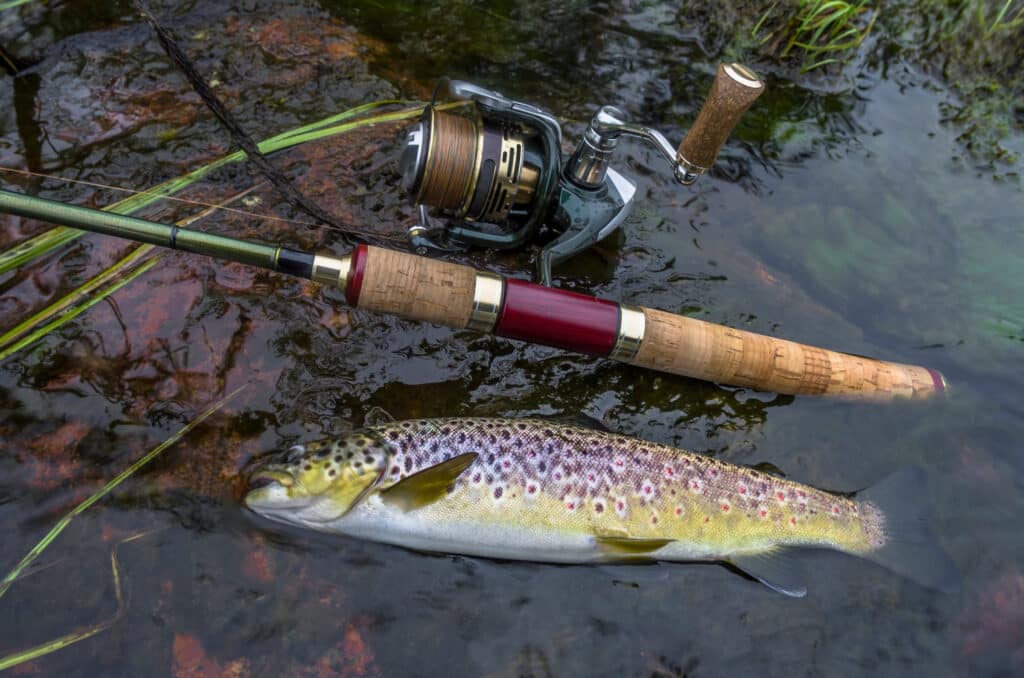
Choosing the right rod size for trout fishing can make all the difference between a frustrating day and an exciting catch. You want a rod that feels comfortable in your hands and gives you control over every cast and every tug.
But how do you know which size fits your style and the waters you fish in? This guide will help you find the perfect rod size so you can enjoy more success and fun on your next trout fishing adventure.
Keep reading to discover what really works for you.
Choosing The Right Rod Length
Trout fishing is a fun and rewarding activity. Picking the right rod length is important. It helps you catch more fish and enjoy your time on the water.
Different rod lengths have different advantages. It’s crucial to match the rod to the type of water you’re fishing in. Let’s look at the options.
Short Vs Long Rods
Short rods are usually 6 to 7 feet long. They are great for small streams. They give you better control and are easier to use in tight spaces.
Long rods are often 8 to 10 feet long. They are good for larger rivers and lakes. They let you cast farther and cover more water.
- Short rods: Best for small streams
- Long rods: Ideal for larger waters
Best Lengths For Different Waters
Different waters call for different rod lengths. Knowing the best length helps you fish better. Here’s a quick guide.
For small streams, use rods that are 6 to 7 feet long. They help you navigate tight spots. For larger rivers, 8 to 9 feet is a good choice. It allows for longer casts.
- 6-7 feet: Best for small streams
- 8-9 feet: Suitable for larger rivers
- 10 feet: Excellent for big lakes
Rod Power And Action
Choosing the right rod size for trout fishing depends on rod power and action. These factors affect how you cast and control the fish.
Rod power means the rod’s strength or lifting ability. Rod action describes how much the rod bends when pressure is applied.
Light Power
Light power rods are ideal for small trout and delicate presentations. They bend easily and feel sensitive to bites.
- Best for trout under 2 pounds
- Good for small streams and light lures
- Easy to carry and cast for long periods
Medium Power
Medium power rods balance strength and sensitivity. They handle average trout sizes and work well in many fishing conditions.
| Power | Best Use | Trout Size |
| Light | Small streams, small lures | Up to 2 lbs |
| Medium | Most streams and lakes | 2 to 5 lbs |
| Heavy | Large trout, tough conditions | Over 5 lbs |
Heavy Power
Heavy power rods are strong and stiff. They work best for big trout and fast water where you need more control.
Fast Action
Fast action rods bend mostly at the tip. They deliver quick hook sets and strong control during fights.
- Good for casting long distances
- Works well with single hooks and lures
- Provides strong hook holds on trout
Medium Action
Medium action rods bend from the tip to the middle. They offer a balance of casting distance and fish-fighting power.
Slow Action
Slow action rods bend from the tip to the handle. They give smooth casting and absorb shocks well, good for light lines and small trout.
| Action | Description | Best Use |
|---|---|---|
| Fast | Bends near the tip | Long casts, strong hook sets |
| Medium | Bends from tip to mid-rod | Balanced casting and control |
| Slow | Bends from tip to handle | Smooth casts, shock absorption |
Material And Build Of Trout Rods
Choosing the right material for your trout fishing rod is important. The rod’s build affects how it feels and works on the water.
Trout rods come in different materials, each with its own strengths. The two main types are graphite and fiberglass.
Graphite Vs Fiberglass
Graphite rods are lighter and more sensitive. They let you feel small bites easily. These rods are good for precise casts.
Fiberglass rods are heavier but very strong. They bend more and handle rough conditions well. Fiberglass is great for beginners.
- Graphite: light, sensitive, fast action
- Fiberglass: strong, flexible, slower action
- Graphite rods cost more than fiberglass
- Fiberglass rods last longer with rough use
Durability And Sensitivity
Durability means how well a rod holds up over time. Sensitivity is how well you can feel the fish biting.
Fiberglass rods are very durable. They can take hits and stay strong. They are less likely to break if dropped.
Graphite rods are more sensitive. They let you detect light strikes. But they need careful handling to avoid damage.
- Fiberglass: high durability, less sensitive
- Graphite: high sensitivity, less durable
- Choose based on fishing style and care

Credit: troutandsteelhead.net
Line Weight And Rod Compatibility
Choosing the right rod size for trout fishing depends on the line weight. Line weight means how strong the fishing line is. It is important to match the rod and line weight for the best fishing experience.
Using a rod with the correct line weight gives better control and helps you cast farther. This guide explains how to match rods with line strength and how it affects casting and control.
Matching Rods With Line Strength
Rods come with a recommended line weight range. This range shows the line strength the rod works best with. For trout fishing, light to medium-light rods are common.
Using a line weight inside the rod’s range keeps the rod flexible and responsive. Too heavy a line can damage the rod or make casting hard. Too light a line can reduce power and control.
- Light rods fit 2-6 lb line weights
- Medium-light rods fit 4-8 lb line weights
- Medium rods fit 6-12 lb line weights
Impact On Casting And Control
Correct line and rod match lets you cast smoothly and with accuracy. It also helps you control the fish better when hooked. Rods not matched to line weight can cause poor casting and lost fish.
When the line weight is right, the rod bends properly to absorb fish movements. This reduces the chance of the line breaking. It also makes fishing more fun and less tiring.
- Proper match improves casting distance and accuracy
- Good control helps land trout safely
- Balanced setup reduces fatigue during fishing
Types Of Trout Fishing And Rod Choices
Trout fishing has many styles. Each style needs a different rod size and type. Choosing the right rod helps catch more fish.
This guide explains rod choices for fly fishing, spinning, and baitcasting. Learn what rod size suits your trout fishing style.
Fly Fishing Rods
Fly fishing rods are long and flexible. They help cast lightweight flies to trick trout. Rods usually range from 7 to 9 feet.
A 7 to 8.5-foot rod works well for most trout fishing. Choose a rod weight from 3 to 6, depending on trout size and water type.
- 7 to 8.5 feet length for better control
- 3 to 6 weight for casting small to medium flies
- Light rods for small streams, heavier for big rivers
Spinning Rods
Spinning rods are popular for trout fishing. They are shorter and stiffer than fly rods. Lengths from 6 to 7 feet work best.
Choose a light or ultralight action rod. This helps feel small bites and fight trout without breaking the line.
- 6 to 7 feet length for easy casting
- Light or ultralight action for sensitivity
- Good for lures and live bait
Baitcasting Rods
Baitcasting rods give more power and accuracy. They are heavier and longer than spinning rods. Lengths of 6.5 to 7.5 feet suit trout fishing.
Use medium-light to medium action rods. These rods handle heavier lures and stronger fish. They work well in bigger lakes and rivers.
- 6.5 to 7.5 feet length for control and power
- Medium-light to medium action for handling bigger trout
- Best for heavier lures and stronger fights

Credit: www.amazon.com
Budget-friendly Rod Options
Finding the right size rod for trout fishing does not have to be expensive. Many budget-friendly rods offer good performance for beginners and casual anglers.
Choosing an affordable rod means balancing price and quality. This helps you enjoy fishing without spending too much money.
Affordable Rods For Beginners
Beginners should look for rods between 6 to 7 feet long. These sizes provide good control and casting distance for trout fishing.
Budget rods made from fiberglass or composite materials are common. They are durable and easy to handle for new anglers.
- Length: 6 to 7 feet
- Material: Fiberglass or composite
- Power: Light to medium-light
- Action: Moderate to fast
Balancing Cost And Quality
Cheaper rods may lack some features, but they still work well for trout fishing. Focus on rods with good guides and comfortable handles.
Look for rods with a reliable warranty. This gives you peace of mind even with lower-cost options.
- Check rod guides for smooth line flow
- Choose handles with good grip and comfort
- Consider rods with a warranty or guarantee
- Read reviews to find durable budget rods
Tips For Maintaining Your Trout Rod
Taking care of your trout fishing rod helps it last longer. Proper maintenance keeps it working well on every trip.
Simple habits like cleaning and checking your rod prevent damage. This guide shows easy ways to maintain your trout rod.
Cleaning And Storage
After fishing, clean your rod to remove dirt and salt. Use a soft cloth and fresh water to wipe it down gently.
Store your rod in a dry place away from direct sunlight. Keep it in a rod holder or case to avoid bending or breaking.
- Rinse with fresh water after use
- Dry completely before storing
- Use rod covers or sleeves
- Avoid leaning rods against walls
- Keep away from extreme heat or cold
Regular Checks And Repairs
Check your rod often for cracks or loose guides. Small problems can get worse if not fixed quickly.
Tighten any loose parts and replace damaged guides or tips. Use proper tools or ask for help at a fishing shop.
- Inspect rod guides for cracks
- Check reel seat for tightness
- Look for splinters or cracks in the rod
- Replace worn or broken parts promptly
- Store repair tools nearby for quick fixes

Credit: www.reddit.com
Frequently Asked Questions
What Is The Ideal Rod Length For Trout Fishing?
The ideal trout fishing rod length is between 6 to 7 feet. This length offers a good balance of control and casting distance. It helps anglers cast accurately in streams and lakes where trout are commonly found.
What Rod Power Suits Trout Fishing Best?
Light to medium-light rod power is best for trout fishing. It provides enough sensitivity to detect bites while offering enough strength to handle small to medium-sized trout. This power range ensures a fun and effective fishing experience.
Should I Choose Spinning Or Fly Fishing Rods For Trout?
Both spinning and fly fishing rods work well for trout. Spinning rods are versatile and easier for beginners. Fly rods offer specialized techniques and precision. Your choice depends on your fishing style and the environment.
What Rod Action Is Recommended For Trout Fishing?
Moderate to fast action rods are recommended for trout fishing. Fast action rods provide quick hook sets and sensitivity. Moderate action rods offer flexibility and control, ideal for varied fishing conditions.
Conclusion
Choosing the right rod size makes trout fishing more fun and successful. A rod between 6 to 7 feet works well for most trout fishing spots. Light or ultralight rods help feel the fish bite better. Keep your gear simple and balanced for easier casting.
Remember, the best rod fits your style and fishing place. Try different rods to see what feels right. Enjoy your time by the water and catch more trout with the right rod.