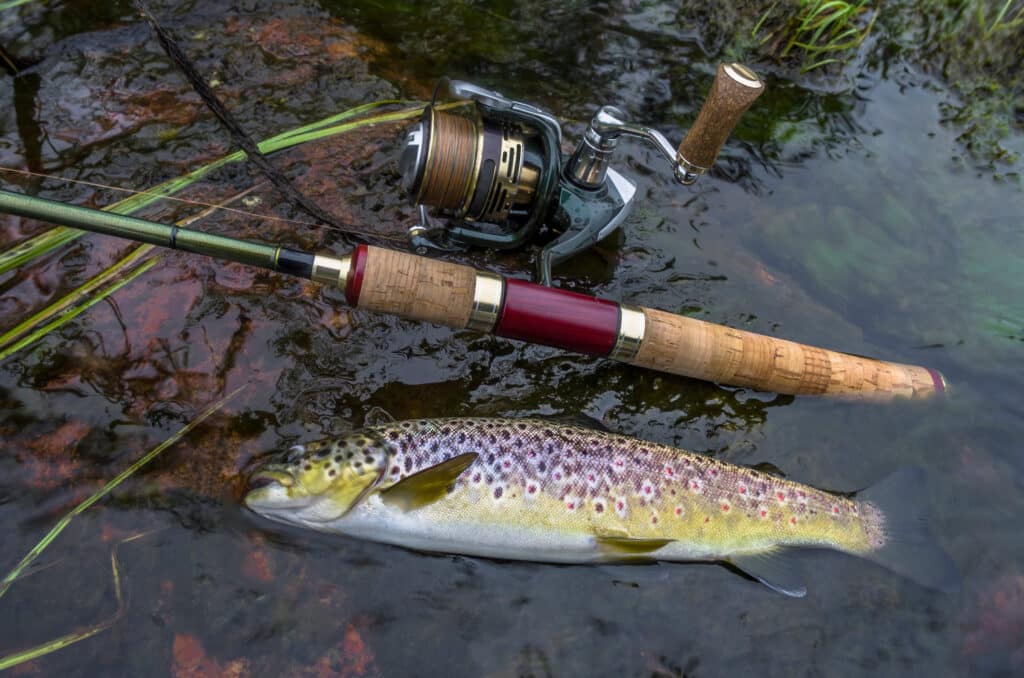
Choosing the right rod size for trout fishing can make all the difference between a frustrating day and an exciting catch. You might wonder if a longer rod gives you better control or if a lighter one helps you cast more easily.
The truth is, picking the perfect rod size depends on your fishing style, the water you’re fishing in, and the kind of trout you’re after. Keep reading, and you’ll discover exactly what rod size fits your needs, helping you catch more trout with less effort.

Credit: www.reddit.com
Choosing Rod Length
Choosing the right rod length is important for trout fishing success. The length affects your casting and control.
This guide explains how short and long rods differ. It also covers the best lengths for trout and their impact on casting distance.
Short Vs Long Rods
Short rods are easier to handle and work well in tight spaces. Long rods offer better casting distance but can be harder to control.
- Short rods (6 to 7 feet) suit small streams and close casting.
- Long rods (8 to 9 feet) help cast farther and reach difficult spots.
- Short rods give more accuracy in windy or crowded areas.
- Long rods provide better line control and leverage with bigger trout.
Best Lengths For Trout
The ideal rod length depends on the fishing environment and your style. Most trout anglers prefer rods between 6.5 and 8.5 feet.
| Rod Length | Best Use |
| 6.5 feet | Small streams, tight spaces |
| 7 to 7.5 feet | General trout fishing, balanced control |
| 8 feet | Open water, longer casts |
| 8.5 feet | Large rivers, maximum casting distance |
Impact On Casting Distance
Longer rods allow you to cast farther by increasing line speed. Shorter rods limit distance but improve accuracy.
Here are factors that affect casting distance:
- Rod length: Longer rods cast farther.
- Rod action: Faster action rods improve distance.
- Line weight: Match line weight to rod for best performance.
- Technique: Smooth casting motion increases distance.
Selecting Rod Power
Choosing the right rod power is key for trout fishing success. Rod power means the rod’s strength and how much load it can handle.
Different rod powers suit different trout sizes and fishing styles. Knowing the right power helps you catch trout without breaking your rod or line.
Light Vs Medium Power
Light power rods are flexible and good for small trout. Medium power rods are stronger and handle bigger trout well. Light rods give better feel for bites, but medium rods offer more control and power.
Matching Rod Power To Trout Size
| Rod Power | Trout Size | Ideal Line Weight |
| Light | Small (under 12 inches) | 2-6 lb |
| Medium-Light | Small to Medium (12-16 inches) | 4-8 lb |
| Medium | Medium to Large (16-24 inches) | 6-12 lb |
Pick a rod power that matches the trout size you expect. Using a rod too strong can lose sensitivity. Too weak can break the rod or line.
Advantages Of Different Power Ratings
- Light power:Great for casting small lures and feeling subtle bites.
- Medium-light power:Balances sensitivity and strength for varied trout sizes.
- Medium power:Handles bigger trout and stronger fights better.
Choosing the right rod power improves your fishing experience. It helps you land trout faster and enjoy your time on the water.
Rod Action And Sensitivity
Choosing the right rod size for trout fishing depends on rod action and sensitivity. These features affect how you feel the fish and how you control the rod.
Understanding rod action and sensitivity helps you pick a rod that fits your fishing style and the trout’s behavior.
Fast Vs Slow Action
Fast action rods bend mostly near the tip. They give quick hook sets and good control over the fish.
Slow action rods bend more toward the middle or bottom. They offer a softer feel and help prevent the hook from pulling out.
- Fast action rods: better for precise casts and fast strikes
- Slow action rods: better for gentle presentations and small bites
- Medium action rods: a balance of fast and slow actions
Detecting Bites Easily
Sensitivity lets you feel even light bites from trout. A sensitive rod helps you react quickly and set the hook.
Rods made with graphite or composite materials offer high sensitivity. These rods transmit vibrations well.
- Look for rods with thin tips for better bite detection
- Light rods help you feel small trout bites
- Less sensitive rods may miss subtle strikes
Flexibility For Different Techniques
Rod flexibility affects how you fish with different lures or baits. Flexible rods can absorb sudden pulls from trout.
Stiffer rods work well for fast retrieves or heavy lures. Flexible rods suit delicate techniques like nymphing or dry fly fishing.
- Flexible rods: better for finesse fishing and small trout
- Stiff rods: better for strong hook sets and bigger fish
- Choose rod flexibility based on your fishing method

Credit: www.amazon.com
Material And Build Quality
Choosing the right rod for trout fishing depends on the material and build quality. These factors affect the rod’s performance and durability. Understanding the differences helps you pick a rod that suits your needs.
Two common materials used are graphite and fiberglass. Each has unique properties that influence how the rod feels and works during fishing.
Graphite Vs Fiberglass
Graphite rods are light and sensitive. They let you feel even small bites from trout. Fiberglass rods are heavier but more flexible and tough. This makes them good for rough use.
| Material | Weight | Sensitivity | Flexibility | Cost |
|---|---|---|---|---|
| Graphite | Light | High | Moderate | Higher |
| Fiberglass | Heavier | Lower | High | Lower |
Durability Considerations
Durability is important for a fishing rod that lasts many trips. Fiberglass rods resist impacts and bending better. Graphite rods break easier if bent too far but handle normal use well.
- Check for solid guides and reel seats
- Look for rods with reinforced joints
- Choose rods with good finish to avoid cracks
- Consider rods with warranty for added trust
Weight And Comfort
Light rods reduce arm fatigue during long fishing sessions. Graphite rods weigh less, making them easy to carry and use. Fiberglass rods feel heavier but offer good balance for control.
| Material | Average Weight | Comfort Level |
| Graphite | 4-6 ounces | High, good for long use |
| Fiberglass | 6-9 ounces | Moderate, good for rough use |
Line And Reel Compatibility
Choosing the right rod size for trout fishing means matching your line and reel. Proper line and reel compatibility helps with casting and control.
Understanding how line weight pairs with reel size can improve your fishing experience and reduce equipment problems.
Ideal Line Weight
Trout rods work best with line weights between 2 and 6 pounds. Lighter lines suit small streams, while heavier lines handle bigger trout and rougher water.
- 2-4 lb line for small streams and light tackle
- 4-6 lb line for larger rivers and bigger trout
- Match line weight to rod rating for best performance
Reel Matching Tips
Choose a reel that fits the rod and line weight. A small spinning reel works well for light lines. Larger reels fit heavier lines and bigger rods.
| Rod Length | Line Weight | Reel Size |
| 6 ft | 2-4 lb | 1000-2000 size |
| 7-8 ft | 4-6 lb | 2500-3000 size |
| 8+ ft | 6+ lb | 3000+ size |
Balancing Rod And Reel
Balance your rod and reel for better control and less fatigue. A well-balanced setup feels lighter in your hand.
Tips for balancing:
- Attach the reel to the rod firmly
- Hold the rod at the handle and check the balance point
- The rod should not tip forward or backward
- Adjust reel position or choose a lighter reel if needed

Credit: troutandsteelhead.net
Environment And Fishing Style
Choosing the right rod size for trout fishing depends on the environment and your fishing style. Different waters and techniques need different rods.
Understanding these factors helps pick a rod that improves control and catch rates.
River Vs Lake Fishing
Rivers have flowing water and often narrower spaces. You need a rod that handles current and allows accurate casts.
Lakes are wider and calmer. Casting longer distances is common, so a rod with more length and power helps.
- River rods: 6 to 7 feet, light to medium power
- Lake rods: 7 to 8 feet, medium power
- Shorter rods work better in tight river spots
- Longer rods help with long casts on lakes
Fly Fishing Vs Spinning
Fly fishing uses light flies and delicate casts. You need a flexible rod that can handle thin lines.
Spinning fishing uses heavier lures and lines. A stiffer rod helps cast heavier baits and control fish.
- Fly rods: 6 to 9 feet, designed for casting light flies
- Spinning rods: 6 to 7 feet, medium power for lures
- Fly rods have softer action for delicate presentation
- Spinning rods have faster action for better hook sets
Adjusting Rod Choice To Conditions
Weather, water clarity, and fish size affect rod choice. Adjust your rod to match these conditions.
Use a lighter rod in clear water to avoid spooking fish. Use a stronger rod in rough water or for bigger trout.
- Clear water: lighter rods for better sensitivity
- Murky water: medium rods for stronger casts
- Big trout: medium to heavy rods for control
- Windy days: longer rods help with casting distance
Popular Rod Models For Trout
Choosing the right rod size for trout fishing is important. The rod affects how you cast and control the fish.
This guide covers popular rod models that suit different skill levels and budgets. Learn about rods for beginners, high-end options, and budget-friendly choices.
Top Picks For Beginners
Beginners need rods that are easy to handle and forgiving. A 6 to 7-foot rod with light to medium power is ideal for trout fishing.
These rods help new anglers cast smoothly and feel the fish without being too stiff or heavy.
- 6’6” to 7’ length rods
- Light to medium power
- Fast to medium action
- Weight range: 2 to 6 pounds
High-end Options
Experienced anglers may prefer high-end rods for better sensitivity and durability. These rods often use premium materials like carbon fiber.
High-end rods usually have precise action and balanced weight, helping anglers fish longer without fatigue.
- 7-foot rods with fast action
- Light to ultra-light power
- Carbon fiber or graphite construction
- Includes advanced reel seats and guides
Budget-friendly Choices
Budget-friendly rods can still perform well for trout fishing. Look for rods that offer good value without extra features.
Affordable rods are often made from fiberglass or lower-grade graphite. They work well for casual fishing trips.
- 6 to 7-foot length
- Medium power with moderate action
- Fiberglass or basic graphite
- Simple reel seats and guides
Tips For Rod Maintenance
Taking care of your trout fishing rod helps it last longer. Proper maintenance keeps it working well every time you fish.
Simple habits like cleaning and storing your rod correctly protect it from damage. These tips help you enjoy fishing with the right rod size for many seasons.
Cleaning And Storage
Clean your rod after every fishing trip. Dirt and salt can harm the rod and reel parts.
Use fresh water and a soft cloth to wipe the rod. Dry it completely before storing it.
- Rinse rod with fresh water
- Wipe down guides and handle
- Dry thoroughly before storage
- Store rod in a cool, dry place
- Use a rod holder or rack to avoid bends
Preventing Damage
Protect your rod from impacts and pressure. Avoid leaning it against hard surfaces or stepping on it.
Use rod sleeves or tubes during transport. This stops scratches and breaks from rough handling.
- Handle rod gently
- Use protective covers
- Avoid tight bends
- Keep away from extreme heat
- Check guides for cracks regularly
Extending Rod Lifespan
Check your rod often for signs of wear. Early fixes prevent bigger problems and keep the rod strong.
Replace worn guides and clean reel seats. Use the rod only for its intended fishing size and weight.
- Inspect rod for damage regularly
- Fix or replace damaged parts
- Use rod for recommended fish size
- Store rod properly when not in use
- Keep reel and line in good condition
Frequently Asked Questions
What Is The Best Rod Length For Trout?
The ideal rod length for trout fishing is 6 to 7 feet. This length offers a good balance between casting distance and accuracy. It is perfect for small to medium-sized streams. For larger rivers, consider using a rod up to 8 feet for better reach.
What Rod Action Is Best For Trout Fishing?
Medium to fast action rods are best for trout fishing. They provide sensitivity and quick hook sets. Fast action rods are excellent for long casts and fighting larger trout. Medium action rods offer more flexibility and are suitable for smaller streams.
Can I Use A Spinning Rod For Trout Fishing?
Yes, spinning rods are great for trout fishing. They are versatile and easy to use, making them ideal for beginners. Spinning rods handle a variety of baits and lures. They offer good casting distance and accuracy, perfect for targeting trout in different water conditions.
What Weight Rod Should I Choose For Trout?
A 4 to 6 weight rod is ideal for trout fishing. It provides enough power for casting and fighting trout. Lighter rods are suitable for smaller streams and fish. Heavier rods are better for larger rivers and bigger trout species.
Conclusion
Choosing the right rod size helps catch more trout with less effort. A rod between 6 to 7 feet suits most trout fishing spots. Light to medium power rods give good control and feel. Remember, comfort matters—pick a rod that feels right in your hands.
With the right gear, fishing becomes more fun and rewarding. Keep practicing, and enjoy every moment by the water. Trout fishing can be simple and exciting with the correct rod size.