Planning an event for 100 guests can be exciting but also overwhelming—especially when it comes to choosing the right tent size. You want everyone to be comfortable, have enough space to move, and avoid feeling cramped or overcrowded.
But how do you know exactly what size tent you need? Making the wrong choice could lead to a crowded party or an empty, wasted space. In this guide, you’ll discover simple tips and clear answers to help you pick the perfect tent size for your 100 guests.
Keep reading to make your event both spacious and unforgettable.
Factors Affecting Tent Size
Choosing the right tent size for 100 guests depends on several factors. These include how you plan to use the space and what kind of event you are hosting.
Understanding these factors helps you pick a tent that fits your needs and keeps guests comfortable.
Event Type And Layout
The type of event changes how much space you need. A casual party needs less space than a formal dinner. The layout also matters. You must allow room for stages, dance floors, or buffet tables.
For example, a seated dinner requires tables and aisles, while a standing reception needs open space for mingling.
Seating Arrangements
Different seating styles use space differently. Some need more room per guest than others. Here is a simple guide for space per person:
- Banquet seating: 10-12 square feet
- Theater seating: 6-8 square feet
- Classroom seating: 12-15 square feet
- Standing reception: 5-6 square feet
Choosing the right seating style helps you calculate the tent size you need more accurately.
Additional Spaces
| Space Type | Approximate Size Needed |
|---|---|
| Buffet or Food Stations | 200-300 sq ft |
| Dance Floor | 400-600 sq ft |
| Bar Area | 150-250 sq ft |
| Registration or Gift Tables | 50-100 sq ft |
Adding these spaces will increase your total tent size. Plan carefully to fit everything comfortably inside.

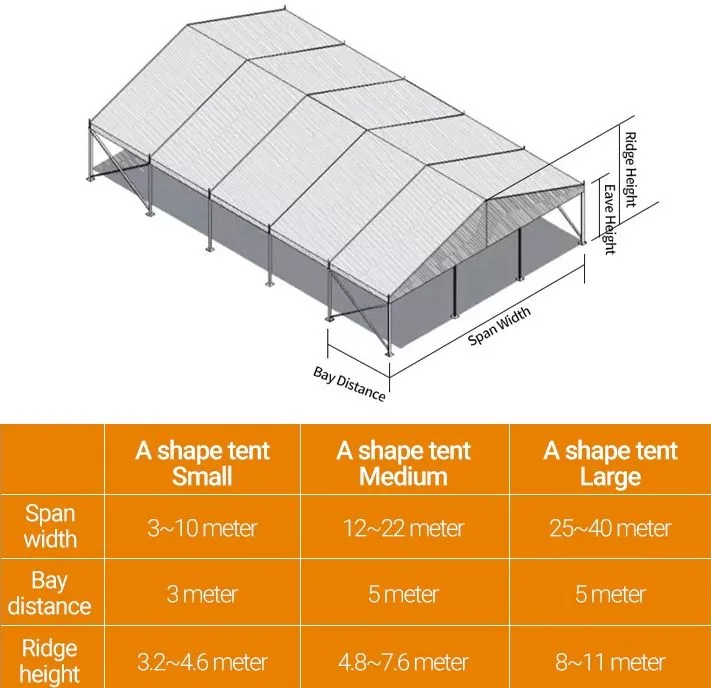
Credit: shelterstructures.en.made-in-china.com
Space Requirements Per Guest
Choosing the right tent size for 100 guests is important for a comfortable event. It depends on the activities and layout you plan to have.
Consider the type of seating and space needed for standing, dining, and other areas like buffets and bars.
Standing Room Needs
If your event involves standing, more space is needed. Each guest requires about 6 square feet.
This ensures everyone has room to move around comfortably without feeling crowded.
- 100 guests x 6 sq ft = 600 sq ft total
- Consider extra space for walkways
Seated Dinner Space
For a seated dinner, each guest needs more room. Plan for 12 square feet per person.
This includes space for tables, chairs, and allowing people to move easily.
- 100 guests x 12 sq ft = 1,200 sq ft total
- Ensure space for serving staff
Buffet And Bar Areas
Buffets and bars need extra space to keep lines moving. Allocate about 100 square feet for each.
This space allows guests to serve themselves and socialize without crowding.
- Buffet area: 100 sq ft
- Bar area: 100 sq ft
- Consider flow and accessibility
Common Tent Sizes For 100 Guests
Choosing the right tent size is important for your event. It ensures guests are comfortable and have enough space.
For 100 guests, several tent sizes can work well. The choice depends on the type of event and seating style.
20×40 Tent Dimensions
A 20×40 tent covers 800 square feet. This size fits about 100 guests if seating is tight.
This tent works best for standing events or buffet-style seating. Tables and chairs might feel close.
- Area: 800 square feet
- Fits 100 guests standing
- Limited space for large tables
- Good for casual gatherings
30×30 Tent Dimensions
A 30×30 tent offers 900 square feet of space. It gives more room for guests than a 20×40 tent.
This size can fit 100 guests with banquet seating. It allows room for tables, chairs, and a small dance floor.
- Area: 900 square feet
- Banquet seating for 100 guests
- Space for tables and chairs
- Fits small dance or buffet areas
40×40 Tent Dimensions
A 40×40 tent has 1,600 square feet. It is spacious enough for 100 guests with comfort.
This tent size works for formal events. It fits large tables, a dance floor, and extra seating.
- Area: 1,600 square feet
- Comfortable banquet seating for 100
- Room for dance floor and extras
- Ideal for weddings and large parties

Credit: houstontentsevents.com
Choosing Tent Styles
Choosing the right tent style is important for your event’s success. Each style offers different space and setup options.
Consider your guests’ comfort and the type of event when picking a tent style for 100 people.
Frame Tents
Frame tents use a metal frame to hold the fabric up. They do not need center poles, so the inside is clear and open.
These tents work well on hard surfaces like concrete or pavement. They are easy to set up and take down.
Pole Tents
Pole tents are supported by tall center poles and side poles. They need to be staked into the ground.
- They provide a classic look with peaked tops.
- Space under the center poles is limited.
- Require soft ground for staking.
- Good for outdoor grassy areas.
Clear Span Tents
Clear span tents have no internal poles or center supports. They use strong aluminum frames on the sides.
| Tent Feature | Benefit |
|---|---|
| Interior Space | Completely open without obstructions |
| Setup Location | Works on any surface |
| Durability | Very strong and weather-resistant |
| Cost | Usually higher than other tents |
Planning For Weather And Comfort
Choosing the right tent size for 100 guests requires more than space. Weather and guest comfort play key roles. Proper planning ensures everyone stays safe and happy.
Consider temperature, airflow, and weather protection. This guide covers ventilation, heating, and rain or wind precautions for your event.
Ventilation And Cooling
Good airflow keeps guests cool and reduces humidity inside the tent. It also helps prevent stuffiness during warm days.
- Open tent sides or use mesh panels to improve air circulation.
- Use fans to move air around and cool down hot spots.
- Place portable air conditioners if the event is in very hot weather.
- Position the tent in a shaded area to reduce heat from direct sun.
Heating Options
Cold weather means you must plan for warmth. Proper heating keeps guests comfortable and prevents chills.
| Heating Method | Best Use | Notes |
| Electric Heaters | Indoor tents with power supply | Quiet and efficient but needs electricity |
| Propane Heaters | Outdoor tents without power | Portable but requires ventilation |
| Infrared Heaters | Targeted heating for small areas | Heats objects, not air |
Rain And Wind Considerations
Protect guests from rain and wind by choosing a sturdy tent and good location.
Here are key tips to keep your tent safe and dry:
- Pick a tent with waterproof fabric and sealed seams.
- Secure the tent with strong stakes and weights.
- Use sidewalls to block wind and rain.
- Check weather forecasts before the event and prepare backup plans.
- Place the tent on flat, well-drained ground to avoid water pooling.
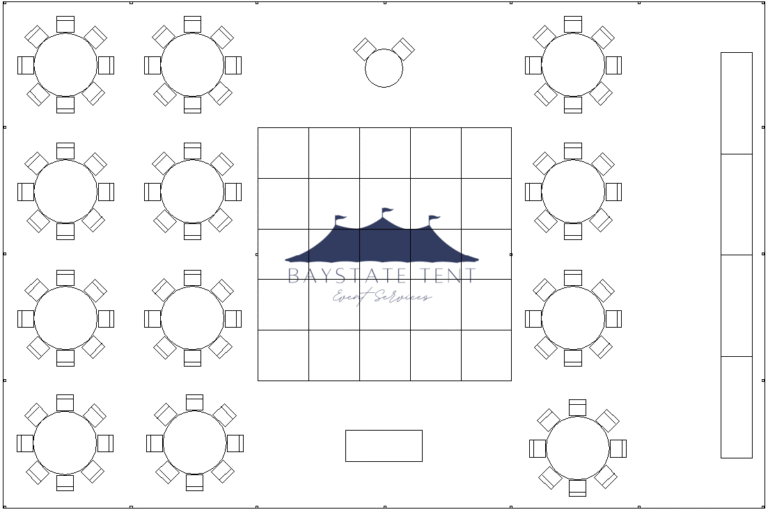
Credit: www.baystatetent.com
Additional Tent Rental Tips
Choosing the right tent size is only part of planning your event. You also need to consider other important factors for a smooth setup and event experience.
These tips cover permits, accessories, and timing to help your event go well without last-minute issues.
Permits And Regulations
Check local rules before renting a tent. You may need a permit to set up a large tent in public or private spaces.
- Contact your city or county office early
- Ask about fire safety and building codes
- Ensure your tent meets all local safety requirements
- Confirm if inspections are required on event day
Tent Accessories
Choosing the right accessories makes your tent more comfortable and functional for guests.
| Accessory | Purpose |
| Sidewalls | Protect from wind and rain |
| Lighting | Provide visibility and create mood |
| Flooring | Keep feet dry and level ground |
| Heating or Fans | Control temperature inside the tent |
| Furniture | Seating and tables for guests |
Setup And Breakdown Timing
Plan enough time for setting up and taking down the tent. Rushing can cause damage or safety risks.
- Schedule setup at least one day before the event
- Allow extra time for weather delays or site issues
- Coordinate with the rental company on arrival and departure times
- Ensure the site is clear and ready before setup
- Plan for cleanup and breakdown after the event finishes
Frequently Asked Questions
What Tent Size Is Ideal For 100 Guests?
A 40×60 feet tent is ideal for 100 guests. It offers enough space for seating, dining, and a dance floor. This size ensures comfort and easy movement during your event.
How Much Space Per Person Is Needed In A Tent?
Typically, allocate 10 to 12 square feet per person. This space includes seating, tables, and walking areas. For 100 guests, a 1,000 to 1,200 square feet tent works well.
Should I Consider Extra Space For Catering And Entertainment?
Yes, extra space is crucial for catering stations, a stage, and entertainment. Adding 20-30% more space ensures a smooth event flow. This keeps guests comfortable and enhances the overall experience.
Can Weather Affect The Tent Size Needed?
Yes, weather impacts tent size choice. Rain or wind may require a larger or sturdier tent. Consider sidewalls and ventilation to protect guests while maintaining comfort.
Conclusion
Choosing the right tent size for 100 guests keeps everyone comfortable and happy. A tent around 2,000 to 2,500 square feet usually works well. Remember to think about tables, chairs, and extra space for walking. Don’t forget weather or special setups like a dance floor or buffet.
Planning carefully helps your event run smoothly. A well-sized tent makes your celebration enjoyable for all. Simple steps lead to great results.