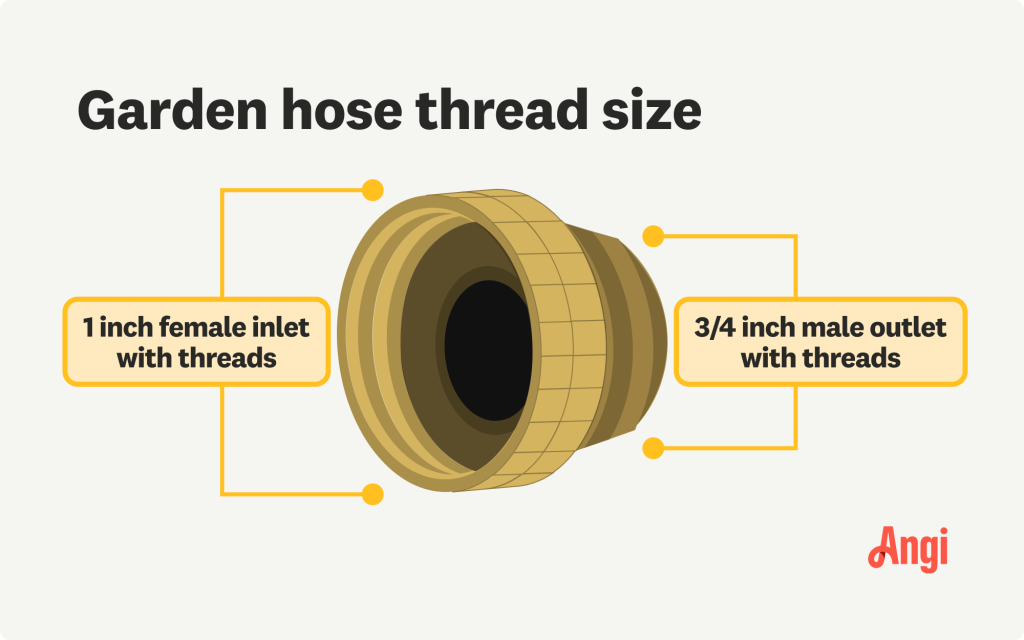
Have you ever struggled to find the right connector for your garden hose? Knowing the correct thread size can save you time, money, and frustration.
Whether you’re attaching a new nozzle or connecting to a sprinkler, using the right thread size ensures a perfect fit and prevents leaks. You’ll discover exactly what size thread your garden hose uses and how to choose the right fittings every time.
Keep reading to make your gardening tasks smoother and more efficient.

Credit: www.reddit.com
Common Garden Hose Thread Sizes
Garden hoses use specific thread sizes to connect to faucets and accessories. Knowing these sizes helps you find the right parts that fit well and do not leak.
This guide explains the common thread dimensions, how they vary across regions, and details about thread pitch and diameter.
Standard Thread Dimensions
Most garden hoses use two main thread sizes. These sizes are measured by diameter and thread type. The standard sizes allow compatibility with many watering tools.
| Thread Type | Diameter (inches) | Description |
|---|---|---|
| GHT (Garden Hose Thread) | 3/4″ | Common size for garden hoses in the US |
| BSP (British Standard Pipe) | 1/2″ or 3/4″ | Used in UK and some Commonwealth countries |
Variations Across Regions
Thread sizes differ by region. The US mainly uses GHT, while Europe and Asia often use BSP. These differences affect hose fittings and connectors.
- United States: Mostly 3/4″ GHT
- United Kingdom: 1/2″ or 3/4″ BSP
- Europe: BSP or metric threads
- Asia: Mixture of BSP and metric sizes
Thread Pitch And Diameter
Thread pitch is the distance between threads. Diameter is the width of the thread. Both affect how well parts connect and seal.
| Thread Type | Diameter (inches) | Thread Pitch (TPI – threads per inch) |
|---|---|---|
| GHT | 3/4″ | 11.5 TPI |
| BSP | 1/2″ | 14 TPI |
| BSP | 3/4″ | 14 TPI |

Credit: www.amazon.com
Measuring Garden Hose Threads
Knowing the size of your garden hose threads helps you find the right connectors. Measuring threads is simple if you use the right tools.
This guide shows how to measure garden hose threads correctly for a perfect fit.
Tools For Accurate Measurement
Gathering the right tools makes measuring easier and more precise. You need to measure the thread diameter and count the threads per inch.
- Ruler or tape measure with millimeter and inch markings
- Thread pitch gauge to count threads per inch
- Caliper for precise diameter measurement
- Magnifying glass to see small threads clearly
Step-by-step Measurement Guide
Follow these steps to measure your garden hose threads accurately.
- Use a caliper or ruler to measure the outside diameter of the male thread or inside diameter of the female thread.
- Check the thread pitch with a thread pitch gauge by matching it to the threads per inch.
- Record the diameter in inches or millimeters and note the thread count.
- Compare your measurements to standard garden hose thread sizes to find the match.
Tips To Avoid Measurement Errors
Small mistakes can lead to wrong thread size. Use these tips to avoid errors.
| Tip | Reason |
| Measure threads clean and dry | Dirt or water can change measurement size |
| Use a magnifying glass | Helps see thread ridges clearly |
| Double-check your measurements | Ensures accuracy before buying parts |
| Measure both male and female threads | Some hoses have different sizes on ends |
Types Of Garden Hose Threads
Garden hoses connect to water sources using threaded fittings. The thread size and type must match for a tight seal. Different thread standards exist worldwide.
Knowing the types of garden hose threads helps you pick the right hose or adapter. This guide explains common thread types used in garden hoses.
Garden Hose Thread (ght)
The Garden Hose Thread (GHT) is the most common thread type in the United States. It is used on most home garden hoses and outdoor faucets.
GHT threads are 3/4 inch in diameter with 11.5 threads per inch. They have a tapered thread to help create a water-tight seal with a rubber washer.
- Size: 3/4 inch diameter
- Thread pitch: 11.5 threads per inch
- Type: Tapered threads with rubber washer seal
- Used for: Garden hoses, outdoor spigots, sprinklers
National Hose (nh) Thread
The National Hose (NH) thread is mainly used for industrial and fire hoses. It is larger and stronger than GHT threads.
NH threads are 1 inch or larger in diameter. They have straight threads and require a gasket to seal the connection. They are less common in home gardening.
- Size: Usually 1 inch or bigger
- Thread type: Straight threads
- Sealing: Uses a gasket, not tapered threads
- Applications: Fire hoses, industrial water lines
Other Thread Standards
Outside the US, other thread standards are used for garden hoses. These include British Standard Pipe (BSP) and Metric threads.
BSP threads are common in the UK and some countries. Metric threads are used in parts of Europe and Asia. These threads differ in size and pitch from GHT and NH.
| Thread Type | Diameter | Thread Pitch | Common Use |
|---|---|---|---|
| British Standard Pipe (BSP) | Varies (e.g., 3/4 inch BSP) | Varies (usually 14 threads per inch) | Garden hoses in UK and Commonwealth countries |
| Metric Threads | Varies (e.g., M22x1.5) | Metric pitch (e.g., 1.5 mm) | European and Asian garden hoses |
Choosing The Right Hose Fittings
Choosing the right hose fittings is important for a garden hose to work well. The fittings must match the hose and the water source. This helps avoid leaks and keeps water flowing smoothly.
Understanding thread sizes, adapter types, and material quality helps you pick the best fittings for your garden hose. This guide explains these key points simply.
Matching Thread Sizes
Garden hoses usually have standard thread sizes. The most common size is 3/4 inch GHT (Garden Hose Thread). This size fits most outdoor faucets and hose connectors.
- 3/4 inch GHT is the standard thread size for garden hoses.
- Smaller hoses may have 1/2 inch or 5/8 inch threads.
- Check your hose and faucet to ensure threads match.
- Wrong thread sizes cause leaks or loose connections.
Adapters And Connectors
Adapters and connectors help join hoses with different thread sizes or types. They are useful if your hose and faucet do not match. Some adapters connect garden hoses to other water systems.
| Adapter Type | Use | Common Sizes |
|---|---|---|
| Thread Reducer | Connects large hose to smaller faucet | 3/4″ to 1/2″ |
| Thread Enlarger | Connects small hose to larger faucet | 1/2″ to 3/4″ |
| Quick Connect | Allows fast hose attachment and removal | 3/4″ GHT standard |
Materials And Durability
Hose fittings come in different materials. Choosing the right material affects how long your fittings last. Some materials resist rust and damage better than others.
- Brass fittings are strong and resist rust.
- Plastic fittings are light but may crack in cold weather.
- Aluminum fittings are lightweight but can corrode.
- Stainless steel fittings offer high durability but cost more.
Common Problems With Thread Fit
Garden hoses use specific thread sizes to connect to faucets and accessories. If the thread does not fit well, it can cause problems. Many users face issues with leaks and loose connections.
Understanding thread fit issues helps to fix them quickly. It also prevents damage to the hose and tools.
Leaks And Loose Connections
Leaks happen when threads do not match or tighten properly. Loose connections let water escape and waste water.
Thread size differences cause gaps that water can pass through. Sometimes the hose end is too small or too large for the faucet thread.
- Check if threads are the same size and type
- Use thread tape to seal minor leaks
- Tighten connections but avoid over-tightening
Cross-threading Issues
Cross-threading happens when threads do not align while connecting. This damages the thread pattern and makes a weak fit.
It is common when forcing a hose onto a faucet at the wrong angle. Cross-threading can cause leaks and make parts hard to remove.
- Always start threading by hand gently
- Align threads straight before tightening
- Stop if you feel resistance and check the fit
Wear And Tear Impact
Old hoses and connectors wear down over time. Threads may become stripped or cracked, reducing the seal quality.
Worn threads cause leaks and loose fittings. Dirt and rust also affect how threads fit together.
- Inspect threads for damage before use
- Clean threads to remove dirt and rust
- Replace parts with severe wear or cracks
Maintenance Tips For Hose Threads
Garden hose threads need regular care to work well. Keeping them clean and in good shape helps avoid leaks.
Follow simple tips to keep your hose threads strong and long-lasting.
Cleaning And Lubrication
Dirt and rust can block hose threads and cause leaks. Clean threads often to keep water flowing.
Use a soft brush to remove dirt. Wash threads with warm soapy water and rinse well.
- Remove debris with a brush
- Wash with mild soap and water
- Dry threads fully before storing
- Apply a small amount of silicone lubricant
Lubricate threads lightly to stop rust and make connections smooth. Avoid oil-based lubricants that can damage rubber washers.
Storage Best Practices
Store hoses and their threads properly to avoid damage. Keep them dry and away from direct sunlight.
Coil hoses loosely and hang them on a hook or use a reel. This prevents kinks and thread strain.
- Keep hoses indoors or in shaded areas
- Avoid sharp bends near threads
- Remove hoses from faucets when not in use
- Store in a cool, dry place during winter
When To Replace Threads Or Fittings
Check hose threads for cracks, rust, or stripped areas. Damaged threads cause leaks and poor connections.
Replace threads or fittings if you see wear that stops the hose from fitting tightly or leaks water.
- Replace if threads are cracked or broken
- Swap fittings if rust cannot be cleaned
- Change parts if leaks persist after cleaning
- Use matching thread sizes for new fittings
Buying Guide For Garden Hose Threads
Garden hose threads come in different sizes and types. Knowing the right size helps you buy fittings that fit well.
This guide explains where to buy quality fittings, how cost compares to quality, and which brands are trusted for hose threads.
Where To Buy Quality Fittings
You can find garden hose fittings at hardware stores, online shops, and specialty garden centers. Quality varies by seller.
- Local hardware stores often stock standard sizes and brands.
- Online retailers offer a wider selection and customer reviews.
- Garden centers may provide fittings suited for specific plants and irrigation needs.
Cost Vs. Quality Considerations
Cheap fittings may save money at first but often wear out quickly. High-quality threads last longer and prevent leaks.
| Price Range | Durability | Leak Resistance |
| Low | Low | Poor |
| Medium | Good | Fair |
| High | High | Excellent |
Brands Known For Reliable Threads
Some brands are known for making strong and reliable garden hose threads. Choosing these brands helps avoid fitting problems.
- Brand A: Known for sturdy metal fittings
- Brand B: Offers durable plastic threads with good sealing
- Brand C: Popular for universal thread sizes and quality

Credit: towingproject.com.au
Frequently Asked Questions
What Thread Size Do Garden Hoses Use?
Garden hoses typically use a 3/4-inch diameter with a GHT (Garden Hose Thread) standard. This thread size is common in the U. S. and ensures compatibility with most garden hose fittings and accessories. Always check your hose and equipment for specific requirements.
Are Garden Hose Threads And Pipe Threads The Same?
No, they are not the same. Garden hose threads (GHT) are coarser than standard pipe threads (NPT). GHT has a 3/4-inch diameter, while NPT varies by application. It’s important to use the correct adapters to ensure a proper fit and prevent leaks.
How Do I Measure Garden Hose Thread Size?
To measure, use a thread gauge or ruler. Measure the outer diameter of the male end. Typically, garden hoses have a 3/4-inch diameter. Ensure the measurement matches the standard GHT size for compatibility with other fittings.
Can I Use Adapters For Different Thread Sizes?
Yes, adapters can connect hoses with varying thread sizes. Ensure you choose an adapter compatible with both thread types. This helps prevent leaks and ensures a secure connection. Always check the adapter specifications before purchasing.
Conclusion
Knowing the right garden hose thread size saves time and effort. It helps you buy the correct fittings easily. Most garden hoses use a 3/4 inch thread size. This size fits most outdoor faucets and accessories. Choosing the right size prevents leaks and ensures good water flow.
Always check your hose and faucet before buying parts. Simple steps like these keep your garden tools working well. Stay confident when connecting hoses with the right thread size. Your garden will stay healthy with the right water setup.