Are you tired of struggling with garden hoses that just don’t fit your connectors? Knowing the right size threads on a garden hose can save you time, money, and frustration.
Whether you’re watering your plants or hooking up a sprinkler, the right thread size makes everything work smoothly. You’ll discover exactly what sizes to look for and how to choose the best fit for your needs. Keep reading, and soon you’ll handle your garden hose like a pro!

Credit: www.amazon.com
Common Garden Hose Thread Sizes
Garden hoses connect to faucets and sprinklers using threaded fittings. These threads must fit well to prevent leaks. Knowing the common garden hose thread sizes helps you choose the right parts.
Garden hose threads come in standard sizes. These sizes differ in diameter and thread pitch. Understanding these details makes hose connections easier and safer.
Standard Thread Dimensions
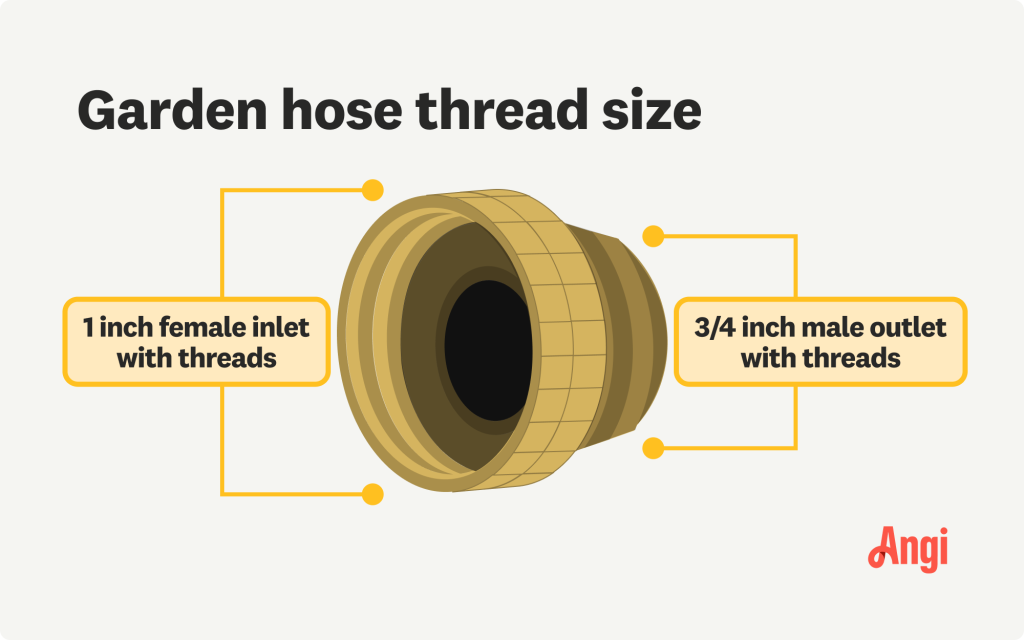
The most common garden hose thread size in the U.S. is 3/4 inch diameter. This size is called GHT or Garden Hose Thread. It has a specific thread pitch to match hose fittings.
- Diameter: 3/4 inch (about 19 mm)
- Thread pitch: 11.5 threads per inch (TPI)
- Type: National Hose (NH) thread standard
- Used for most garden hoses and accessories
Metric Vs Imperial Measurements
Garden hose threads can be measured in metric or imperial units. The U.S. mainly uses imperial measurements like inches. Many other countries use metric measurements like millimeters.
Metric and imperial thread sizes do not always fit each other. You must check the measurement system before buying hose parts. This avoids mismatched connections and leaks.
| Measurement System | Common Diameter | Thread Pitch | Where Used |
|---|---|---|---|
| Imperial | 3/4 inch (19 mm) | 11.5 TPI | United States, Canada |
| Metric | 20 mm | 1.5 mm pitch | Europe, Asia |
Identifying Thread Diameter
To find a garden hose thread diameter, use a ruler or caliper. Measure the outer edge of the male thread or the inner edge of the female thread. This gives you the thread size.
Check the thread pitch by counting threads in one inch or one centimeter. Matching diameter and pitch ensures the hose fits tightly. This prevents water leaks and loose connections.
- Use a ruler or caliper for accurate measurement
- Measure outside diameter on male threads
- Measure inside diameter on female threads
- Count threads per inch or millimeter for pitch
- Match both diameter and pitch for proper fit

Credit: www.amazon.com
Types Of Garden Hose Threads
Garden hoses connect to various fittings. The connection types can vary. Different threads are used to ensure a secure fit.
Here we explore the main types of threads. Understanding them helps in choosing the right hose for your garden needs.
Garden Hose Thread (ght)
Garden Hose Thread (GHT) is common in the U.S. It is designed for garden hoses and outdoor faucets. GHT has a specific diameter and pitch.
- Standard diameter is 3/4 inch
- Used mainly for water connections
- Ensures a leak-proof fit
National Pipe Thread (npt)
National Pipe Thread (NPT) is different from GHT. It is tapered, which helps in creating a tight seal. NPT is used in various plumbing applications.
NPT threads are not interchangeable with GHT. They require specific fittings.
- Common in both residential and industrial settings
- Not designed for garden hoses
- Tapered for a tight seal
British Standard Pipe (bsp)
British Standard Pipe (BSP) is common outside North America. It is used for plumbing and hose connections. BSP threads are parallel or tapered.
BSP is not compatible with GHT or NPT. It requires matching fittings.
- Widely used in Europe and Asia
- Two types: BSPP (parallel) and BSPT (tapered)
- Not suitable for U.S. garden hoses
Measuring Your Garden Hose Threads
Knowing the right size of your garden hose threads helps you find the correct fittings. Accurate measurement prevents leaks and loose connections.
This guide shows simple ways to measure hose threads and avoid common errors.
Tools Needed For Measurement
You only need a few tools to measure your garden hose threads accurately. These tools are easy to find and use.
- Ruler or tape measure with millimeter and inch marks
- Caliper for precise diameter measurement
- Thread pitch gauge to check thread spacing
- Magnifying glass to see thread details
Step-by-step Measurement Guide
Follow these steps to measure your garden hose threads correctly. Take your time for accurate results.
- Use a ruler or caliper to measure the outer diameter of the male thread.
- Measure the inner diameter of the female thread.
- Count the number of threads per inch using the thread pitch gauge.
- Check if the thread is tapered or straight by comparing the diameter at different points.
- Note down all measurements for reference when buying fittings.
Avoiding Common Measurement Mistakes
Many people make simple mistakes that lead to wrong thread sizes. Watch out for these errors to get the right fit.
| Mistake | How to Avoid |
| Measuring the wrong diameter | Measure both inner and outer diameters carefully |
| Ignoring thread pitch | Use a thread pitch gauge to count threads per inch |
| Not checking thread type | Look for tapered or straight threads by comparing diameters |
| Using damaged or worn threads | Measure on clean, undamaged threads only |
Choosing The Right Hose Fittings
Garden hoses connect to faucets and sprinklers through fittings. Choosing the right size and type of hose fittings helps avoid leaks and ensures proper water flow. It is important to know about thread sizes and materials before buying fittings.
Using the wrong fitting can cause damage or water waste. This guide explains how to match thread types, pick materials, and keep connections leak-free.
Matching Thread Types
Most garden hose fittings use standard thread sizes. The two common thread types are:
- Garden Hose Thread (GHT): ¾ inch diameter, used on hoses and faucets.
- National Pipe Thread (NPT): Tapered thread, used for plumbing connections.
Check if the threads are straight or tapered before choosing fittings. Using a fitting with the wrong thread type can cause leaks or make it hard to connect.
Material Considerations
| Material | Advantages | Disadvantages |
| Brass | Durable, resists corrosion, good for outdoor use | More expensive than plastic |
| Plastic | Lightweight, affordable, rust-free | Less durable, can crack in cold weather |
| Aluminum | Lightweight, corrosion resistant | Can bend or dent easily |
Choose fittings made from materials that fit your budget and climate. Brass fittings last longer outdoors but cost more.
Ensuring Leak-free Connections
Proper installation is key to avoiding leaks. Follow these tips:
- Clean the threads before attaching fittings.
- Use plumber’s tape on threaded connections.
- Tighten fittings by hand, then use a wrench for a snug fit.
- Do not overtighten; it can damage threads.
- Check connections regularly for drips or loose fittings.
Adapters And Connectors For Different Threads
Garden hoses come with different thread sizes and types. This can make connecting hoses or accessories tricky.
Adapters and connectors help join hoses with different thread sizes or types. They make your watering setup flexible and easy.
When To Use Adapters
Use adapters when two hose ends have different thread sizes or types. This allows them to fit together securely.
Adapters are also needed when connecting a hose to a faucet or tool with a unique thread size.
Popular Adapter Types
Adapters come in many styles to fit common garden hose threads. Choosing the right one ensures a tight, leak-free fit.
- Male to Female Adapters: Join male-threaded hoses to female-threaded ones.
- Thread Size Converters: Change from 3/4 inch to 5/8 inch threads or vice versa.
- Quick Connect Adapters: Allow fast hose attachment and removal without screwing.
- Brass and Plastic Adapters: Brass is durable; plastic is lightweight and cheaper.
Installation Tips
Clean threads before attaching adapters to avoid leaks and damage. Dirt can stop a tight seal.
Use plumber’s tape on threads for a better seal. Wrap it around the male threads before connecting.
- Hand-tighten adapters first, then use a wrench if needed. Avoid over-tightening.
- Check for leaks by turning on water after installation.
- Replace worn or cracked adapters to prevent water loss.
Maintaining And Replacing Garden Hose Threads
Garden hose threads connect your hose to faucets and sprinklers. Keeping them in good shape helps avoid leaks and water waste. Knowing when to repair or replace threads saves time and money.
This guide covers how to spot thread damage, decide on repairs, and extend your hose’s life.
Signs Of Wear And Damage
Check hose threads often. Look for cracks, rust, or bent parts. Damaged threads cause leaks and poor connections.
- Visible cracks or breaks on threads
- Rust or corrosion on metal parts
- Worn or flattened thread ridges
- Loose or wobbly fittings
- Water leaking from the connection point
Repair Vs Replacement
Small thread damage can be fixed with simple repairs. Large damage needs replacing the hose end or the entire hose.
| Condition | Action |
| Minor cracks or worn washers | Replace washer or seal |
| Rusted or bent threads | Use thread repair kit |
| Severe thread damage | Replace hose end or hose |
Extending Hose Lifespan
Proper care extends your hose’s life. Clean threads and store the hose properly to avoid damage.
- Clean threads after use to remove dirt
- Use thread tape on connections to prevent leaks
- Store hose out of direct sunlight
- Drain water before storing for winter
- Avoid dragging hose on rough surfaces
Tips For Buying Garden Hoses And Accessories
Choosing the right garden hose and accessories is key for easy watering. Knowing the right thread size helps you avoid leaks and loose fittings.
This guide covers what to check before buying and suggests some brands. It also compares budget and quality to help you decide.
Shopping Checklist
- Confirm hose thread size matches your faucet and accessories.
- Check hose length and diameter for your garden’s size.
- Look for durable materials like rubber or reinforced vinyl.
- Ensure fittings are rust-resistant and secure.
- Consider flexibility to avoid kinks and tangles.
Brand Recommendations
Some brands offer reliable hoses with good warranty and parts availability. Look for those with positive reviews on thread compatibility and durability.
| Brand | Known For | Thread Sizes |
| FlexiFlow | Flexible, kink-resistant hoses | Standard 3/4 inch |
| GardenPro | Durable fittings and materials | 3/4 inch and 1/2 inch |
| HoseMaster | Wide range of accessory compatibility | Standard 3/4 inch |
Budget Vs Quality
Cheap hoses may save money but wear out fast or leak. Quality hoses cost more but last longer and fit better.
- Set a budget before shopping.
- Check material and fittings for strength.
- Read reviews about hose longevity and leaks.
- Balance price with warranty and brand trust.
- Consider buying accessories from the same brand for best fit.

Credit: www.amazon.com
Frequently Asked Questions
What Are Standard Garden Hose Thread Sizes?
Most garden hoses use a 3/4-inch GHT (Garden Hose Thread). This size is standard in the U. S. for easy compatibility with fittings and nozzles.
How To Measure Garden Hose Thread Size?
Measure the outer diameter of the hose thread in inches. Use a ruler or caliper for accuracy. 3/4 inch is common for garden hoses.
Are Garden Hose Threads Compatible Internationally?
Garden hose thread sizes differ worldwide. U. S. uses 3/4-inch GHT, while other countries may use BSP or metric threads. Check local standards before buying.
Can I Use Adapters For Different Thread Sizes?
Yes, adapters help connect hoses with mismatched thread sizes. They ensure a tight seal and prevent leaks between fittings.
Conclusion
Garden hose thread sizes matter for a proper connection. Most hoses use standard threads, making replacements easy. Knowing the size helps avoid leaks and fitting problems. Use the right thread size to keep your garden tools working well. Always check your hose and fittings before buying new parts.
This small step saves time and frustration later. Keep your garden watering smooth and simple with correct thread sizes.