Choosing the right trowel size for your 12×12 floor tile can make all the difference in how your project turns out. If you’ve ever struggled with uneven tiles, wasted adhesive, or grout that doesn’t hold, the problem might be your trowel.
Getting this simple tool right saves you time, money, and frustration. You’ll discover exactly what size trowel works best for 12×12 tiles and why it matters. Keep reading to make your tile installation smooth, strong, and professional every time.
Credit: www.contractortalk.com
Choosing The Right Trowel Size
Selecting the correct trowel size is key for installing 12×12 floor tiles. It helps spread adhesive evenly. This ensures tiles stick well and stay flat.
Using the wrong trowel can cause issues like uneven tiles or weak adhesion. Knowing which trowel to pick makes the job easier and better.
Factors Influencing Trowel Selection
The type and size of tile affects the trowel choice. For 12×12 floor tiles, you need a trowel that holds enough adhesive. The thickness of the tile also matters.
The surface you apply the tile on changes the trowel needed. Rough surfaces may require a bigger notch size to fill gaps. Smooth surfaces can work with smaller notches.
- Tile size and thickness
- Surface roughness and flatness
- Type of adhesive used
- Installation environment (indoor or outdoor)
Impact On Tile Installation Quality
The right trowel size spreads adhesive evenly under the tile. This prevents voids and weak spots. It helps tiles stay level and secure.
Using a trowel that is too small can cause poor adhesion. Too large a trowel wastes adhesive and creates uneven surfaces. Proper trowel choice leads to a long-lasting tile floor.
- Even adhesive coverage avoids tile movement
- Proper thickness supports tile weight
- Reduced risk of cracks and breaks
- Smooth, level tile surfaces
Standard Trowel Sizes For 12×12 Tiles
Choosing the right trowel size is important for laying 12×12 floor tiles properly. The trowel controls how much adhesive spreads under the tile. Using the correct notch size helps tiles stick well and stay level.
This guide explains standard trowel sizes for 12×12 tiles. It also compares different notch shapes to help you decide which works best.
Recommended Notch Dimensions
For 12×12 floor tiles, the common notch size is 1/4 inch by 1/4 inch square notch. This size gives enough mortar coverage without excess adhesive oozing out. A smaller notch can cause poor bonding, while a larger one wastes material.
- Square notch: 1/4 inch x 1/4 inch
- U-notch: 1/4 inch width with 1/4 inch depth
- V-notch: less common for floor tiles, usually smaller
Comparing Square And U-notch Trowels
Square and U-notch trowels work well for 12×12 tiles. Each shape spreads mortar differently under the tile. The choice depends on the type of tile and adhesive used.
| Notch Type | Notch Size | Mortar Coverage | Best For |
|---|---|---|---|
| Square Notch | 1/4″ x 1/4″ | Good coverage, even spread | Standard ceramic and porcelain tiles |
| U-Notch | 1/4″ width, 1/4″ depth | Smoother ridges, slightly less coverage | Natural stone and uneven backs |
How To Apply Thinset With The Trowel
Choosing the right trowel size is key for installing 12×12 floor tiles. The thinset must be spread evenly to hold the tiles well.
Using the correct trowel helps you apply thinset with the right thickness and coverage. This guide explains how to use the trowel properly.
Spreading Techniques
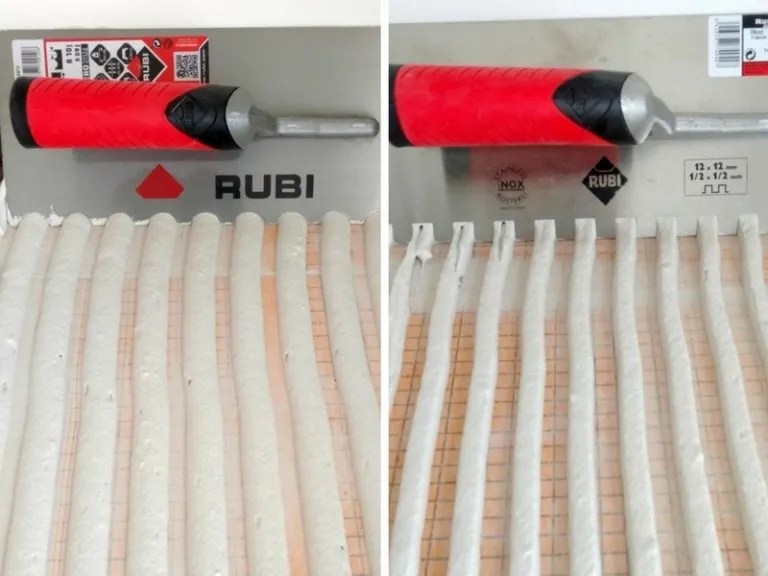
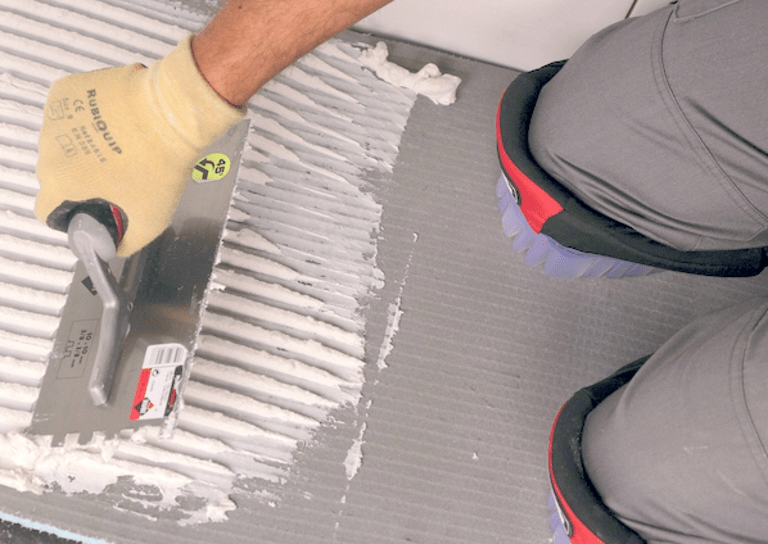
Use a 1/4 inch by 1/4 inch square-notched trowel for 12×12 tiles. Hold the trowel at a 45-degree angle to spread thinset.
First, spread a thin, even layer of thinset on the floor. Then, comb the thinset with the notched side to create ridges.
- Hold the trowel at 45 degrees
- Spread thinset evenly across the surface
- Comb thinset to form straight ridges
- Work in small sections for best results
Achieving Proper Adhesion
Press the tile firmly into the thinset. The ridges will collapse and spread out, creating strong contact.
Make sure the thinset covers at least 80% of the tile back. This keeps the tile stuck and prevents future problems.
- Press tiles evenly into thinset
- Check for full coverage under tiles
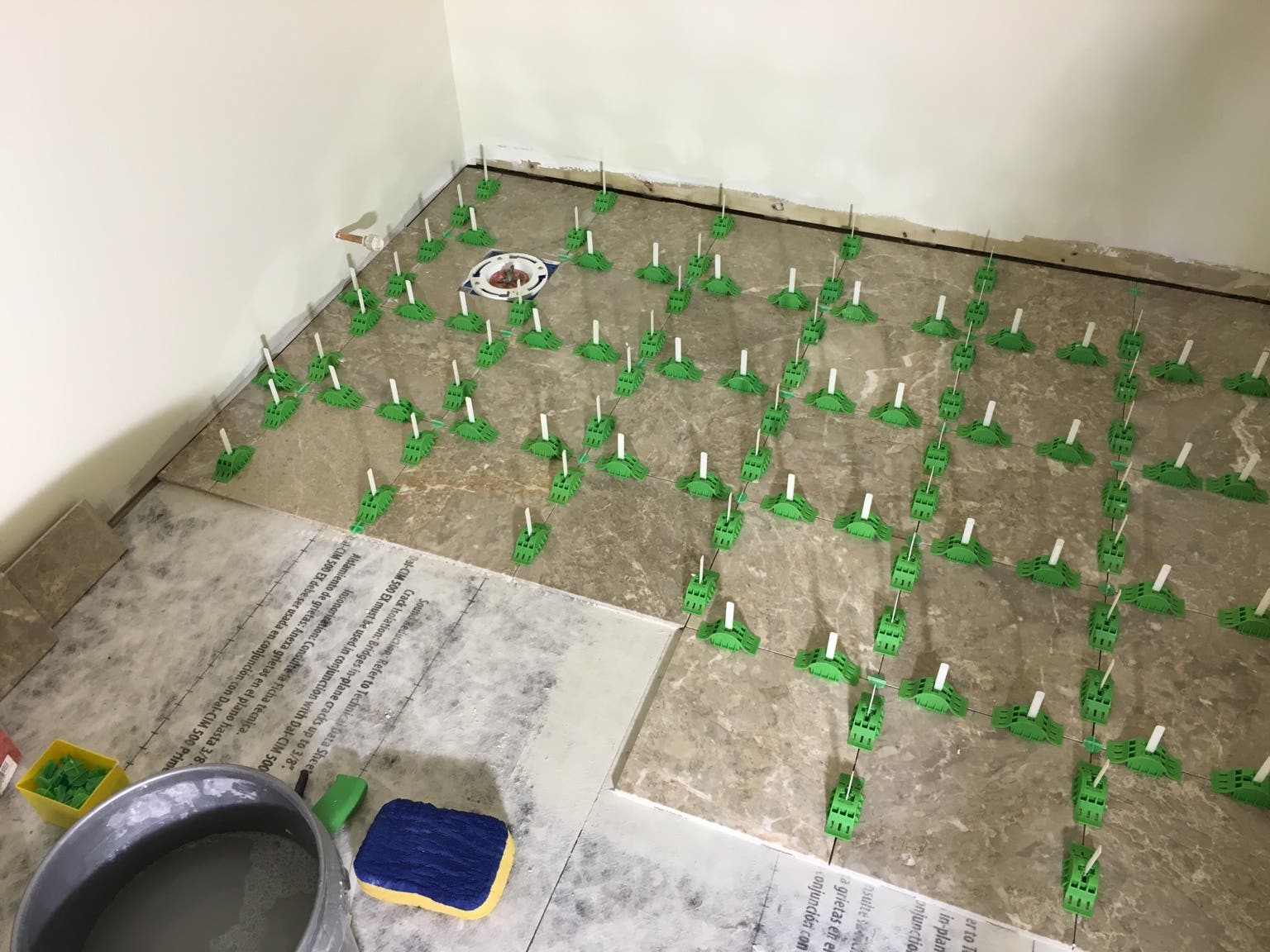
- Use spacers to keep tile gaps even
- Wipe off excess thinset promptly

Credit: www.tilemountain.co.uk
Common Mistakes When Choosing Trowel Size
Choosing the right trowel size for 12×12 floor tiles is very important. Using the wrong trowel can cause tile problems. Many people make mistakes that affect the tile installation quality.
This guide explains the common errors when picking trowel sizes. It will help you avoid these mistakes and get better tile results.
Using Too Small Or Too Large Notches
Using a trowel with too small notches can lead to poor glue coverage. The adhesive may not hold the tile well. This can cause tiles to loosen or crack over time.
On the other hand, too large notches put too much adhesive under the tile. This can make the tile float or sit unevenly. It also wastes material and makes clean-up harder.
- Small notches = weak glue bond
- Large notches = uneven tile placement
- Right notch size = good tile support and adhesion
Effects On Tile Leveling And Grouting
Wrong trowel size affects how level the tiles will be. Too little adhesive causes tiles to sit unevenly. This makes walking on the floor unsafe and uncomfortable.
If the adhesive layer is not right, grout lines may crack or separate. This reduces the floor’s durability and looks bad. Proper trowel size helps keep tiles flat and grout strong.
- Uneven tiles from wrong adhesive thickness
- Cracked grout due to poor tile support
- Correct trowel size ensures flat, strong tile floors
Tips For Efficient Tile Installation
Installing 12×12 floor tiles needs the right tools and techniques. Using the correct trowel size helps the mortar spread evenly.
This guide covers tips to keep mortar coverage consistent and tools that work well with your trowel.
Maintaining Consistent Mortar Coverage
Consistent mortar coverage ensures tiles stick well and the floor stays strong. Use a 1/4 inch by 1/4 inch square-notched trowel for 12×12 tiles. This size spreads mortar evenly without wasting material.
- Spread mortar evenly over a small area to avoid drying out.
- Hold the trowel at a 45-degree angle for best results.
- Check for full coverage on the tile back before placing it.
- Press tiles firmly into the mortar to remove air pockets.
- Clean excess mortar quickly to keep grout lines clear.
Tools To Complement The Trowel
Using the right tools with your trowel speeds up work and improves quality. A rubber mallet helps set tiles without damage. A level keeps tiles flat and aligned. A grout float finishes the job by pressing grout into gaps.
| Tool | Use | Benefit |
| Rubber Mallet | Tap tiles gently | Prevents tile cracking |
| Level | Check tile evenness | Ensures smooth floor |
| Grout Float | Apply grout in gaps | Seals joints properly |
| Tile Spacers | Keep even gaps | Consistent grout lines |
Credit: www.tilemountain.co.uk
Frequently Asked Questions
What Is The Best Trowel Size For 12×12 Tiles?
For 12×12 floor tiles, a 1/4 x 3/8-inch square notch trowel is recommended. It ensures adequate adhesive coverage. This size supports proper bonding and prevents tile movement. Always check the tile manufacturer’s guidelines for specific recommendations. Proper trowel selection is crucial for a successful tile installation.
Can I Use A Larger Trowel For 12×12 Tiles?
Using a larger trowel, like a 1/2-inch, can be acceptable. It provides extra adhesive for uneven surfaces. However, ensure the tile doesn’t sink into the adhesive. A larger notch may increase installation time. Always test to ensure proper coverage and avoid adhesive excess.
Why Is Trowel Size Important For Tile Installation?
Trowel size affects adhesive coverage and tile stability. Proper size ensures even adhesive distribution. It prevents tile movement and ensures a durable installation. Incorrect trowel size can lead to weak bonding and potential tile failure. Always follow manufacturer guidelines for optimal results.
How Do I Choose The Right Trowel Notch?
Choose based on tile size and substrate condition. Larger tiles need larger notches for adequate adhesive. Uneven surfaces may require larger notches too. Check manufacturer recommendations for specific guidelines. Proper notch selection ensures effective tile bonding and prevents future issues.
Conclusion
Choosing the right trowel size makes tile installation easier and neater. For 12×12 floor tiles, a 1/4 inch by 1/4 inch square notch trowel works best. This size helps spread the adhesive evenly and holds tiles firmly. Using the correct trowel reduces gaps and uneven surfaces.
It saves time and effort during installation. Always check the tile and adhesive instructions before starting. This small step leads to a strong, long-lasting floor. Simple tools, good results.