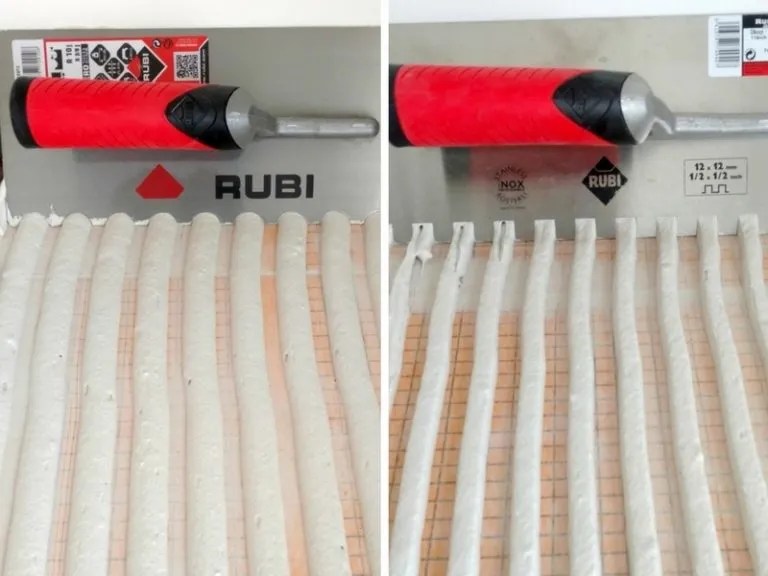
Choosing the right trowel size can make or break your large format tile installation. If you’re wondering how to get perfect coverage without wasting thinset or risking uneven tiles, you’re in the right place.
This guide will help you understand exactly what size trowel you need for your big tiles—and why it matters for a smooth, lasting finish. Keep reading, and you’ll gain the confidence to tackle your project like a pro.

Credit: www.tilemountain.co.uk
Choosing The Right Trowel
Picking the right trowel is important for installing large format tiles. The right size helps spread adhesive evenly. This prevents tiles from shifting or cracking later.
Using the wrong trowel can cause poor adhesion. It can also make the tile surface uneven. Knowing which trowel to use saves time and effort.
Factors Influencing Trowel Size
Many things affect the size of the trowel you need. These include the tile size, adhesive type, and surface flatness. Larger tiles need bigger trowel sizes to hold enough glue.
Surface texture also matters. Rough or uneven floors may require a larger trowel to fill gaps. Smooth surfaces can work with smaller trowels.
- Tile size and format
- Adhesive type and consistency
- Surface flatness and texture
Material And Tile Thickness
Thicker tiles need more adhesive to stick well. Thin tiles require less glue and a smaller trowel. Material also matters. Porcelain and stone tiles often need different trowel sizes.
Check the tile thickness before choosing a trowel. Using a notched trowel helps control adhesive thickness. This ensures tiles stay in place without gaps.
- Thin ceramic tiles: 1/4″ x 1/4″ trowel
- Thick stone tiles: 1/2″ x 1/2″ or larger
- Porcelain tiles: usually 1/4″ x 3/8″
Credit: www.tilemountain.co.uk
Trowel Sizes For Large Format Tiles
Choosing the right trowel size is important for installing large format tiles. The trowel helps spread adhesive evenly under the tile.
Using the correct notch size ensures proper bond and prevents tile movement or uneven surfaces.
Common Notch Dimensions
Notch dimensions refer to the size of the indentations on the trowel edge. These notches control how much adhesive is spread.
Here are some common notch sizes used for tile installations:
- 1/4 inch x 1/4 inch (6 mm x 6 mm)
- 1/4 inch x 3/8 inch (6 mm x 10 mm)
- 3/8 inch x 3/8 inch (10 mm x 10 mm)
- 1/2 inch x 1/2 inch (12 mm x 12 mm)
Recommended Sizes For Various Tile Types
Large format tiles need larger notch trowels to hold enough adhesive. The size depends on tile thickness and backing.
| Tile Type | Tile Size | Recommended Notch Size |
|---|---|---|
| Porcelain Large Format | 12×24 inches and larger | 1/2 inch x 1/2 inch (12 mm x 12 mm) |
| Natural Stone Large Format | 12×12 inches and larger | 3/8 inch x 3/8 inch (10 mm x 10 mm) |
| Glass Large Format | 10×10 inches and larger | 1/4 inch x 3/8 inch (6 mm x 10 mm) |
| Thin Large Format Tiles | Varies | 1/4 inch x 1/4 inch (6 mm x 6 mm) |
Always check manufacturer instructions to match trowel size with tile type.
Impact Of Trowel Size On Installation
The size of the trowel affects how well tiles are installed. Choosing the right trowel size ensures proper coverage and avoids issues.
Large format tiles need careful handling. The trowel size plays a key role in the success of the installation process.
Adhesive Coverage And Bond Strength
A larger trowel size provides more adhesive coverage. This increases the bond strength between the tile and the floor.
- Ensures even spread of adhesive
- Reduces risk of tile movement
- Improves durability of tile installation
Preventing Lippage And Voids
Proper trowel size helps prevent lippage and voids. This ensures a smooth and even tile surface.
| Trowel Size | Tile Size |
| 1/4 inch | Small tiles |
| 1/2 inch | Large format tiles |
| 3/4 inch | Extra-large tiles |

Credit: www.aliexpress.com
Expert Tips For Efficient Trowel Use
Choosing the right trowel size is important for installing large format tiles. It helps spread adhesive evenly and keeps tiles secure.
Using the correct trowel technique saves time and prevents tile damage. These tips will improve your tile installation process.
Techniques For Even Adhesive Application
Spread adhesive with smooth, steady motions using the right trowel size. For large format tiles, a larger notch size is best to cover more area.
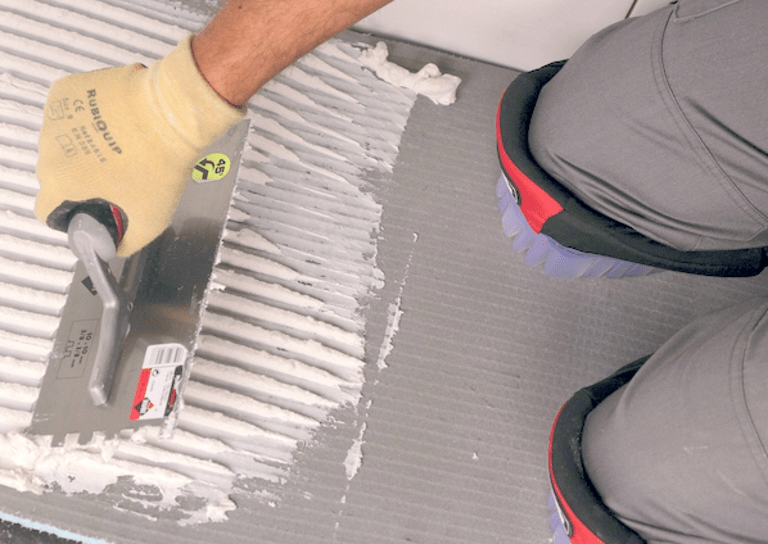
Hold the trowel at a consistent angle. This helps maintain an even layer of adhesive under every tile.
- Use a 1/2 inch by 1/2 inch square notch trowel for tiles larger than 15 inches.
- Apply adhesive in straight lines, not random patterns.
- Check for complete coverage under the tile after placing it.
Maintaining Trowel Condition
Keep your trowel clean during and after use. Dried adhesive reduces its effectiveness and causes uneven application.
Inspect the trowel edges for wear. Replace the trowel if notches become damaged or rounded.
- Clean the trowel with water and a brush immediately after use.
- Store trowels in a dry place to avoid rust.
- Replace worn trowels to ensure consistent adhesive spread.
Troubleshooting Common Issues
Working with large format tiles can be tricky. Using the right trowel size is key to avoid problems.
This guide helps you fix common issues like adhesive gaps and changing trowel size during your project.
Fixing Adhesive Gaps
Adhesive gaps occur when the tile does not stick evenly to the surface. This can cause tiles to crack or come loose.
- Check if your trowel notch size matches the tile thickness.
- Apply enough adhesive to fill the tile back fully.
- Use a flat trowel edge to back-butter large tiles.
- Press tiles firmly to spread the adhesive evenly.
- Remove air pockets by tapping tiles lightly with a rubber mallet.
Adjusting Trowel Size Mid-project
You might need to change trowel size if you see uneven adhesive or poor tile bonding. This adjustment helps improve adhesion.
| Issue | Cause | Solution |
| Too little adhesive | Small trowel notch | Switch to a larger notch size |
| Excess adhesive squeeze-out | Large trowel notch | Try a smaller notch size |
| Uneven tile surface | Incorrect trowel angle | Hold trowel at 45 degrees |
| Tile lippage | Inconsistent adhesive thickness | Adjust trowel size or back-butter tiles |
Frequently Asked Questions
What Size Trowel Is Best For Large Format Tiles?
A 1/2 inch by 1/2 inch square notch trowel is ideal for large format tiles. It ensures proper mortar coverage and prevents voids under the tile.
How Does Trowel Size Affect Tile Installation?
Trowel size controls mortar thickness and coverage. Using the right size ensures strong adhesion and prevents tile lippage or unevenness.
Can I Use A Smaller Trowel For Large Tiles?
Using a smaller trowel may cause insufficient mortar coverage. This leads to weak bonding and potential tile cracking or movement.
Why Is Mortar Coverage Important For Large Tiles?
Proper mortar coverage supports tile weight and prevents hollow spots. It improves durability and reduces the risk of tile cracking.
Conclusion
Choosing the right trowel size makes tile installation smoother. Large format tiles need bigger trowels for better adhesive coverage. This helps tiles stick well and stay flat. Too small a trowel causes weak bonds and uneven surfaces. Remember, a 1/2 inch by 1/2 inch square-notch trowel often works best.
Always check tile and mortar instructions before starting. Proper tools save time and avoid costly mistakes. Simple steps lead to strong, lasting tile floors or walls.