Choosing the right trowel size for your subway tile project can make all the difference between a smooth, professional finish and a frustrating mess. If you’ve ever struggled with uneven tiles or messy grout lines, this guide is for you.
You’ll learn exactly which trowel size works best for subway tiles, so your installation goes faster and looks flawless. Keep reading to find out how to get your tile job done right the first time.
Choosing The Right Trowel
Choosing the correct trowel size is key for a smooth subway tile installation. It affects how the adhesive spreads and holds the tiles.
Using the wrong trowel can cause uneven tiles or weak adhesion. Learn about trowel types and what size fits subway tile best.
Types Of Trowels For Tile Work
Trowels come in different shapes and notch sizes. Each type suits a specific tile size and surface.
- Square Notch Trowel:Has square-shaped notches, good for medium tiles.
- U-Notch Trowel:Features U-shaped notches, spreads adhesive evenly on large tiles.
- V-Notch Trowel:Has V-shaped notches, ideal for small tiles and thin layers of adhesive.
Factors Influencing Trowel Size
Several factors affect the best trowel size for subway tile. The tile size and adhesive thickness matter most.
| Factor | Description | Recommended Trowel Notch |
|---|---|---|
| Tile Size | Subway tiles are usually 3×6 inches. | 1/4 inch x 1/4 inch square notch |
| Adhesive Type | Thinset requires proper adhesive thickness for strength. | Use a notch that spreads adhesive evenly |
| Surface Flatness | Uneven surfaces may need a larger notch for better coverage. | 1/4 inch or 3/8 inch notches |
| Tile Thickness | Thicker tiles need more adhesive support. | Use a slightly larger notch for thick tiles |

Credit: www.tilemountain.co.uk
Trowel Sizes For Subway Tiles
Choosing the right trowel size is important for installing subway tiles. The trowel helps spread adhesive evenly on the wall.
Using the correct trowel size ensures the tiles stick well and look nice. Let’s explore the best options for subway tiles.
Standard Size Recommendations
The most common trowel size for subway tiles is a 1/4 inch by 1/4 inch square notch. This size works well for most standard tiles.
It provides enough adhesive coverage and allows for a smooth surface. This helps keep the tiles level and secure.
Adjusting For Tile Thickness
Thicker tiles need more adhesive, so a larger trowel may be needed. A 3/8 inch by 3/8 inch notch might be better for thicker tiles.
This ensures the tiles have enough support and stick well. It helps prevent tiles from popping off or shifting.
Considering Tile Back Profile
The back of the tile can affect trowel choice. Some tiles have grooves or patterns that need more adhesive.
In these cases, a larger trowel helps fill gaps and holds the tile better. This keeps the tile stable on the wall.
- Flat backs: standard trowel size
- Grooved backs: larger trowel for extra adhesive
Impact Of Trowel Size On Installation
Choosing the right trowel size is important for a good subway tile installation. The trowel controls how much adhesive spreads under the tile.
The size affects how well tiles stick and how fast the job goes. Too small or too large can cause problems during installation.
Adhesive Coverage And Bond Strength
The trowel size determines the thickness and coverage of the adhesive. Using the correct size helps the tile bond strongly to the surface.
- Smaller trowels spread less adhesive, which may cause weak spots.
- Larger trowels apply more adhesive but can lead to uneven surfaces.
- Right notch size ensures full contact between tile and substrate.
- Consistent adhesive thickness improves tile durability.
Avoiding Common Installation Issues
| Problem | Cause Related to Trowel Size | Effect |
|---|---|---|
| Loose Tiles | Too small trowel notch | Insufficient adhesive coverage |
| Uneven Surface | Too large trowel notch | Excess adhesive buildup |
| Tile Slippage | Inconsistent adhesive thickness | Tiles move before set |
| Longer Installation Time | Wrong trowel size for tile size | More adjustments needed |
Tips For Using Trowels Effectively
Choosing the right trowel size is key for subway tile installation. The trowel helps spread mortar evenly on the surface.
Using the trowel correctly makes your tile job smoother and stronger. It also keeps your tiles level and secure.
Correct Angle And Pressure
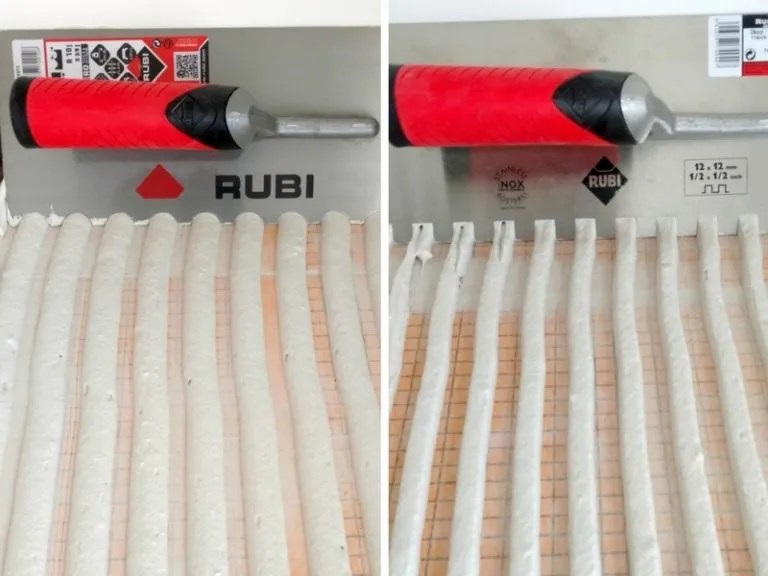
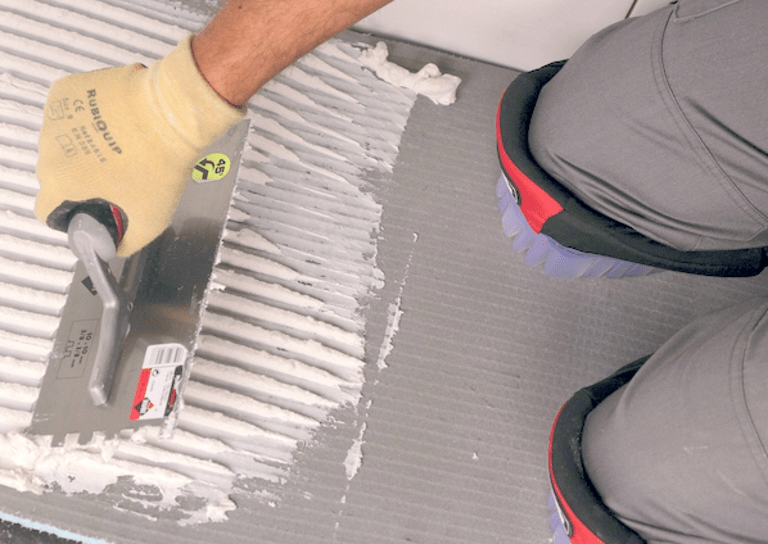
Hold the trowel at a 45-degree angle to spread mortar evenly. This angle helps create uniform ridges for tile grip.
Apply steady, firm pressure. Too much pressure removes mortar, too little leaves gaps.
- Keep the angle steady as you work
- Use smooth, even strokes
- Adjust pressure to avoid thin or thick mortar layers
Maintaining Consistent Mortar Ridges
Consistent mortar ridges help tiles stay in place and level. Uneven ridges cause tiles to slip or sit unevenly.
Use a notched trowel sized 1/4 inch by 1/4 inch for most subway tiles. This size makes ridges that fit well under tiles.
- Spread mortar in one direction
- Keep trowel notches clean
- Check ridges often to keep them even
Troubleshooting Trowel-related Problems
Choosing the right trowel size for subway tile is important. It affects how the tiles sit and how clean the work looks.
Trowel problems can cause uneven tiles and excess mortar. These issues make the tile job look unprofessional.
Uneven Tiles And Lippage
Uneven tiles happen when mortar thickness varies under the tiles. Lippage is when one tile edge is higher than the next.
- Use the correct trowel notch size for your tile thickness.
- Apply mortar evenly by holding the trowel at a consistent angle.
- Check each tile’s level as you set it down.
- Press tiles firmly into the mortar to avoid air pockets.
- Use tile spacers to keep gaps even and reduce movement.
Mortar Squeeze-out And Cleanup
Mortar squeeze-out happens when too much mortar pushes out between tiles. It can be hard to clean if left to dry.
| Problem | Cause | Solution |
| Excess mortar between tiles | Using too large trowel notch | Switch to smaller notch size |
| Hard to clean grout lines | Not wiping off excess mortar quickly | Clean with a damp sponge right after setting tiles |
| Messy tile edges | Uneven trowel application | Apply mortar evenly and check frequently |

Credit: www.floortrendsmag.com
Tools And Materials To Complement Trowel Use
Choosing the right trowel size is important for subway tile installation. The right tools help spread adhesive evenly. You also need other materials to get a smooth finish.
This guide covers the tools and materials that work well with your trowel. These will make your subway tile project easier and neater.
Selecting The Right Adhesive
Use adhesive made for subway tiles. It should hold tiles firmly and dry well. The adhesive must match your wall type, like drywall or cement board.
Choose thinset mortar for wet areas. Use mastic for dry, indoor walls. Mix the adhesive to a creamy texture for easy spreading.
- Thinset mortar is strong and water-resistant
- Mastic is easy to use and good for dry walls
- Pre-mixed adhesive saves time but check drying time
- Always follow manufacturer instructions
Additional Tools For Subway Tile Installation
Besides the trowel, you need other tools for a clean tile job. These help with cutting, leveling, and grout application.
- Tile spacers keep even gaps between tiles
- Rubber float helps spread grout smoothly
- Tile cutter or wet saw trims tiles to size
- Level ensures tiles are flat and straight
- Sponge cleans excess grout from tiles
Credit: www.tilemountain.co.uk
Frequently Asked Questions
What Size Trowel Is Best For 3×6 Subway Tile?
A 1/4-inch by 1/4-inch square-notch trowel works best for 3×6 subway tiles. It provides proper adhesive coverage and ensures strong tile bonding.
Can I Use A Smaller Trowel For Subway Tile Installation?
Using a smaller trowel may cause insufficient mortar coverage. This can lead to poor tile adhesion and potential future tile movement or detachment.
How Does Trowel Size Affect Tile Adhesion?
Trowel size controls mortar thickness and coverage. Proper size ensures even mortar spread, maximizing tile adhesion and preventing gaps or weak spots under tiles.
Is A Larger Trowel Needed For Larger Subway Tiles?
Yes, larger subway tiles require bigger trowels, like 1/2-inch by 1/2-inch, to provide enough mortar for strong support and even coverage.
Conclusion
Choosing the right trowel size makes tiling easier and faster. A 1/4-inch notch trowel suits most subway tiles well. It helps spread adhesive evenly for strong tile bonds. Using the correct trowel reduces mess and tile shifting. This small step saves time and effort during installation.
Trust simple tools to get the best subway tile results. Keep your workspace neat and measure carefully. Good preparation leads to a smooth, beautiful tile surface.