
Choosing the right size washer and dryer can feel confusing. You want appliances that fit your space, handle your laundry load, and save you time and energy.
But how do you know what size is best for your home and lifestyle? You’ll discover simple tips to pick the perfect washer and dryer size. By the end, you’ll feel confident in making a choice that makes laundry easier and more efficient for you.
Keep reading to find out what size really suits your needs.
Washer And Dryer Size Basics
Choosing the right washer and dryer size helps save space and works better with your laundry needs.
Knowing common sizes and model types makes it easier to pick the best fit for your home.
Common Dimensions
Washers and dryers come in many sizes. Width, height, and depth vary by model.
| Appliance | Width (inches) | Height (inches) | Depth (inches) |
|---|---|---|---|
| Standard Washer | 27 | 38-43 | 28-34 |
| Standard Dryer | 27 | 36-43 | 28-34 |
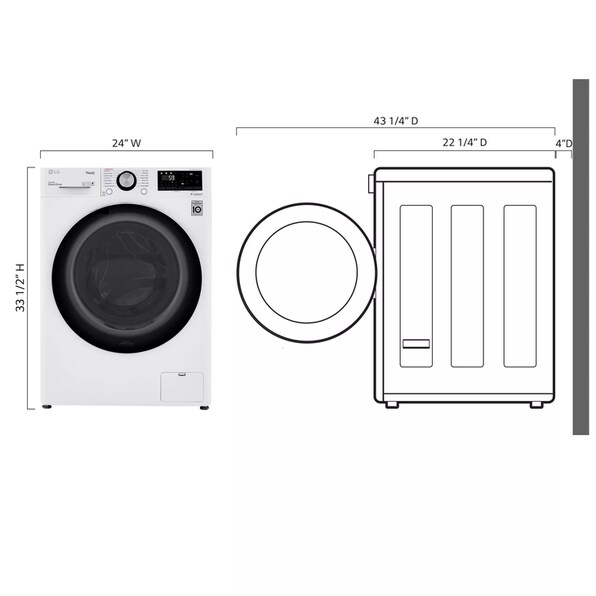
| Compact Washer | 24 | 33-36 | 24-27 |
| Compact Dryer | 24 | 33-36 | 24-27 |
Standard Vs Compact Models
Standard models fit most homes and hold large loads. Compact models save space in small areas.
- Standard washers and dryers need more room but wash more clothes.
- Compact models fit tight spaces like apartments or small laundry rooms.
- Stacking compact units frees up floor space.
- Standard models usually have more features and faster cycles.
- Compact units are lighter and easier to move.
Measuring Your Space
Choosing the right washer and dryer size starts with measuring your laundry area. Accurate measurements help avoid fitting problems later.
Measure carefully and note the space’s width, depth, and clearance needs. This ensures your appliances fit well and work efficiently.
Available Width
Measure the width of the space where you will place the washer and dryer. Use a tape measure from wall to wall.
Remember to leave some space for moving the machines in and out. This space prevents damage and allows easy installation.
- Measure the total width of the laundry area
- Subtract space for side clearance (usually 1 inch per side)
- Allow extra room for appliance doors to open fully
Depth Considering Door And Ventilation Space
Measure the depth of the space from the wall to the front edge where the washer and dryer will sit. Include space for doors and hoses.
Leave extra room behind the appliances for ventilation and connections. Ventilation keeps machines cool and working properly.
- Measure from the wall to the front of the laundry space
- Add space for washer and dryer doors to open without obstruction
- Include at least 4 to 6 inches behind for hoses and vents
- Check if the dryer vent requires extra clearance
Capacity And Load Size
Choosing the right size washer and dryer is important for your laundry needs. Capacity and load size help you pick the best machines.
These two factors affect how much laundry you can wash and dry at once. This saves time and energy.
Understanding Drum Capacity
Drum capacity is how much space is inside the washer or dryer drum. It is measured in cubic feet or kilograms.
A larger drum holds more clothes. This means fewer loads and less time spent on laundry.
- Small drums hold about 2.0 to 3.4 cubic feet
- Medium drums hold about 3.5 to 4.4 cubic feet
- Large drums hold 4.5 cubic feet or more
Matching Washer And Dryer Capacities
It is best to match the washer and dryer capacities. This avoids overloading one machine and wasting energy.
If the dryer is smaller than the washer, clothes may stay damp. If the dryer is too big, it uses more power.
- Match drum sizes within 0.5 cubic feet for best results
- Check the weight capacity in kilograms on each machine
- Choose machines designed to work together if possible
Credit: www.whirlpool.com
Top Load Vs Front Load Sizes
Choosing the right washer and dryer size matters for your space and needs. Top load and front load machines differ in size and shape.
Understanding these differences helps you pick the best fit for your laundry area.
Space Requirements
Top load washers are usually taller but narrower. Front load washers are wider and shorter. Dryers match these sizes closely.
Top load machines need space on top to open the lid. Front load machines need extra space in front for the door to swing open.
- Top load height: 42-44 inches
- Top load width: 27-28 inches
- Front load height: 33-39 inches
- Front load width: 27-30 inches
- Clearance for front load door: 15-20 inches
Efficiency And Performance
Front load washers use less water and energy. They clean clothes better with less wear and tear.
Top load washers usually finish cycles faster. They can handle heavy loads but may use more water.
- Front load washers save water and energy
- Top load washers have shorter cycle times
- Front load machines have higher spin speeds
- Top load washers may be easier to load
Stackable And Portable Options
Choosing the right washer and dryer size is important for small spaces. Stackable and portable models save room.
These options fit well in apartments, condos, or homes with limited laundry areas. They offer flexibility and ease.
Space-saving Solutions
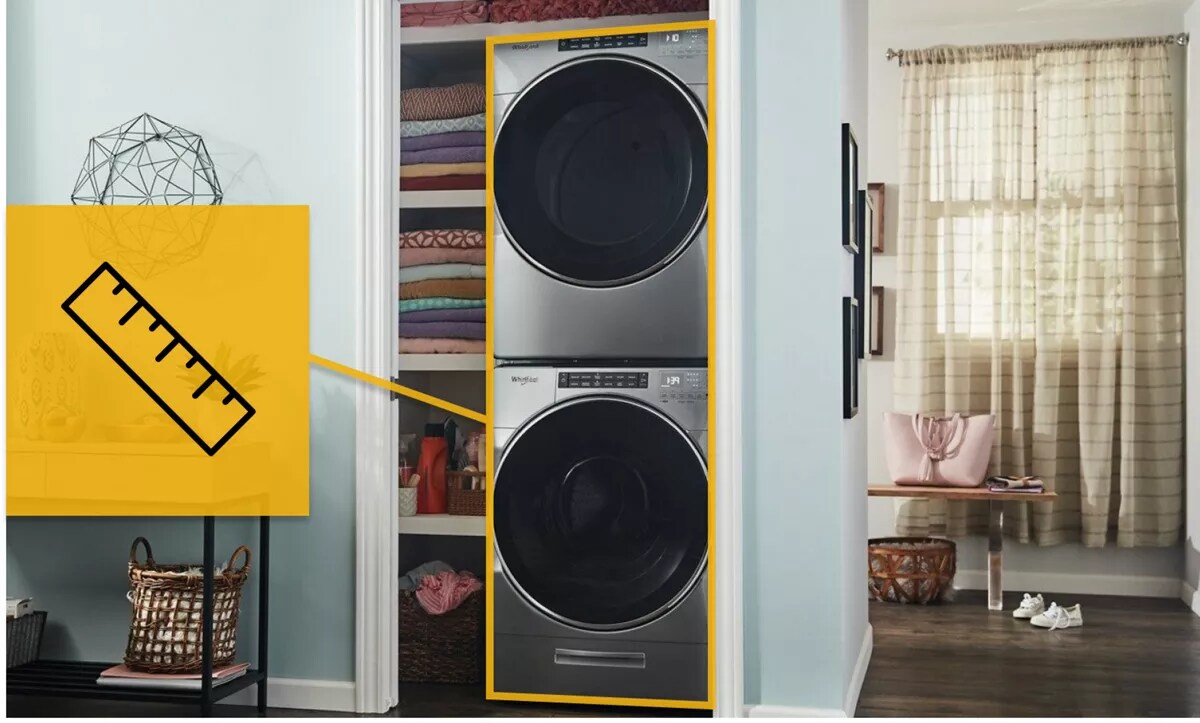
Stackable washers and dryers use vertical space, freeing floor area. They are ideal for closets or small laundry rooms.
Portable washers can be stored away when not in use. They connect to a sink and are easy to move.
- Stackable units fit in tight spaces
- Portable washers are lightweight and compact
- Both save floor space in small homes
Pros And Cons
Stackable washers and dryers offer good capacity but need enough height and strong support. They are less portable.
Portable washers are easy to move and store but usually have smaller capacity. They may take longer to wash clothes.
- Stackable Pros:Saves space, larger load capacity
- Stackable Cons:Requires strong support, less mobile
- Portable Pros:Easy to move, stores easily
- Portable Cons:Smaller loads, slower washing
Choosing Based On Household Needs
Finding the right size for your washer and dryer can make life easier. The choice depends on your household’s needs and usage patterns.
Consider the number of people in your home and how often you do laundry. This helps in picking the perfect washer and dryer size.
Small Families And Singles
If you live alone or with one other person, a compact washer and dryer work best. They save space and are energy efficient.
These smaller units handle smaller loads, which is perfect for light laundry needs. This size is also easier to fit in apartments.
- Compact sizes: 24 inches wide
- Load capacity: 2-4 cubic feet
- Energy-saving features
Large Families And Heavy Usage
Big families need a larger washer and dryer. These machines can handle large loads and save time.
High-capacity machines can wash bulky items like comforters. They are ideal for families with frequent laundry needs.
| Standard sizes: 27-30 inches wide |
| Load capacity: 4.5-6 cubic feet |
| Fast wash cycles |
Installation Considerations
Choosing the right size washer and dryer is important. It ensures proper installation in your home.
Consider the space and connections available before purchasing. This will help avoid installation issues.
Utility Connections
Washers and dryers need proper utility connections. Make sure you have the right hookups.
Check for water supply, drainage, and electrical outlets. This ensures everything works smoothly.
- Water supply for washers
- Proper drainage system
- Electrical outlet for dryers
Flooring And Support
The floor must support the weight of the machines. This prevents damage and noise.
Check if the floor is level and stable. A sturdy floor keeps the machines steady.
- Level flooring for stability
- Strong support for heavy machines
- Consider noise-reducing mats
Credit: www.lg.com
Budget And Energy Efficiency
Choosing the right washer and dryer size affects your budget and energy use. Bigger machines use more energy but clean more clothes at once.
Smaller machines cost less but may need more loads. Finding the right balance saves money and energy.
Cost Vs Size Trade-offs
Larger washers and dryers often cost more upfront. They use more water and electricity per load.
Smaller units have lower prices and use less energy each load. You may need to run them more times.
- Big machines save time with fewer loads
- Small machines reduce initial cost and energy per load
- Extra loads can increase water and electricity bills
- Choose size based on how many clothes you wash weekly
Energy Star Ratings
Energy Star ratings show how efficient washers and dryers are. Machines with this label use less energy and water.
Choosing Energy Star models helps lower utility bills. They protect the environment by saving resources.
- Look for Energy Star label on appliances
- Energy Star washers use about 25% less energy
- Energy Star dryers use about 20% less energy
- Higher rating means better energy savings
Credit: www.brothersmain.com
Frequently Asked Questions
What Size Washer And Dryer Fit Small Apartments?
Compact washers and dryers, typically 24 inches wide, fit small apartments. They save space while offering efficient cleaning. Choose stackable units to maximize vertical space. This size suits singles or couples with limited laundry needs.
How To Choose The Right Washer And Dryer Size?
Consider your household size and laundry frequency. Larger families need bigger capacities, around 4. 5 to 5. 0 cubic feet. Smaller households can opt for 3. 5 to 4. 0 cubic feet. Measure your laundry area to ensure the appliances fit well.
What Washer And Dryer Size Suits Large Families?
Large families benefit from washers and dryers with 5. 0+ cubic feet capacity. These handle more laundry loads efficiently, reducing wash cycles. Look for heavy-duty models that support frequent use and bulky items like bedding.
Are Standard Washer And Dryer Sizes Universal?
Most washers and dryers have standard widths of 27 inches. Depth and height can vary by model and brand. Always check specific dimensions before purchasing to ensure proper fit and installation in your space.
Conclusion
Choosing the right washer and dryer size saves time and energy. Small spaces need compact machines. Large families benefit from bigger capacity units. Consider how much laundry you do each week. Measure your laundry area before buying. Proper size helps clothes clean better and dry faster.
Avoid machines that are too big or too small. This keeps your laundry routine easy and efficient. Take your time to pick the best fit for your home. Smart choices make laundry less of a chore.