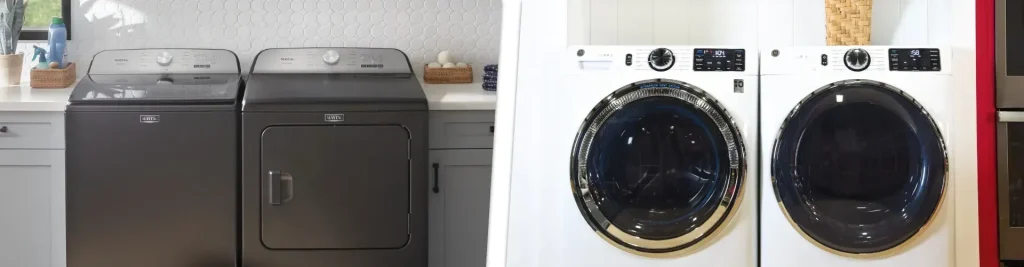
Choosing the right size washer dryer for your home can feel overwhelming. You want something that fits your space, handles your laundry load, and saves you time.
But how do you know what size is just right for you? Picking the wrong size could mean wasted energy, longer laundry days, or even overcrowded machines. Keep reading, and you’ll discover exactly how to find the perfect washer dryer size that matches your needs—making laundry easier and faster than ever before.
Credit: www.whirlpool.com
Washer Dryer Sizes Explained
Choosing the right size washer dryer is important for your home. It saves space and fits your laundry needs.
Washer dryers come in different sizes and capacities. Knowing these helps you pick the best one.
Common Dimensions
Washer dryers usually have standard width, height, and depth. These sizes fit most laundry rooms.
- Width: 24 to 27 inches (60 to 70 cm)
- Height: 33 to 39 inches (85 to 100 cm)
- Depth: 24 to 34 inches (60 to 85 cm)
Compact models are smaller for tight spaces. Larger models need more space but wash more clothes.
Capacity Metrics
Capacity shows how much laundry a washer dryer can handle. It is measured in kilograms or pounds.
Here are common capacity sizes and what they mean:
- Small (5-7 kg): Good for 1-2 people or small loads
- Medium (7-9 kg): Fits 3-4 people or average laundry
- Large (9+ kg): Best for families or big laundry loads
Dryer capacity may be smaller than washer capacity. Check both to match your needs.
Choosing Based On Space
Picking the right size washer dryer depends mostly on your available space. Measure your laundry area carefully to avoid fitting issues.
Small spaces need compact machines, while bigger areas allow for larger models. Knowing your space helps you choose the best size washer dryer.
Measuring Your Laundry Area
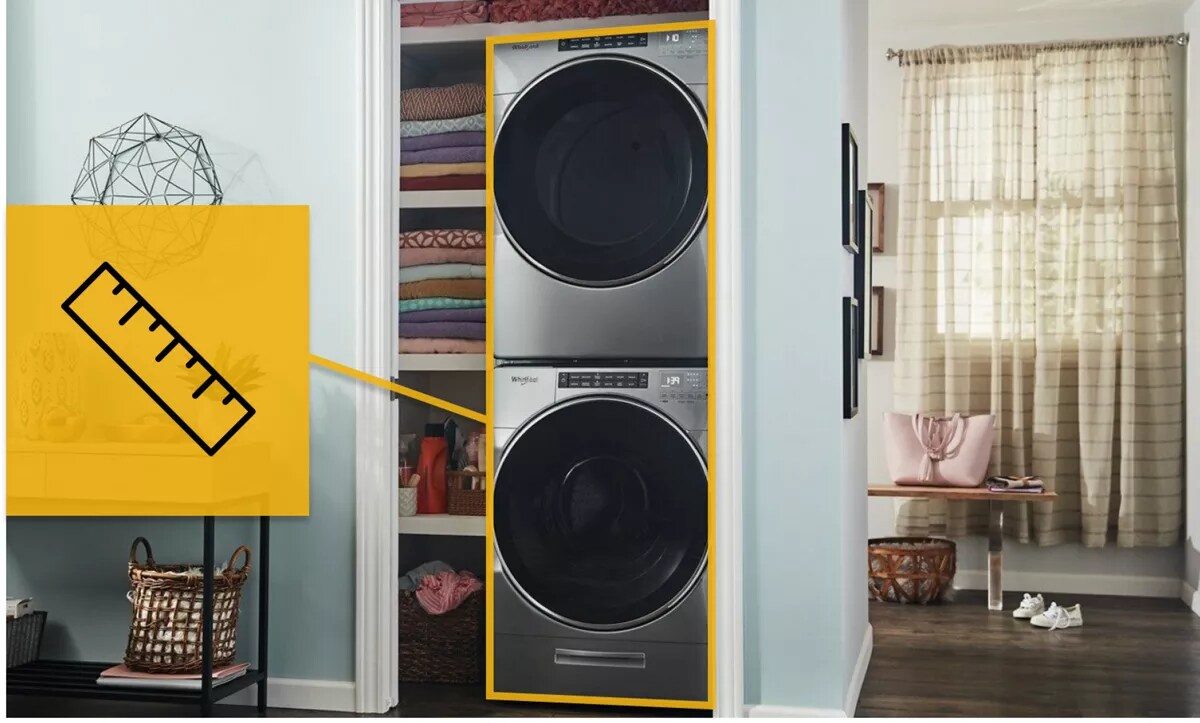
Start by measuring the width, depth, and height of your laundry space. Use a tape measure for accuracy.
Write down the numbers and compare them to the washer dryer sizes. Leave some room for ventilation and easy access.
- Measure width from wall to wall
- Measure depth from front to back
- Measure height from floor to ceiling
- Leave at least 2 inches extra space around the machine
Considering Door Clearance
Check how much space is needed to open the washer and dryer doors fully. This affects where you place the machines.
Make sure doors do not block walkways or hit walls and other objects when open. This keeps your laundry area safe and easy to use.
- Measure door width and height
- Check door swing direction
- Ensure clear space in front of machines
- Consider sliding or reversible doors if space is tight
Stacked Vs Side-by-side
Decide if you want to stack the washer and dryer or place them side by side. This choice depends on your space and needs.
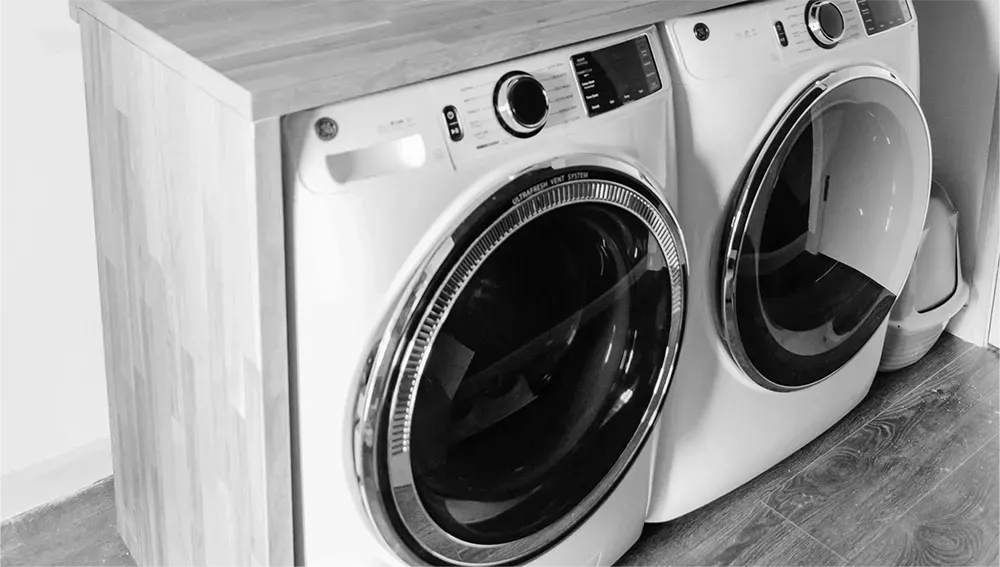
Stacked units save floor space but need enough height. Side-by-side models need more width but offer easier access to both machines.
| Type | Space Needed | Pros | Cons |
|---|---|---|---|
| Stacked | Less floor space, more height | Saves floor space, good for small rooms | Harder to reach top machine |
| Side-by-Side | More floor space, less height | Easier access, can add countertop above | Needs wider laundry area |
Matching Capacity To Household Size
Choosing the right washer dryer size depends on your household size. A good match saves time and energy.
Too small machines mean more loads. Too large ones waste water and electricity.
Single Or Couple Needs
Singles or couples usually need smaller machines. A compact washer dryer fits well in small spaces.
Look for a capacity between 7 to 8 kg. This size handles daily clothes without wasting resources.
- 7-8 kg capacity is enough for 1-2 people
- Smaller size uses less water and power
- Fits in apartments or small homes
Small Family Options
Small families of 3 to 4 need mid-size washer dryers. Machines with 8 to 10 kg capacity work well.
This size handles larger loads and bedding items. It also reduces the number of wash cycles needed.
- 8-10 kg capacity suits families with 3-4 members
- Good for washing towels and small blankets
- Helps save time by washing bigger loads
Large Family Solutions
Large families of 5 or more need bigger washer dryers. Look for machines with 10 kg or more capacity.
These machines handle bulky items like duvets and heavy clothes. They cut down on daily laundry loads.
- 10+ kg capacity for 5 or more people
- Wash large or heavy items in one go
- Reduces time spent on laundry
Types Of Washer Dryers
Choosing the right washer dryer size depends on the type you pick. Different types offer various features and space needs.
Understanding each type helps you find a model that fits your home and laundry habits.
All-in-one Models
All-in-one washer dryers combine washing and drying in a single machine. They save space and work well in small homes or apartments.
- Compact size fits tight spaces
- Good for small laundry loads
- Convenient for quick laundry cycles
- Usually slower drying than separate units
Separate Units
Separate washer and dryer units offer more power and larger capacity. You can wash and dry clothes at the same time.
| Feature | Washer | Dryer |
| Capacity | Large loads | Large loads |
| Space Needed | More space | More space |
| Cycle Speed | Faster washing | Faster drying |
| Cost | Higher upfront | Higher upfront |
Portable Options
Portable washer dryers are lightweight and easy to move. They are good for small spaces or temporary use.
Key benefits of portable washer dryers:
- Fits in small apartments or dorm rooms
- Can be stored when not in use
- Connects easily to standard sinks
- Lower capacity than full-size models
Energy Efficiency And Water Use
Choosing the right washer dryer size affects energy and water consumption. A well-sized machine saves resources and lowers bills.
Using a washer dryer that fits your needs avoids waste. It helps protect the environment and reduces your home’s impact.
Impact On Size Selection
Large machines use more water and power per cycle. Small washers use less but may need more frequent runs.
- Choose a size that matches your laundry volume
- Oversized machines can waste water and electricity
- Smaller machines need more cycles, which may add up
- Consider your household size and laundry habits
Eco-friendly Features
Many washer dryers include features that reduce energy and water use. These help keep machines eco-friendly.
| Feature | Benefit |
| Eco Wash Cycles | Use less water and energy per load |
| Load Sensing | Adjust water amount to load size |
| High Spin Speeds | Remove more water, reducing drying time |
| Energy Star Rating | Meets strict efficiency standards |
Credit: www.tcl.com
Installation And Ventilation
Choosing the right size washer dryer involves more than just capacity. Proper installation and ventilation are key for safe and efficient operation.
Let’s explore the essential requirements to ensure your appliance works efficiently and lasts longer.
Dryer Vent Requirements
Proper dryer venting prevents fire hazards and improves drying efficiency. Ensure your venting system is up to standard.
- Use metal venting materials, not plastic or foil.
- Keep the venting system as short and straight as possible.
- Regularly inspect and clean the vent to prevent lint build-up.
Space For Maintenance
Leaving enough space around your washer dryer is crucial for maintenance. This helps with repairs and cleaning tasks.
| Area | Recommended Space |
| Behind the unit | 2-3 inches |
| On each side | 1 inch |
| Above the unit | 4-6 inches |
Budgeting For Size And Features
Choosing the right washer dryer size can be tricky. You want it to fit your space and your budget. Understanding the relationship between size and features helps you make a smart choice.
Consider what you need for your household. Bigger machines often mean more features, but they also cost more. Let’s explore how cost relates to capacity and the benefits of long-term savings.
Cost Vs Capacity
Larger washer dryers can handle more laundry at once. This means fewer loads, which saves time. But, bigger machines usually have higher price tags. Think about how often you wash clothes. A larger machine might be worth the cost for a big family.
Smaller machines are cheaper and save space. They are ideal for single people or couples. Decide what works best for your living situation and budget.
- Larger machines: Higher cost, more capacity
- Smaller machines: Lower cost, less capacity
Long-term Savings
Investing in a quality washer dryer can save money over time. Look for energy-efficient models. They use less water and electricity, lowering utility bills.
Durability is also important. A machine that lasts many years means fewer repairs and replacements. Spending more upfront might lead to savings in the future.
| Feature | Benefit |
| Energy Efficiency | Lower utility bills |
| Durability | Fewer repairs |
Credit: www.brothersmain.com
Frequently Asked Questions
What Washer Dryer Size Fits A Small Apartment?
A compact washer dryer with a 2-3 cubic feet capacity suits small apartments. It saves space and handles light laundry loads efficiently.
How To Determine Washer Dryer Capacity Needs?
Estimate your weekly laundry volume and family size. Larger families need 4-5 cubic feet capacity; singles or couples need less.
Does Washer Dryer Size Affect Energy Consumption?
Yes, larger units generally use more energy. Choosing the right size reduces power use and saves money on bills.
Can I Use A Washer Dryer For Bulky Items?
Choose a large capacity washer dryer, at least 4. 5 cubic feet, to handle bulky items like blankets and comforters.
Conclusion
Choosing the right washer dryer size saves time and energy. Think about your household size and laundry habits. Small spaces need compact models. Big families benefit from larger capacity machines. Match the size to your daily laundry load. This helps avoid overloading or wasting water.
A good size means clean clothes faster and easier. Remember, a suitable washer dryer fits your needs best. Take time to compare sizes before buying. Your clothes and schedule will thank you.